
Automate Your Raspberry Pi Photo Frame with iCloud Sync
Learn to set up a Raspberry Pi to automatically sync photos from an iCloud Shared Album, turning it into an auto-updating digital photo frame with a Python script and systemd timers.
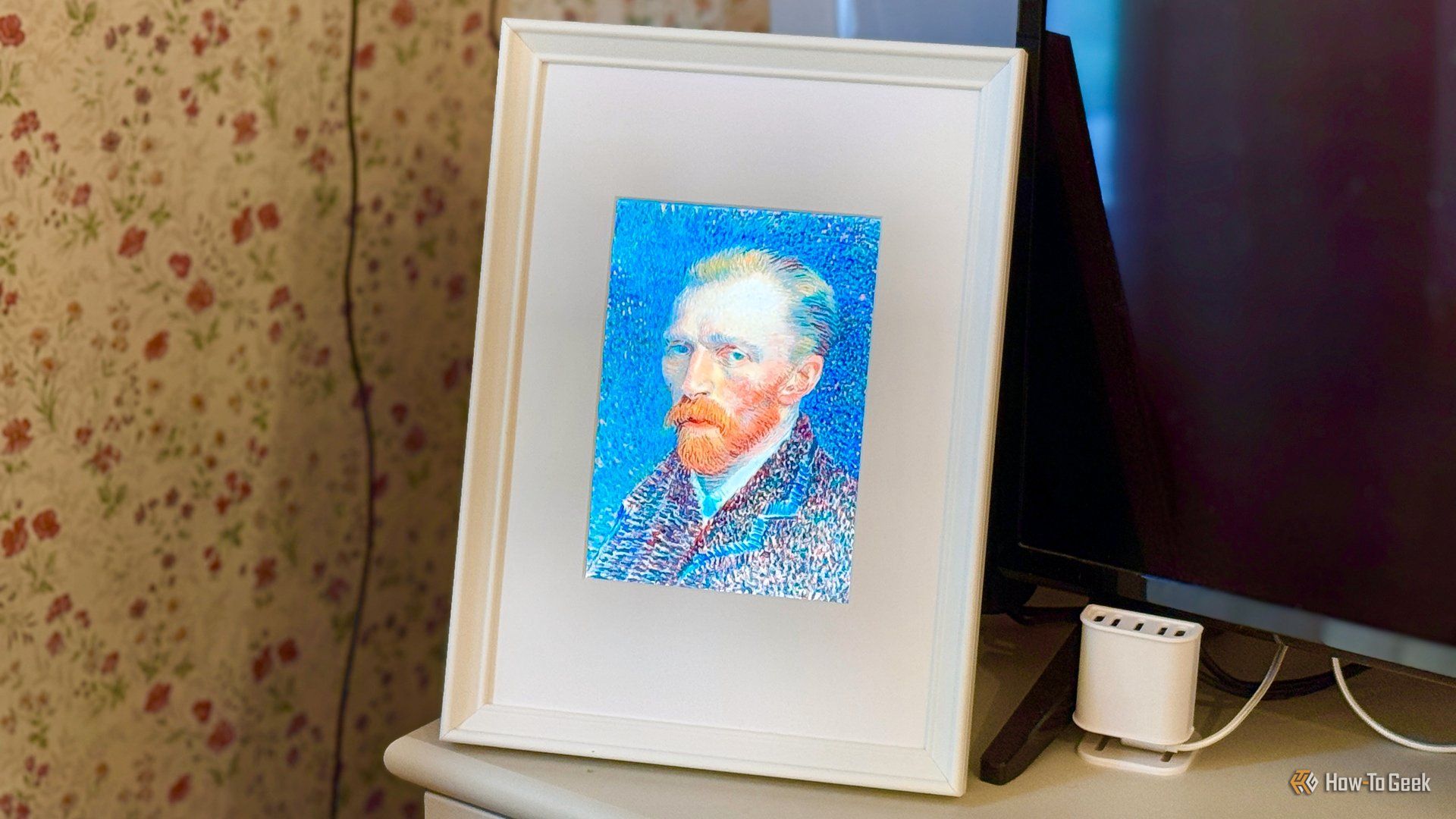
Creating a dynamic digital photo frame with a Raspberry Pi that automatically updates from your iPhone's iCloud Shared Albums is a rewarding project. This guide walks you through the conceptual setup, allowing your Raspberry Pi to "steal" photos from your phone (with your permission!) and display them, ensuring your frame always shows fresh, curated memories.
What You'll Accomplish
YouBy following this guide, you will learn how to set up a Raspberry Pi to automatically synchronize photos from a designated iCloud Shared Album. This means any photo you add or remove from that specific album on your iPhone will automatically appear or disappear from your Raspberry Pi's local storage, ready to be displayed on a connected screen. This transforms a static digital frame into a continually updating display of your favorite moments, managed effortlessly from your phone.
Prerequisites
Before you begin, ensure you have the following:
- Raspberry Pi: An older model like the Raspberry Pi 3B+ (with 1GB RAM) is sufficient for this task, as confirmed by the original project, demonstrating that powerful hardware isn't always necessary.
- Raspberry Pi OS: A working installation of Raspberry Pi OS (or a similar Linux distribution) on your Pi.
- Internet Connection: Your Raspberry Pi must have a stable internet connection.
- iPhone(s): One or more iPhones from which you intend to share photos.
- iCloud Account: An active iCloud account with Two-Factor Authentication (2FA) enabled.
- iCloud Shared Album: A dedicated iCloud Shared Album created and populated with the photos you wish to display.
- Basic Command-Line Familiarity: Comfort with navigating the Linux command line.
- Display (Optional but Recommended): While not explicitly detailed in this guide for setup, the project's purpose is to feed photos to a display connected to your Raspberry Pi. This could be a dedicated monitor, an old tablet screen with an HDMI controller board, or similar.
Sequential Steps to Set Up Your Auto-Updating Photo Frame
This guide outlines the logical steps required to implement the photo syncing mechanism. While specific code is not provided in the source material, the functionality of each component is described.
Step 1: Prepare Your iCloud Shared Album
The foundation of this automatic photo frame is an iCloud Shared Album. This feature allows multiple iPhone users (such as family members) to contribute photos to a single album effortlessly. To get started:
- Create a New Shared Album: On your iPhone, open the Photos app, navigate to the "Albums" tab, and create a new Shared Album. Name it something descriptive, like "Frame Photos."
- Add Your Favorite Photos: Populate this album with all the pictures you want to see displayed on your Raspberry Pi frame. This album will serve as the master source for your digital frame's content.
- Invite Collaborators (Optional): If you wish for other family members to contribute, invite them to the shared album. Any photos they add will also be synced to your Raspberry Pi.
Step 2: Set Up Your Raspberry Pi for Python and PyiCloud
Your Raspberry Pi needs the necessary software to interact with iCloud. This involves installing Python, its package manager, and the PyiCloud module.
- Update Your Raspberry Pi: Ensure your Raspberry Pi's operating system is up to date by running the standard update commands in the terminal.
- Install Python and Pip: If not already present, install Python 3 and Pip (Python's package installer). These are fundamental for running the photo syncing script.
- Install PyiCloud:
PyiCloudis a crucial Python module that enables your Raspberry Pi to connect to your iCloud account. Install this module using Pip. It provides the programmatic interface needed to access and read the contents of your iCloud photo albums. - Create a Photo Storage Directory: On your Raspberry Pi, create a dedicated folder where the synchronized photos will be stored. For example,
/home/pi/frame_photos.
Step 3: Crafting the Photo Sync Script
This is the core logic that orchestrates the photo retrieval process. While the specific script isn't provided in the source, its functionality is clearly described. You will need to create a Python script that uses the PyiCloud module to perform the following actions:
- Connect to iCloud: The script will use your iCloud username and password to establish a connection to your account via
PyiCloud. - Handle Two-Factor Authentication (2FA): On the first run of the script, it will prompt you to enter the 2FA code sent to your iPhone.
PyiCloudis designed to handle this. After successful authentication,PyiCloudsaves a small session file to disk. This is a significant convenience, as it means you won't need to re-enter your 2FA code for every subsequent execution, provided the session remains valid. - Identify the Shared Album: The script needs to be configured to target the specific iCloud Shared Album you created in Step 1.
- Synchronize Photos: The script's main task is to compare the photos currently in the iCloud Shared Album with the photos already stored in your Raspberry Pi's local storage directory (created in Step 2). It performs two key operations:
- Download New Photos: If a photo exists in the iCloud Shared Album but not on the Raspberry Pi, the script will automatically download it to your local storage.
- Delete Removed Photos: If a photo is present on the Raspberry Pi but no longer exists in the iCloud Shared Album, the script will delete it from your local storage. This ensures the Pi's photo collection exactly mirrors the shared album.
Step 4: Automating Photo Sync with Systemd Timers
To ensure your photo frame stays updated without manual intervention, the Python script needs to run periodically. The project utilizes systemd timers for this purpose, which are a modern and robust way to schedule tasks on Linux systems, serving as an alternative to traditional cron jobs.
- Understand Systemd Timers:
systemdtimers consist of two parts: a.serviceunit that defines the command to be run (in this case, your Python script), and a.timerunit that defines when and how often that service should be executed. - Configure for Automation: You will set up a
systemdtimer to trigger your photo syncing Python script automatically. The project's configuration runs this script every three hours. This interval ensures that any changes you make to your iCloud Shared Album are reflected on the Raspberry Pi within a maximum of three hours. - Enable and Start the Timer: Once configured, you'll enable and start the
systemdtimer, allowing it to begin scheduling and running your Python script in the background.
Step 5: Displaying Your Dynamic Photo Collection
The final step involves configuring your Raspberry Pi's display setup to show the newly synchronized photos. The original project describes an existing photo frame built from an iPad 2 panel, but the principle applies to any display connected to your Pi.
- Configure Display Software: Whatever software you are using to manage your Raspberry Pi's display (e.g., a custom script, a slideshow application, or a desktop environment's wallpaper settings), you will need to point it to the local directory where your photos are saved.
- Set Up Rotation: Configure your display software to rotate through the photos in this directory. The project's setup rotates to a new, randomly selected photo every 15 minutes. This ensures a fresh visual experience whenever the frame is active.
- Enjoy the Automation: With everything configured, simply add or remove photos from your iCloud Shared Album on your iPhone. The Raspberry Pi will automatically sync these changes, and your digital photo frame will dynamically update, presenting a constantly refreshed gallery of your cherished memories.
Troubleshooting Tips
- iCloud Authentication Loop: If the script repeatedly asks for 2FA, ensure
PyiCloudhas proper write permissions to save its session file in its configured directory. - Photos Not Syncing: Check your Raspberry Pi's internet connection. Verify that the
systemdtimer is active and running as expected (check its status). Double-check the name of the iCloud Shared Album in your script to ensure it matches exactly. - Performance on Older Pis: The project successfully used a Raspberry Pi 3B+ (1GB RAM). If you encounter performance issues, ensure your Python script is optimized and not attempting overly complex image processing on the Pi itself. This setup is specifically designed to be lightweight, offloading heavy tasks like photo management to iCloud.
- Empty Frame: If no photos are appearing, confirm that there are photos in your iCloud Shared Album and that the script has successfully downloaded at least one batch. Also, ensure your display software is correctly pointing to the synced photo directory.
Tips and Best Practices
- Dedicated Album: Use a specific iCloud Shared Album only for the photos you want on the frame. This makes managing the content much easier.
- Storage Management: Periodically check the storage on your Raspberry Pi. While photos typically don't take up excessive space, large collections or high-resolution images can accumulate. The syncing script already helps by removing deleted photos.
- Network Stability: A reliable internet connection is crucial for consistent photo syncing. Ensure your Raspberry Pi has good Wi-Fi or a wired Ethernet connection.
- Security: Always keep your iCloud account secure. While
PyiCloudsaves a session file to avoid constant 2FA, it's essential to protect your Raspberry Pi if it contains sensitive authentication data.
FAQ
Q: Can I use an older Raspberry Pi model for this project?
A: Yes, the author successfully used a Raspberry Pi 3B+ with 1GB RAM. This demonstrates that even older, less powerful models are capable of running the lightweight photo syncing script, unlike more resource-intensive applications such as a full photo server like Immich, which recommends at least 6GB of RAM.
Q: How often does the Raspberry Pi update the photos from iCloud, and how often do they change on the screen?
A: The setup uses a systemd timer to run the photo syncing script every three hours, ensuring that any additions or removals in the iCloud Shared Album are reflected on the Pi within that timeframe. Separately, the display software on the frame is configured to select and show a new, random photo from the synchronized collection every 15 minutes.
Q: What if my iCloud Two-Factor Authentication (2FA) code is needed again after the initial setup?
A: The PyiCloud tool is designed to save a session file to disk after the initial authentication with your iCloud username, password, and 2FA code. This means you generally won't need to re-enter the 2FA code for subsequent runs of the script, unless the session expires or is manually invalidated, which is infrequent.
Next Steps
Once your auto-updating photo frame is operational, consider these enhancements:
- Customize Display Options: Explore options within your display software to add transitions, display photo metadata, or change the rotation order and interval.
- Energy Efficiency: Implement a schedule to turn the display off during certain hours to save power.
- Backup: Regularly back up your Raspberry Pi's SD card, especially after you have a stable and working configuration.
Related articles

Fire Emblem: Fortune's Weave – Should You Brave the War Arc, or Blink
Deciding whether to skip Act 2, the War Arc, in Fire Emblem: Fortune's Weave depends on your playthrough. First-timers should always play it for story and challenge, as it's a vital bridge to Act 3. For subsequent runs, skipping can be efficient, auto-leveling characters to 45, but you lose control over development and potential higher levels.

Claim Your 2 Free Kindle Books with Amazon Prime This September
Learn how to claim two free Kindle books as an Amazon Prime member this September through the First Reads program in just a few steps.
howto: 3 Home Assistant projects to build multipurpose devices this
Build smarter, multipurpose Home Assistant devices this weekend (Sep 18-20)! Learn to combine presence sensing, smart buttons, and status lights into one unit, add displays to Bluetooth proxies, and integrate your standing desk with presence tracking for a cleaner, more efficient smart home.

Gundam Rogue Orbit: Get Ready for High-Octane Mech Mayhem
Gundam Rogue Orbit: Get Ready for High-Octane Mech Mayhem! Bandai Namco is cooking up something special, and after a hands-on session at Tokyo Game Show this week, we're buzzing with excitement. Prepare yourselves, mech

Incremental Monolith Migration: A Safer Path to Modernization
Migrating a large legacy monolith often feels like an insurmountable task. The common approach, a "big-bang" rewrite, carries immense risk. It frames the migration as a single, all-encompassing event: move the
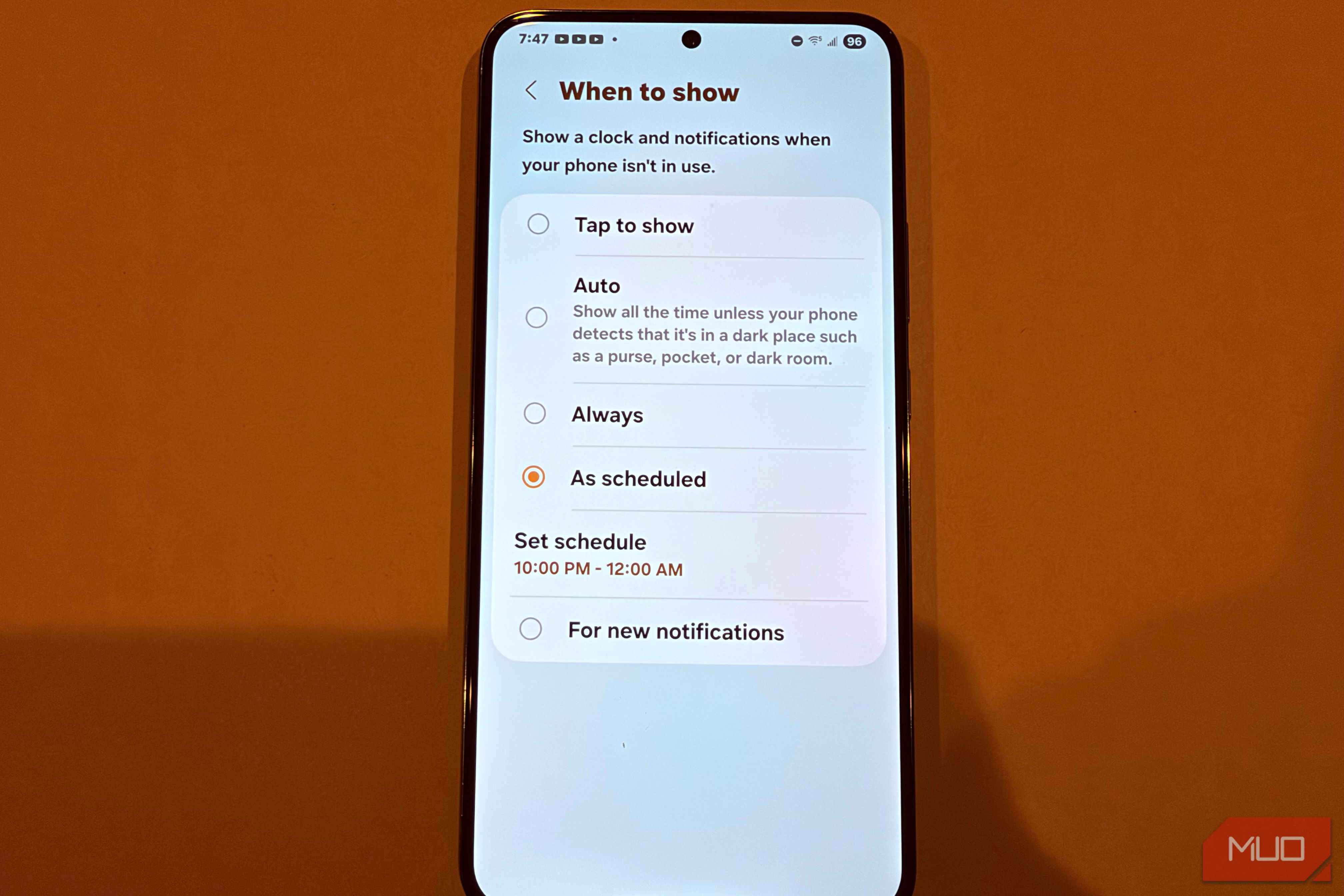
Your Galaxy's Always-On Display Draining Battery? Schedule a Hidden
Reclaim Your Battery: Schedule Your Galaxy's Always-On Display Your Samsung Galaxy's Always-On Display (AOD) is a handy feature, showing you the time and notifications at a glance. However, keeping it active all day can