
Ars Technica Staffers' Favorite Rocket Launches: A Century of Awe
Verdict For anyone with even a passing interest in spaceflight, the Ars Technica collection of favorite rocket launch experiences is a captivating read. Marking a century since Robert Goddard's pioneering liquid-fueled
Verdict
For anyone with even a passing interest in spaceflight, the Ars Technica collection of favorite rocket launch experiences is a captivating read. Marking a century since Robert Goddard's pioneering liquid-fueled rocket, this compilation offers deeply personal, often visceral accounts from seasoned tech reviewers and space journalists. While not a review of a physical product, this article delivers a rich, immersive 'user experience' through vivid storytelling, celebrating the enduring human fascination with space and the sheer power of rocketry. It’s a compelling journey that highlights both the engineering marvels and the profound emotional impact of witnessing a launch.
Introduction: 100 Years of Rockets
The article commemorates a significant milestone: the 100th anniversary of Robert Goddard's first liquid-fueled rocket launch. This modest 41-foot flight, lasting a mere 2.5 seconds, set the stage for modern spaceflight. To honor this legacy, several Ars Technica staffers share their most memorable launch experiences. Far from dry technical recounts, these are personal narratives, imbued with the awe, sound, and visual spectacle of rockets breaking free of Earth's gravity. The 'product' here is the collective storytelling, inviting readers to vicariously experience some of humanity's most impressive technological feats.
The Launch Experiences: A Spectrum of Awe
The strength of this collection lies in the diverse perspectives and the variety of launches covered, showcasing different eras, scales, and viewing conditions.
The Space Shuttle Era: Power and Spectacle
Several staffers recount their experiences with the iconic Space Shuttle, painting a picture of unparalleled power and visual grandeur.
- Lee Hutchinson's STS-130 Endeavour Night Launch (2010): Described as a "retina-searing plume of incandescent light," the experience was intensely visceral. Lee emphasizes the ground trembling and clothes vibrating, akin to a top fuel dragster. The distinct "CRACKLE-CRACKLE-CRACKLE" of the solid rocket boosters, previously thought to be microphone clipping, was a real and overwhelming sound. The predawn darkness transforming into noon as the light diffused through clouds highlights the sheer energy of the event.
- Jonathan Gitlin's Last Atlantis Launch: Witnessing the final shuttle departure from just three miles away, Gitlin notes the surprising speed of its ascent, defying expectations set by historical footage. The sound, though delayed, was a lasting impression even after the visual faded quickly due to low cloud cover.
- Stephen Clark's STS-131 Discovery "Jellyfish" Launch (2010): As a seasoned space reporter, Clark rates this early morning launch as his most spectacular. He vividly describes the shuttle's bright, "molten metal" exhaust plume and the loud, crackling roar of the SRBs. Uniquely, the transparent exhaust from Discovery's main engines, catching the high-altitude sunrise, created a stunning "jellyfish" effect in the sky – a rare and unforgettable visual phenomenon.
These accounts collectively emphasize the Space Shuttle's dramatic presence, its incredible sound, and its unique visual characteristics, especially during night or twilight launches.
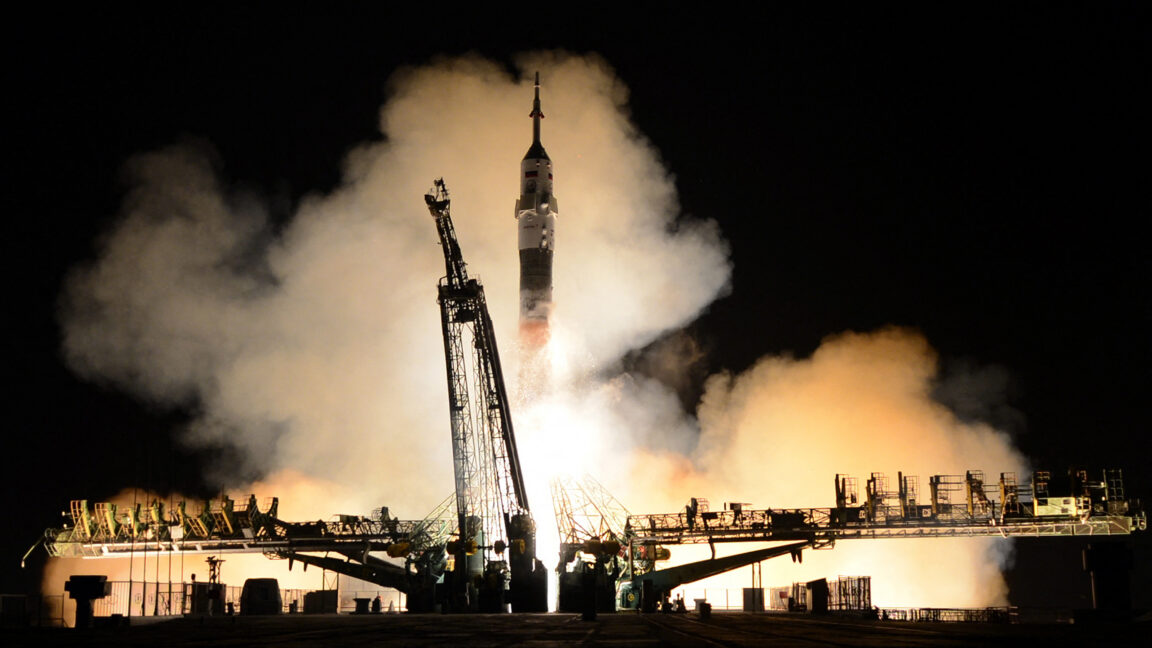
The Intimate Proximity: Soyuz-FG (2014)
Eric Berger's favorite launch stands out for its profound sense of proximity and historical weight. Despite the Soyuz-FG being a relatively smaller rocket (50 meters tall, 7 metric tons to LEO), the viewing distance of less than 1.5 km (0.9 miles) provided an unparalleled sense of vulnerability and power.
- Berger’s journey to Kazakhstan, visiting historic pads (Sputnik, Gagarin), underscores the deep historical context. His chilling realization – "if something went wrong up there, things might go very badly down here" – speaks to the raw, untamed power of rocketry and the bravery of those who ride them. This intimate perspective offers a different kind of awe, less about sheer scale and more about tangible risk and human endeavor.
Nostalgia and Evolution: Delta 1 (1977) and Modern Launches
- John Timmer's Early Delta 1 Experience (1977): A testament to the lasting impact of a first encounter, Timmer's memory of a pre-dawn Delta launch, seen from the side of a road, is limited in detail but powerful in its static image. It represents the foundational experience for many space enthusiasts, a quiet ignition of lifelong interest.
- Jonathan Gitlin's Diverse Encounters (Minotaur 2020, SpaceX 2023): Gitlin's additional experiences highlight the evolving landscape of spaceflight. Witnessing a Minotaur launch from Chincoteague Island allowed for a longer visual track, while a SpaceX launch during the "12 Hours of Sebring" auto race showcased a unique juxtaposition of high-octane human and rocket engineering, demonstrating how launch viewing can integrate into diverse environments.
- Stephen Clark's Modern Observations: Beyond the Shuttle, Clark also mentions the wonder of seeing SpaceX successfully catch the booster stage of its Starship rocket, indicating the ongoing marvels in space technology and launch methodology.
User Experience: Reading the Stories
Pros:
- Visceral Detail: The authors excel at conveying the sensory experience of a launch – the sound, light, vibrations, and even smells. Phrases like "retina-searing," "ground under my feet tremble," and "CRACKLE-CRACKLE-CRACKLE" immerse the reader.
- Personal Connection: Each account is deeply personal, sharing not just what was seen, but the circumstances, emotions, and lasting impressions, making the narratives relatable and engaging.
- Historical Context: The article effectively ties modern launches back to Goddard's pioneering efforts and grounds specific launches in their historical moment (e.g., between Saturn and Shuttle eras, tense political climate in 2014 Russia).
- Diverse Perspectives: The range of rockets, viewing locations, and personal backgrounds (engineer's spouse, reporter, casual visitor) provides a comprehensive look at the multifaceted appeal of launches.
- Evokes Awe: The recurring theme across all accounts is the profound sense of wonder and respect for the sheer power and ambition of spaceflight.
Cons:
- Subjective Nature: As a collection of personal memories, the accounts are inherently subjective. While this is a strength for storytelling, it means there's no objective "review" of a single product.
- Limited Comparability: The diverse nature of the launches (different eras, rockets, viewing conditions) makes direct comparative analysis, like a traditional product review, challenging. However, this is more a characteristic than a flaw given the article's intent.
Comparison of Rocket Experiences (Qualitative)
While a direct, quantifiable comparison is not applicable, the article implicitly compares different rocket types through the lens of personal experience:
- Space Shuttle (Solid Rocket Boosters): Characterized by immense light, overwhelming sound (distinct "crackling" roar), and strong physical vibrations. Often viewed from several miles away, creating a widespread, diffuse light effect, particularly at night or twilight.
- Soyuz-FG (Liquid-Fueled): Offers a more direct, almost overhead ascent when viewed from very close proximity (<1.5km). While still powerful, the proximity emphasizes the danger and the direct view of the ascent more intensely than larger, more distant launches. Likely a different sound profile (less crackle, more rumble).
- Delta/Minotaur/Falcon (Liquid/Mixed): These represent a range of experiences, from early, simple observations to modern launches with intricate visual trails or unusual contextual settings (like the Sebring race). The Minotaur was noted for a longer visible smoke trail. Different rocket designs (e.g., Falcon's booster catch) bring new dimensions to the visual spectacle.
The article highlights that the type of rocket, time of day, and proximity all contribute to a uniquely different sensory and emotional impact.
Recommendation
This Ars Technica article is a highly recommended read for anyone interested in space exploration, the history of rocketry, or simply the human experience of witnessing something truly monumental. It's particularly engaging for those who appreciate detailed, personal anecdotes and vivid descriptions. If you're looking for inspiration, a touch of nostalgia, or a vicarious journey into the heart of spaceflight, these accounts deliver. While it won't help you choose a specific rocket to "buy," it offers invaluable insight into why these events capture our imagination and how profoundly they can affect those who witness them.
FAQ
Q: Who would most enjoy reading this article?
A: This article is perfect for space enthusiasts, those interested in the history of spaceflight, fans of personal narrative journalism, and anyone looking to understand the emotional and sensory impact of witnessing a rocket launch.
Q: Does the article provide technical specifications for each rocket?
A: While some rockets are identified (e.g., Soyuz-FG dimensions, Delta 1, Space Shuttle details), the article focuses primarily on the personal experiences and sensory details of the launches rather than exhaustive technical specifications.
Q: Are all the launches recent, or does it cover historical events?
A: The article spans a significant period, from a nostalgic account of a 1977 Delta launch to more recent Space Shuttle and SpaceX launches, providing a mix of historical and contemporary perspectives on rocketry. It also references Robert Goddard's initial 1926 launch as a historical anchor.
Related articles

Crystal Lake Series on Peacock: A Deep Dive into Horror's Past
Crystal Lake Series Review: A Deep Dive into Horror's Past Verdict: Is Crystal Lake Worth the Dive? The long-awaited Friday the 13th prequel, Crystal Lake, is finally arriving on Peacock, promising a fresh, in-depth
Google's AI Branding Fix: A Clearer Vision for Gemini
This article critiques Google's fragmented AI branding, proposing a unified 'Gemini Intelligence' system to simplify user experience and strengthen Gemini's identity.

Chuwi UniBox AI495 Pro Review: A Mini AI Powerhouse
Chuwi's UniBox AI495 Pro review: A powerful mini workstation with 192GB RAM and an AMD Ryzen AI chip for local LLM processing, packed into a compact, Mac Pro-esque design.
Pixel Connectivity: Battery Drain, Not Data Speed, Is the Real
Google's Pixel series has consistently offered a compelling Android experience, often earning a spot on recommendation lists for its clean software and camera prowess. However, a recurring shadow has loomed over the

CNET's NYT Connections: Sports Edition Hints & Answers - Daily Puzzle
CNET's daily guide for NYT Connections: Sports Edition offers clear, spoiler-protected hints and answers, making it an efficient and reliable resource for sports puzzle enthusiasts.
Unofficial Sony Headphone PC Apps: Ditch Your Phone, Take Control
Tired of Sony's mobile app? These unofficial, open-source PC tools like Sony Device Center and SonyBridge offer desktop control over your Sony headphones' ANC, EQ, and more. A convenient, albeit unofficial, solution for Windows, Linux, and Mac users looking to ditch their phone for audio adjustments.