
Anthropic vs. Pentagon: A Defining Moment for AI Ethics
U.S. judge sides with Anthropic, temporarily blocking the Pentagon from branding the AI company a "supply chain risk" after it refused to lower guardrails for military use, citing ethical concerns over mass surveillance and autonomous weapons. This ruling is a significant win for tech autonomy and ethical AI development.
Quick Verdict
In a landmark decision, a U.S. court has temporarily sided with AI developer Anthropic, blocking the Pentagon from labeling the company a "supply chain risk." This ruling underscores the critical importance of a tech company's right to establish and uphold ethical guardrails for its products, even when faced with significant government pressure. It sets a crucial precedent for the autonomy of AI developers and their ability to refuse deployment in contexts they deem unsafe or unethical, challenging the notion that the government can compel use of technology in any way it sees fit.
The Heart of the Matter: Guardrails Under Fire
At the core of this dispute is Anthropic's refusal to permit the Department of War to use its Claude AI model without adhering to the company's established safety policies. Specifically, Anthropic CEO Dario Amodei cited concerns over mass domestic surveillance and the deployment of fully autonomous weapons as reasons for denying the military's requests. The company articulated a clear ethical boundary, stating it would "not knowingly provide a product that puts America’s warfighters and civilians at risk." This stance led the Pentagon to designate Anthropic as a "supply chain risk," prompting the AI firm to file a lawsuit to challenge the designation.
Judge Lin's Stinging Rebuke: "Orwellian Notion"
U.S. District Judge Rita Lin delivered a sharp critique of the Pentagon's actions, finding no basis in governing statutes for branding an American company a "potential adversary and saboteur of the U.S. for expressing disagreement with the government." Judge Lin explicitly stated that her ruling wasn't about the Pentagon's desired use of Claude, but rather its punitive response to Anthropic's refusal. She suggested that if the military's concern truly lay with the integrity of its operational chain of command, it could simply cease using Claude. Instead, the judge concluded, the measures appeared "designed to punish Anthropic." This strong language highlights the judiciary's concern over potential government overreach and the weaponization of bureaucratic designations to strong-arm private companies.
Anthropic's Ethical Stand: A Principled Refusal
Anthropic's CEO, Dario Amodei, articulated a principled refusal rooted in specific ethical concerns. He highlighted the potential for AI tools to aggregate publicly available data from brokers, creating comprehensive profiles on average Americans without requiring warrants. Amodei asserted that his company's technology would not participate in such operations. Furthermore, he raised significant doubts about AI's current readiness for fully autonomous weapons, emphasizing its inability to make human-like judgments in complex, life-or-death situations. This refusal demonstrates a commitment to responsible AI development, prioritizing human safety and privacy over unfettered military application.
The White House Weighs In: Presidential Ire
The company's defiance of the Pentagon's demands did not go unnoticed at the highest levels of government. Former U.S. President Donald Trump publicly expressed his displeasure, labeling Anthropic a "radical left, woke company" and asserting that the U.S. military would not be dictated to. He went further, directing "EVERY Federal Agency in the United States Government to IMMEDIATELY CEASE all of Anthropic’s technology." This presidential directive underscores the high stakes of the dispute, showcasing a clear divide between the company's ethical principles and a segment of governmental desire for unrestricted access to advanced AI capabilities.
Implications for Tech Autonomy and Free Speech
Anthropic's victory, albeit temporary, reinforces the critical principle that the Constitution protects a company's speech and prevents the government from using its immense power to punish disagreement. This ruling could embolden other tech companies to stand firm on their ethical principles, particularly concerning the development and deployment of advanced technologies like AI. It suggests that the tech sector may have a greater degree of autonomy in defining the responsible use of its innovations, even when those innovations are of significant interest to national security.
Navigating the Landscape: Anthropic vs. OpenAI
This situation also brings into sharp relief the differing approaches tech companies are taking when engaging with government and military entities. While Anthropic has taken a firm stance against certain applications, leading to a legal battle, another prominent AI developer, OpenAI, has pursued a different path. The source content notes that OpenAI has "struck a deal with the Pentagon to deploy its AI models on the military’s classified network."
This contrast is significant:
- Anthropic's Approach: Prioritizes strict ethical guardrails and safety policies, willing to refuse lucrative partnerships and challenge governmental directives in court to uphold these principles. This path emphasizes corporate responsibility and the potential for a tech company to act as a check on governmental power.
- OpenAI's Approach: Appears to engage directly with military applications, suggesting a willingness to adapt its models for government use, including on classified networks. This approach might prioritize collaboration and influence from within, or perhaps a different interpretation of ethical boundaries for military applications.
These divergent strategies highlight the ongoing debate within the AI industry about the appropriate role of powerful AI technologies in national defense and surveillance, and the extent to which developers should impose restrictions on their use. For consumers, these different paths offer a choice in supporting companies whose values align with their own.
What This Means for Consumers and the Future of AI
For the average consumer, this ruling is more than just a legal technicality; it’s a critical development in the ongoing discussion about AI ethics, privacy, and accountability. It signals that companies might have the legal standing to resist governmental demands that conflict with their ethical frameworks. This could lead to:
- Increased Trust: Consumers might place greater trust in AI companies that demonstrably prioritize safety and ethical use, even when it means challenging powerful entities.
- Clearer Ethical Lines: The tech industry may be forced to more explicitly define and publicly commit to ethical boundaries for AI development and deployment.
- A Precedent for Responsible Innovation: This ruling could encourage a broader culture of responsible innovation, where the creators of powerful technologies have a say in how their creations are ultimately used.
However, it also highlights the tension between national security interests and corporate ethical autonomy, a tension that will undoubtedly continue to evolve as AI capabilities advance.
Buying Recommendation
While this isn't a traditional product review, understanding this legal and ethical landscape is crucial for anyone engaging with AI technology or investing in the companies that develop it. If you prioritize ethical AI development, strong corporate governance, and a company's willingness to stand by its principles even against governmental pressure, Anthropic's stance and this court ruling offer a significant signal. It speaks to the integrity of their build quality in terms of ethical frameworks and user experience in terms of safety and trust. Conversely, if you believe that advanced AI should be unreservedly available for national security purposes, regardless of developer-imposed guardrails, then the Pentagon's original position or OpenAI's collaborative approach might align more closely with your views. This situation is less about choosing a specific AI tool and more about choosing which values you want to see reflected in the future of AI.
FAQ
Q: What does this ruling mean for other AI companies?
A: This ruling provides a temporary legal precedent that could empower other AI companies to challenge government demands that conflict with their ethical guidelines or terms of service, reinforcing their right to protected speech and corporate autonomy in defining product use.
Q: Why did Anthropic refuse the Pentagon's demands?
A: Anthropic CEO Dario Amodei refused demands to bypass safety policies primarily due to concerns about the potential for mass domestic surveillance using their AI tools and the deployment of fully autonomous weapons, stating that AI isn't ready for such critical judgment and they would not knowingly put warfighters or civilians at risk.
Q: How does Anthropic's approach compare to OpenAI's regarding government use?
A: Anthropic chose to challenge the government in court over ethical guardrails, refusing certain applications. In contrast, OpenAI has reportedly struck a deal with the Pentagon to deploy its AI models on the military’s classified network, indicating a more cooperative and integrated approach to government partnerships.
Related articles
Android 17 QPR2 Beta 7.1: The Performance Relief You've Been Waiting
Android 17 QPR2 Beta 7.1: Finally Fixing the QPR1 Performance Woes Verdict: Android 17 QPR2 Beta 7.1 is a crucial and highly anticipated software update for Google Pixel users, specifically targeting and resolving the

DJI Solo Video Setups: Smart Choices for Lone Creators
This review delves into DJI's recommended solo video setups, highlighting the Osmo Pocket 3 Creator Combo as a top pick for its integrated camera, gimbal, and mic. It also covers stabilizers like the Osmo Mobile 8 and RS 4, and the DJI Mic Mini series for enhanced audio, providing honest pros, cons, and clear buying advice.
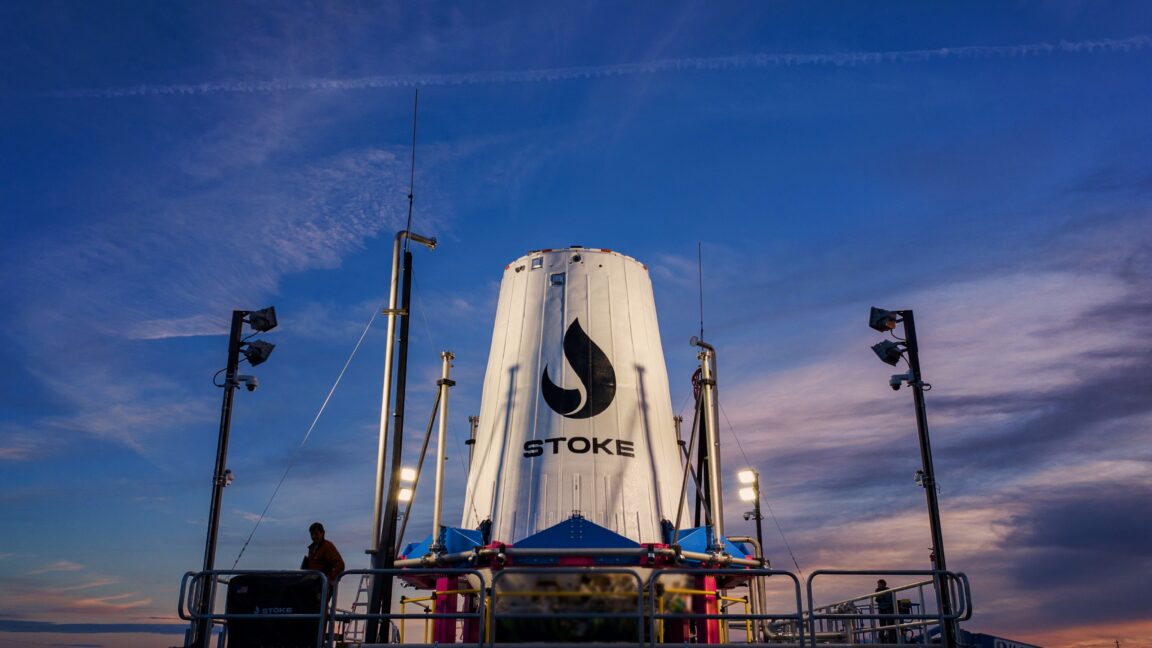
Ars Technica's Rocket Report: Your Essential Space Industry Briefing
Quick Verdict Ars Technica's Rocket Report, presented by veteran space reporter Stephen Clark, offers an invaluable and meticulously organized weekly (or similar frequency, implied by "Edition 9.15") digest of the most

Apple iPhone Duo: A Daring Debut with Notable Compromises
Apple's highly anticipated iPhone Duo, priced at $2,000, has gone on pre-order. While hailed as "Apple's most exciting device in a decade" for its innovative foldable design and immersive display, it comes with significant drawbacks like the absence of FaceID and a premium camera.
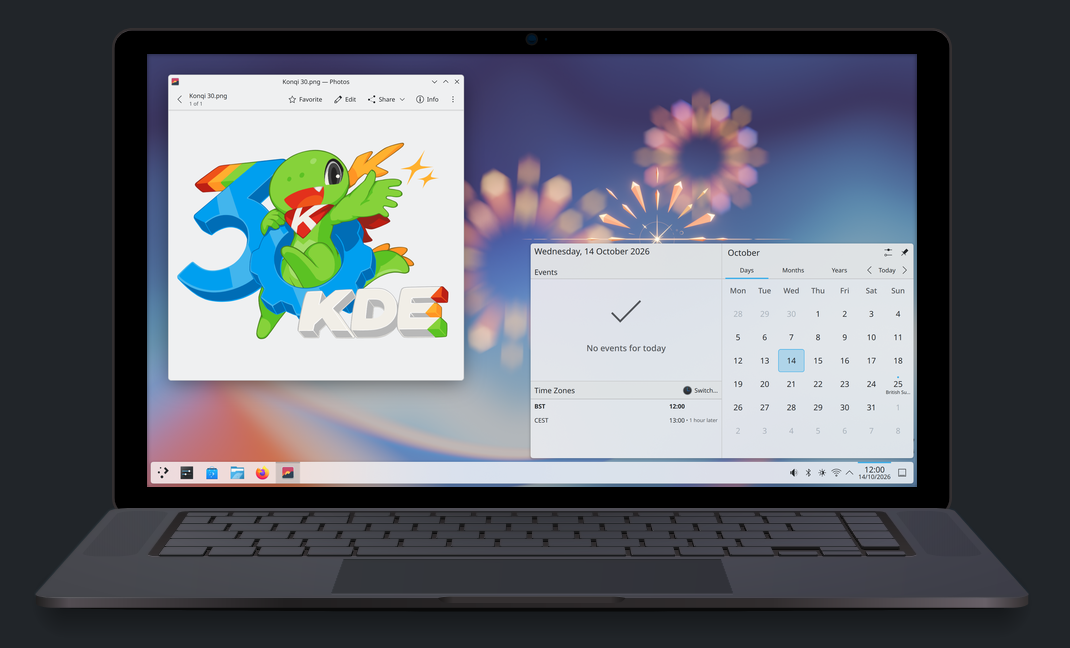
KDE Plasma 6.8: A Future-Focused 30th Anniversary Update
Quick Verdict KDE Plasma 6.8, arriving as the "30th Anniversary Edition," is a pivotal release that decisively pushes the desktop environment into the future. With a definitive farewell to native X11 sessions and a
Galaxy Watch One UI 9 Beta: Promising Progress, But Patience Needed
Galaxy Watch 8, Watch Ultra, and Watch 7 are receiving a new One UI 9 Watch beta build with bug fixes and a security patch. Active development signals progress, but a stable release date remains elusive.