
Android Threats Enter AI Phase: What It Means for Mobile Security
Android threats may be entering a new AI phase, according to Android Authority. This development suggests mobile malware could become more adaptive and sophisticated, challenging traditional security methods. While the precise AI models or real-time adaptation mechanisms are not detailed in the source, it underscores a critical evolution in the cybersecurity landscape for Android users and developers.
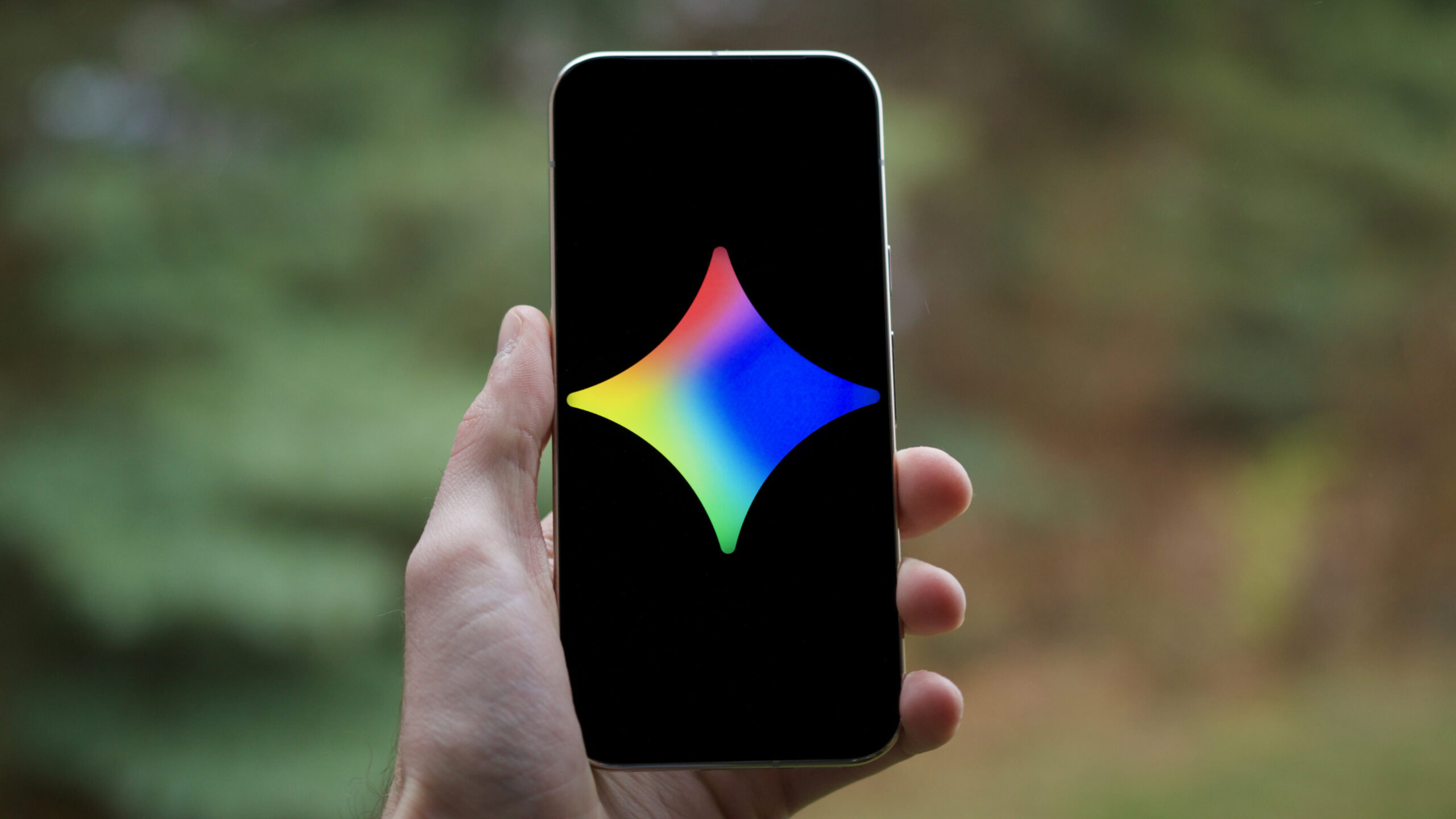
Android malware is now using Gemini AI to adapt in real time (Updated: Google statement)
A significant development in the realm of mobile security has been observed, potentially marking a new era for Android threats. According to a concise but impactful report from Android Authority, the landscape of malicious software targeting Android devices may have just undergone a fundamental transformation, indicating that these threats could be entering an entirely new phase driven by artificial intelligence.
Key takeaways
- Android threats are potentially evolving into an "AI phase," signifying a major shift in the mobile security landscape.
- This evolution suggests that future malware could become more sophisticated, adaptive, and challenging to detect using traditional security methods.
- The specific mechanisms, such as the use of particular AI models like Gemini, real-time adaptation capabilities, or any official statements from Google, are not detailed in the currently available source information.
- Users and security professionals face a heightened need for vigilance and advanced defensive strategies as AI-driven threats could present unprecedented challenges.
- The development underscores the critical, ongoing arms race between cybercriminals leveraging new technologies and the cybersecurity industry working to protect users.
What happened
The core of this emerging security concern stems from a recent observation reported by Android Authority. The publication succinctly notes that "Android threats may have just entered a new AI phase." This statement, while brief, carries substantial weight within the cybersecurity community. It suggests a qualitative leap in the capabilities of malicious software designed to compromise Android devices.
The implication of an "AI phase" is that threat actors are no longer relying solely on pre-programmed, static malware. Instead, they might be integrating artificial intelligence algorithms to create more dynamic, evasive, and potentially self-improving threats. This shift could fundamentally alter how Android malware is developed, deployed, and how it interacts with target systems and security defenses.
It is crucial to emphasize that the source material provided is limited to this singular observation. While the article's headline alludes to specific AI technologies such as Gemini and attributes like real-time adaptation, the underlying source content from Android Authority does not elaborate on these particular details. The current information points to a general entry into an "AI phase" for Android threats, indicating a broad trend rather than specific, confirmed instances of particular AI models in use for malicious purposes.
Why it matters
The prospect of Android threats entering an "AI phase" represents a paradigm shift that could have far-reaching implications for billions of Android users worldwide and the broader mobile technology ecosystem. The integration of artificial intelligence into malware could empower cybercriminals with capabilities previously unattainable, presenting significant challenges for traditional cybersecurity measures.
Enhanced Adaptability and Evasion: Malware leveraging AI could possess the ability to adapt its behavior dynamically in response to detected security protocols, user actions, or environmental changes. This adaptive capability would make it significantly harder for static signature-based detection systems to identify and neutralize threats. An AI-driven malicious entity might learn from its environment, evolve its attack vectors, and even modify its own code to evade detection, leading to more persistent and sophisticated attacks.
Sophisticated Social Engineering: AI could be used to generate highly convincing phishing attempts, tailored social engineering messages, and deceptive content. By analyzing user data, an AI could craft messages that are more personalized and persuasive, significantly increasing the likelihood of successful compromises through human vulnerability. This could manifest in more believable fake apps, deceptive pop-ups, or highly personalized scam messages that bypass common user skepticism.
Automated Exploitation and Discovery: AI could potentially automate the discovery of new vulnerabilities or exploit existing ones more efficiently. Instead of manual reconnaissance, AI algorithms could scan for weaknesses in real-time, allowing threat actors to launch targeted attacks with unprecedented speed and precision. This could shrink the window of opportunity for developers to patch vulnerabilities before they are widely exploited.
Increased Scale and Speed of Attacks: The automation offered by AI could enable attackers to launch campaigns on a much larger scale and at a faster pace. A single, AI-powered malware strain could potentially manage vast networks of compromised devices or orchestrate complex, multi-stage attacks more autonomously than human operators ever could.
Challenges for Cybersecurity Professionals: For security researchers and defenders, an "AI phase" means a dramatic escalation of the arms race. Developing countermeasures against adaptive, evolving AI threats will require equally advanced AI-driven defensive systems. The complexity of analyzing and mitigating such threats could increase substantially, demanding new tools, methodologies, and a deeper understanding of adversarial AI.
Erosion of Trust: A sustained wave of highly sophisticated, AI-powered Android threats could erode user trust in the security of their mobile devices and the digital services they access. This could have broader economic and societal implications, impacting everything from mobile banking to personal communication.
In essence, the move towards an "AI phase" for Android threats is not merely an incremental improvement in malware capabilities; it suggests a fundamental redefinition of the threat landscape, demanding a comprehensive re-evaluation of current mobile security strategies.
Key details / context
The observation from Android Authority—that "Android threats may have just entered a new AI phase"—signals a potentially transformative period for mobile cybersecurity. However, the provided source information is concise, leaving many specific details about this development to be inferred or further investigated by the broader security community.
Lack of Specific AI Model Information: It is critical to reiterate that the source does not specify which artificial intelligence models or frameworks are being leveraged by Android threats. While the article's headline references "Gemini AI," the provided source content does not contain any information to confirm the involvement of Google's Gemini or any other particular large language model (LLM) or machine learning framework in malicious activities. The "AI phase" refers to the general integration of artificial intelligence capabilities, not necessarily a specific product or technology.
Absence of Real-Time Adaptation Mechanisms: Similarly, the source does not detail how these Android threats are achieving "real-time adaptation." This could encompass a range of techniques, from on-device machine learning for polymorphic behavior to cloud-based AI determining attack strategies. Without further information, the exact mechanisms remain speculative. Such adaptation could involve changing file signatures, altering network communication patterns, or dynamically adjusting social engineering lures based on victim interaction, but these are general possibilities, not confirmed facts from the source.
No Google Statement Provided: Furthermore, the provided source content does not include any updated statements or official responses from Google regarding this development. Any mention of a "Google statement" in the headline is not supported by the brief source material. This means that while the implications are significant, there's no official confirmation or detailed response from major industry players within the scope of the provided information.
General Context of AI in Cybersecurity: The broader context is that artificial intelligence and machine learning have been increasingly integrated into both defensive and offensive cybersecurity strategies. On the defensive side, AI helps detect anomalies, identify new malware strains, and automate incident response. On the offensive side, researchers have long explored how AI could generate adversarial examples, automate vulnerability discovery, and enhance social engineering. The notion of an "AI phase" for Android threats aligns with this general trend of technology adoption by both white-hat and black-hat actors.
Android's Open Ecosystem: Android's open-source nature and vast app ecosystem, while offering flexibility and innovation, also present a large attack surface. The sheer volume of devices and diverse user base make it an attractive target for threat actors. The potential introduction of AI-driven capabilities into this environment could exponentially complicate security efforts, requiring developers, platform providers, and users to continuously upgrade their defenses and awareness.
What happens next
The assertion that Android threats may have just entered a new AI phase demands a proactive and multi-faceted response from the entire mobile security ecosystem. While specific details remain scant from the initial report, the general implications necessitate immediate attention and long-term strategic planning.
Intensified Security Research and Monitoring: Cybersecurity firms and researchers will undoubtedly intensify their efforts to monitor the Android threat landscape for concrete evidence and specific examples of AI-driven malware. This will involve developing advanced analytical tools capable of identifying adaptive and evolving threats that might bypass traditional detection methods. The focus will shift towards behavioral analysis, anomaly detection, and potentially leveraging AI in defensive strategies to combat adversarial AI.
Platform Enhancements and Updates: Google, as the steward of the Android platform, will likely continue to prioritize and enhance its built-in security features. This could include further strengthening Google Play Protect, improving app vetting processes, and releasing more frequent security patches to mitigate new forms of AI-enabled exploitation. The development of AI-aware security frameworks within the Android operating system itself could become a critical area of focus.
Developer Responsibility: App developers will need to adopt more rigorous security practices, including secure coding, regular vulnerability assessments, and prompt updates. Ensuring the security of third-party libraries and SDKs will also be paramount, as these can serve as unwitting vectors for sophisticated attacks.
User Education and Vigilance: End-users play a vital role in mobile security. Elevated awareness campaigns will be crucial to educate users about the evolving nature of AI-powered threats. This includes reinforcing best practices such as:
- Downloading apps only from trusted sources like the Google Play Store.
- Exercising extreme caution with unsolicited messages, links, and attachments.
- Regularly updating their Android operating system and applications.
- Using reputable mobile security solutions.
- Being skeptical of overly personalized or urgent requests.
Regulatory and Policy Considerations: As AI becomes more integral to cyber warfare, governments and regulatory bodies may also need to consider new policies and frameworks to address the ethical and security implications of AI in both defensive and offensive contexts. International collaboration will be key to combating globally distributed AI-powered threats.
Ultimately, the path forward involves a continuous, collaborative effort across all stakeholders—from platform providers and developers to security researchers and end-users—to stay ahead of an increasingly sophisticated and potentially AI-enhanced threat landscape. The initial observation serves as a crucial early warning, prompting the cybersecurity community to prepare for a new frontier in mobile device protection.
FAQ
Q: What does it mean for "Android threats" to enter an "AI phase"? A: It means that malicious software targeting Android devices may now be incorporating artificial intelligence or machine learning capabilities. This could make threats more dynamic, adaptive, evasive, and sophisticated, allowing them to learn, evolve, and bypass traditional security measures more effectively.
Q: Does the source confirm that Android malware is specifically using Google's Gemini AI or adapting in real time? A: No, the provided source information from Android Authority states broadly that "Android threats may have just entered a new AI phase." It does not offer specific details about the involvement of particular AI models like Gemini, the mechanisms of real-time adaptation, or any official statements from Google. These specifics are not detailed in the source content.
Q: How can Android users protect themselves against these evolving threats? A: Users should maintain vigilance by only downloading apps from official stores, being wary of suspicious links or messages, keeping their operating system and apps updated, and utilizing reputable mobile security software. Staying informed about the latest security advisories is also crucial.
Related articles

Apple Unveils iPhone Duo: Pricey Foldable Sees Soaring Demand
Apple has officially entered the foldable smartphone arena with the long-anticipated launch of the iPhone Duo. Priced starting at a hefty $1,999, the device features a 5.4-inch outer display and a larger 7.6-inch inner
Android 17 QPR2 Beta 7.1: The Performance Relief You've Been Waiting
Android 17 QPR2 Beta 7.1: Finally Fixing the QPR1 Performance Woes Verdict: Android 17 QPR2 Beta 7.1 is a crucial and highly anticipated software update for Google Pixel users, specifically targeting and resolving the

Ditch Merge & Center: The Better Way to Align Text in Excel
Learn to use Excel's "Center Across Selection" to align text across cells without merging, avoiding common data manipulation issues. This guide provides steps to utilize this newly accessible feature and add it to your Quick Access Toolbar.

regional: A two-person Seattle startup lands $1M to reinvent
Seattle startup TriMagnetix has secured $1 million to develop semiconductor chips that consume 800 times less energy and are radiation-resistant. The two-person company, leveraging nanomagnetic technology, is targeting space applications and data centers. With new funding and key partnerships, TriMagnetix aims for commercial sales within a year.

Enterprise AI Beyond Chatbots: A Vision for Actionable Intelligence
Quick Verdict: Redefining Enterprise AI's Potential TechRadar Pro's opinion piece, "What it takes to move enterprise AI beyond the chatbot," delivers a refreshingly honest and vital perspective on the current state and

regional: ‘What is fusion?’ Helion Energy harnesses the power of
Helion Energy, the Everett-based fusion startup, gained mainstream attention this week after being featured as a clue on the popular game show "Jeopardy!". The $800 clue, part of a "Y Combinator" category, highlighted Helion's mission to build the first fusion power plant, bringing the concept of clean energy to a wider audience. CEO David Kirtley celebrated the "surreal" moment as a sign that reliable clean power is becoming more accessible.