
Android's New Sideloading Rules: A 24-Hour Reality Check
Verdict Google's new sideloading rules, featuring a mandatory 24-hour lock for unverified apps, are a seismic shift designed to prioritize user safety over traditional Android openness. While a frustrating hurdle for
Verdict
Google's new sideloading rules, featuring a mandatory 24-hour lock for unverified apps, are a seismic shift designed to prioritize user safety over traditional Android openness. While a frustrating hurdle for power users and independent developers, these 'high-friction' steps are a direct response to rampant scams, forcing users to slow down and genuinely consider the risks. It’s an unavoidable trade-off for a platform used by billions, but one that will undoubtedly annoy a dedicated segment of its user base.
The Sideloading Shake-Up: What's Changing?
For years, Android has been lauded for its flexibility, allowing users to install apps from virtually any source, not just the official Play Store. This practice, known as sideloading, is a cornerstone of the platform's open ecosystem. However, Google is now introducing a significant overhaul to this process, particularly for apps originating from 'unverified' developers. This isn't a minor update; it's a fundamental re-engineering of how non-Play Store apps can be installed, introducing deliberate friction and a brand-new mandatory 24-hour waiting period.
The core of this change is what Google terms the 'advanced flow' for sideloading. It's a multi-step, intentionally slow process aimed at deterring impulsive installations and combating sophisticated scam tactics. Google’s goal is clear: protect the growing majority of Android users who might be vulnerable to coercion or deceit, even if it means making life a bit harder for those who know what they're doing.
Navigating the New High-Friction Flow
If you're accustomed to quickly grabbing an APK from a trusted third-party site, get ready for a significant change of pace. Installing apps from developers not verified by Google will now involve a series of deliberate steps, culminating in a mandatory one-day delay. Here’s a breakdown of what to expect:
- Enable Developer Mode: The days of a simple toggle are gone. You’ll need to manually enable developer options, adding an initial layer of intentional friction.
- Confirm No Coercion: Android will now explicitly ask if someone is guiding you through disabling device protections. This is a direct countermeasure against social engineering scams.
- Restart Your Phone: A mandatory reboot serves a crucial purpose: it cuts off active calls, remote access, or screen-sharing sessions that scammers often rely on to guide victims.
- Wait 24 Hours: This is the big one. After completing the initial steps, you'll face a mandatory, one-time, one-day waiting period. Google calls this a "protective waiting period," designed to break the urgency scammers create.
- Re-authenticate: Once the 24 hours are up, you'll need to use biometric authentication (like a fingerprint scan) or your PIN to confirm it's genuinely you trying to proceed. This ensures the original urgency of the scam has passed and gives you time to reflect.
- Finally, Install the App: Only after all these hurdles can you sideload the app. Even then, you’ll have the option to allow installs for a limited seven-day period or indefinitely. Within that seven-day window, you can install multiple apps from various unverified developers without repeating the 24-hour wait.
Even after successfully navigating this labyrinth, Android will still present a final warning that the app is from an unverified developer, giving you one last chance to tap "Install anyway."
The 'Why': Safety Over Openness
Google's rationale behind these restrictive measures is rooted in the platform's evolution. As Google's President of the Android Ecosystem, Sameer Samat, articulated, "You want a platform to be open, but you need a platform to be safe." Android is no longer just a platform for enthusiasts; it's the primary computing device for billions globally.
The company acknowledges that traditional warnings against malicious apps, while present, are often insufficient in high-pressure scam scenarios. Attackers frequently leverage social engineering tactics, fabricating urgency with calls about legal trouble or emergencies to manipulate victims into disabling protections and installing harmful software. The new system is specifically engineered to disrupt these cycles.
The restart step severs the scammer's connection, while the 24-hour delay directly attacks the manufactured urgency that is critical to these schemes. Google even admitted that the 24-hour wait isn't just about stopping scams; it's also about what users will tolerate, claiming they worked with power users to find a delay that's "annoying, but not deal-breaking."
User Experience: A Double-Edged Sword
For the vast majority of Android users who exclusively stick to the Play Store, these changes will be entirely invisible. Your experience remains unaffected. However, for those who rely on third-party app stores, manually install APKs from forums, or use niche apps from independent developers, the experience will transform from frictionless convenience to a test of patience.
Pros:
- Enhanced Safety: The primary benefit is a significant bolster to user security, particularly for those less tech-savvy or more vulnerable to social engineering. It makes it much harder for scammers to coerce immediate, irreversible actions.
- Breaks Scam Cycles: The deliberate delays and required re-authentication are excellent countermeasures against time-sensitive scams.
- Increased Awareness: The explicit steps and warnings aim to force users to truly consider the risks before proceeding, rather than mindlessly tapping through prompts.
Cons:
- Annoying Friction: For power users and developers, this is an undeniable downgrade in convenience. What was once a quick process now demands multiple steps and a full day's wait.
- Reduced Openness: While not entirely closed, Android's long-standing reputation for ultimate openness takes a hit. The added hurdles could be perceived as Google exerting more control over app distribution.
- Hindrance for Legitimate Use Cases: Developers distributing beta apps, specialized tools, or limited-run projects may find it significantly harder to get their apps into users' hands without going through full Google verification.
Developer Verification and the Future
These sideloading changes are part of a broader strategy by Google to require Android app developers to verify their identity. The goal is to link apps to known developers, making it easier to identify and hold accountable bad actors. As Samat noted, knowing "who it’s from" is crucial for users to make informed decisions about trust.
There are limited exceptions for 'limited distribution apps'—think student projects or hobby apps—which can be shared with up to 20 devices without full verification. However, for broader distribution outside the Play Store, developer verification will become increasingly important.
The new advanced sideloading flow for users is set to roll out in August, ahead of the full developer verification requirements. Google states they are listening to feedback and that the rollout is meant to evolve. However, for developers and users invested in alternative app distribution, this marks a substantial shift in the Android ecosystem.
Who Are These Changes For?
If you're an everyday Android user who primarily downloads apps from the Google Play Store, these changes won't impact you at all. Your experience remains seamless and secure.
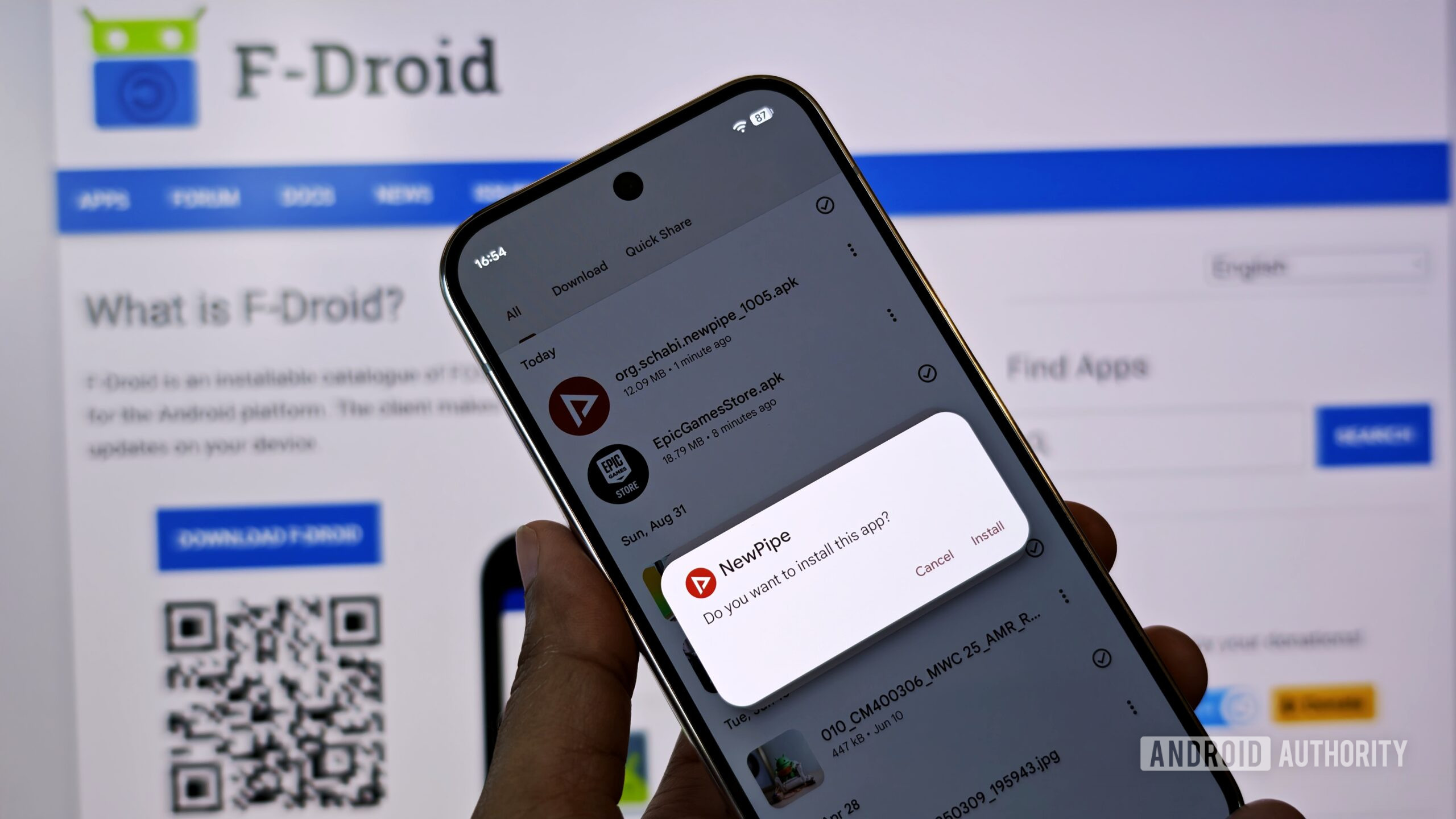
However, if you frequently install APKs manually, use alternative app stores (like F-Droid or specific game launchers), or participate in beta programs from unverified developers, you will now face a significantly more arduous process. You'll need to weigh the convenience of immediate installation against the added security measures. For developers, this creates a strong incentive to verify their identity with Google to provide a smoother installation experience for their users.
Ultimately, these rules represent Google's acknowledgment of Android's massive scale and the increasing sophistication of online threats. While the power user community might feel a pang of nostalgia for the wilder, freer days of Android, Google is clearly betting that the increased safety benefits for the billions outweigh the diminished convenience for the few.
FAQ
Q: Will I have to wait 24 hours every time I sideload an app?
A: No, the 24-hour waiting period is a one-time process for enabling sideloading from unverified developers. Once you've completed it, you can install as many apps as you like from various unverified developers within a seven-day window, or indefinitely if you choose that option. You'll only need to repeat the full flow if you disable sideloading or after the seven-day period expires.
Q: What does 'unverified developer' mean, and how does it affect me?
A: An 'unverified developer' is one who has not completed Google's identity verification process. If you download an app from such a developer (e.g., from a website, not the Play Store), you'll encounter the new, more restrictive 24-hour sideloading flow. Developers who verify their identity with Google will likely allow their apps to bypass this 'advanced flow,' offering a smoother installation experience for users.
Q: When will these new sideloading rules take effect?
A: The new advanced sideloading flow for users is expected to be available in August. This will precede the full implementation of Google's new developer verification requirements.
Related articles
Android 17 QPR2 Beta 7.1: The Performance Relief You've Been Waiting
Android 17 QPR2 Beta 7.1: Finally Fixing the QPR1 Performance Woes Verdict: Android 17 QPR2 Beta 7.1 is a crucial and highly anticipated software update for Google Pixel users, specifically targeting and resolving the

DJI Solo Video Setups: Smart Choices for Lone Creators
This review delves into DJI's recommended solo video setups, highlighting the Osmo Pocket 3 Creator Combo as a top pick for its integrated camera, gimbal, and mic. It also covers stabilizers like the Osmo Mobile 8 and RS 4, and the DJI Mic Mini series for enhanced audio, providing honest pros, cons, and clear buying advice.

Ars Technica's Rocket Report: Your Essential Space Industry Briefing
Quick Verdict Ars Technica's Rocket Report, presented by veteran space reporter Stephen Clark, offers an invaluable and meticulously organized weekly (or similar frequency, implied by "Edition 9.15") digest of the most

Apple iPhone Duo: A Daring Debut with Notable Compromises
Apple's highly anticipated iPhone Duo, priced at $2,000, has gone on pre-order. While hailed as "Apple's most exciting device in a decade" for its innovative foldable design and immersive display, it comes with significant drawbacks like the absence of FaceID and a premium camera.
KDE Plasma 6.8: A Future-Focused 30th Anniversary Update
Quick Verdict KDE Plasma 6.8, arriving as the "30th Anniversary Edition," is a pivotal release that decisively pushes the desktop environment into the future. With a definitive farewell to native X11 sessions and a

Kojima Compares Divisive New Film 'Digger' to MGS2's Prescient Vision
Gaming icon Hideo Kojima has praised the divisive 2026 film *Digger*, drawing intriguing parallels to his own prophetic game, *Metal Gear Solid 2*. Both works, he explains, uniquely explore the dangers of misinformation and a fragmented digital reality, anxieties he shares with *Digger*'s director, Alejandro González Iñárritu.