
AI Music Hits a Crescendo: Innovation, Regulation, and Rights Collide
The AI music landscape is rapidly advancing, with new generative tools like Suno v5.5 offering enhanced customization. Simultaneously, the industry grapples with evolving legal frameworks, as major labels pivot from lawsuits to strategic partnerships. Platforms are reacting with bans, like Bandcamp's, or new transparency measures.

The AI music landscape is evolving at an unprecedented pace, marked by significant technological advancements, pivotal industry partnerships, and intensifying legal and ethical debates. Recent weeks have seen Suno release a major update enhancing user control, Bandcamp become the first major platform to ban AI-generated content, and streaming services implement new transparency measures or detection tools, signaling a critical juncture for artists, labels, and tech developers alike.
Suno, a prominent AI music generator, has rolled out its v5.5 model, emphasizing user customization. This update introduces "Voices" for training the model on individual vocal tones, "My Taste" for personalized genre suggestions, and "Custom Models" for deeper creative control. The feature requiring voice verification highlights growing concerns about impersonation. Concurrently, Google is bolstering its AI music capabilities by integrating DeepMind's Lyria 3 into its Gemini app, allowing users to generate 30-second tracks from various inputs. Google also acquired ProducerAI, a platform previously endorsed by The Chainsmokers, to further develop AI-driven music production tools under Google Labs. Even ElevenLabs, known for its voice AI, released an album to promote its commercially cleared music generator, stressing artist ownership and revenue.
The music industry's stance on AI has dramatically shifted from outright hostility to strategic partnerships. After suing AI companies for copyright infringement, Universal Music Group (UMG) now partners with Nvidia to leverage its Music Flamingo AI model. Warner Music Group (WMG) forged a licensing deal with Suno, enabling users to create AI music using likenesses of opt-in artists, with promises of "full control." Despite collaborations, copyright infringement looms, with ongoing lawsuits against Suno and Udio by major labels and independent artists. Musicians widely express frustration over AI clones and predatory practices, while an $8 million AI music streaming fraud case highlights potential for abuse.
Bandcamp, known for its artist-centric approach, became the first major platform to explicitly ban "wholly or in substantial part" AI-generated content, including impersonations, encouraging user reports. Other platforms pursue transparency. Apple Music introduced "Transparency Tags" — a voluntary metadata system for artists and labels to disclose AI usage in tracks, compositions, artwork, and music videos. Meanwhile, Deezer and Qobuz are taking proactive steps. Deezer, which has tagged over 13.4 million AI songs with 99.8% accuracy, now offers its detection tool commercially. Qobuz also automatically labels AI content, affirming a "human-first" approach to curation.
The public's ability to discern AI-generated music from human-made tracks remains contentious. A Deezer-Ipsos survey found 97% of people struggled to identify fully AI-generated music, though the study's strict methodology might overstate this. Beyond detection, the fundamental question of whether AI outputs constitute "art" persists. Suno's CEO, Mikey Shulman, controversially claims text-prompting is "really active" creation, met with skepticism. AI's pervasive influence now touches everything from sample sourcing and demo recording to digital liner notes and playlist generation, prompting fears of "slop" marginalizing human artists.
The dynamic tension between AI's creative potential and its disruptive impact on traditional music creation, artist livelihoods, and intellectual property rights continues to define the industry's future. The coming years will likely see further technological refinement, continued legal battles, and an ongoing quest for sustainable models that balance innovation with ethical responsibility.
FAQ
Q: Are major music labels against all AI music?
A: Not entirely. While major labels like UMG, Sony, and Warner initially sued AI music generators for copyright infringement, they have since pivoted to partnerships, such as UMG with Nvidia and WMG with Suno, indicating a strategy to integrate AI under controlled, licensed terms.
Q: Can streaming services detect AI-generated music?
A: Yes, some streaming services are actively implementing detection and labeling systems. Deezer claims its tool can detect AI songs with 99.8% accuracy and offers it commercially. Qobuz also automatically detects and labels AI content, while Apple Music has introduced voluntary "Transparency Tags" for artists and labels to use.
Q: What is the biggest concern musicians have about AI music?
A: Musicians are increasingly frustrated by the proliferation of AI clones and impersonations, often describing it as "bullshit" or "predatory." There are also widespread fears that the sheer volume of AI-generated "slop" could dilute the market and negatively impact the livelihoods of working artists through copyright infringement and unfair competition.
Related articles

Tesla Unveils Thruster-Equipped Roadster, 2028 Production Targeted
Tesla has unveiled its second-generation Roadster, featuring cold-gas thrusters co-developed with SpaceX, enabling it to jump and flip. The electric sports car demonstrated 0-60mph in an astonishing 0.81 seconds, with production targeted for 2028. This highly anticipated reveal also serves as a key recruitment tool for Tesla's ambitious AI and robotics initiatives.

Amazon Prime Video Launches AI-Powered Prime 360 for NBA Coverage
Amazon Prime Video is elevating its NBA coverage with the introduction of Prime 360, an AI-powered replay system offering immersive, 'fly through' views of the action. Kicking off its second season, Prime Video also adds Yahoo fantasy integration and gains exclusive Eastern Conference Finals rights, expanding its tech-driven sports broadcast. The new features aim to deliver a unique and interactive viewing experience for basketball fans.
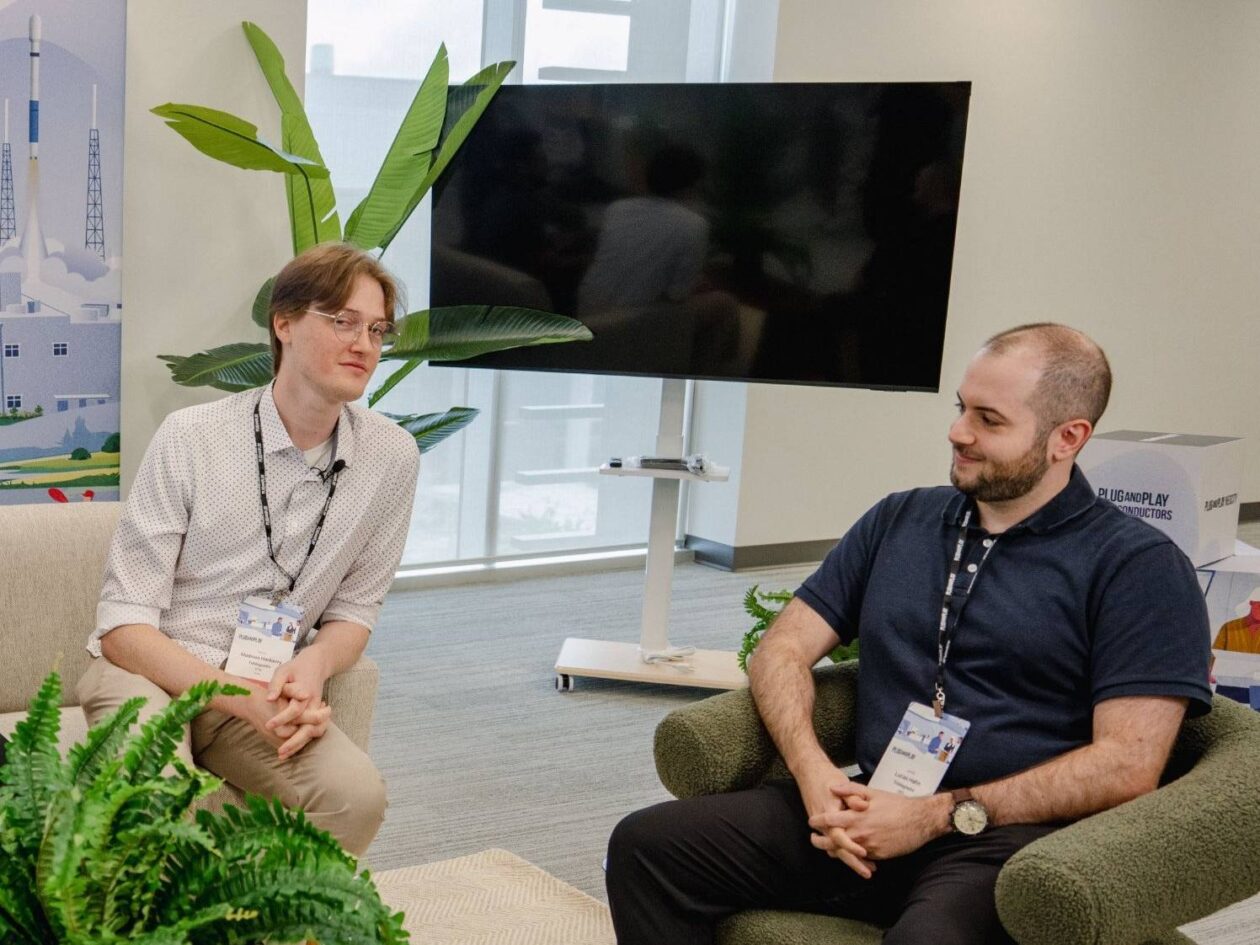
regional: A two-person Seattle startup lands $1M to reinvent
Seattle startup TriMagnetix has secured $1 million to develop semiconductor chips that consume 800 times less energy and are radiation-resistant. The two-person company, leveraging nanomagnetic technology, is targeting space applications and data centers. With new funding and key partnerships, TriMagnetix aims for commercial sales within a year.
%20102026%20top%20art%20SOURCE%20Govee.jpg)
in-depth: The Best Permanent Outdoor Lights (2026): Govee, Eufy
WIRED, a leading voice in technology journalism, has just released its updated guide for 2026 on the best permanent outdoor lights, spotlighting top contenders Govee, Eufy, and Cync. These innovative eave lights are
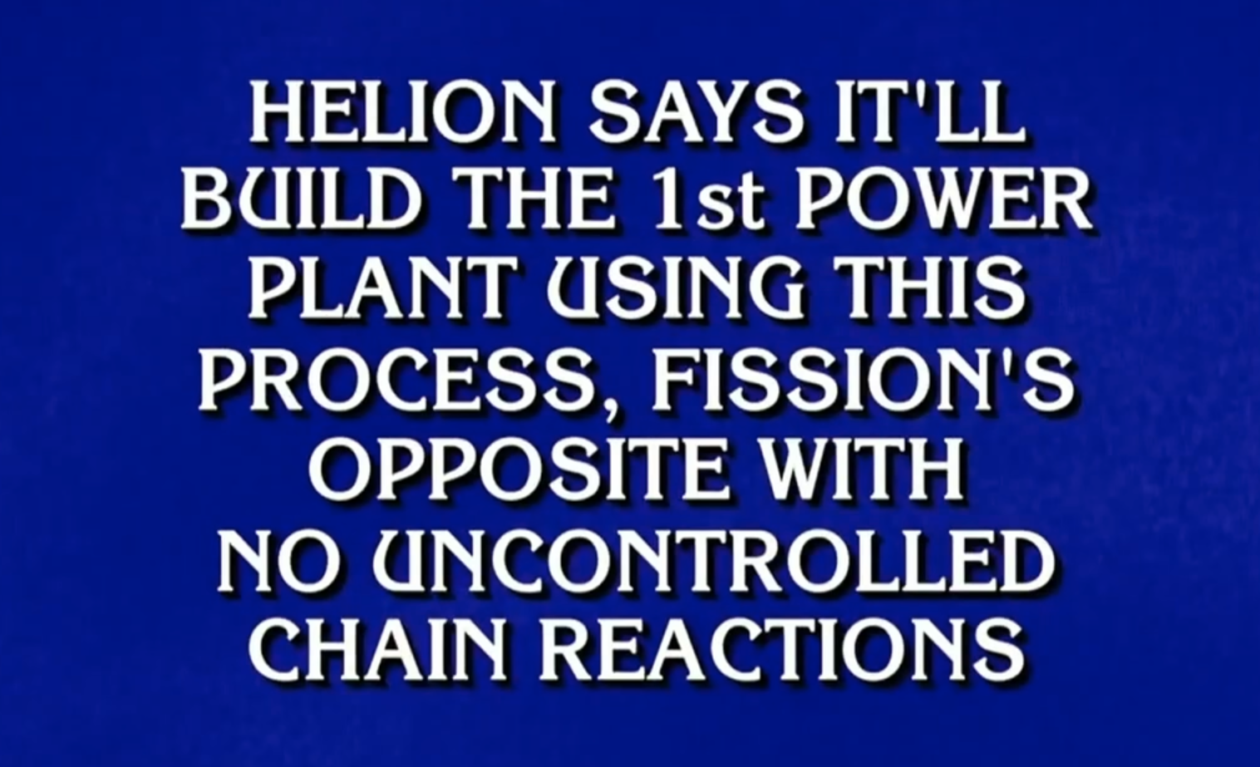
regional: ‘What is fusion?’ Helion Energy harnesses the power of
Helion Energy, the Everett-based fusion startup, gained mainstream attention this week after being featured as a clue on the popular game show "Jeopardy!". The $800 clue, part of a "Y Combinator" category, highlighted Helion's mission to build the first fusion power plant, bringing the concept of clean energy to a wider audience. CEO David Kirtley celebrated the "surreal" moment as a sign that reliable clean power is becoming more accessible.

Prototype Racing 2030: A Unified Future Driven by Software
Prototype racing is heading towards a unified, LMDh-based rule set by 2030, promising greater stability, cost-effectiveness, and a focus on software-driven innovation for OEMs, despite current economic challenges.