
60-60 Rule: Essential Guide for Headphone Hearing Health
Verdict: Your Ears (and Brain) Will Thank You In an age where headphones are practically an extension of ourselves, the ZDNET article on the 60-60 rule delivers a crucial, timely reminder: our hearing health is

Verdict: Your Ears (and Brain) Will Thank You
In an age where headphones are practically an extension of ourselves, the ZDNET article on the 60-60 rule delivers a crucial, timely reminder: our hearing health is paramount, and it's easier to protect than we might think. This isn't a review of a new gadget, but rather an endorsement of a vital best practice, amplified by the intelligent features baked into our modern devices. Adopting the 60-60 rule, coupled with leveraging your smartphone and headphone's built-in safeguards, is a non-negotiable step toward safeguarding your future auditory and cognitive well-being. It's a low-effort, high-reward strategy that every headphone user should integrate into their daily routine.
Understanding the 60-60 Rule: The Core Principle
At its heart, the 60-60 rule is elegantly simple: listen to audio through headphones at no more than 60% of your device's maximum volume for a duration of no longer than 60 minutes at a stretch. After each 60-minute listening period, take a break from your headphones to allow your ears to rest. The science behind this rule is compelling and sobering: sustained exposure to sounds at or above 85 decibels (dBA), roughly equivalent to a gas-powered lawnmower, can inflict permanent damage on the delicate hair cells within your cochlea. These microscopic cells, responsible for converting sound vibrations into signals your brain interprets, do not regenerate once destroyed. This means any damage incurred is irreversible.
The article emphasizes that while sporadic exposure to loud environments like concerts warrants hearing protection, the insidious threat comes from the constant, everyday use of headphones at excessive volumes. This frequent exposure can accelerate hearing loss, leading to more pronounced impairment at a younger age. Therefore, understanding and adhering to the 60-60 rule is not just about avoiding immediate discomfort, but about making a long-term investment in your health.
Device Features: Your Built-in Hearing Guardians
One of the most encouraging aspects highlighted in the ZDNET piece is how many contemporary tech devices are already equipped to help us follow these guidelines. High-end headphones and earbuds often integrate companion apps that can monitor listening habits. These apps can issue notifications when you've been listening too loudly for too long, with some even capable of automatically reducing the volume to safer levels. This proactive assistance significantly lowers the barrier to adherence, transforming a potentially inconvenient self-monitoring task into an almost effortless one.
Smartphones, regardless of brand, are increasingly central to this protective ecosystem. Google Pixel, Samsung Galaxy, and Apple iPhones all offer dedicated health features designed to track and manage headphone audio levels. The article specifically details how iPhones can log audio levels for every connected headphone, with particular accuracy noted when paired with Apple's own AirPods. Furthermore, the integration with wearables like the Apple Watch extends this protection, enabling real-time environmental noise monitoring. The example of an Apple Watch recording 114 dBA at a football game, and subsequently warning the wearer, powerfully illustrates the utility of these features. Knowing that merely 15 minutes at such a volume can cause damage underscores the importance of these alerts.
The Role of Noise Cancellation (ANC)
Active Noise Cancellation (ANC) is often perceived as a premium feature for enhanced audio immersion, but the article clarifies its crucial role in hearing protection. While experts caution against using ANC as a substitute for traditional hearing protection (like earplugs or earmuffs) in extremely loud environments such as factories or construction sites, it serves as a valuable ally in everyday scenarios. By significantly reducing ambient noise, ANC discourages users from cranking up their headphone volume to drown out external distractions.
This is a key takeaway: ANC doesn't protect your ears from your own headphones, but rather reduces the need to increase headphone volume. The ZDNET editor's personal experience at a noisy gym, where AirPods' ANC provided 27 dBA of protection, allowed them to maintain a safe listening level below 85 dBA. This demonstrates ANC's practical benefit in helping users naturally stay within safer listening thresholds, making it a complementary technology to the 60-60 rule rather than a standalone solution.
Pros and Cons of Adopting the 60-60 Rule
Adopting the 60-60 rule, particularly with the aid of modern tech, comes with significant advantages and a few considerations:
Pros:
- Prevents Irreversible Hearing Damage: The most critical benefit is safeguarding your inner ear's delicate hair cells, preventing permanent and untreatable hearing loss.
- Supports Long-Term Cognitive Health: Hearing impairment is a modifiable risk factor for dementia, making hearing preservation a key component of overall brain health.
- Leverages Existing Device Features: Modern smartphones and headphones often have built-in monitoring, notification, and even automatic volume adjustment features that make adherence straightforward.
- ANC as an Enabler: Active Noise Cancellation helps reduce ambient noise, thereby reducing the temptation to listen at excessively high volumes in noisy environments.
- Increased Awareness: Regular alerts from devices foster greater awareness of personal listening habits and the risks involved.
Cons:
- Potential for Disruption: For some users, taking a 10-minute break every hour might disrupt workflow, concentration, or immersion in media.
- Requires Discipline: While devices help, the ultimate responsibility for following the rule and heeding warnings rests with the user.
- Ecosystem Dependence: The most robust and integrated health tracking features often work best within a single manufacturer's ecosystem (e.g., Apple iPhone and AirPods), potentially offering a less seamless experience for mixed-brand setups.
- ANC Limitations: It's vital to remember that ANC is not a substitute for industrial-grade hearing protection in very high-decibel environments.
Recommendation: Embrace Proactive Hearing Health
My recommendation is unequivocal: every headphone user should proactively adopt the 60-60 rule and actively utilize the hearing health features available on their smartphones and headphones. This isn't just a suggestion; it's a vital preventative measure for long-term health. The convenience offered by modern device integration removes many excuses for not adhering to these guidelines. Think of it as investing in your future self – ensuring you can continue to enjoy your favorite audio content and maintain clear communication for decades to come. Check your device's health or sound settings today, enable any available listening notifications, and make the 60-60 rule a habit. Your future self will indeed be grateful.
FAQ
Q: Is the 60-60 rule strictly necessary if my headphones have good active noise cancellation (ANC)?
A: Yes, the 60-60 rule remains important even with ANC. While ANC helps by reducing ambient noise, potentially allowing you to listen at lower volumes, it doesn't eliminate the need for breaks or completely protect against listening at excessive volumes for extended periods. ANC is a complementary tool that aids in adhering to the 60-60 rule by reducing the temptation to increase volume, but the rule itself (volume limit and listening duration) is still the primary guideline for preventing ear fatigue and damage.
Q: How can I easily track my listening volume and duration if my device doesn't have advanced health features?
A: Even without advanced, integrated health features, you can still follow the 60-60 rule manually. Most devices display a volume indicator, allowing you to estimate 60% of the maximum. For duration, you can simply use a timer on your phone or a smart speaker to alert you every 60 minutes to take a break. While not as seamless as automated tracking, consistent manual effort is still highly effective in protecting your hearing.
Q: Does using earbuds versus over-ear headphones make a difference for the 60-60 rule?
A: The principle of the 60-60 rule applies to both earbuds and over-ear headphones. However, the ZDNET article notes that a 2022 study found using in-ear earbuds in noisy environments can reduce excessive recreational noise exposure. This might imply that earbuds, due to their closer proximity to the eardrum and often better passive noise isolation, can sometimes be used at slightly lower volumes than open-back over-ear headphones to achieve the same perceived loudness. Regardless of the type, the core recommendation of 60% volume and 60-minute intervals remains the safest approach.
Related articles
Android 17 QPR2 Beta 7.1: The Performance Relief You've Been Waiting
Android 17 QPR2 Beta 7.1: Finally Fixing the QPR1 Performance Woes Verdict: Android 17 QPR2 Beta 7.1 is a crucial and highly anticipated software update for Google Pixel users, specifically targeting and resolving the

DJI Solo Video Setups: Smart Choices for Lone Creators
This review delves into DJI's recommended solo video setups, highlighting the Osmo Pocket 3 Creator Combo as a top pick for its integrated camera, gimbal, and mic. It also covers stabilizers like the Osmo Mobile 8 and RS 4, and the DJI Mic Mini series for enhanced audio, providing honest pros, cons, and clear buying advice.
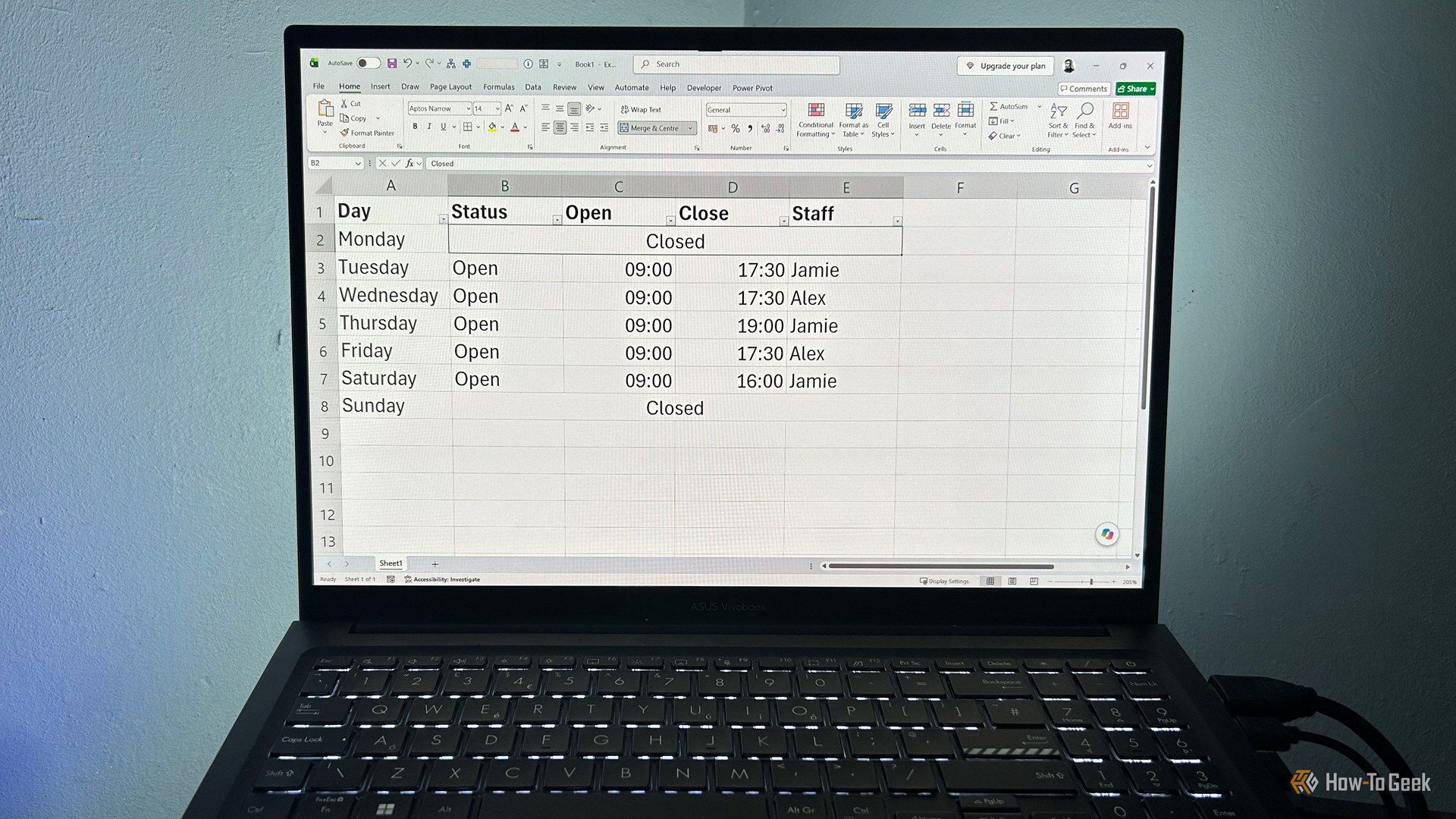
Ditch Merge & Center: The Better Way to Align Text in Excel
Learn to use Excel's "Center Across Selection" to align text across cells without merging, avoiding common data manipulation issues. This guide provides steps to utilize this newly accessible feature and add it to your Quick Access Toolbar.

Ars Technica's Rocket Report: Your Essential Space Industry Briefing
Quick Verdict Ars Technica's Rocket Report, presented by veteran space reporter Stephen Clark, offers an invaluable and meticulously organized weekly (or similar frequency, implied by "Edition 9.15") digest of the most
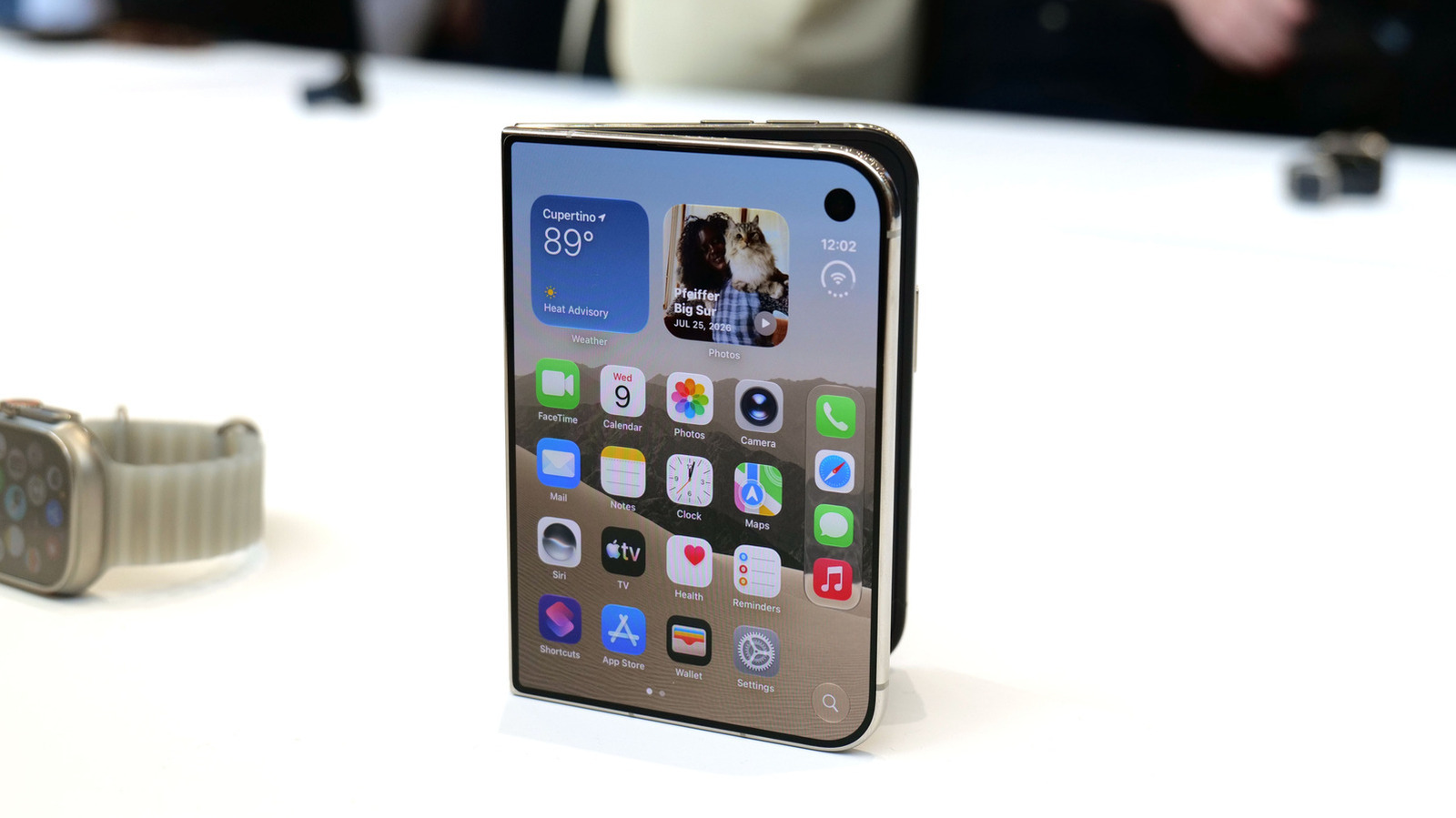
Apple iPhone Duo: A Daring Debut with Notable Compromises
Apple's highly anticipated iPhone Duo, priced at $2,000, has gone on pre-order. While hailed as "Apple's most exciting device in a decade" for its innovative foldable design and immersive display, it comes with significant drawbacks like the absence of FaceID and a premium camera.
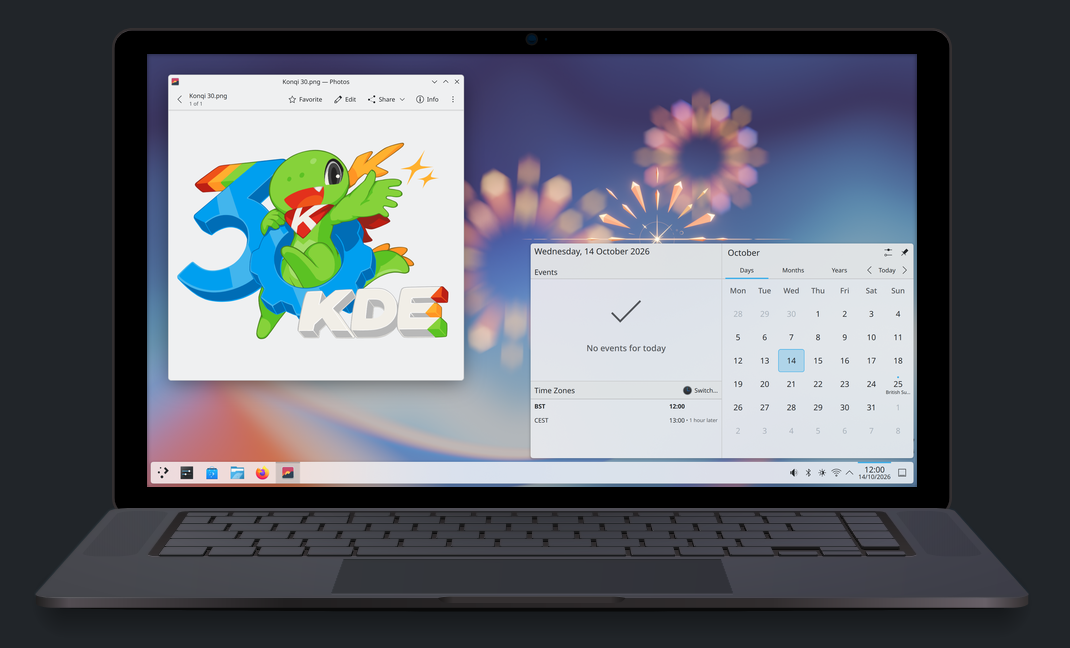
KDE Plasma 6.8: A Future-Focused 30th Anniversary Update
Quick Verdict KDE Plasma 6.8, arriving as the "30th Anniversary Edition," is a pivotal release that decisively pushes the desktop environment into the future. With a definitive farewell to native X11 sessions and a