
US Solar Power Surges 35%, Overtakes Hydro on National Grid
In 2025, US solar power generation achieved a significant milestone, growing by 35% to surpass hydroelectricity for the first time. Despite this renewable surge, overall electricity demand increased by 2.8%, leading to an unexpected 13% rise in coal consumption due to complex market dynamics affecting natural gas. Looking ahead, 2026 is projected to see substantial additions in solar and wind capacity, aiming to further integrate renewables into the national grid.
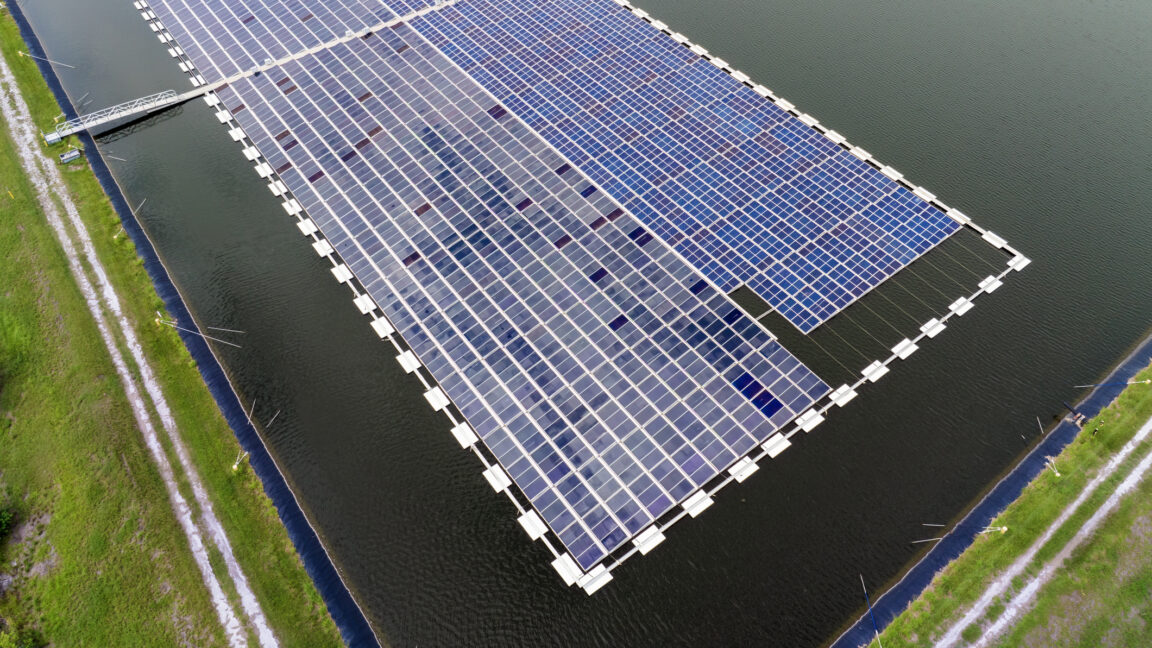
US Solar Power Surges 35%, Overtakes Hydro on National Grid
Key Takeaways
- Solar power grew by an astonishing 35% in 2025, surpassing hydroelectricity as a source of US grid electricity for the first time.
- Overall US electrical consumption rose by 2.8% (121 terawatt-hours) in 2025, partially met by increased use of coal.
- Complex market dynamics, including high natural gas costs and turbine delays, led to a 13% increase in coal-fired electricity generation.
- Planned projects for 2026 include significant additions of 43 GW of solar and 12 GW of wind capacity.
- The US grid is approaching a critical “pivot point” where renewable energy growth could consistently offset rising demand, supported by rapid battery storage expansion.
What Happened
The US Energy Information Administration (EIA) released full-year data for 2025, revealing a pivotal shift in the nation's electricity generation mix. Solar power demonstrated remarkable growth, generating 35% more electricity than the previous year. This surge allowed solar to surpass hydroelectric power, marking its debut as a larger contributor to the US grid.
Simultaneously, overall electrical consumption in the US increased by 2.8%, amounting to approximately 121 terawatt-hours. While solar's 85 terawatt-hours of additional utility-scale and small-scale generation covered about two-thirds of this rising demand, the remaining gap, coupled with a lack of new nuclear plants, necessitated reliance on fossil fuels. This led to a 13% rise in electricity generated from coal, which experienced an unexpected comeback.
Why It Matters
This data signifies a transformative period for the US energy landscape. Solar's ascension past hydroelectric power underscores the rapid economic viability and widespread adoption of photovoltaic technology. However, the accompanying rise in overall demand and the surprising resurgence of coal highlight persistent challenges in decarbonizing the grid.
The increase in demand, following decades of relative flatness, raises concerns about future energy needs, even as efficient technologies like heat pumps and electric vehicles gain traction. Furthermore, complexities in the fossil fuel market—such as rising natural gas costs due to high demand, long turbine delays, and increased competition from international liquefied natural gas (LNG) exports—have inadvertently made coal a more economically attractive option, offsetting some environmental progress.
Key Details / Context
Historically, US electrical consumption remained largely flat for several decades. The 2025 increase, while not yet a definitive long-term trend, points to the potential impact of factors like the electrification of transportation and the expansion of data centers.
In 2025, solar alone contributed 85 terawatt-hours of additional power. Including wind power, renewables covered 73% of the rising demand. The economic shift in fossil fuels was stark: natural gas, typically the go-to for increased demand, faced hardware delays up to seven years and increased prices due to international competition. This allowed coal, despite administrative actions ordering some plants to remain available, to become more competitive, leading to its 13% production increase. Overall, 2025 saw increased production from coal, solar, and wind, with the combined excess displacing natural gas generation.
What Happens Next
The future outlook for US electricity generation suggests continued strong growth in renewables. Despite policy headwinds, economic forces are driving substantial capacity additions. The EIA's analysis of planned projects for 2026 forecasts 43 GW of new solar capacity, significantly more than the 27 GW added in 2025. This will be complemented by 12 GW of new wind power, including over 10% from offshore projects previously targeted by administrative blocks, and the 3.6 GW largest US wind farm in New Mexico.
These additions position wind and solar to further outpace hydropower and likely exceed any potential increase in coal power. Combined with hydroelectricity, renewable energy sources are projected to approach nearly a quarter of the US electricity mix, assuming demand doesn't surge dramatically. Crucially, 24 GW of new battery storage capacity is also anticipated, much of it co-located with solar in California and Texas, enhancing grid stability and reducing renewable energy waste. While 6.3 GW of new natural gas generation is expected in 2026, nearly half (2.8 GW) consists of combustion turbines designed to compensate for renewable variability. The US is nearing a key “pivot point” where robust wind and solar growth could consistently meet or exceed demand increases, though rising coal use remains a challenge to carbon emission reduction goals.
Related articles

Amazon Prime Video Launches AI-Powered Prime 360 for NBA Coverage
Amazon Prime Video is elevating its NBA coverage with the introduction of Prime 360, an AI-powered replay system offering immersive, 'fly through' views of the action. Kicking off its second season, Prime Video also adds Yahoo fantasy integration and gains exclusive Eastern Conference Finals rights, expanding its tech-driven sports broadcast. The new features aim to deliver a unique and interactive viewing experience for basketball fans.

regional: ‘What is fusion?’ Helion Energy harnesses the power of
Helion Energy, the Everett-based fusion startup, gained mainstream attention this week after being featured as a clue on the popular game show "Jeopardy!". The $800 clue, part of a "Y Combinator" category, highlighted Helion's mission to build the first fusion power plant, bringing the concept of clean energy to a wider audience. CEO David Kirtley celebrated the "surreal" moment as a sign that reliable clean power is becoming more accessible.

Beyond the Bugs: Conquering Studio Headaches in Indie Dev
This guide, part three in a series on running an indie studio, tackles the crucial but often overlooked aspect of dealing with non-development related issues. It introduces creating a shared 'studio backlog' for collective problems and using the IDS (Identify, Discuss, Solve) framework to address them constructively. The core message is to build powerful habits that keep studios from getting quietly derailed by lingering challenges.

Turn Your Android Phone into a Powerful Desktop Replacement
Learn how to transform your Android phone into a full-fledged desktop computer using external displays and accessories, providing a cost-effective and integrated alternative to new Googlebooks.

Flox Intelligence Harnesses AI to Safeguard Wildlife and
Flox Intelligence, a KTH spin-off and TechCrunch Disrupt finalist, is deploying AI-powered edge devices to deter wildlife from critical infrastructure like railways and airports. The system identifies animals and uses species-specific sounds, learning and adapting to prevent costly collisions and delays. With 150 devices deployed globally and $5 million raised, Flox aims to scale significantly with a new Series A round.

NVIDIA DLSS: A Powerful AI Upscaling Game-Changer
NVIDIA DLSS, or Deep Learning Super Sampling, has become a cornerstone technology for PC gamers with RTX graphics cards. It's a proprietary upscaling solution designed to boost game performance and, in some cases,