
Upgrade Your Media Playback: Ditching VLC for MPV and Its Superior
Unlock a Better Media Experience: Move Beyond VLC For years, VLC has been the go-to media player for many, often installed without a second thought. However, a powerful, open-source alternative called MPV offers a

Unlock a Better Media Experience: Move Beyond VLC
For years, VLC has been the go-to media player for many, often installed without a second thought. However, a powerful, open-source alternative called MPV offers a leaner, more capable experience, especially for power users and those seeking higher quality playback. This guide will walk you through why MPV (or its user-friendly frontends) might be your next media player and how to make the switch, unlocking superior video and audio performance.
By the end of this guide, you will understand the core advantages of MPV, learn how to explore its capabilities, and discover several excellent alternatives that build upon its strengths, tailored for various operating systems.
Prerequisites
To follow this guide, you'll need:
- A computer running Windows, macOS, or Linux.
- An internet connection to download software.
- A willingness to explore new software and potentially engage with configuration files for advanced customization.
Understanding MPV: The Core of Superior Playback
MPV is a free, open-source media player that began its journey around 2012 as a fork of MPlayer and mplayer2. It has since cultivated a dedicated following among enthusiasts who prioritize performance, precision, and adaptability over complex graphical interfaces. Unlike many players, MPV features a minimalist graphical user interface that appears only when you hover your mouse and quickly disappears to keep your media front and center. This design choice is intentional, ensuring your content is the focus.
Underneath its understated exterior, MPV utilizes cutting-edge video rendering technology. It defaults to vo=gpu, a high-quality video output system that leverages your graphics card for rendering. This results in sharper, smoother playback compared to software-rendered options. It also supports a broad array of hardware decoding APIs, including DXVA2, D3D11VA, NVDEC, VAAPI, and VideoToolbox, enabling high-resolution video playback with minimal CPU strain on modern systems. MPV is cross-platform, offering consistent features across Windows, macOS, and Linux, and supports a vast range of file formats and codecs through FFmpeg integration. Its configuration is handled through plain text files, providing unparalleled control for those willing to delve into customization.
Why MPV Outperforms VLC
While VLC has a remarkable history, years of feature accumulation have made it feel somewhat bloated. When compared to MPV, several key differences become apparent:
- Enhanced Performance: VLC can often struggle with high-bitrate video files, leading to dropped frames or stuttering. MPV, in contrast, handles these files smoothly, even on less powerful hardware, due to its optimized rendering pipeline and efficient hardware decoding.
- Superior Video Quality: MPV's rendering pipeline prioritizes accuracy, leading to better color reproduction, clearer motion, and improved handling of High Dynamic Range (HDR) content. With simple additions to its configuration file, MPV can employ advanced scaling algorithms like
ewa_lanczossharpormitchell, significantly improving the appearance of lower-resolution content on larger displays. VLC offers similar options, but they are not as advanced. - Advanced Customization and Scripting: For enthusiasts of anime, film, or any content benefiting from post-processing, MPV supports a rich library of user scripts and GLSL shaders. These can be easily added to a folder to enable features such as motion interpolation, debanding, and sharpening without needing additional software. MPV's Lua and JavaScript scripting API is also more robust and has a more active community than VLC's scripting support, allowing for extensive automation of playback behaviors.
Getting Started with MPV or its User-Friendly Frontends
While MPV itself relies on plain text configuration, several excellent frontends provide a more traditional graphical interface while leveraging MPV's powerful backend. For most users, starting with a frontend is the most straightforward way to experience MPV's benefits.
Here’s a conceptual step-by-step approach to migrating:
Step 1: Choose Your MPV Experience
- Direct MPV (Advanced Users): If you're comfortable with text-based configuration and prefer maximum control, you can download the MPV binaries directly for your operating system. This is a command-line-first approach with a minimal on-screen controller.
- Celluloid (Linux Users): If you're on Linux, especially with a GNOME desktop, Celluloid offers MPV's power within a clean, native GTK-based interface. It's an excellent balance of power and ease of use.
- IINA (macOS Users): For Mac users, IINA is widely regarded as the most polished media player. It wraps MPV's engine in a native macOS interface, supporting platform-specific features like the Touch Bar and picture-in-picture.
- MPC-BE (Windows Users): While not a direct MPV frontend, MPC-BE (Media Player Classic - Black Edition) is a community-driven continuation of the lightweight Media Player Classic Home Cinema. It offers a familiar, fast, and robust experience without VLC's overhead for Windows users.
Step 2: Obtain and Install Your Chosen Player
Visit the official website for your chosen player (MPV, Celluloid, IINA, or MPC-BE) to download the appropriate version for your operating system. Follow the specific installation instructions provided on their respective sites. Installation is typically straightforward.
Step 3: Begin Basic Playback
Once installed, open your chosen player and try playing some of your media files. Notice the clean interface (or lack thereof with direct MPV) and the smooth playback. With MPV directly, simply drag and drop a file onto the player, or open it via the command line.
Step 4: Explore Basic Settings (Frontends) or Configuration Files (MPV Direct)
- For frontends like Celluloid or IINA: Navigate through the application's preferences or settings menu. You'll find options for video output, audio, subtitles, and more, presented in a user-friendly way.
- For direct MPV: To customize MPV, you'll need to create or edit a configuration file (often
mpv.conf) in the appropriate user configuration directory for your OS. This is where you can specify output drivers, hardware decoding preferences, and advanced scaling algorithms. Start with simple additions and consult the MPV manual or community wikis for detailed options.
Advanced Tips & Best Practices
- Leverage Scaling Algorithms: Add lines like
scale=ewa_lanczossharporscale=mitchellto yourmpv.confto significantly improve the visual quality of lower-resolution videos. Experiment to find what looks best for your content and display. - Explore User Scripts and Shaders: Dive into the MPV community on GitHub to discover a wealth of user scripts and GLSL shaders. These can add powerful features like motion interpolation (fluidifying playback), debanding (reducing color gradients artifacts), or sharpening. Simply place them in your MPV scripts or shaders directory.
- Hardware Acceleration: Ensure your player is correctly utilizing your GPU for hardware decoding. MPV does this by default with
vo=gpu, but you can explicitly specify the hardware decoding API (e.g.,hwdec=auto-copy) in your configuration file if needed.
Troubleshooting
- Minimal UI Confusion: If you're using direct MPV and find the minimal UI challenging, remember that the control overlay appears when you move your mouse over the video and disappears shortly after. Basic controls are also available via keyboard shortcuts.
- Video Playback Issues: If you encounter unexpected stuttering or artifacts, double-check your
mpv.conffile for any conflicting settings. Sometimes, specific hardware decoding options might perform better than others for your system. - Seeking Help: The MPV community is very active. If you face persistent issues, online forums and documentation (especially the official MPV manual) are excellent resources.
Next Steps
Once you're comfortable with your new media player, consider exploring:
- Advanced MPV configuration: Delve deeper into the
mpv.conffile to fine-tune every aspect of playback. - Community Scripts: Look for scripts to automate tasks like skipping intros, auto-loading specific subtitle tracks, or integrating with other services.
- Kodi Integration: For a full home theater experience, consider how MPV or its frontends might integrate with a larger media center solution like Kodi.
FAQ
Q: Is MPV difficult to use because it's command-line oriented? A: While MPV can be configured via plain text files and run from the command line, many users prefer to use graphical frontends built on top of MPV, such as Celluloid (Linux) or IINA (macOS). These frontends provide a familiar interface while leveraging MPV's powerful playback engine, making it accessible to a broader audience. For direct MPV, the on-screen controls are minimal but functional when you hover your mouse.
Q: Will MPV play all my video files, including obscure formats? A: Yes, MPV integrates with FFmpeg, which gives it support for an enormous range of file formats and codecs. Compatibility issues are rarely a concern, often surpassing the capabilities of other players that might struggle with less common formats or high-bitrate content.
Q: What if I prefer a more traditional media player interface? A: If MPV's minimalist approach isn't for you, there are excellent alternatives. On Windows, MPC-BE offers a familiar, lightweight, and fast experience. On Linux, Celluloid provides a native GTK interface built on MPV. On macOS, IINA delivers a highly polished, native app experience also powered by MPV. These options combine MPV's superior playback with a more conventional user interface.
Related articles
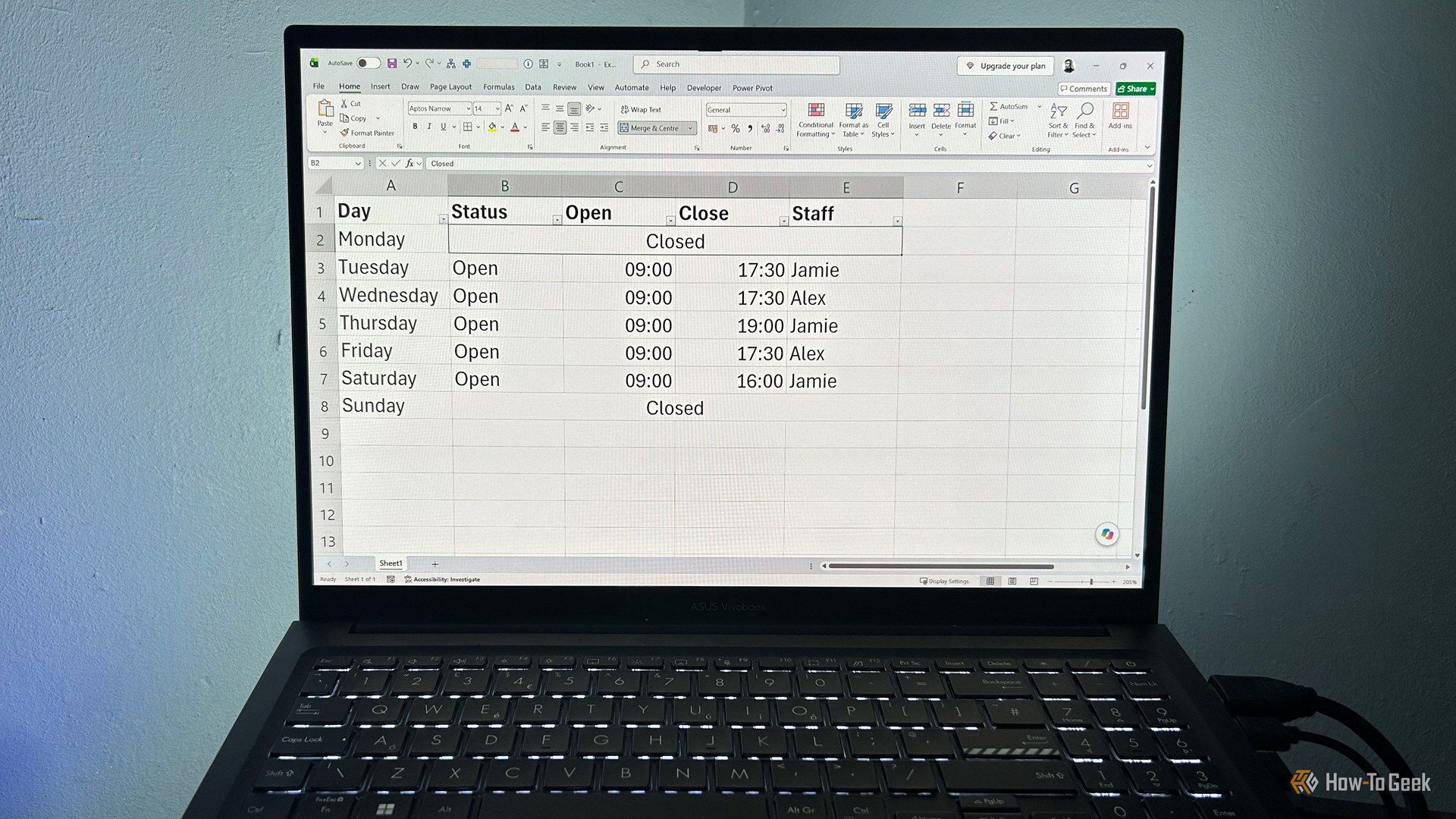
Ditch Merge & Center: The Better Way to Align Text in Excel
Learn to use Excel's "Center Across Selection" to align text across cells without merging, avoiding common data manipulation issues. This guide provides steps to utilize this newly accessible feature and add it to your Quick Access Toolbar.

Ars Technica's Rocket Report: Your Essential Space Industry Briefing
Quick Verdict Ars Technica's Rocket Report, presented by veteran space reporter Stephen Clark, offers an invaluable and meticulously organized weekly (or similar frequency, implied by "Edition 9.15") digest of the most
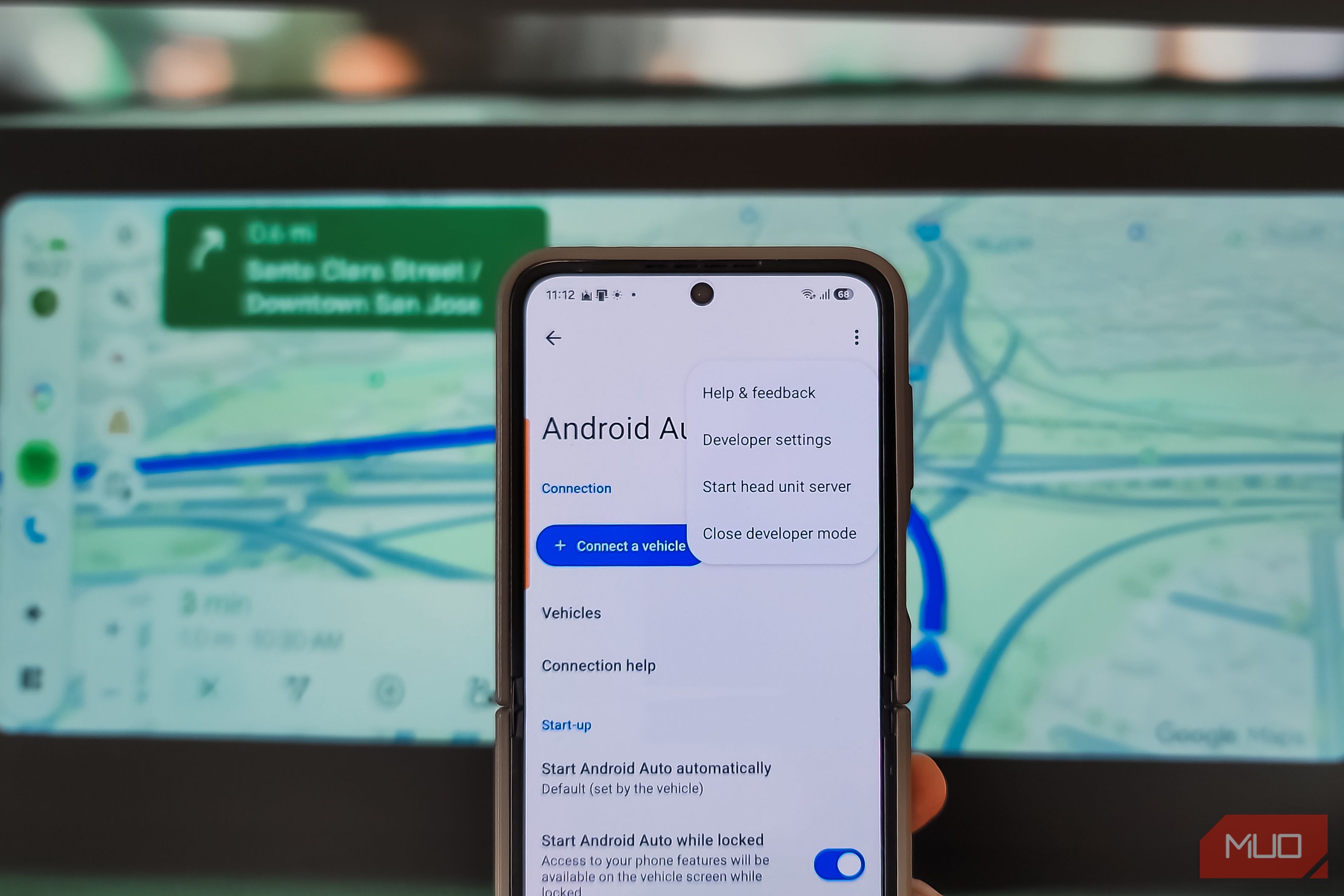
Stop Android Auto Battery Drain: Essential Features to Disable and
Android Auto offers unparalleled convenience, bringing your phone's most useful features directly to your car's display. From navigation and calls to messages and music, it keeps you connected without distracting you
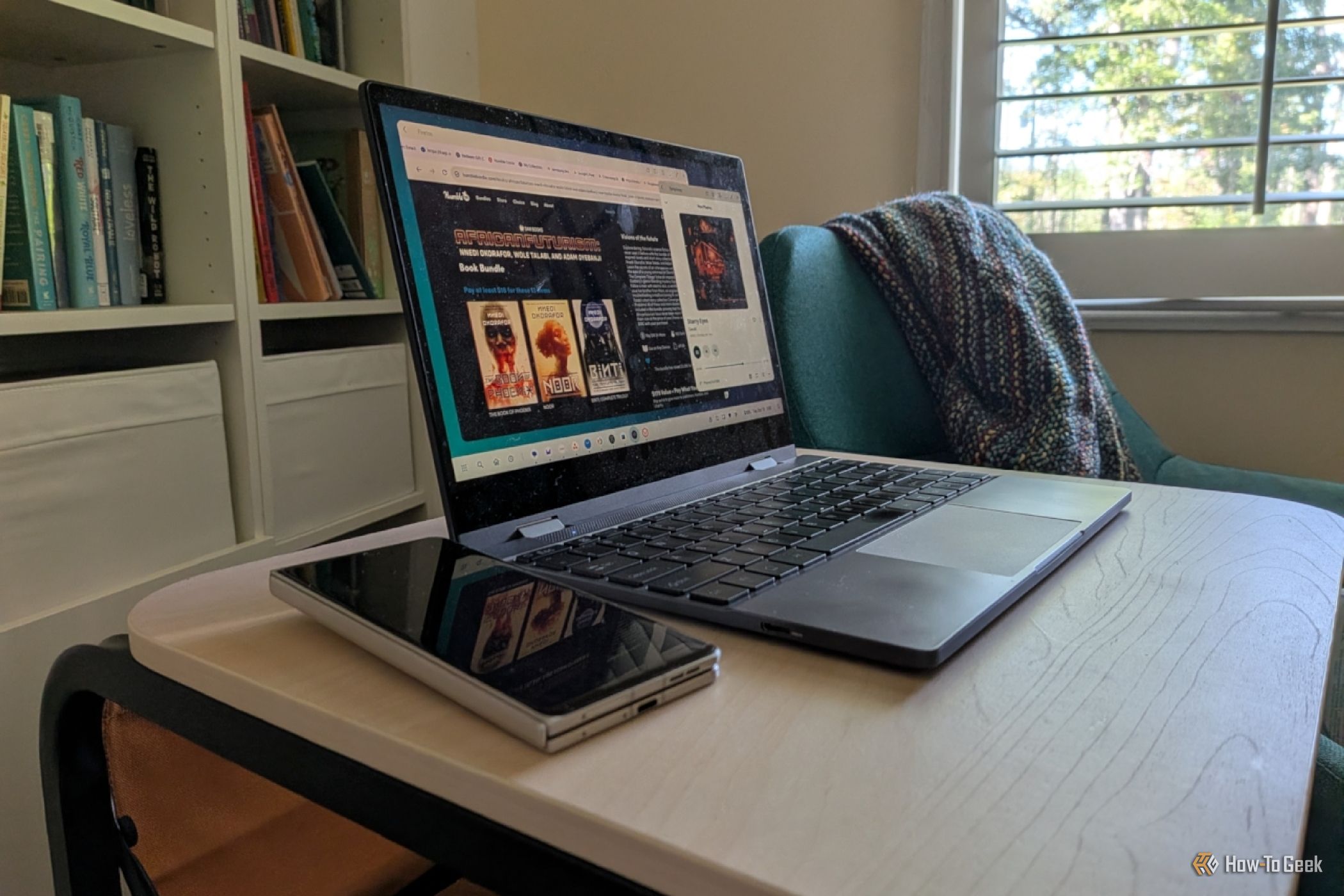
Turn Your Android Phone into a Powerful Desktop Replacement
Learn how to transform your Android phone into a full-fledged desktop computer using external displays and accessories, providing a cost-effective and integrated alternative to new Googlebooks.

howto: Four Ways the Fitbit Edge Is Better Than the Charge 6, and Two
Learn the key differences between the Fitbit Edge and Charge 6, including four advantages of the Edge and two areas where it falls short, to help you choose the best fitness tracker for your needs.
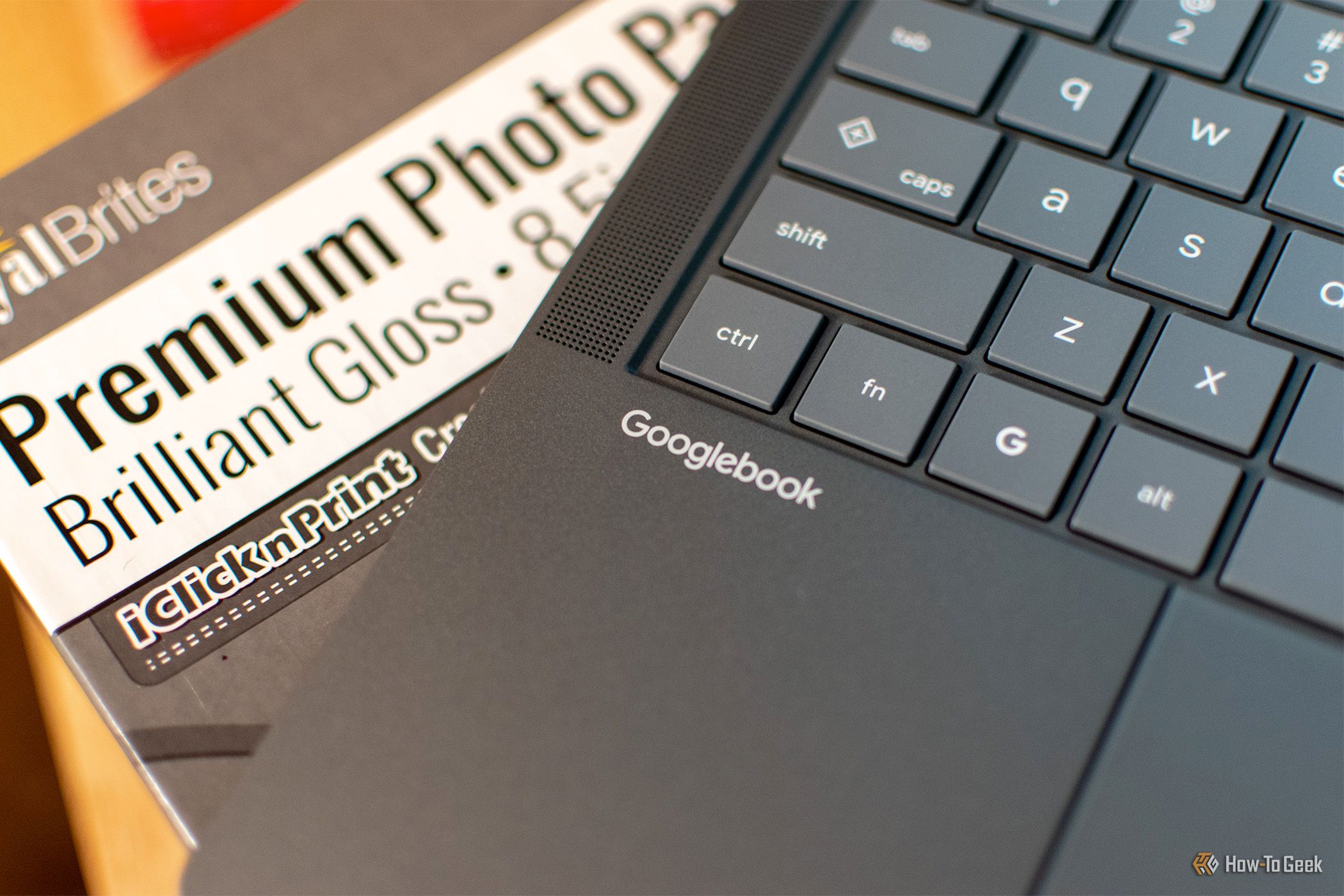
How to Connect Your Googlebook to a Printer - Print Documents with
Learn to quickly connect your Googlebook to a printer via Wi-Fi, USB, or Bluetooth and print documents in minutes. This guide covers direct printing, app-specific connections, troubleshooting, and even printing screenshots as a workaround.