
This WarioWare-Like Walk Sim Turns Daily Steps into Bite-Sized Joy
Walk is a WarioWare-like micro-game collection inspired by a year of daily outings, blending zen clicker mechanics with escalating challenges. It's a charming mosaic of everyday activities, drawing inspiration from Jiro Taniguchi and Tallinn. The game offers a delightful, thoughtful experience that evolves from serene observation to a surprisingly frenzied task management.
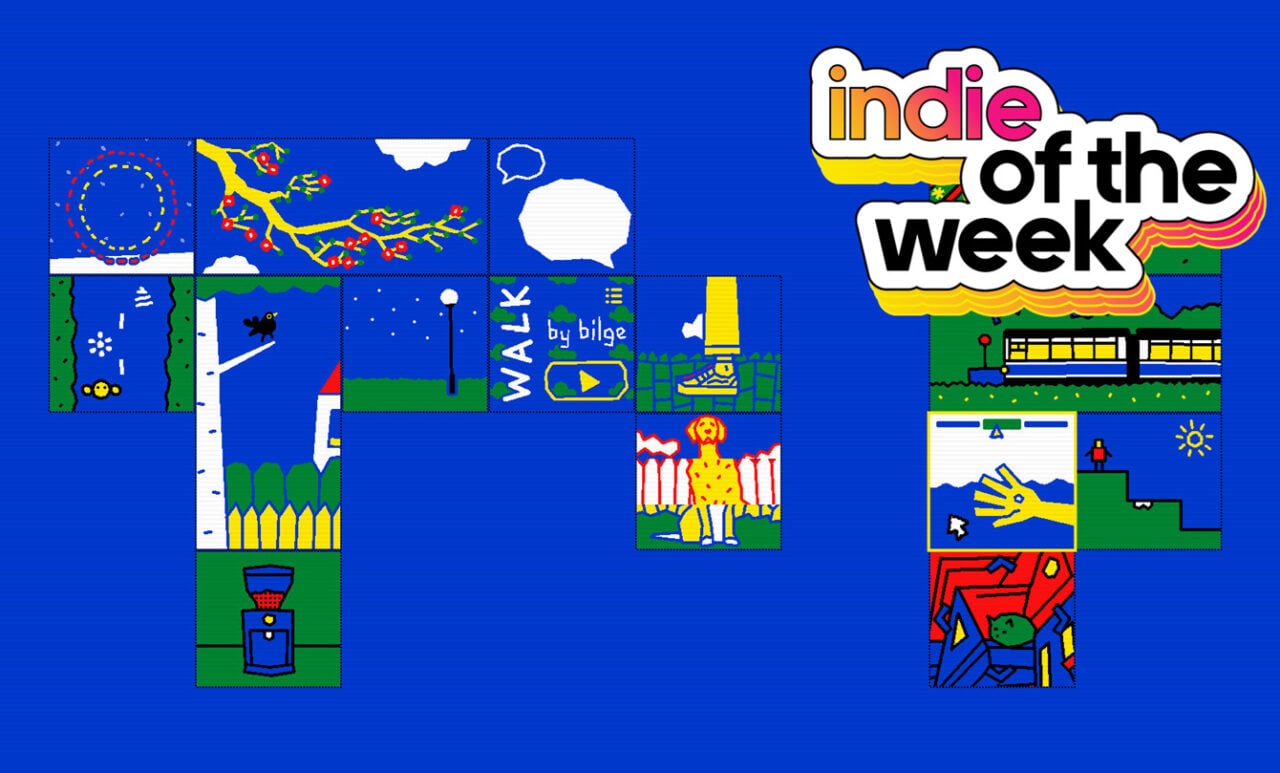
Last week, a thick, ominous red haze shrouded Toronto, a stark reminder of the raging forest fires further north. It turned an already scorching summer into something truly dreadful, making the simple pleasure of a clear blue sky and a gentle breeze a distant memory. For those of us already glued to our computers for disproportionate amounts of time, the absence of outdoor escapes felt particularly acute. While the air has thankfully cleared enough for me to once again enjoy High Park, a charming new collection of micro-games from developer Bilge Kaan offers a delightful alternative, letting me get my paces in vicariously – and perhaps inspiring a few real ones along the way.
Pacing Through Pixels: What Is "Walk"?
"Walk" is a unique creation, a mosaic of bite-sized, WarioWare-style games that reimagines the zen-like clicker genre. Inspired by the developer's own year-long commitment to daily outings, it's a game that bottles the subtle joys and observations of everyday life. Imagine an advent calendar unfurling across a deep blue sky, each tile revealing a new, tiny activity waiting to be discovered and played. It’s a concept that immediately clicks, blending the rapid-fire engagement of micro-games with a surprisingly contemplative core.
A Stroll Through Daily Adventures
The activities within "Walk" are as mundane and magical as real life itself. One moment, you're fixing a cup of coffee, the next you're tying your shoes, catching a perched bird mid-song, or navigating a quirky, Mystery Science Theater-esque chamber of cascading doors. You might find yourself peering up at rooftop cats, or catching a glimpse of happy dogs frolicking below. Each time you activate a new game, another tile subtly emerges in the grand picture. These new tiles aren't just handed to you; they come with a new set of conditions that must be met to unlock the game inside. These conditions are cleverly represented by pinprick symbols, subtly referring back to one of the previous games you've played. Deciphering them starts off easy enough, a gentle nudge to connect the dots of your virtual stroll.
When Zen Meets Frenzy: The Evolving Challenge
What begins as a serene exploration of everyday moments gradually evolves into something more intricate. As your task list grows longer and the individual games become more elaborate, those tranquil slices of life start to bulk up, morphing into a surprisingly demanding juggle. You’ll find yourself balancing an increasing number of these scenic splendors, potentially even breaking a sweat through the mental gymnastics required to keep up. It’s an amusing, almost poetic twist, transforming the meditative into the frenzied. Developer Bilge Kaan is no stranger to this kind of artistic alchemy, adept at harmonizing calm, contemplative forms of art with more energetic, fast-paced experiences. This dynamic shift is a core part of "Walk's" charm, ensuring that it’s not just a purely relaxing experience, but one that actively engages and challenges you.
Artistic Inspirations and Mindful Mechanics
"Walk" wears its inspirations proudly, drawing from the evocative works of cartoonist Jiro Taniguchi and the unique ambiance of the Estonian city of Tallinn. These influences weave seamlessly into the game's aesthetic and thematic fabric. Perhaps most notably, the game takes the once-maligned clicker genre—often associated with predatory Facebook time-wasters—and cleverly subverts it, transforming it into something far more beneficial and engaging. It’s a game for every season, too, allowing players to build snowmen in winter one moment, then watch flowers bloom in spring the next. While it undeniably simulates the outings many of us should be taking, engaging with "Walk" serves as a charming, gentle reminder to pause, appreciate the small details, smell the virtual roses, and count the birds, whether in-game or in real life.
The Path Ahead: A Verdict
"Walk" truly captures the joy and adventure of a year's worth of walks, distilling those everyday observations into a captivating and thoughtful gaming experience. It's more than just a collection of micro-games; it's a meditative journey that deftly transitions into a delightful challenge, proving that even the simplest concepts can harbor surprising depth and engagement. Its unique blend of calm observation and escalating task management makes it a refreshing title in a crowded market. While specific details like platforms, release date, and price weren't available in the source material, the core concept and execution described suggest a game well worth keeping an eye on. It’s a lovely, poetic invitation to look closer at the world around you, both virtual and real.
FAQ
Q: What kind of game is "Walk"?
A: "Walk" is a WarioWare-like mosaic of bite-sized micro-games, inspired by a year of daily outings, that blends zen-like clicker mechanics with an evolving, engaging challenge.
Q: What are the main inspirations behind "Walk"?
A: Developer Bilge Kaan drew inspiration from the works of cartoonist Jiro Taniguchi, the city of Tallinn, and cleverly subverted traditional clicker-style game mechanics.
Q: Does "Walk" encourage real-world activity?
A: Yes, while the game simulates daily outings across different seasons, engaging with it is intended to be a mindful reminder to take real walks, appreciate nature, and observe the small details in your own environment.
Related articles
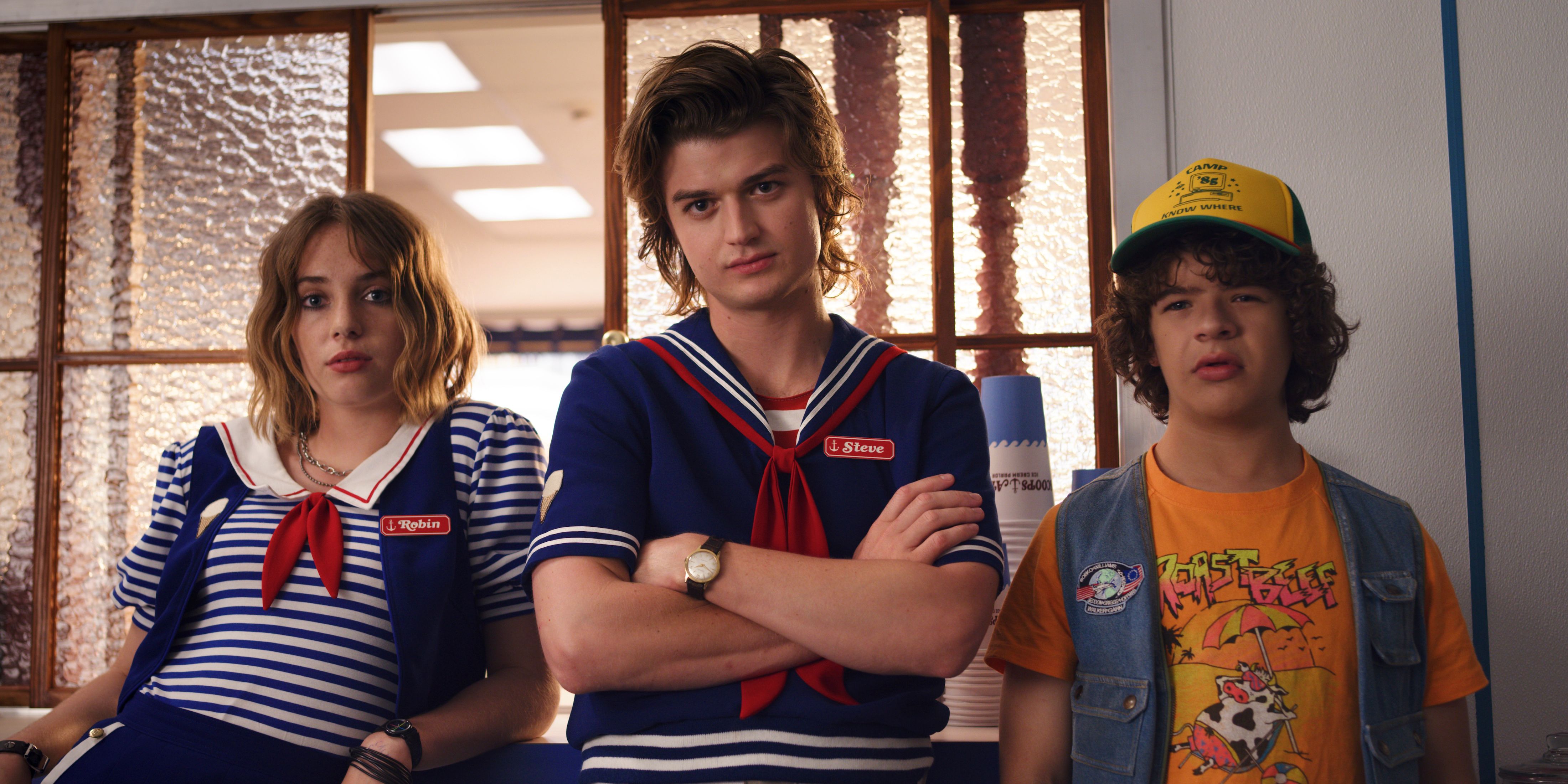
The Party's Back! Tales from '85 Unleashes Season 2 on Netflix
Stranger Things: Tales from '85, the animated spin-off, returns to Netflix on September 17th with 10 new episodes. Set between seasons 2 and 3 of the original live-action series, Season 2 sees The Party facing ghostly apparitions and strange creatures around Valentine's Day. While it received mixed reactions initially, it retains the 80s vibe and core characters.

Chuwi UniBox AI495 Pro Review: A Mini AI Powerhouse
Chuwi's UniBox AI495 Pro review: A powerful mini workstation with 192GB RAM and an AMD Ryzen AI chip for local LLM processing, packed into a compact, Mac Pro-esque design.

Blood of The Dawnwalker’s True Foes Lurk in the Wilds
_Blood of The Dawnwalker_ from Rebel Wolves is an RPG that unexpectedly challenges players with fierce wildlife, drawing comparisons to _Dragon Age: Inquisition_'s early zones. Its unique directional combat system, while engaging, can lead to players being overwhelmed by animal ambushes. Despite the high difficulty, these encounters add a fun, dynamic layer to the game.

Unions Level Up: How Collective Power is Reshaping Game Dev
The gaming industry is seeing a massive shift as unionization rises globally, securing vital worker protections, better pay, and AI safeguards. This collective movement is empowering developers and fundamentally changing workplace dynamics. It's a win for workers, and ultimately, for the games we play.

CNET's NYT Connections: Sports Edition Hints & Answers - Daily Puzzle
CNET's daily guide for NYT Connections: Sports Edition offers clear, spoiler-protected hints and answers, making it an efficient and reliable resource for sports puzzle enthusiasts.
No More Robots Sails into New Territory with Cruise Control
After nine years of publishing success, indie studio No More Robots is launching its first self-developed IP, `Cruise Control`, a puzzle game born from a pivot away from a shelved online shooter. Founder Mike Rose reflects on the company's unconventional, lean approach, the accidental success of `Descenders`, and the massive potential of upcoming title `Another Door`, while also considering his own future in the demanding industry.