
Tesla Robotaxi Miami: Unsupervised Rides Touch Down (Review)
Tesla's robotaxi service expands to a small, unsupervised section of West Miami, intensifying competition in the autonomous ride-hailing market. Read our detailed analysis.
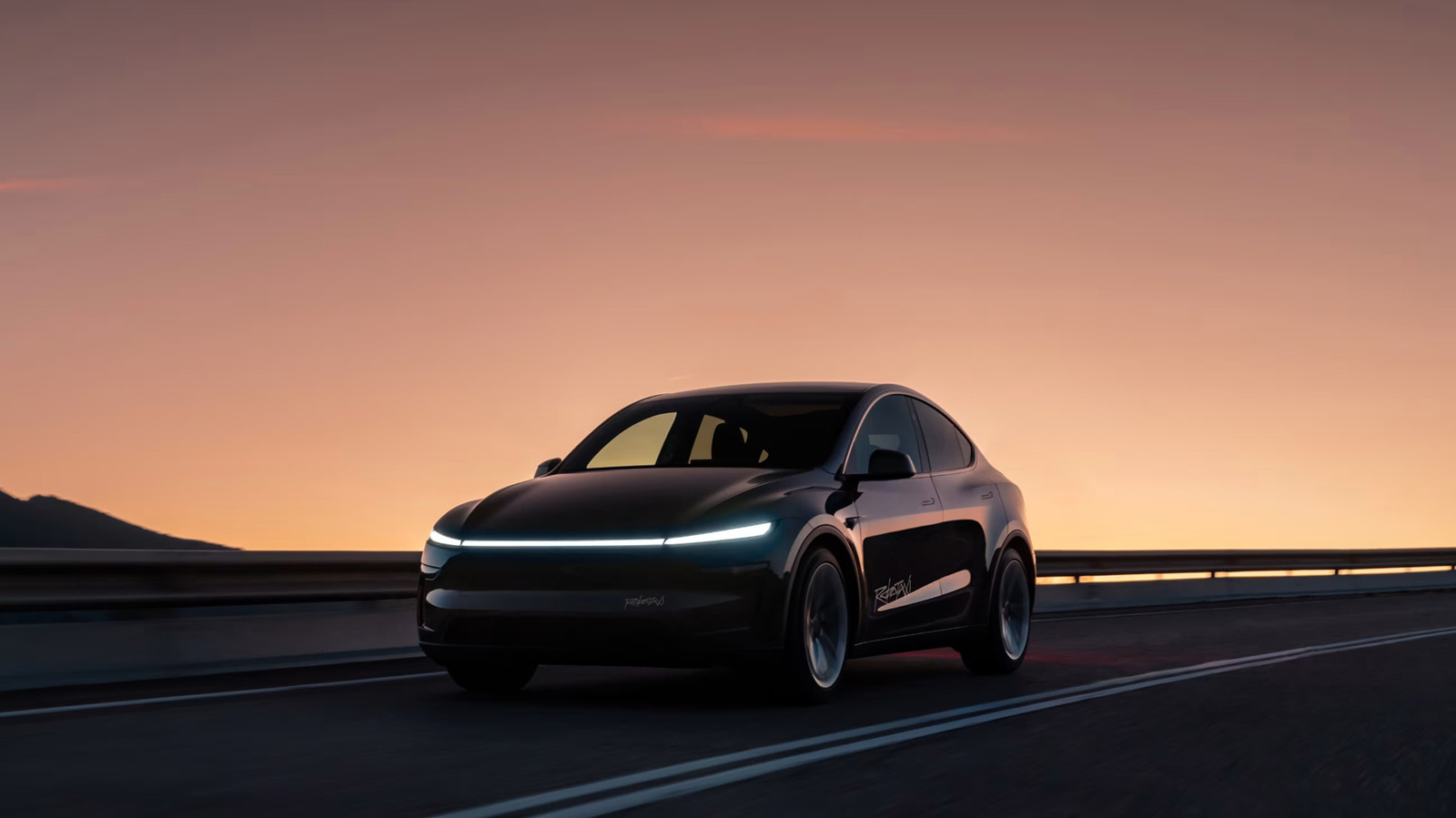
Tesla Robotaxi in Miami: Unsupervised Rides Touch Down in the Sunshine State
Tesla's highly anticipated robotaxi service has officially expanded its footprint, bringing unsupervised autonomous rides to a small section of West Miami. This move, following similar initial rollouts in Dallas and Houston, marks a significant, albeit cautious, step forward for Tesla's ambitious self-driving vision. While the prospect of fully autonomous taxis is exciting, the limited geographic scope and the controversial decision to operate without safety monitors present a nuanced picture for potential riders.
Verdict: Tesla's robotaxi expansion in West Miami is a bold, yet limited, foray into a competitive autonomous vehicle market. The unsupervised operation offers a glimpse into the future of mobility but comes with inherent questions around safety perception and public trust. Early adopters in the designated area will find a novel and convenient service, but broad accessibility and long-term reliability remain to be proven against established rivals.
Key Details and the Unsupervised User Experience
The most striking detail of Tesla's Miami launch is the immediate deployment of unsupervised robotaxis. Unlike the initial rollout in Austin, Texas, where human safety monitors were present, videos circulating on social media show Teslas operating entirely autonomously from day one in Miami. For users, this means stepping into a vehicle with no driver, relying solely on Tesla's Full Self-Driving (FSD) technology to navigate the city streets. This could translate to a truly seamless and futuristic ride-hailing experience, free from human interaction or intervention.
However, the absence of a safety monitor, described by Engadget as a "controversial inclusion" during the Austin debut, is a significant point of discussion. While it speaks to Tesla's confidence in its technology, it also places the full burden of navigating complex urban environments squarely on the AI. For consumers, this raises questions about safety, responsiveness to unexpected situations, and overall peace of mind. The user experience, therefore, hinges heavily on an individual's trust in autonomous systems and their comfort with being a pioneer in this evolving space.
Currently, the service is confined to a "small section of West Miami," intentionally avoiding the bustling downtown areas, a strategy also employed during the Dallas and Houston launches. This phased approach allows Tesla to test and refine its system in less complex environments before tackling denser urban traffic. For residents within this specific zone, it's a new, perhaps exciting, transportation option. For those outside, it’s a waiting game. Based on Tesla's past actions in Austin, where service expanded to the entire metro area shortly after its limited debut, it's reasonable to expect a similar geographic expansion for Miami in the coming months.
Pros and Cons: Weighing the Ride
Any innovative service comes with its own set of advantages and drawbacks, and Tesla's robotaxi is no exception.
Pros:
- Pioneering Unsupervised Autonomy: Tesla is pushing the boundaries by deploying vehicles without human intervention from the outset in Miami. This is a significant technological achievement and offers a truly futuristic ride-hailing experience.
- Increased Convenience (for those in service area): For residents within the small section of West Miami, this adds another potentially efficient and on-demand transportation option.
- Market Competition: Tesla's entry into Miami intensifies competition in the autonomous ride-hailing space, potentially driving innovation and better service from all providers.
- Future Expansion Potential: With a roadmap including Orlando, Tampa, Phoenix, and Las Vegas, this Miami expansion is a stepping stone to broader availability across the US, offering a glimpse of future convenience for more cities.
- Showcase of Tesla's FSD: Each successful ride in an unsupervised robotaxi reinforces Tesla's commitment to and progress in developing robust Full Self-Driving technology.
Cons:
- Limited Availability: The service is restricted to a "small section of West Miami," meaning most Miamians, let alone those outside the city, cannot access it.
- Unsupervised Operation Concerns: The absence of a human safety monitor, while a sign of technological confidence, has been deemed "controversial" and could raise safety concerns, liability questions, and reduce public trust for some users.
- Nascent Stage: Despite Tesla's claims, this service is still in its early deployment phases. There may be unpredictable scenarios or edge cases that the AI hasn't fully mastered, leading to potential frustrations or safety incidents.
- Established Competition: Tesla is entering a market where Waymo already operates and Zoox is actively testing, meaning it faces well-capitalized and experienced rivals.
The Competitive Landscape: Miami's Robotaxi Race Heats Up
Miami is quickly becoming a battleground for autonomous vehicle companies. Tesla's entry adds another major player to a market that already hosts significant competition. Here's how it stacks up against the alternatives mentioned in the source:
| Service | Miami Availability | Operational Status | Key Details from Source |
|---|---|---|---|
| Tesla Robotaxi | Small section of West Miami | Unsupervised | Launched with no human safety monitor. Plans to expand geographic scope within Miami and to other US cities (Orlando, Tampa, Phoenix, Las Vegas). |
| Waymo | Available since January | (Not specified as unsupervised/supervised) | Established competitor with a public service already operational in Miami since early this year. |
| Zoox | Targeting expansion, testing with employees | (Not specified as unsupervised/supervised for public) | Currently testing its fleet with employees in Miami, indicating an upcoming public launch in the city. |
Tesla's immediate deployment of unsupervised vehicles distinguishes its approach in Miami. While Waymo has a head start, having launched its service in January, the source does not specify if Waymo's current Miami operations are fully unsupervised or if they still incorporate safety drivers in some capacity. Zoox, while still in the testing phase with employees, signifies yet another formidable contender aiming to capture a share of Miami's burgeoning autonomous ride-hailing market.
This competitive environment is ultimately beneficial for consumers, as it pushes companies to innovate, improve safety, and potentially offer more attractive services. However, it also means that Tesla's robotaxi service will be under intense scrutiny, not just from regulators, but from a public that now has alternatives.
Buying Recommendation
For those residing within the specific small section of West Miami and possessing a keen interest in experiencing the cutting edge of autonomous technology, Tesla's robotaxi offers a unique and forward-thinking transportation option. If you're an early adopter, comfortable with the inherent experimental nature of new tech, and keen to be among the first to ride in a truly driverless vehicle, then giving Tesla's service a try is a compelling proposition.
However, for individuals outside the designated service area, or for those who prioritize established reliability, comprehensive safety protocols (such as the presence of a human monitor), or a wider service footprint, it would be advisable to wait. Waymo already offers a public service in Miami, and Zoox is on the horizon. As Tesla expands its geographic coverage in Miami and refines its unsupervised operations, the service will likely become a more universally recommended option. For now, it’s a niche offering for the tech-adventurous within a very specific locale.
FAQ
Q: Where is Tesla's robotaxi service currently available in Miami?
A: The service is currently available in a small section of West Miami, initially operating outside of the busy downtown areas.
Q: Do Tesla robotaxis operate with a human safety monitor in Miami?
A: No, Tesla's robotaxis in Miami are operating without a human safety monitor, a notable change from their initial rollout in Austin, Texas.
Q: What other cities are on Tesla's robotaxi expansion roadmap?
A: Beyond Miami, Tesla's robotaxi roadmap includes future expansions to Phoenix, Las Vegas, Orlando, and Tampa, Florida.
Related articles
Android 17 QPR2 Beta 7.1: The Performance Relief You've Been Waiting
Android 17 QPR2 Beta 7.1: Finally Fixing the QPR1 Performance Woes Verdict: Android 17 QPR2 Beta 7.1 is a crucial and highly anticipated software update for Google Pixel users, specifically targeting and resolving the

DJI Solo Video Setups: Smart Choices for Lone Creators
This review delves into DJI's recommended solo video setups, highlighting the Osmo Pocket 3 Creator Combo as a top pick for its integrated camera, gimbal, and mic. It also covers stabilizers like the Osmo Mobile 8 and RS 4, and the DJI Mic Mini series for enhanced audio, providing honest pros, cons, and clear buying advice.

Ars Technica's Rocket Report: Your Essential Space Industry Briefing
Quick Verdict Ars Technica's Rocket Report, presented by veteran space reporter Stephen Clark, offers an invaluable and meticulously organized weekly (or similar frequency, implied by "Edition 9.15") digest of the most

Apple iPhone Duo: A Daring Debut with Notable Compromises
Apple's highly anticipated iPhone Duo, priced at $2,000, has gone on pre-order. While hailed as "Apple's most exciting device in a decade" for its innovative foldable design and immersive display, it comes with significant drawbacks like the absence of FaceID and a premium camera.

Tesla Unveils Thruster-Equipped Roadster, 2028 Production Targeted
Tesla has unveiled its second-generation Roadster, featuring cold-gas thrusters co-developed with SpaceX, enabling it to jump and flip. The electric sports car demonstrated 0-60mph in an astonishing 0.81 seconds, with production targeted for 2028. This highly anticipated reveal also serves as a key recruitment tool for Tesla's ambitious AI and robotics initiatives.
KDE Plasma 6.8: A Future-Focused 30th Anniversary Update
Quick Verdict KDE Plasma 6.8, arriving as the "30th Anniversary Edition," is a pivotal release that decisively pushes the desktop environment into the future. With a definitive farewell to native X11 sessions and a