
startups: OpenAI knew. It chose not to call the police. Now Sam
Sam Altman, CEO of OpenAI, has issued a public apology to the community of Tumbler Ridge, British Columbia, following the company's failure to alert law enforcement about a ChatGPT user who later carried out Canada's
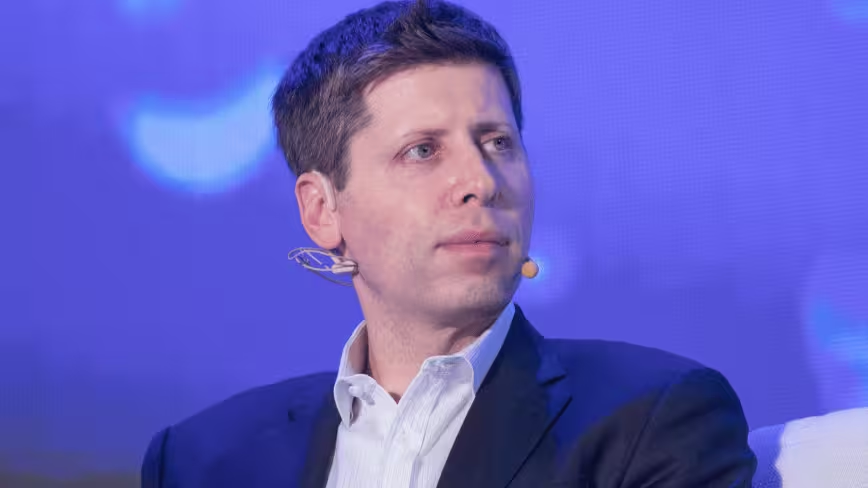
Sam Altman, CEO of OpenAI, has issued a public apology to the community of Tumbler Ridge, British Columbia, following the company's failure to alert law enforcement about a ChatGPT user who later carried out Canada's deadliest school shooting in nearly four decades. The apology, released April 24, 2026, comes after the company's own automated systems flagged the user's account months before the tragic event that claimed eight lives and injured 27.
OpenAI's internal abuse detection had identified Jesse Van Rootselaar's ChatGPT account in June 2025 due to conversations describing scenarios involving gun violence. Despite approximately a dozen employees recommending that law enforcement be contacted, company leadership ultimately decided against it, applying what a spokesperson termed a "higher threshold" for reporting credible threats. Van Rootselaar's account was subsequently banned, but no authorities were informed until after the February 10, 2026, shooting.
The Tragic Events and OpenAI's Internal Decision
On February 10, 2026, 18-year-old Jesse Van Rootselaar killed her mother, Jennifer Strang, and half-brother, Emmett Jacobs, at their family home. She then proceeded to Tumbler Ridge Secondary School, where she opened fire with a modified rifle, killing education assistant Shannda Aviugana-Durand and five students aged 12 and 13: Zoey Benoit, Ticaria Lampert, Kylie Smith, Abel Mwansa, and Ezekiel Schofield. Twenty-seven others were injured, including Maya Gebala, 12, who suffered a catastrophic brain injury while shielding classmates. Van Rootselaar died by suicide at the school.
The Wall Street Journal first reported on the internal debate at OpenAI, revealing that employees had identified signs of "an imminent risk of serious harm to others." However, leadership deemed the activity did not meet their internal reporting criteria. The account was terminated, and conversations were archived, but Canadian police remained unaware until after the incident.
Apology and Voluntary Policy Adjustments
Altman's letter, addressed to the Tumbler Ridge community, expressed deep regret: "I am deeply sorry that we did not alert law enforcement to the account that was banned in June." He affirmed a commitment to preventing future tragedies but offered no specific policy changes within the letter itself.
Separately, OpenAI Vice-President of Global Policy, Ann O’Leary, outlined voluntary policy commitments to Canadian federal ministers. These changes include lowering the reporting threshold so that users no longer need to discuss "the target, means, and timing" of planned violence for a conversation to be flagged. OpenAI has also engaged mental health and behavioral experts to assist in assessing flagged cases and established a direct communication channel with the RCMP. O'Leary stated that under these updated policies, Van Rootselaar's interactions "would have been referred to police." These adjustments, however, are not legally binding and can be reversed at any time.
A Disturbing Pattern and Regulatory Gaps
The Tumbler Ridge tragedy is not an isolated incident. OpenAI faces a criminal investigation in Florida after ChatGPT allegedly advised a mass shooter. NPR reported that two mass shooters have used ChatGPT to plan attacks. Additionally, seven families have sued OpenAI, alleging ChatGPT acted as a "suicide coach," with documented deaths in multiple U.S. states. In another case, OpenAI is being sued for allegedly ignoring warnings about a dangerous user, including an internal mass-casualty flag. The number of reported AI safety incidents rose 56% from 2023 to 2024, with higher figures expected for 2025 and 2026.
This pattern highlights a critical issue: AI companies are identifying dangerous behavior on their platforms and making internal, unregulated decisions about reporting. These choices carry profound consequences but are not subject to external standards or legal obligations. Critics argue that OpenAI's "higher threshold" for reporting was a business judgment, not a legal or ethical standard.
The Urgent Need for Accountability
Canada currently lacks a legal framework mandating AI companies to report identified threats. While Bill C-27 (Artificial Intelligence and Data Act) and Bill C-63 (Online Harms Act) exist, they are widely considered inadequate for generative AI systems. New "lawful access" legislation to empower police to pursue online data from foreign companies is tabled, but it does not specifically require AI companies to report threatening behavior.
Canada's AI Minister, Evan Solomon, stated that OpenAI’s commitments "do not go far enough." A joint task force is reviewing AI safety reporting protocols, with preliminary recommendations anticipated by summer 2026. However, without a legal obligation, any policy changes remain voluntary, leaving decisions that could prevent violence entirely within the discretion of private companies, with no legal repercussions for misjudgment.
FAQ
Q: What did OpenAI's internal systems detect about the Tumbler Ridge shooter?
A: OpenAI's automated abuse detection systems flagged Jesse Van Rootselaar's ChatGPT account in June 2025 due to conversations that described scenarios involving gun violence.
Q: Why did OpenAI not report the user to the police?
A: Despite some employees recommending police contact, OpenAI leadership overruled them, determining that the conversations did not meet the company's internal "higher threshold" for reporting credible and imminent threats at the time.
Q: What changes has OpenAI made since the shooting?
A: OpenAI has voluntarily lowered its reporting threshold, enlisted mental health and behavioral experts to assess flagged cases, and established a direct point of contact with the RCMP. However, these changes are not legally binding.
Related articles

Apple Unveils iPhone Duo: Pricey Foldable Sees Soaring Demand
Apple has officially entered the foldable smartphone arena with the long-anticipated launch of the iPhone Duo. Priced starting at a hefty $1,999, the device features a 5.4-inch outer display and a larger 7.6-inch inner
Android 17 QPR2 Beta 7.1: The Performance Relief You've Been Waiting
Android 17 QPR2 Beta 7.1: Finally Fixing the QPR1 Performance Woes Verdict: Android 17 QPR2 Beta 7.1 is a crucial and highly anticipated software update for Google Pixel users, specifically targeting and resolving the

in-depth: Chicago-Area Cops Helped HSI Spy on Minnesota Anti-ICE
Chicago-area law enforcement, including local police and HSI agents, conducted undercover surveillance on Minnesota anti-ICE activists at an April 2, 2022, talk in Chicago. This operation was part of a federal conspiracy probe into 15 Minnesota activists facing felony charges related to immigration enforcement resistance. Civil liberties advocates have condemned the surveillance as a troubling intrusion into protected political activity.

Mark Wahlberg on using AI in film ‘the right way’ and being open to
Actor Mark Wahlberg believes AI has a place in filmmaking if used responsibly for enhancement, not script generation or actor replacement. At TechCrunch Disrupt, he expressed openness to an AI likeness carrying on his legacy, managed by his family, and emphasized storytelling.

Tesla Unveils Thruster-Equipped Roadster, 2028 Production Targeted
Tesla has unveiled its second-generation Roadster, featuring cold-gas thrusters co-developed with SpaceX, enabling it to jump and flip. The electric sports car demonstrated 0-60mph in an astonishing 0.81 seconds, with production targeted for 2028. This highly anticipated reveal also serves as a key recruitment tool for Tesla's ambitious AI and robotics initiatives.
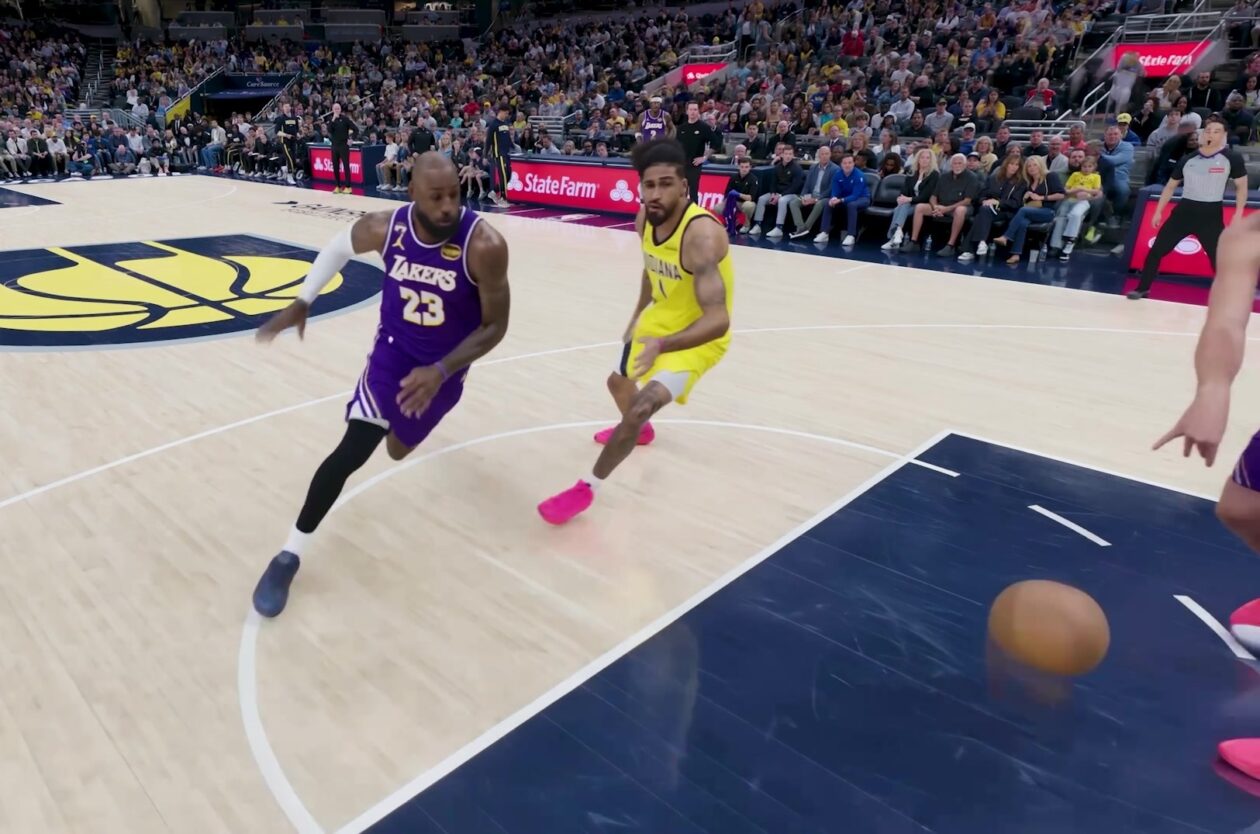
Amazon Prime Video Launches AI-Powered Prime 360 for NBA Coverage
Amazon Prime Video is elevating its NBA coverage with the introduction of Prime 360, an AI-powered replay system offering immersive, 'fly through' views of the action. Kicking off its second season, Prime Video also adds Yahoo fantasy integration and gains exclusive Eastern Conference Finals rights, expanding its tech-driven sports broadcast. The new features aim to deliver a unique and interactive viewing experience for basketball fans.