
Starfish Space Shifts Focus to Australian Satellite for Docking Test
TUKWILA, Wash. — Starfish Space’s Otter Pup 2 satellite is preparing for a pivotal orbital docking demonstration, nearly a year after its launch. The Seattle-area startup has redirected its mission to rendezvous with

TUKWILA, Wash. — Starfish Space’s Otter Pup 2 satellite is preparing for a pivotal orbital docking demonstration, nearly a year after its launch. The Seattle-area startup has redirected its mission to rendezvous with Australia-based Gilmour Space’s ElaraSat satellite, aiming to complete the complex maneuver in the coming months.
The shift comes after previous plans to dock with a D-Orbit ION satellite were put on hold for undisclosed reasons. Both Otter Pup 2 and the newly designated target, ElaraSat, were launched on the same SpaceX satellite rideshare mission in June of last year.
Trevor Bennett, co-founder of Starfish Space, highlighted Gilmour Space's enthusiastic cooperation. He noted the ability to switch targets demonstrates the adaptability and robust design of Otter Pup's core technologies, allowing it to "chase down" and dock with an unprepared spacecraft.
Mark Grimminck, head of satellites at Gilmour Space, expressed excitement about supporting the pioneering mission, emphasizing that autonomous rendezvous and docking capabilities are vital for the future of sustainable space operations. He congratulated Starfish on reaching this significant milestone.
This demonstration is a crucial step for Starfish’s broader vision of in-orbit satellite servicing. The Otter Pup 2 acts as a testbed for the company's full-scale Otter spacecraft, which is designed to inspect, service, and safely dispose of satellites in orbit.
Starfish's first prototype, Otter Pup 1, encountered logistical challenges post-launch in 2023, preventing a full docking. However, it successfully validated some of the proximity operations technologies developed by the company. Furthermore, an orbital test last year with Impulse Space confirmed the effectiveness of Starfish's guidance, navigation, and control software on a different satellite for autonomous approaches.
Despite being in orbit for almost a year, Otter Pup 2 remains in good health, according to Bennett. The Starfish team has been diligently maneuvering the satellite into the correct orbit to intercept ElaraSat. The next phase involves closing the distance to approximately 6 miles (10 kilometers), followed by an "acquisition phase" where Otter Pup's onboard cameras will lock onto ElaraSat for closer inspection and system calibration.
The final approach will see Otter Pup 2 attach to ElaraSat using an electrostatic docking mechanism. Starfish Space plans to livestream the docking phase, likely via a computer-generated animation based on real-time telemetry, with actual imagery to be downlinked and shared later.
Bennett stated that the immediate goal is to achieve successful contact, even for a brief period. Should the vehicle remain healthy after this milestone, further operations with the spacecraft would be considered. While Bennett remained tight-lipped about the current progress of the full-scale Otter development, he promised more updates soon.
Starfish Space has rapidly gained momentum in the burgeoning space servicing sector. The company has secured several high-profile contracts, including a $37.5 million contract from the U.S. Space Force for a docking demonstration, a subsequent $54.5 million Space Force contract, a $52.5 million Space Development Agency contract for satellite disposal services, and a $15 million NASA contract for satellite inspection. Additionally, it holds a commercial contract with SES for satellite life extension.
Founded in 2019 by former Blue Origin alumni Trevor Bennett and Austin Link, Starfish Space recently announced a significant $111.7 million Series B funding round, contributing to over $150 million in total investment to date. These investments underscore the growing industry confidence in Starfish's vision for a more sustainable and serviceable space environment.
FAQ
Q: What is the primary purpose of Starfish Space's Otter Pup 2 mission?
A: The mission aims to test critical technologies and procedures for autonomous orbital rendezvous, inspection, and docking. This demonstration is vital for developing future satellite servicing and disposal capabilities.
Q: Why did Starfish Space change its target satellite for the docking demonstration?
A: The initial plan to dock with a D-Orbit ION satellite was "scrubbed" for undisclosed reasons. Gilmour Space's ElaraSat, which launched on the same mission as Otter Pup 2, became the new, willing target for the demonstration.
Q: What is the "Otter" spacecraft designed to do in the future?
A: The full-scale Otter spacecraft is intended to provide essential on-orbit services, including inspecting, servicing, extending the operational life, and safely disposing of other satellites, contributing to more sustainable space operations.
Related articles

Apple Unveils iPhone Duo: Pricey Foldable Sees Soaring Demand
Apple has officially entered the foldable smartphone arena with the long-anticipated launch of the iPhone Duo. Priced starting at a hefty $1,999, the device features a 5.4-inch outer display and a larger 7.6-inch inner

in-depth: Chicago-Area Cops Helped HSI Spy on Minnesota Anti-ICE
Chicago-area law enforcement, including local police and HSI agents, conducted undercover surveillance on Minnesota anti-ICE activists at an April 2, 2022, talk in Chicago. This operation was part of a federal conspiracy probe into 15 Minnesota activists facing felony charges related to immigration enforcement resistance. Civil liberties advocates have condemned the surveillance as a troubling intrusion into protected political activity.

Mark Wahlberg on using AI in film ‘the right way’ and being open to
Actor Mark Wahlberg believes AI has a place in filmmaking if used responsibly for enhancement, not script generation or actor replacement. At TechCrunch Disrupt, he expressed openness to an AI likeness carrying on his legacy, managed by his family, and emphasized storytelling.

Ars Technica's Rocket Report: Your Essential Space Industry Briefing
Quick Verdict Ars Technica's Rocket Report, presented by veteran space reporter Stephen Clark, offers an invaluable and meticulously organized weekly (or similar frequency, implied by "Edition 9.15") digest of the most

Tesla Unveils Thruster-Equipped Roadster, 2028 Production Targeted
Tesla has unveiled its second-generation Roadster, featuring cold-gas thrusters co-developed with SpaceX, enabling it to jump and flip. The electric sports car demonstrated 0-60mph in an astonishing 0.81 seconds, with production targeted for 2028. This highly anticipated reveal also serves as a key recruitment tool for Tesla's ambitious AI and robotics initiatives.
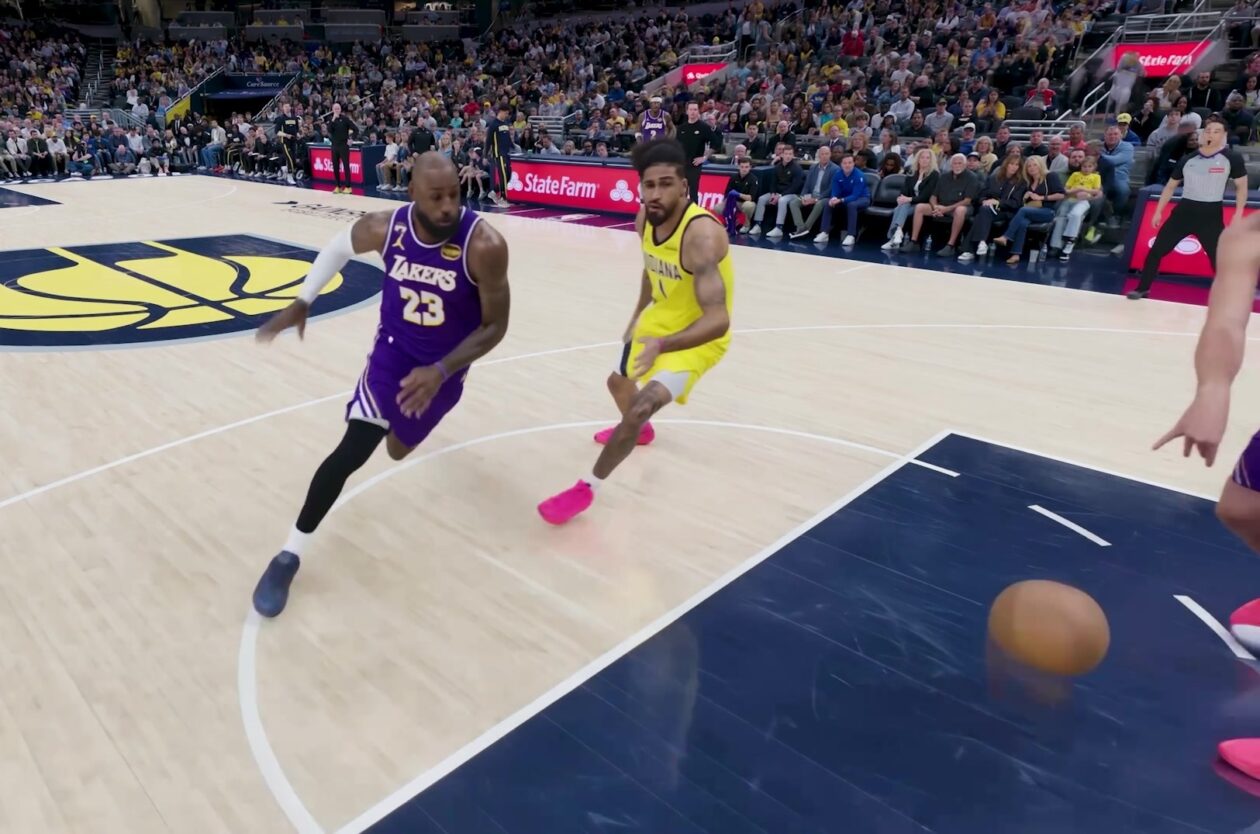
Amazon Prime Video Launches AI-Powered Prime 360 for NBA Coverage
Amazon Prime Video is elevating its NBA coverage with the introduction of Prime 360, an AI-powered replay system offering immersive, 'fly through' views of the action. Kicking off its second season, Prime Video also adds Yahoo fantasy integration and gains exclusive Eastern Conference Finals rights, expanding its tech-driven sports broadcast. The new features aim to deliver a unique and interactive viewing experience for basketball fans.