
Star Wars Eclipse: The Force Is Weak With Development
Star Wars Eclipse, Quantic Dream's High Republic title, faces an uncertain future. Reports indicate very slow development and a lack of new hires. Its fate hinges on the commercial success of Quantic Dream's new free-to-play game, Spellcasters Chronicles, whose revenue is needed to fund Eclipse.
Star Wars Eclipse's Fate Hangs By A Thread
Ah, Star Wars Eclipse. Remember that electrifying reveal trailer from The Game Awards 2021? A Quantic Dream-developed Star Wars game, set in the enigmatic High Republic era, promising branching narratives and the studio's signature cinematic flair. For many of us, it was an instant wishlist topper, a beacon of hope for a fresh, story-driven adventure in a galaxy far, far away. But, as with many ambitious projects, the journey to launch is proving to be far from smooth. Recent reports paint a concerning picture, suggesting that Star Wars Eclipse's development is progressing at a glacial pace, with its very future potentially on the line.
A Development Odyssey Moving at Hypersleep Speed
According to a report from Insider Gaming, while Star Wars Eclipse is indeed still in development, its progress has been described as "very slow going." Sources indicate that Quantic Dream has completed a "good portion" of the game, which sounds promising on the surface. However, the rest of the project is allegedly not moving forward at the anticipated speed. Even more troubling is the revelation that Quantic Dream reportedly held discussions with its owner, NetEase, about bringing on additional staff to accelerate development, but these crucial hires ultimately did not materialize. This suggests a deeper challenge than just creative iteration; it hints at resource constraints or strategic decisions that are actively hindering progress.
When Creativity Meets Commercial Reality: The Spellcasters Chronicles Factor
Here's where things get particularly interesting, and frankly, a bit nail-biting for Eclipse fans. The report highlights a critical link between Star Wars Eclipse's ongoing funding and the commercial performance of Quantic Dream's latest, and decidedly different, title: Spellcasters Chronicles. This free-to-play 3v3 online multiplayer game, which entered early access in February 2026, marks a significant departure from Quantic Dream's traditional single-player, narrative-heavy offerings like Heavy Rain and Detroit: Become Human.
Both Quantic Dream and NetEase are reportedly looking to Spellcasters Chronicles to generate revenue, which would then contribute to the continued funding of Star Wars Eclipse. As Insider Gaming's source put it, the long-term outlook for Eclipse is "less driven by creative capabilities and more by financial viability." The stark warning is that if Spellcasters Chronicles doesn't perform commercially as expected, NetEase could re-evaluate its commitment to Quantic Dream, potentially leading to the discontinuation of further investment. The revenue figures for Spellcasters Chronicles are currently unknown, leaving Eclipse's fate in a precarious, speculative state.
Quantic Dream's Evolving Galaxy Under NetEase
Quantic Dream, founded in 1997, built its reputation on immersive, choice-driven narrative experiences. Their acquisition by Chinese tech giant NetEase in 2022 marked a new chapter for the Paris-based studio, making it NetEase's first European studio. This acquisition inherently brought new strategic directions, and the pivot to a free-to-play multiplayer title like Spellcasters Chronicles can be seen as a direct outcome of this new ownership and the pursuit of different market segments. While NetEase's deep pockets were likely seen as a boon for projects like Eclipse, the current situation suggests that even major acquisitions come with commercial expectations that can impact creative endeavors.
Echoes of Hope, Drowned by Silence?
It's been quite a ride since Star Wars Eclipse was first announced in 2021. Updates have been few and far between, leading to speculation. In 2025, Quantic Dream did offer a glimmer of reassurance, stating the game was "of course" still happening and that they were eager to share more information "in due time." Early reports even suggested a possible 2026 launch window – a target that, given the current year and the "very slow going" development, seems to have been well and truly missed. This pattern of scarce updates, followed by a vague affirmation, and now a report of significant internal struggles, paints a picture of a project struggling to find its footing.
What This Means for the Future
Star Wars Eclipse is just one of many Star Wars games currently in various stages of development, and the Star Wars gaming landscape remains vibrant with multiple projects underway. However, the struggles of Eclipse are a stark reminder of the complexities of game development, especially when a unique creative vision meets the realities of large-scale production and commercial pressures under a new owner. For now, fans are left in a state of uncertainty, hoping that the Force will indeed be with Star Wars Eclipse, allowing it to one day see the light of hyperspace.
FAQ
Q: What is the current development status of Star Wars Eclipse?
A: According to a report by Insider Gaming, Star Wars Eclipse is still in development, but progress is described as "very slow going," with much of the game not progressing at the expected rate.
Q: Why is Quantic Dream's other game, Spellcasters Chronicles, important to Star Wars Eclipse?
A: Spellcasters Chronicles, a free-to-play multiplayer game, is crucial because its commercial success is expected to generate revenue to fund Star Wars Eclipse. If it fails to meet commercial expectations, NetEase, Quantic Dream's owner, may re-evaluate its investment in Eclipse.
Q: What platforms is Star Wars Eclipse expected to release on?
A: Star Wars Eclipse is expected to release on PlayStation 5, Xbox Series X, and PC.
Related articles
TCG Pocket Responds: A Much-Needed Pace Shift for Pokémon Fans
Pokémon TCG Pocket is rolling out a major update for its second anniversary, primarily addressing player concerns about overwhelming content releases by shifting to a six-week set schedule. This aims to curb player decline and improve overall engagement by giving trainers more time to collect and strategize. The update also adds new collection methods, improved deck-building features, and enhanced trading functionality.
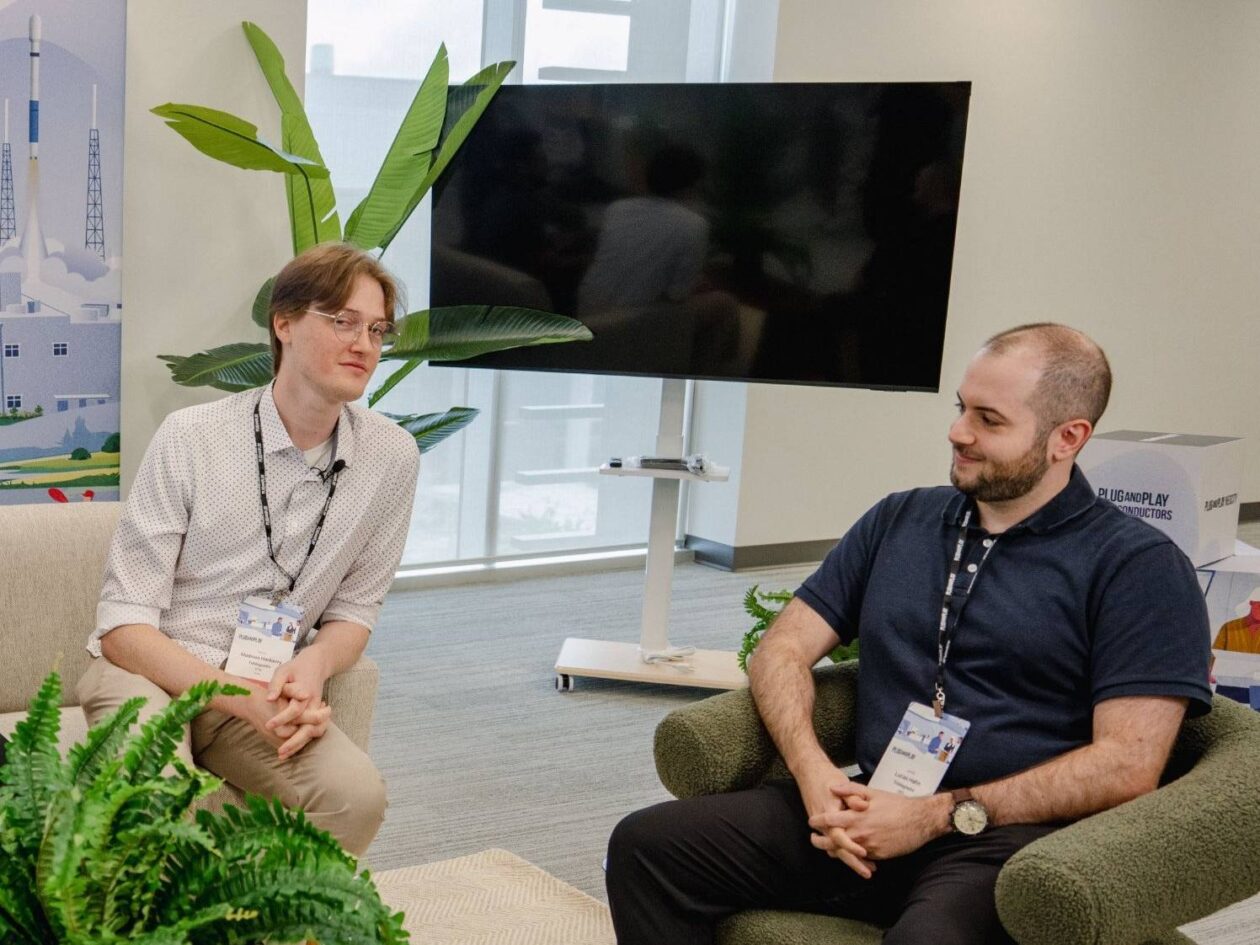
regional: A two-person Seattle startup lands $1M to reinvent
Seattle startup TriMagnetix has secured $1 million to develop semiconductor chips that consume 800 times less energy and are radiation-resistant. The two-person company, leveraging nanomagnetic technology, is targeting space applications and data centers. With new funding and key partnerships, TriMagnetix aims for commercial sales within a year.
Kojima Compares Divisive New Film 'Digger' to MGS2's Prescient Vision
Gaming icon Hideo Kojima has praised the divisive 2026 film *Digger*, drawing intriguing parallels to his own prophetic game, *Metal Gear Solid 2*. Both works, he explains, uniquely explore the dangers of misinformation and a fragmented digital reality, anxieties he shares with *Digger*'s director, Alejandro González Iñárritu.
Ephemeral PR Preview Environments on GKE: A Deep Dive
Every development team eventually grapples with the limitations of shared staging environments. The familiar scenario: multiple features deployed simultaneously, database migrations clashing, and the phrase "it works on
Galaxy Watch One UI 9 Beta: Promising Progress, But Patience Needed
Galaxy Watch 8, Watch Ultra, and Watch 7 are receiving a new One UI 9 Watch beta build with bug fixes and a security patch. Active development signals progress, but a stable release date remains elusive.
Ubisoft Proposes German Studio Workforce Reduction Amidst
Ubisoft is planning a voluntary departure program for about 100 employees across its Düsseldorf, Berlin, and Mainz studios in Germany. This move is part of a larger, ongoing cost-reduction and restructuring effort by the publisher, aiming to better position its studios for future projects.