
Sony PS3/Vita Store Shutdown: A Digital Preservation Crisis
Sony is finally closing the PS3 and PS Vita digital storefronts by July 2027, ending new digital game purchases and raising significant concerns about game preservation despite a long support run.

Sony's announcement to finally shut down the PlayStation Store for PS3 and PS Vita by July 2027 marks a bittersweet moment for gamers. While these venerable platforms have enjoyed an exceptionally long run of digital support, the impending closure highlights a significant vulnerability in our increasingly digital gaming landscape: the long-term preservation of titles, many of which exist only as digital downloads. It’s a necessary move from a business perspective but a concerning one for gaming history.
Key Details: The End of an Era
The PlayStation 3, first launching in 2006 and 2007, and the PlayStation Vita, arriving in 2011 and 2012, have been pillars of Sony's gaming ecosystem for well over a decade. Sony has confirmed that the digital storefronts on both consoles will cease operations for new purchases in phases, culminating in a global shutdown by July 2027. Some regions, particularly in Mexico, Honduras, and Nicaragua, will see the PS3 store close as early as August 2026, with other Latin American and Middle Eastern countries following later in 2026. For the majority of the world, both PS3 and PS Vita stores will close their digital doors simultaneously in July 2027.
This means that after these dates, players will no longer be able to buy new digital games, DLC, or other associated content directly from their PS3 or PS Vita consoles. Sony's reasoning points to the challenges of maintaining compatibility with "modern commerce systems and updated payment processing standards," which these older platforms can no longer adequately support. Crucially, Sony states that previously purchased content will remain downloadable "for the foreseeable future," a small but important concession to existing owners. This isn't the first time Sony has attempted this; a similar plan in 2021 was reversed after considerable player backlash, demonstrating the strong emotional connection and practical reliance many still have on these stores.
User Experience and the Preservation Conundrum
For owners of the PS3 and PS Vita, this announcement brings a mixture of relief and frustration. The relief comes from the extended lead time — a full year for most before the final shutdown — offering ample opportunity to browse and purchase any last-minute digital-only titles. Sony's initial attempt to close the stores in 2021 with much shorter notice was met with understandable outcry, and this revised, more generous timeline is a direct result of that past feedback. The nearly two decades of support for PS3 and over 15 years for PS Vita store purchases is, objectively, an impressive feat in the rapidly evolving tech world. Many other platforms and services from that era have long since been decommissioned.
However, the overriding sentiment for many is one of deep concern regarding game preservation. A significant number of titles released on PS3 and PS Vita, particularly smaller indie games or niche Japanese imports, either never received a physical release, never saw a port to newer platforms, or were not included in Sony’s cloud gaming services like PlayStation Plus. Once these digital storefronts close, these games will effectively become legally inaccessible to new buyers. Even for existing owners, the "for the foreseeable future" clause on redownloads is a thin comfort. "Foreseeable" is a subjective term, and the history of digital media is littered with examples of content becoming unavailable even to those who "owned" it. This raises fundamental questions about digital ownership versus licensing, and the fragility of our gaming heritage in an increasingly digital-first world.
The PS Vita, in particular, is a treasure trove of unique, often quirky, digital-only experiences that are now on borrowed time. Its robust library of indie games and exclusive Japanese RPGs makes its digital catalog essential for many enthusiasts. The PS3, too, holds many titles that haven't made the jump to PS4, PS5, or PC. This closure serves as a stark reminder that while digital distribution offers convenience, it also places the longevity of content squarely in the hands of platform holders.
The Digital-Only Future: A Troubling Trend?
This move by Sony isn't an isolated incident; it's part of a broader, accelerating industry trend towards an all-digital future. Recent news highlights this shift vividly. The source mentions Rockstar facing "plenty of flak for not releasing a physical copy of GTA VI," despite its premium pricing. This immediately precedes another critical piece of information: Sony itself "just killed the physical PlayStation game disc," with new titles after January 2028 set to be digital-only.
This confluence of events paints a concerning picture for physical media advocates and game preservationists. While the closure of old digital stores might seem like a natural evolution of technology, the simultaneous push towards new games being digital-only creates a future where the only access point for many titles is a digital storefront, susceptible to the same fate as the PS3 and PS Vita stores down the line. It's a double-edged sword: increased accessibility and convenience in the present, but potential for widespread digital rot and content loss in the future. The ability to simply buy a disc and play a game without relying on servers or storefronts is a rapidly disappearing luxury. This shift fundamentally alters the relationship between consumers and their games, moving from true ownership to perpetual licensing, with all the inherent risks that entails for long-term access and preservation.
Buying Recommendation: Act Now for Preservation
For existing PS3 and PS Vita owners, the recommendation is clear and urgent: act now. Review the digital-only games, DLC, and classic titles you’ve always wanted but haven't bought yet. Identify any titles that are exclusive to these platforms, lack physical releases, or aren't available on modern consoles or streaming services. Make your purchases before July 2027. Remember, the earlier regional closures (August 2026, late 2026) apply to specific countries, so check your local PlayStation support pages for exact dates. Once purchased, ensure you download and back up your content if possible, though console storage limitations will always be a factor.
For those considering dabbling in retro gaming on these platforms, especially for the unique experiences they offer, now is the absolute last window to acquire digital titles legally. After the closure, the secondary market for physical games will likely surge in importance and price, further complicating access to a complete library. The future of gaming is undoubtedly digital, but the closure of these stores serves as a potent reminder of the impermanence of digital-only content and the critical need for better industry-wide solutions for game preservation. Sony has provided a lengthy heads-up this time, and it's up to consumers to leverage it while they still can.
FAQ
Q: Will I still be able to play games I've already bought and downloaded after the stores close?
A: Yes, Sony has stated that previously purchased content will remain available for download "for the foreseeable future." This means you should still be able to play and redownload games you already own from your library. However, the term "foreseeable future" is intentionally vague, so while immediate access should be fine, long-term guarantees are not absolute.
Q: Are there any games that will become completely unavailable after the PS3 and PS Vita stores close?
A: Yes, this is a major concern. Many games released digitally on the PS3 and PS Vita never received physical versions, were not ported to newer consoles, or are not available through Sony's modern cloud streaming services. These titles, including some first-party Sony games, will likely become legally unpurchasable and inaccessible to new players once the stores shut down, making them incredibly difficult to find and play in the future.
Q: Does this closure mean Sony is moving entirely away from physical game discs for all consoles?
A: While the PS3 and PS Vita store closures specifically affect digital purchases on older platforms, the broader context from the source content indicates a strong industry trend towards digital-only. Sony itself has announced that new PlayStation titles released after January 2028 will no longer be available on physical disc, signifying a definitive shift away from physical media for new releases across their ecosystem.
Related articles
Android 17 QPR2 Beta 7.1: The Performance Relief You've Been Waiting
Android 17 QPR2 Beta 7.1: Finally Fixing the QPR1 Performance Woes Verdict: Android 17 QPR2 Beta 7.1 is a crucial and highly anticipated software update for Google Pixel users, specifically targeting and resolving the

DJI Solo Video Setups: Smart Choices for Lone Creators
This review delves into DJI's recommended solo video setups, highlighting the Osmo Pocket 3 Creator Combo as a top pick for its integrated camera, gimbal, and mic. It also covers stabilizers like the Osmo Mobile 8 and RS 4, and the DJI Mic Mini series for enhanced audio, providing honest pros, cons, and clear buying advice.

Ars Technica's Rocket Report: Your Essential Space Industry Briefing
Quick Verdict Ars Technica's Rocket Report, presented by veteran space reporter Stephen Clark, offers an invaluable and meticulously organized weekly (or similar frequency, implied by "Edition 9.15") digest of the most
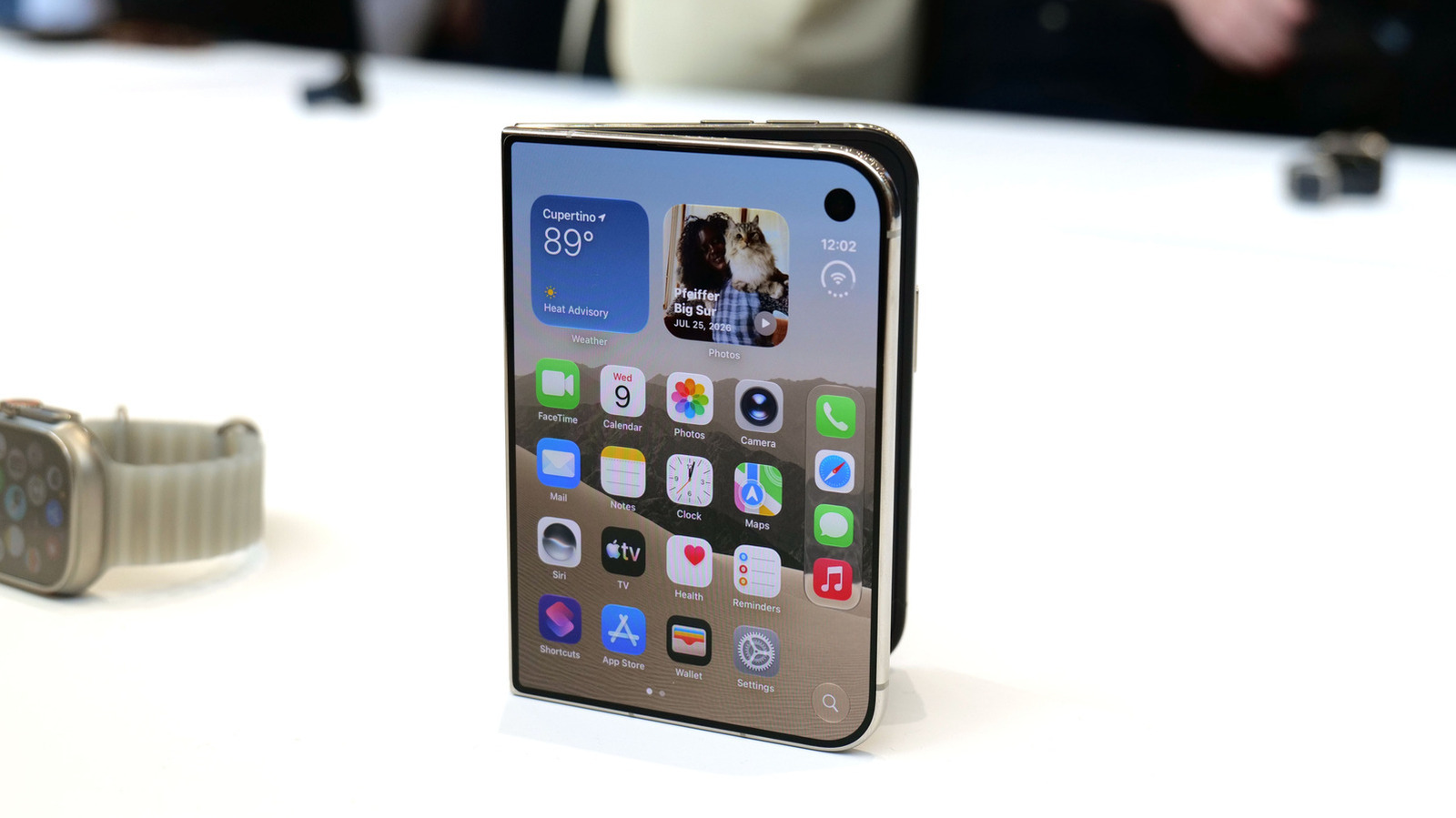
Apple iPhone Duo: A Daring Debut with Notable Compromises
Apple's highly anticipated iPhone Duo, priced at $2,000, has gone on pre-order. While hailed as "Apple's most exciting device in a decade" for its innovative foldable design and immersive display, it comes with significant drawbacks like the absence of FaceID and a premium camera.

AI's Confidence vs. Formal Methods' Rigor: Design Flaws & Verification
While AI accelerates code generation, formal methods remain critical for ensuring system correctness. Languages like TLA+ and tools like Quint enable developers to model and verify system designs before coding, catching subtle flaws. Quint makes formal methods more accessible with developer-friendly syntax and executability. This approach is vital for verifying AI-generated code through trace validation and model-based testing, ensuring reliability against real-world data.
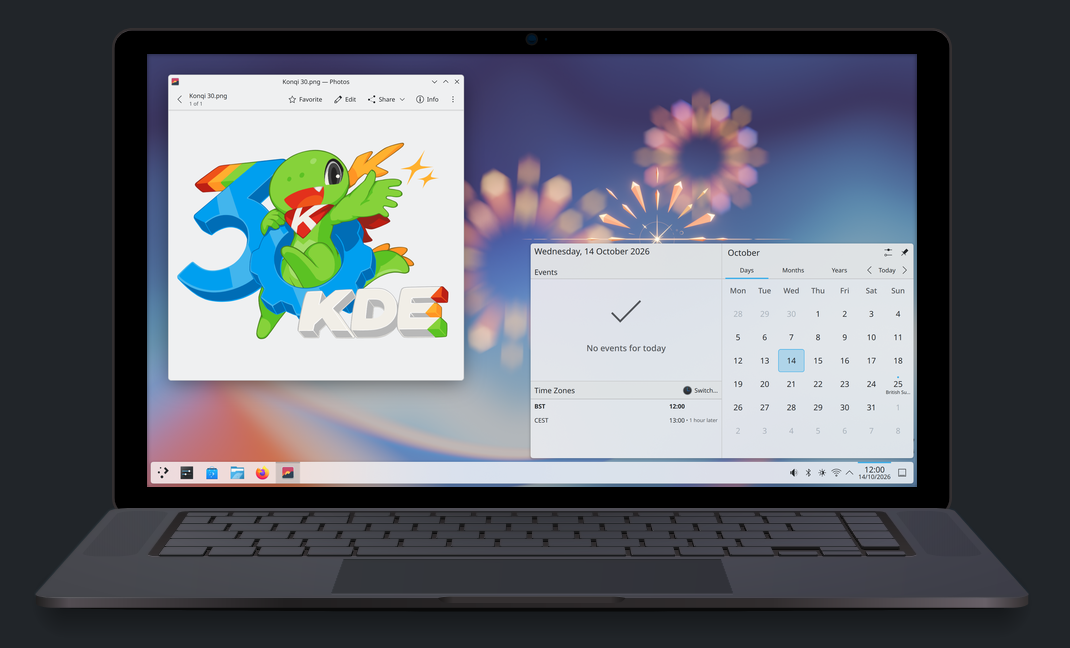
KDE Plasma 6.8: A Future-Focused 30th Anniversary Update
Quick Verdict KDE Plasma 6.8, arriving as the "30th Anniversary Edition," is a pivotal release that decisively pushes the desktop environment into the future. With a definitive farewell to native X11 sessions and a