
Seattle Schools' New Cellphone Rules Now Active, Impacting All
Seattle Public Schools (SPS) officially implemented its first district-wide cellphone policy on Monday, May 4, 2026, ending years of inconsistent rules across its campuses. The move standardizes expectations for student

Seattle Public Schools (SPS) officially implemented its first district-wide cellphone policy on Monday, May 4, 2026, ending years of inconsistent rules across its campuses. The move standardizes expectations for student device use, aiming to curb distractions and foster better learning environments amidst a national conversation on technology in schools.
The new regulations, which were enacted as a procedural update by Superintendent Ben Shuldiner, establish clear guidelines that vary by grade level. The policy follows extensive research and community input, including observations from pilot schools within the district.
New Rules: What Students Need to Know
For students in kindergarten through eighth grade, the “Off and Away for the Day” rule is now in effect. This mandates that cellphones must be turned off and stored away for the entire school day, including during classes, lunch, and passing periods, with no general exceptions.
High school students (grades 9-12) will adhere to the “No Cell Bell to Bell” rule. This means phones must be stored during all instructional time but can be used during lunch and passing periods. The district emphasizes that this differentiated approach aims to support older students in developing independence and digital citizenship by practicing responsible device use in a structured setting.
This standardization addresses a long-standing issue where cellphone rules varied significantly from one school or even classroom to another. "One of the hardest parts of enforcing a school-based procedure is when families don’t have the same experience at the school down the street,” noted Washington Middle School Principal Adrian Manriquez.
Exceptions to the policy are in place for students requiring devices for medical reasons or those with documented IEP or Section 504 accommodations. Families needing to contact their children during school hours are directed to do so via the school office, as was standard practice before the widespread adoption of smartphones.
Why Now? Pressures and Perspectives
The implementation follows months of careful consideration, engaging students, families, educators, and the Instructional Technology Advisory Committee. It also aligns with a growing national trend to manage student cellphone use, though Washington state has been notably slow to adopt comprehensive policies at a statewide level, earning a “failing grade” in a recent nationwide scorecard for leaving policies to individual districts.
Superintendent Ben Shuldiner, just three months into his tenure, pushed the policy forward without a formal board vote, which drew criticism from some board members. Board member Evan Briggs voiced concerns that the high school rule might resemble a "nonpolicy" due to potential inconsistencies in enforcement across classrooms. Board member Liza Rankin highlighted unaddressed issues like staff phone use and accommodations for students using phones as translation tools.
Despite the pushback, Shuldiner has remained firm, stating, “It’s something we probably should have done years ago.” Community reactions have been mixed, with some welcoming the immediate change and others questioning the policy's efficacy without robust enforcement mechanisms.
The Research Behind the Ban
The district's decision is underpinned by research highlighting the detrimental effects of cellphone use on student focus and academic performance. Studies indicate that students can take up to 20 minutes to regain concentration after a phone-related distraction, and the mere presence of a smartphone can reduce test scores for nearby students by approximately 6%.
A January 2026 study from the UW School of Medicine found that U.S. teenagers spend over an hour daily on their phones during school hours, predominantly on social media platforms like Instagram, TikTok, and Snapchat. Dr. Dimitri Christakis, a UW pediatrics professor and senior author, emphasized that these apps are "designed to be addictive," detracting from classroom engagement.
Initial findings from SPS pilot schools, such as Robert Eagle Staff Middle School which used Yondr pouches for an all-day ban, suggest positive cultural shifts. Counselors observed students choosing in-person connections, while teachers reported reduced disruptions and stress.
However, the impact on students is more complex. A preliminary UW study involving 4,400 participants indicated that while 15-20% of students saw improved attention and work completion, 10-15% reported increased stress and a sense of lost agency. Lead researcher Lucía Magis-Weinberg found these stress findings particularly "surprising."
Furthermore, a British study published in a Lancet journal earlier this year found no direct evidence that restrictive school policies alone improve overall phone use or student well-being, though it confirmed the link between heavy phone use and negative mental health, sleep, and academic outcomes. The study suggested the focus should be on reducing overall usage beyond just school bans.
FAQ
Q: What are the main differences in the new cellphone rules for elementary/middle schoolers versus high schoolers?
A: K-8 students must keep phones off and stored "Off and Away for the Day" for the entire school day, including breaks. High schoolers (9-12) follow a "No Cell Bell to Bell" rule, meaning phones are stored during instructional time but allowed during lunch and passing periods.
Q: Why did Seattle Public Schools implement this new district-wide policy now?
A: The policy was adopted after months of research and community input, addressing a long-standing lack of consistent rules across schools. It also aligns with growing national pressure to manage student cellphone use and combat distractions in the classroom, driven by research on negative impacts on student focus and academic performance.
Q: Does research support the effectiveness of school phone bans in improving student outcomes?
A: Evidence is mixed. SPS pilot schools reported positive shifts like increased in-person interaction and fewer disruptions. Studies show phone distractions reduce focus and test scores. However, a UW study found some students experienced higher stress, and a British study suggested bans alone don't necessarily improve overall phone use or well-being, advocating for broader efforts to reduce usage.
Related articles

Apple Unveils iPhone Duo: Pricey Foldable Sees Soaring Demand
Apple has officially entered the foldable smartphone arena with the long-anticipated launch of the iPhone Duo. Priced starting at a hefty $1,999, the device features a 5.4-inch outer display and a larger 7.6-inch inner

in-depth: Chicago-Area Cops Helped HSI Spy on Minnesota Anti-ICE
Chicago-area law enforcement, including local police and HSI agents, conducted undercover surveillance on Minnesota anti-ICE activists at an April 2, 2022, talk in Chicago. This operation was part of a federal conspiracy probe into 15 Minnesota activists facing felony charges related to immigration enforcement resistance. Civil liberties advocates have condemned the surveillance as a troubling intrusion into protected political activity.

Mark Wahlberg on using AI in film ‘the right way’ and being open to
Actor Mark Wahlberg believes AI has a place in filmmaking if used responsibly for enhancement, not script generation or actor replacement. At TechCrunch Disrupt, he expressed openness to an AI likeness carrying on his legacy, managed by his family, and emphasized storytelling.

Tesla Unveils Thruster-Equipped Roadster, 2028 Production Targeted
Tesla has unveiled its second-generation Roadster, featuring cold-gas thrusters co-developed with SpaceX, enabling it to jump and flip. The electric sports car demonstrated 0-60mph in an astonishing 0.81 seconds, with production targeted for 2028. This highly anticipated reveal also serves as a key recruitment tool for Tesla's ambitious AI and robotics initiatives.
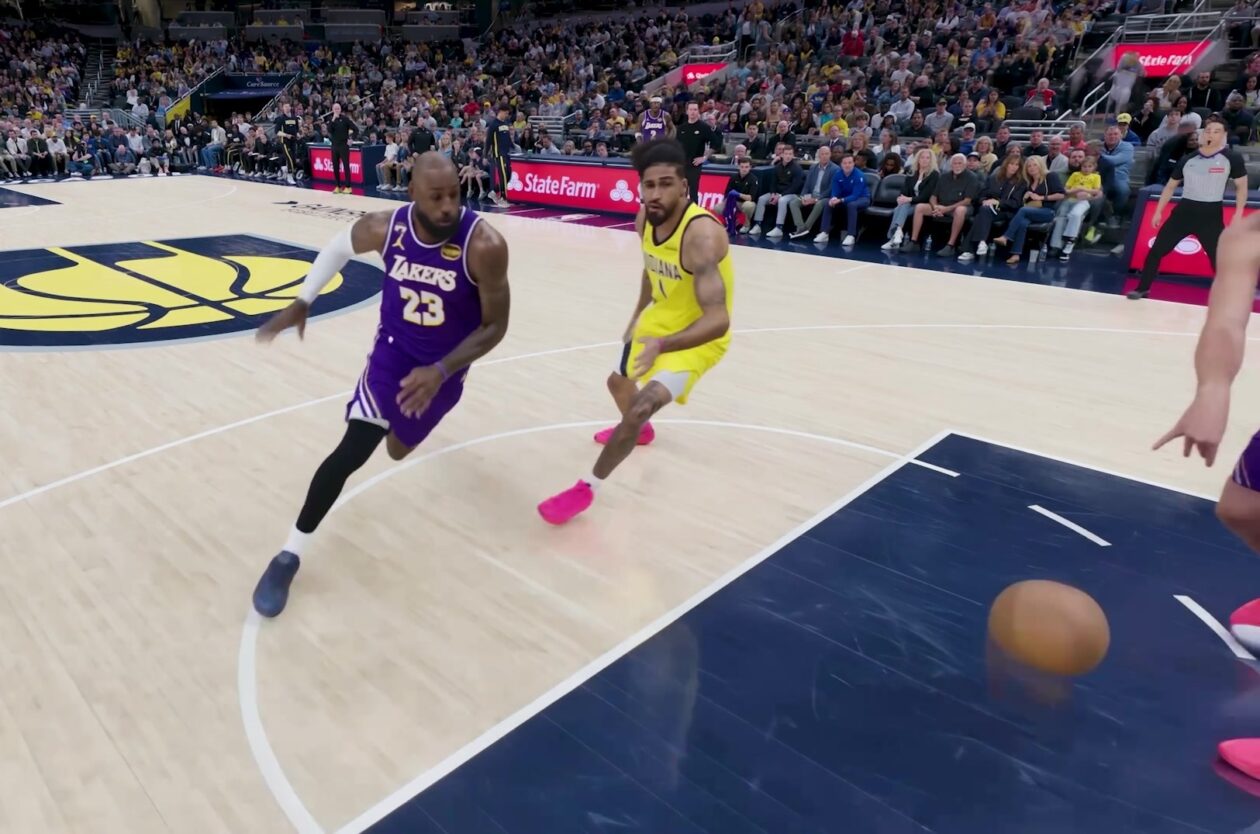
Amazon Prime Video Launches AI-Powered Prime 360 for NBA Coverage
Amazon Prime Video is elevating its NBA coverage with the introduction of Prime 360, an AI-powered replay system offering immersive, 'fly through' views of the action. Kicking off its second season, Prime Video also adds Yahoo fantasy integration and gains exclusive Eastern Conference Finals rights, expanding its tech-driven sports broadcast. The new features aim to deliver a unique and interactive viewing experience for basketball fans.
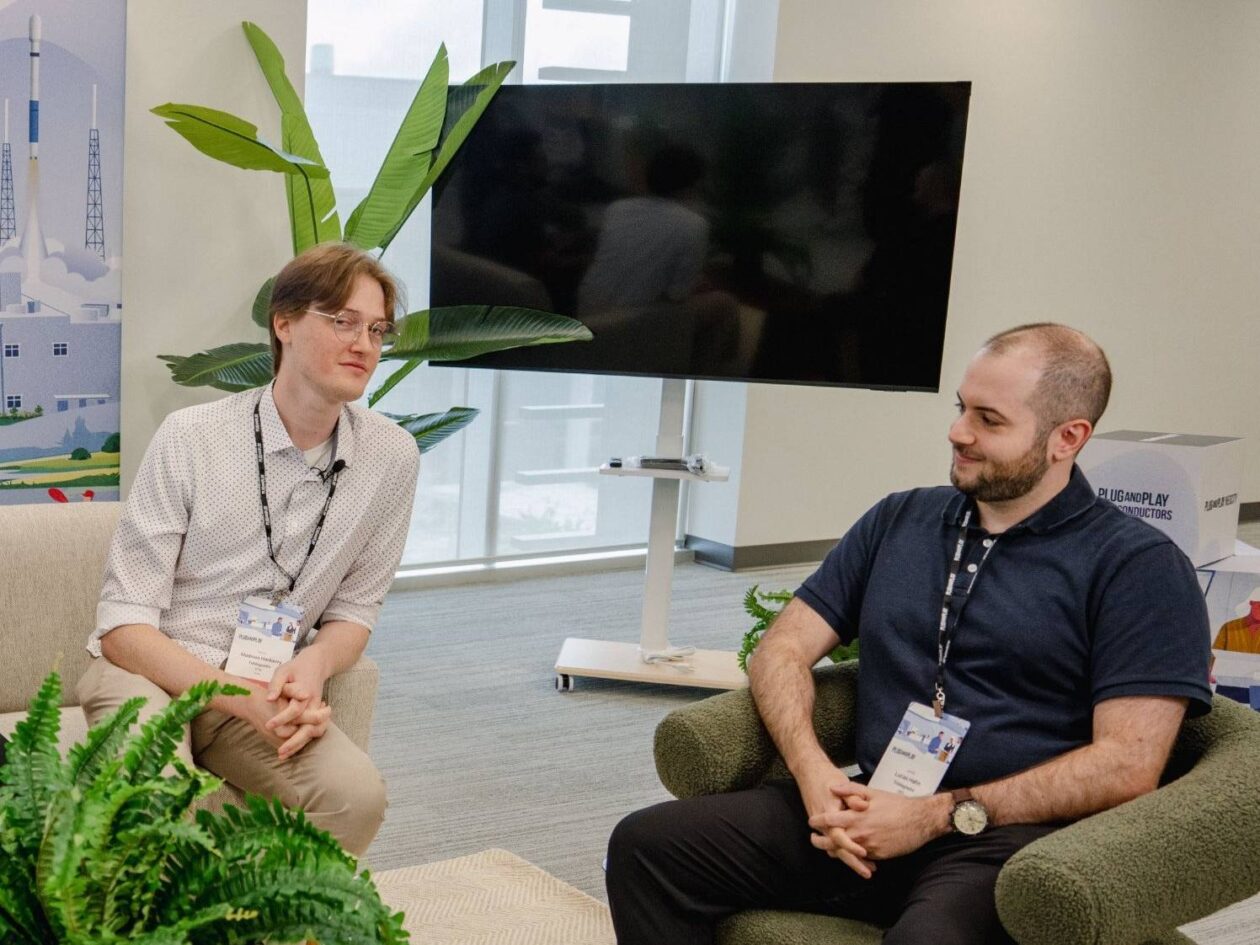
regional: A two-person Seattle startup lands $1M to reinvent
Seattle startup TriMagnetix has secured $1 million to develop semiconductor chips that consume 800 times less energy and are radiation-resistant. The two-person company, leveraging nanomagnetic technology, is targeting space applications and data centers. With new funding and key partnerships, TriMagnetix aims for commercial sales within a year.