
Samsung Galaxy S26 Review: The Case for Faster Charging
The Samsung Galaxy S26 series lacks built-in magnetic Qi2 wireless charging. Faster speeds (up to 25W) are available for S26+ and Ultra, but require a separate magnetic case. Samsung offers a strong accessory ecosystem.

Samsung Galaxy S26 Review: The Case for Faster Charging
Our Verdict
The Samsung Galaxy S26 series arrives without built-in magnetic hardware for Qi2 wireless charging, a choice Samsung attributes to "space constraints." This necessitates a separate magnetic case for users seeking the fastest speeds – up to 20W for the S26+ and 25W for the S26 Ultra. Samsung has, however, developed a robust ecosystem of first-party and third-party magnetic accessories, easing this workaround. The base S26 remains at 15W. Ultimately, faster wireless charging is present for higher-tier models, but it's an experience gated by an additional purchase.
Specs at a Glance
- Wireless Charging Speeds:
- S26: 15W
- S26+: Up to 20W (requires magnetic case)
- S26 Ultra: Up to 25W Qi2 (requires magnetic case)
- Built-in Wireless Charging Magnets: None
- Reason for no magnets (Samsung): Space constraints
Overview
The Samsung Galaxy S26 series debuts with a conspicuous omission: built-in magnetic hardware for wireless charging. For the second year running, Samsung has bypassed native Qi2 magnetic capabilities across its entire S26 lineup. This means no Magnetic Power Profile (MPP) support directly within the phone, and thus, no satisfying snap onto a magnetic wireless charger. Instead, the phone simply rests on a pad, requiring careful manual alignment.
When questioned at the Unpacked event, a Samsung executive told Digital Trends that the decision was "probably due to space constraints," clarifying that thermal concerns were not a factor. This explanation, suggesting internal space limitations, is met with some skepticism, particularly as Google's new Pixel 10 series has successfully integrated wireless magnetic charging, dubbed "Pixelsnap charging," giving it a "clear edge" in daily charging convenience.
Performance & Features
Here’s where things get genuinely better — on paper, at least. Wireless charging speeds are up across the lineup: the S26+ now tops out at 20W, and the Ultra goes all the way to 25W Qi2. The base S26 is still stuck at 15W, but the jump for the two bigger models is real and welcome.
The catch? Those faster speeds come with strings attached. Specifically, a magnetic case. Without one, your phone is limited to whatever the Qi spec’s Extended Power Profile allows — which is 15W, full stop. Anything beyond that sits in Magnetic Power Profile territory, and that standard physically needs magnets to lock alignment and pull higher wattage from the charger. No magnets on the phone means no alignment means no extra speed (via 9To5Google). Samsung’s own 25W wireless charger is itself a magnetic puck, which tells you everything — it barely works without a magnetic case in the picture.
To Samsung’s credit, the company isn’t leaving buyers stranded. It launched a fresh lineup of first-party magnetic cases alongside the S26 series — silicone options with Qi2 magnets built inside, a transparent patterned “Rugged” variant, and a returning clear case. Samsung also dropped a new Magnet Wireless Charger (a slim 4.4mm Qi2 puck with a fabric USB-C cable, currently on sale for $34.99 from $49.99) and a 5,000mAh magnetic power bank with a kickstand. Third-party brands like Belkin, ESR, and dbrand have piled in too, with magnetic S26 cases that bring full MagSafe-style snap-on functionality to the table. Is it a little absurd that you need to buy a case just to use a charger at full speed? Absolutely. But at least the ecosystem around that workaround is now genuinely good.
Pros & Cons
Pros:
- Significantly faster wireless charging speeds for S26+ (20W) and S26 Ultra (25W Qi2) when a magnetic case is used.
- Robust ecosystem of first-party and third-party magnetic cases and charging accessories launched by Samsung.
- Samsung isn't 'leaving buyers stranded' with the necessary workaround.
- No thermal concerns cited for the absence of magnets.
Cons:
- No built-in Qi2 magnetic hardware across the entire S26 lineup.
- Achieving advertised faster wireless charging speeds requires a separate magnetic case purchase.
- Base Galaxy S26 remains at 15W wireless charging, no speed upgrade.
- Samsung's 'space constraints' explanation for omitting magnets is met with skepticism, especially compared to Pixel 10's built-in solution.
- The requirement to buy a case for full charging speed is described as 'a little absurd.'
Comparison
The most pertinent comparison for the S26 series' wireless charging is Google's Pixel 10. The Pixel 10 series integrates built-in wireless magnetic charging, dubbed 'Pixelsnap charging,' which gives it a 'clear edge' over the S26 lineup in daily charging convenience. While Samsung necessitates a magnetic case for optimal speeds and alignment, the Pixel 10 offers this functionality natively, providing a more integrated user experience.
Should You Buy It?
Deciding on the S26 series hinges on your wireless charging priorities. For S26+ or S26 Ultra users valuing faster speeds (up to 20W/25W), the series delivers, but requires a magnetic case. Samsung has commendably supported this with a robust ecosystem of first-party and third-party magnetic accessories. If a magnetic case is acceptable, the S26 offers a fast wireless solution. However, if needing an accessory for full charging seems 'absurd,' or if built-in magnetic convenience (like Pixel 10's 'Pixelsnap') is key, consider alternatives. For the base S26, remaining at 15W, speed isn't a factor. In essence, S26 offers improved speeds, but they're gated behind an accessory, though the surrounding ecosystem is 'genuinely good.'
Review FAQ
Q: Does the Samsung Galaxy S26 series have built-in magnets for wireless charging? A: No, the entire S26 lineup skips native Qi2 magnetic hardware.
Q: What is the maximum wireless charging speed for the S26 Ultra? A: Up to 25W Qi2, but only with a magnetic case.
Q: Is a special case needed for faster wireless charging on the S26+ or S26 Ultra? A: Yes, a magnetic case is required. Without one, charging is capped at 15W.
Q: Why did Samsung omit built-in magnets? A: A Samsung executive attributed it to 'space constraints' internally, ruling out thermal issues.
Related articles

Apple iPhone Duo: A Daring Debut with Notable Compromises
Apple's highly anticipated iPhone Duo, priced at $2,000, has gone on pre-order. While hailed as "Apple's most exciting device in a decade" for its innovative foldable design and immersive display, it comes with significant drawbacks like the absence of FaceID and a premium camera.
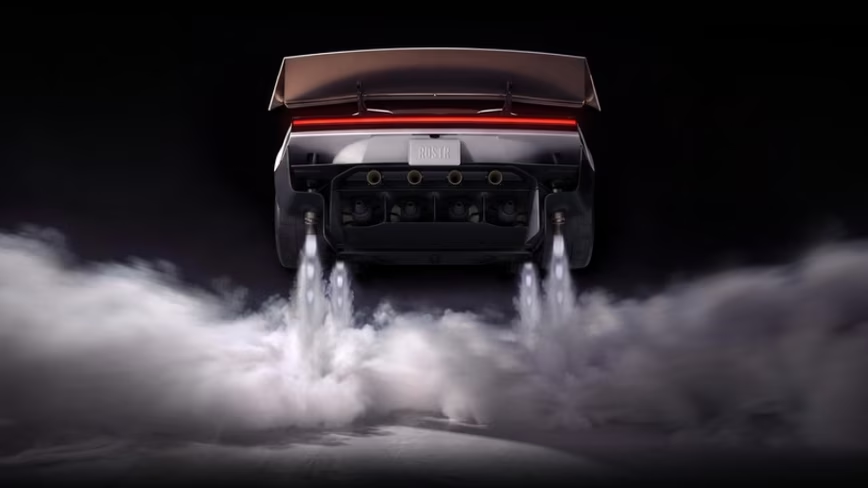
Tesla Unveils Thruster-Equipped Roadster, 2028 Production Targeted
Tesla has unveiled its second-generation Roadster, featuring cold-gas thrusters co-developed with SpaceX, enabling it to jump and flip. The electric sports car demonstrated 0-60mph in an astonishing 0.81 seconds, with production targeted for 2028. This highly anticipated reveal also serves as a key recruitment tool for Tesla's ambitious AI and robotics initiatives.
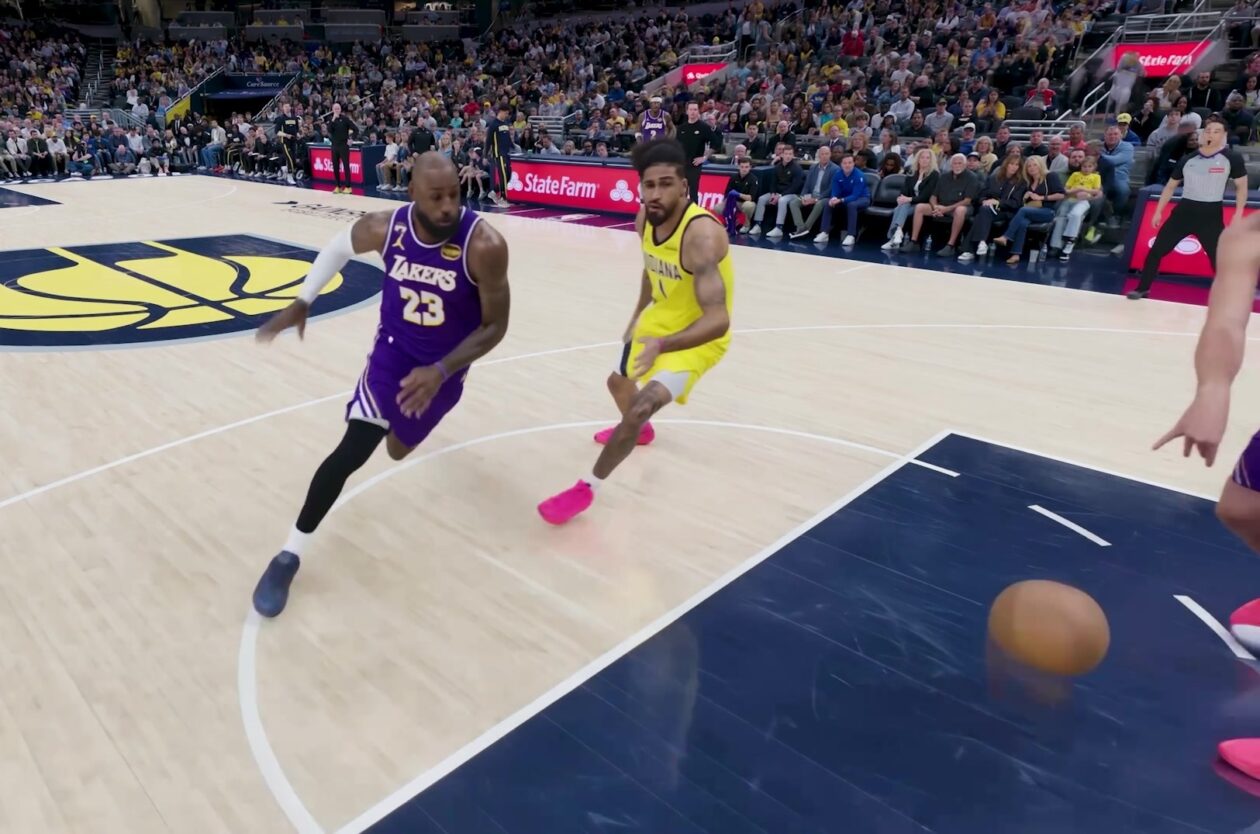
Amazon Prime Video Launches AI-Powered Prime 360 for NBA Coverage
Amazon Prime Video is elevating its NBA coverage with the introduction of Prime 360, an AI-powered replay system offering immersive, 'fly through' views of the action. Kicking off its second season, Prime Video also adds Yahoo fantasy integration and gains exclusive Eastern Conference Finals rights, expanding its tech-driven sports broadcast. The new features aim to deliver a unique and interactive viewing experience for basketball fans.

regional: A two-person Seattle startup lands $1M to reinvent
Seattle startup TriMagnetix has secured $1 million to develop semiconductor chips that consume 800 times less energy and are radiation-resistant. The two-person company, leveraging nanomagnetic technology, is targeting space applications and data centers. With new funding and key partnerships, TriMagnetix aims for commercial sales within a year.

Ephemeral PR Preview Environments on GKE: A Deep Dive
Every development team eventually grapples with the limitations of shared staging environments. The familiar scenario: multiple features deployed simultaneously, database migrations clashing, and the phrase "it works on
Galaxy Watch One UI 9 Beta: Promising Progress, But Patience Needed
Galaxy Watch 8, Watch Ultra, and Watch 7 are receiving a new One UI 9 Watch beta build with bug fixes and a security patch. Active development signals progress, but a stable release date remains elusive.