
Salvaging Machinist Knowledge: Young Founders Tackle Retirement Wave
Neuramill, a startup founded by Nistha Mitra and Nick Khormaei, is developing AI-powered software to capture the invaluable knowledge of retiring machinists in America. Their technology creates an "intelligence layer" for high-precision manufacturing, suggesting optimal production plans that are reviewed by human experts. The Seattle-rooted company aims to prevent the loss of critical expertise, with early traction including a defense contractor and machine shop partners.
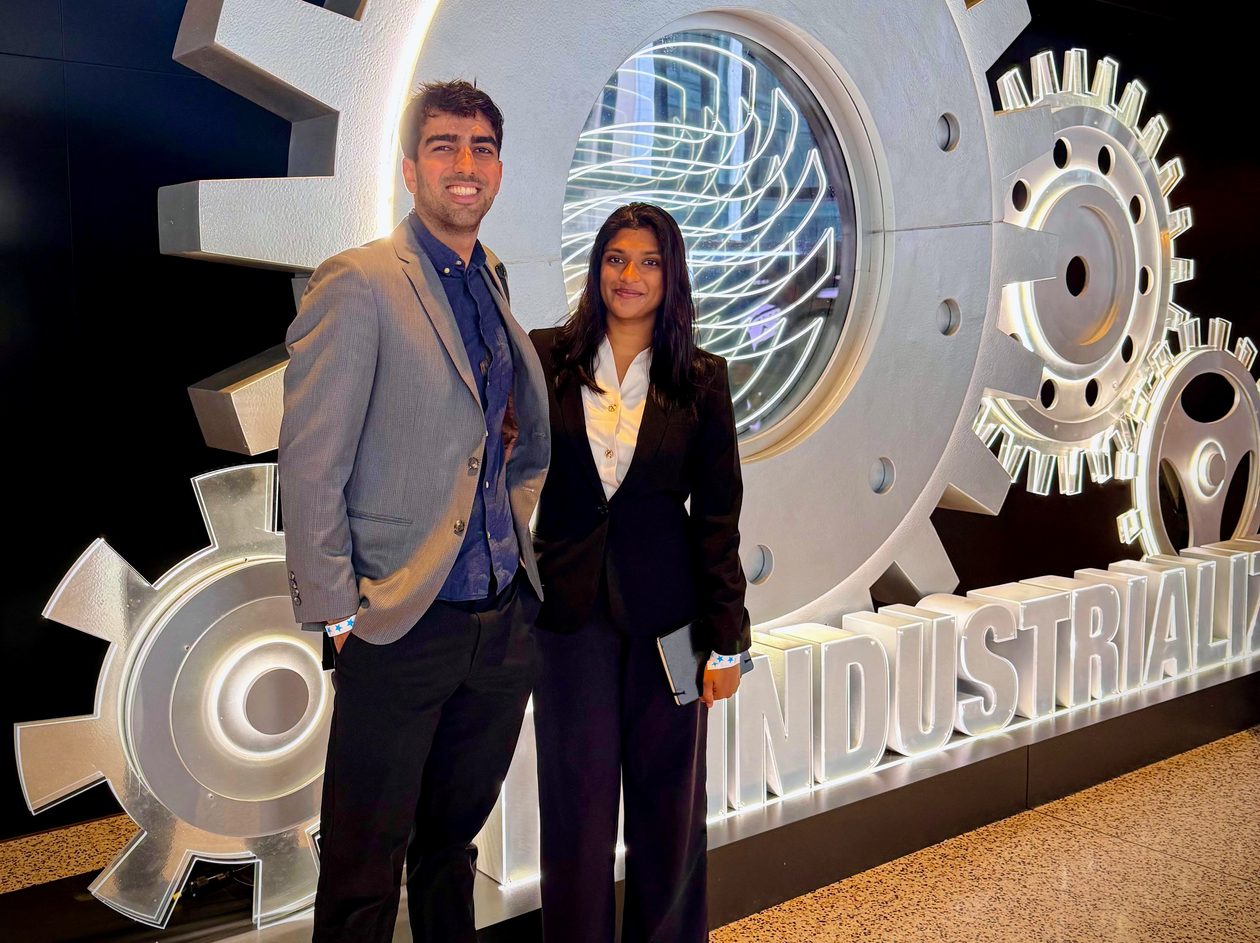
As America faces a looming crisis with its highly experienced machinists retiring, a Seattle-rooted startup founded by two individuals in their 20s is stepping in to preserve invaluable industry knowledge. Neuramill, led by CEO Nistha Mitra and COO Nick Khormaei, is developing an "intelligence layer" software designed to capture the nuanced expertise of veteran machinists, preventing it from walking out the door with them.
This innovative technology aims to digitize the decades of practical wisdom that experienced machinists accumulate regarding material behavior, tooling decisions, and complex manufacturing processes. By doing so, Neuramill seeks to bridge the generational gap in high-precision manufacturing, particularly within the critical aerospace and defense sectors.
The inspiration for Neuramill emerged from the founders' observations of the manufacturing floor. "This is a high-skill job, and nobody’s retaining this information," Mitra stated, highlighting the urgency of the problem. Khormaei added, remarking on the machinists' impressive craft, "They’re able to look at these drawings and models that come in and know exactly how to build it. It’s like they’re doing real-time physics simulation."
How Neuramill's Technology Works
Neuramill's software integrates into the existing manufacturing workflow at a crucial, often manual, stage. After a design file is received, the system analyzes it to determine the optimal manufacturing plan, including the specific tools, machines, and sequence of operations required. This plan is then presented to an experienced machinist for review and approval before any physical production begins.
The startup isn't looking to replace established computer-aided manufacturing (CAM) software from companies like Siemens or Mastercam. Instead, Neuramill's technology functions as an enhancement, plugging into these existing systems. This collaborative approach is evidenced by Neuramill's participation in Siemens' Frontier Partner Program, signaling an industry recognition of its complementary value.
Founders' Background and Early Traction
Nistha Mitra, 26, brings a strong artificial intelligence background to Neuramill, with a computer science degree from the University of Maryland and three years as an AI applied scientist at Oracle in Seattle. There, she focused on multimodal models that could interpret diverse data types.
Nick Khormaei, 24, holds electrical engineering degrees from the University of Washington. His professional experience includes propulsion engineering at Boeing, where he worked on 777X fuel system electrical certification, and an integration and test engineering role at SpaceX for Starlink manufacturing. His connection to manufacturing runs deeper, having grown up working in his father's cast iron cookware company, FINEX, giving him firsthand insight into the craft.
Neuramill has already secured a six-figure contract with a major, undisclosed defense contractor. Two machine shops, Seattle-based Diamond Machine Works and California's VTN Manufacturing, are currently utilizing the software. Satellite manufacturer Astranis is also collaborating as a design partner, testing and providing feedback on the software. The company is not yet broadly selling its solution but has received payments from these early adopters.
Funding, Team, and Geographic Presence
The startup has successfully raised an undisclosed amount of funding from investors including Ascend, Breakwater Ventures, Schema Ventures, Creative Destruction Lab, Acequia Capital, and Correlation Ventures. The growing team comprises six full-time employees and one contractor, including the two founders, a chief research scientist from Mitra's Oracle days, and three engineers—one of whom is a practicing machinist, ensuring practical expertise is embedded in the development.
Despite having relocated to San Francisco, Mitra and Khormaei maintain strong ties to Seattle, frequently returning to work from Foundations, a local founder hub. Mitra emphasized their continued connection, stating, "We love this ecosystem. It gave birth to Neuramill." She also noted Seattle's thriving aerospace and space industries as a key draw for customer engagement.
The Future of Manufacturing: A Human-Centric Vision
Looking ahead, Neuramill's long-term aspiration is to build a "world model" for manufacturing. This ambitious system would be capable of reasoning across intricate geometries, diverse materials, and complex machine behaviors. Crucially, even with such advanced automation, the founders envision a sustained and vital role for human expertise on the shop floor.
Mitra firmly believes in respecting the human element in manufacturing. "There is a beauty to the craft of manufacturing that we should really respect," she said. "There are some places where humans should not be extracted out of an industry, and I think manufacturing is one of them." Neuramill's mission is not to replace skilled workers but to empower them, ensuring their invaluable knowledge informs future generations of manufacturing.
FAQ
Q: What specific problem is Neuramill trying to solve? A: Neuramill addresses the significant loss of institutional knowledge and expertise that occurs when highly experienced machinists retire, particularly in high-precision manufacturing for aerospace and defense. This knowledge, gained over decades, is crucial for efficient and accurate production.
Q: How does Neuramill's software help preserve machinist knowledge? A: The software acts as an "intelligence layer" that analyzes design files and proposes optimal manufacturing plans, including tool selection, machine usage, and operational sequences. This process captures the decision-making logic of expert machinists, allowing their methodologies to be applied to new jobs, while still requiring human review and approval.
Q: Who are Neuramill's initial customers and partners? A: Neuramill has secured a contract with a major defense contractor and is working with machine shops like Diamond Machine Works in Seattle and VTN Manufacturing in San Jose. Satellite maker Astranis is also a design partner, collaborating on the software's development.
Related articles

Blockbuster Launches: Zelda and GTA Signal Industry Shift
Rockstar's Grand Theft Auto VI and Nintendo's new Zelda title are launching in November 2026, marking a significant moment for the gaming industry. These highly anticipated blockbusters are seen as a reprieve in a challenging year, yet also symbolize a bygone era of game development.

WIRED Unveils 2026's Best Space Heaters, Addresses Recall
WIRED's 2026 review identifies the top space heaters for portable warmth, emphasizing safety, efficiency, and quiet operation. The Dreo Whole Room Heater 714 earns the "best overall" title, though the review also flags a critical recall for a similar Dreo model, highlighting the importance of consumer vigilance.
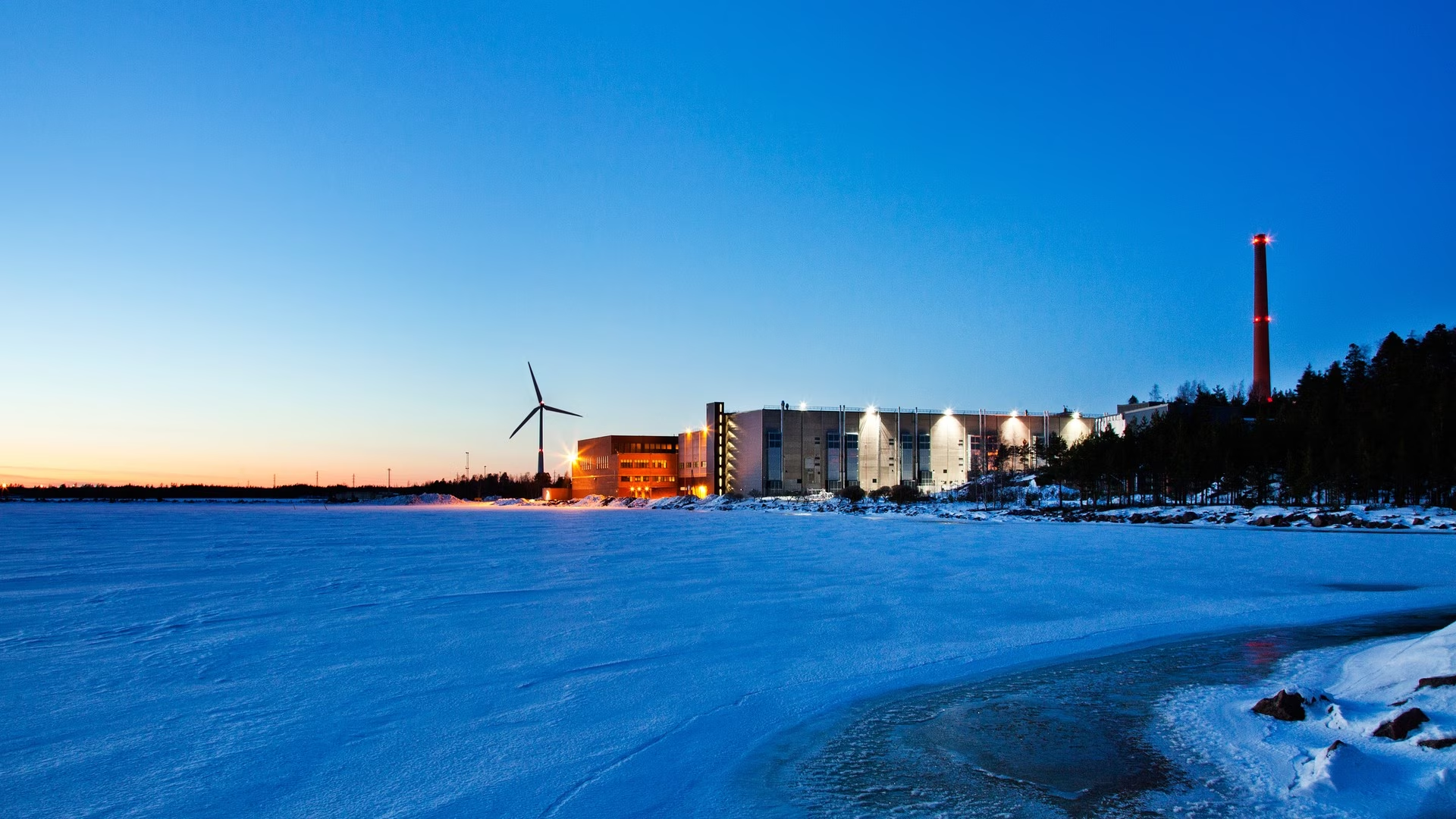
Finnish Police Probe Google Over Data Center Environmental Damage
Finnish police have launched a criminal investigation into Google's Muhos data center site over suspected environmental damage, specifically citing issues with drainage and water management. The probe targets Google's local subsidiary, Tuike Finland, following extensive forest clearing without prior environmental assessment. Google has pledged full cooperation.

OpenAI reportedly lowers funding target for new round: Fundraising
OpenAI has reportedly lowered its funding target to $20 billion for its latest round, after initially aiming for $30 billion. The company has secured $11 billion so far, facing a "tepid" response from investors amid market wariness of AI infrastructure spending.

I took two iPhones on vacation. The Duo won me over.: Apple — Key
TechCrunch reporter Sarah Perez reviewed Apple's new iPhone Duo on vacation, initially facing frustrations but ultimately preferring the foldable to her iPhone 17 Pro Max. The Duo's durability, unique form factor, and ability to foster intentional screen time outweighed its drawbacks, including Touch ID and a lesser camera.
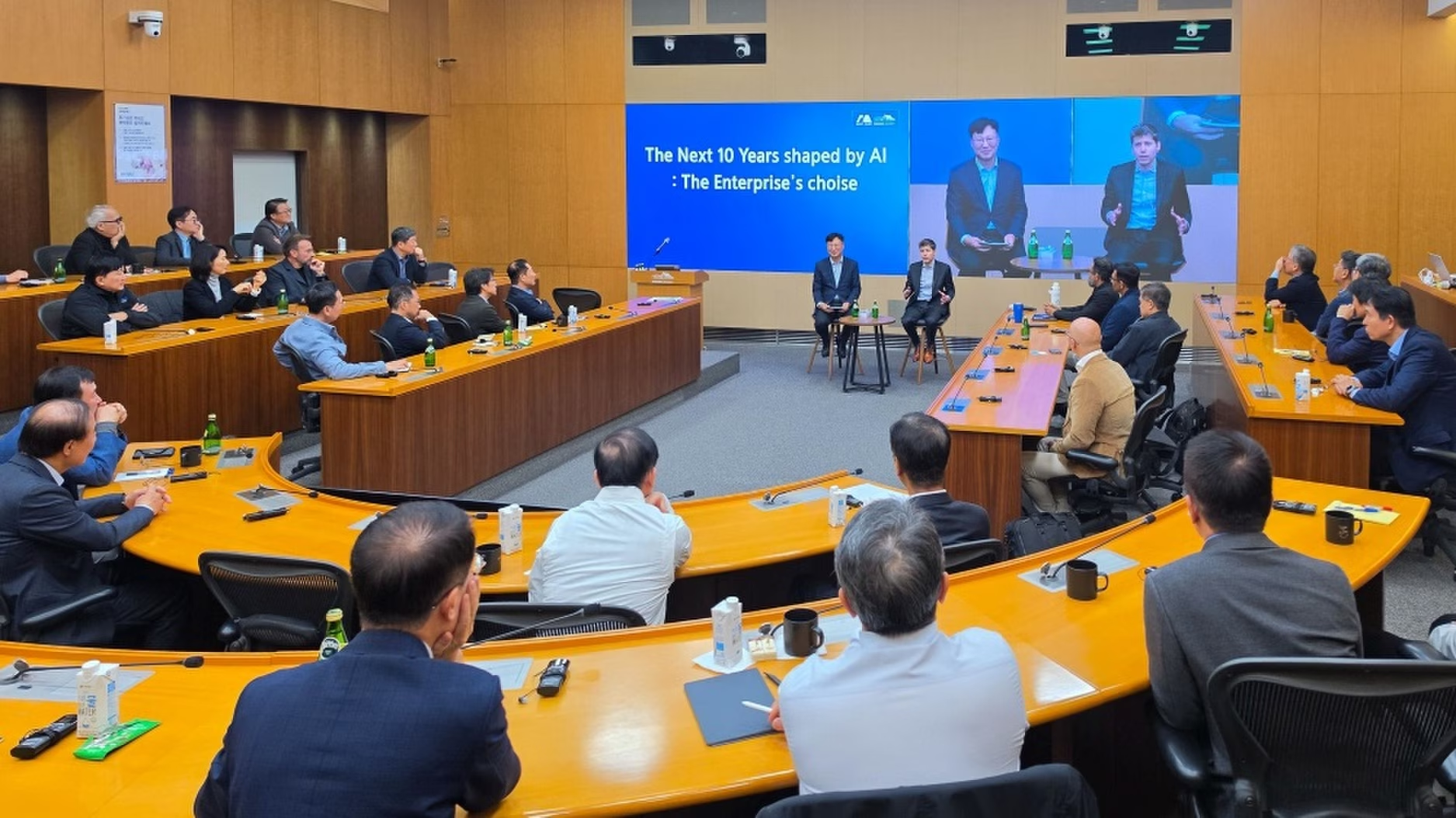
Sam Altman Meets Samsung Presidents After DRAM Efficiency Remarks
OpenAI CEO Sam Altman met with 50 Samsung executives in South Korea to discuss AI's future, just days after criticizing inefficient DRAM use in personal computers. This high-level summit underscores the critical role of memory chips in AI development and the intensifying global supply shortage. The meeting reinforces Samsung's existing partnership with OpenAI, which includes supplying memory for the Stargate project and deploying AI tools internally.