
reviews: TCL X11L Uses Super Quantum Dots for More Colors Than Ever
CNET has featured a video on the TCL X11L television, highlighting its use of "Super Quantum Dots" technology to deliver an unprecedented range of colors. This innovation signals TCL's focus on advanced display quality for enhanced visual experiences. The provided source confirms the video's existence but offers no further product specifications or availability details.

TCL X11L Uses Super Quantum Dots for More Colors Than Ever video
Key takeaways
- The TCL X11L television model is distinguished by its innovative "Super Quantum Dots" technology.
- This advanced display feature is promoted as delivering an unprecedented range of colors for enhanced visual quality.
- Information regarding the TCL X11L and its color capabilities is featured in a dedicated CNET video, highlighting the product's coverage by a leading tech journalism platform.
What happened
CNET, a prominent platform for technology journalism and content, has published a video report titled "TCL X11L Uses Super Quantum Dots for More Colors Than Ever." This multimedia content is listed within CNET's comprehensive video library, which serves as a central hub for expert guides and insights into the rapidly evolving tech landscape. The inclusion of this video signifies CNET's coverage of TCL's latest advancements in television display technology, specifically focusing on the X11L model.
The title of the video itself reveals the primary focus: a notable development in color reproduction achieved through what TCL designates as "Super Quantum Dots." While the provided source material constitutes a broad CNET webpage encompassing extensive navigation links, category descriptions for news, artificial intelligence, general tech, home, entertainment, wellness, gift guides, and various promotional deals, the explicit reference to the TCL X11L video positions it as a key piece of content related to the TV and home entertainment sector. The webpage structure highlights CNET's role in disseminating information on new product innovations. However, the source content does not provide specific details regarding the narrative, technical findings, or demonstrations featured within the video itself, nor does it offer a transcript or summary of the video's contents. It primarily indicates the existence and subject matter of this dedicated multimedia report.
Why it matters
Advancements in display technology, particularly those aimed at achieving superior color accuracy and expanding the color gamut, are fundamental to enhancing the immersive quality of modern televisions. The integration of "Super Quantum Dots" in the TCL X11L suggests a continued evolution in how televisions render visual information, which is increasingly vital for the optimal viewing of high-quality content, including high-dynamic-range (HDR) movies, television series, and video games. A wider and more precise color palette can translate into more lifelike images, with greater vibrancy, deeper saturation, and more subtle distinctions between hues, collectively contributing to a more realistic and engaging picture.
Quantum dot technology has previously revolutionized LCD TVs by enabling purer, more saturated colors and higher brightness levels, thereby narrowing the performance gap with emissive display technologies like OLED. The "Super" designation attached to this iteration implies a potential breakthrough or significant refinement beyond existing quantum dot capabilities, which could establish new benchmarks for color performance in the consumer television market. For industry analysts, this represents TCL's strategic investment in pushing the boundaries of display science. For consumers, the promise of "more colors than ever" directly addresses a critical aspect of visual quality that profoundly impacts viewing enjoyment and fidelity. The precise technical specifications or comparative advantages of this specific technology are not detailed within the provided source, but the implication of substantial color improvement is clear.
Key details / context
The core information regarding the TCL X11L emanates from its coverage within a CNET video, a product of CNET's extensive online publication dedicated to consumer technology news and comprehensive reviews. CNET's platform offers a broad spectrum of content, ranging from in-depth product analyses across categories such such as phones, laptops, and audio devices, to detailed guides on smart home automation, cybersecurity solutions (VPNs), and personal finance management. The video specifically about the TCL X11L is logically situated within CNET's "TV" and "CNET Video" content sections, thereby embedding it within the larger discourse of home entertainment technology and product innovation.
The underlying principle of "Quantum Dots" involves microscopic semiconductor nanocrystals that emit light at precise wavelengths when stimulated, facilitating displays in generating a broader and more accurate spectrum of colors. The prefix "Super" applied to TCL’s quantum dot implementation suggests an advanced iteration or enhancement beyond conventional quantum dot technology, potentially involving optimized material compositions, refined manufacturing techniques, or novel integration methodologies designed to achieve superior color performance and efficiency. While the provided source text explicitly confirms the subject matter of the video, it does not furnish specific technical details such as the television's display resolution, peak brightness capabilities, refresh rates, or the integration of complementary display technologies like Mini-LED backlighting, which often enhances quantum dot-based displays. The singular, emphasized detail is the focus on advanced color reproduction as a distinguishing characteristic of the TCL X11L model, positioning it as a significant offering in the competitive premium display market by prioritizing visual fidelity.
What happens next
Based strictly on the information presented in the provided source content, there are no details available concerning the market availability, official pricing, specific launch dates, or any forthcoming announcements pertaining to the TCL X11L television. The source serves predominantly as a navigational hub for CNET's extensive content offerings and merely confirms the existence of a video that discusses the television's "Super Quantum Dots" technology. It does not include any forward-looking statements, product roadmaps, or direct indications of when or where this product will become accessible to consumers. For individuals seeking comprehensive details about the TCL X11L, its full specifications, or its market release strategy, it would be necessary to consult the CNET video directly or to refer to updated reports from CNET and other respected technology news outlets. The provided material is a static representation of CNET's content library at a specific point in time, rather than an active news feed on product launches or market developments.
Related articles

Flox Intelligence Harnesses AI to Safeguard Wildlife and
Flox Intelligence, a KTH spin-off and TechCrunch Disrupt finalist, is deploying AI-powered edge devices to deter wildlife from critical infrastructure like railways and airports. The system identifies animals and uses species-specific sounds, learning and adapting to prevent costly collisions and delays. With 150 devices deployed globally and $5 million raised, Flox aims to scale significantly with a new Series A round.

NVIDIA DLSS: A Powerful AI Upscaling Game-Changer
NVIDIA DLSS, or Deep Learning Super Sampling, has become a cornerstone technology for PC gamers with RTX graphics cards. It's a proprietary upscaling solution designed to boost game performance and, in some cases,

.si Domain Gold Rush: A Speculative Play on "Super Intelligence
Review of the .si domain gold rush: a speculative boom driven by the US government's "Super Intelligence" rebrand. India leads US in registrations, focused on short names. Low cost fuels speculation, but future value is uncertain.
Avalanche Studios Group to Publish Supermassive Games Globally
Avalanche Studios Group will globally publish Supermassive Games titles, starting with Directive 8020, under a new Nordisk Games agreement. This move combines Supermassive's narrative horror expertise with Avalanche's publishing strength, ensuring creative independence for both studios and aiming for long-term success amidst industry shifts.

Jaguar Type 01 Review: A Bold, Divisive Electric GT Rebirth
The Jaguar Type 01 marks a controversial but powerful all-electric rebirth for the brand, offering supercar-level performance and impressive range, wrapped in a polarizing "brutalist" design.
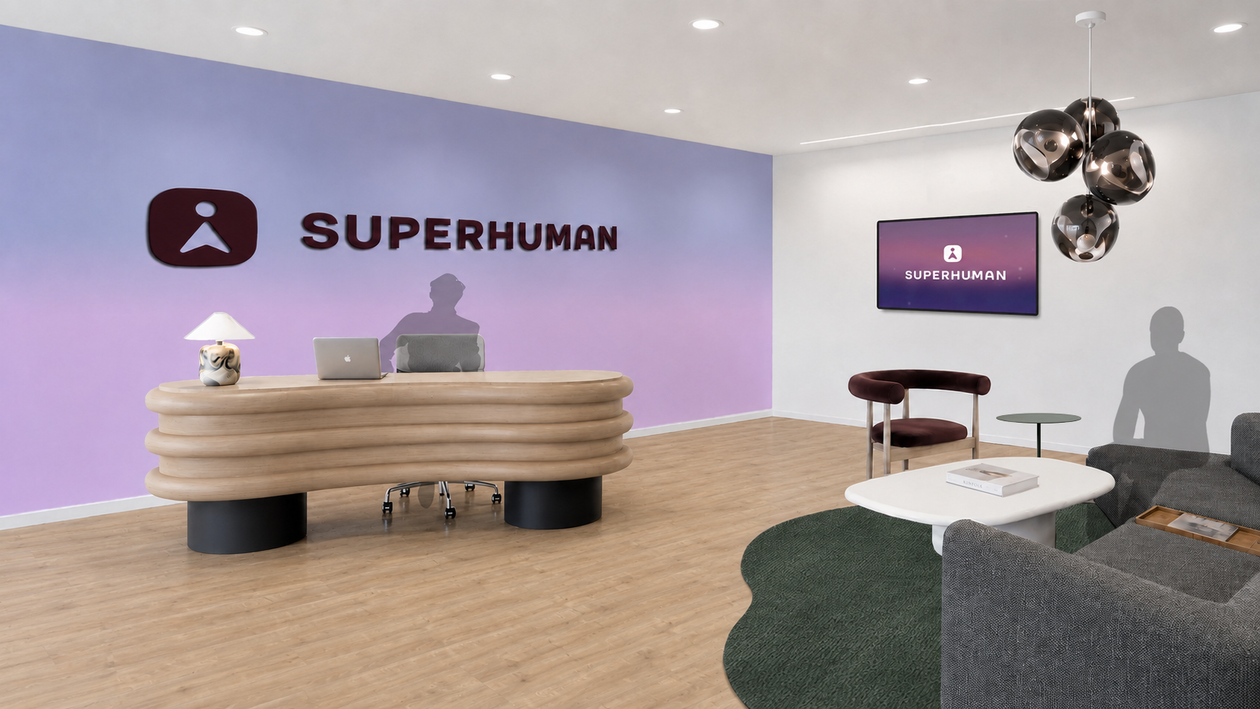
Superhuman opens new Seattle office, joining wave of AI companies
Superhuman, formerly Grammarly, has opened a 13,501-square-foot office in Seattle's South Lake Union, signaling significant expansion and recruitment plans. The AI productivity firm aims to boost its 96-strong local team, joining a wave of AI companies establishing a strong presence in the Pacific Northwest tech hub. This strategic move highlights Seattle's growing appeal for AI talent and investment.