
Polymarket Reportedly Paid People to Post Fake Betting Videos
A *Wall Street Journal* investigation reveals Polymarket allegedly paid creators to post over 1,100 fake social media videos depicting false betting wins. These videos deceptively showed $900,000 in winnings on bets that would have lost $166,000, without disclosing they were paid promotions. Many clips and related fake sites were removed after the inquiry.

Prediction market platform Polymarket has reportedly engaged in a widespread deceptive marketing campaign, paying individuals to create and share fake social media videos showcasing fabricated bets and celebratory wins. This revelation comes from a Wall Street Journal investigation, which uncovered over 1,100 such clips, leading to many being scrubbed from accounts and associated fake websites taken down after the Journal began its inquiries. The scheme aimed to portray an illusion of significant winnings, while in reality, the featured bets would have resulted in substantial losses.
Deceptive Practices Uncovered
The Wall Street Journal's comprehensive review identified more than 1,100 instances of these misleading videos circulating across social media. Creators, whose videos did not disclose their paid endorsements, confirmed to the Journal that Polymarket compensated them for producing these clips. A key element of the deception involved using subtly altered URLs, such as "poiymarket.com" instead of the legitimate "polymarket.com," to stage the fake betting scenarios. This detail highlights the premeditated nature of the misleading campaign, designed to obscure the true origin and authenticity of the content.
Fabricated Wins and Real Losses
The financial discrepancies uncovered by the investigation are particularly stark. While 118 of the reviewed videos depicted creators reacting to purported winnings totaling nearly $900,000, the Wall Street Journal found that these exact bets, if real, would have actually incurred collective losses of $166,000. This significant disparity underscores the depth of the misrepresentation, creating a false impression of success and profitability on the platform for potential users. The strategic portrayal of large, easy wins served as a powerful, albeit dishonest, incentive for engagement on the prediction market.
Swift Response and Industry Implications
Following the Wall Street Journal's intensive investigation and the subsequent questions posed to Polymarket and the involved creators, a rapid response indicates an effort to manage the burgeoning scandal. Many of the identified deceptive videos have since been systematically scrubbed from various social media accounts where they were originally posted. In parallel, Polymarket has reportedly dismantled the fraudulent "poiymarket" websites that were integral to staging these fake betting scenarios. This swift removal of evidence highlights the severe implications of the exposé and suggests an acknowledgment of the misleading nature of the campaign.
The incident delivers a significant blow to Polymarket's credibility and casts a wider shadow over the integrity of prediction markets as an emerging sector, particularly as The Verge frames it, in an era where "everything is gambling now." Such deceptive marketing practices, designed to lure users with false promises of easy riches, can severely erode public trust, which is a cornerstone for any platform dealing with financial transactions or user investments. The lack of transparency regarding paid endorsements and the fabrication of winning outcomes raise serious questions about consumer protection and ethical advertising standards in the digital age. This situation could potentially trigger increased scrutiny from regulatory bodies concerning the operations and marketing strategies of prediction markets, which are already navigating complex legal frameworks. Ultimately, Polymarket's alleged actions serve as a stark reminder of the potential for manipulation in online promotional content, emphasizing the critical need for platforms to uphold honesty and transparency to maintain user confidence and market legitimacy.
FAQ
Q: What is Polymarket accused of doing? A: Polymarket is accused of paying creators to post fake social media videos of themselves placing bets and celebrating fabricated wins on its platform, without disclosing that these were paid promotions or that the bets were not real.
Q: How was the deception uncovered? A: A Wall Street Journal investigation uncovered over 1,100 deceptive clips. The Journal found subtle clues, such as videos featuring "poiymarket.com" instead of the real "polymarket.com," and creators later confirmed they were paid for the content.
Q: What was the financial misrepresentation in the fake videos? A: In 118 of the videos reviewed, creators were shown reacting to purported winnings totaling nearly $900,000. However, the Wall Street Journal determined that these same bets, if real, would have actually resulted in total losses of $166,000.
Related articles

Apple Unveils iPhone Duo: Pricey Foldable Sees Soaring Demand
Apple has officially entered the foldable smartphone arena with the long-anticipated launch of the iPhone Duo. Priced starting at a hefty $1,999, the device features a 5.4-inch outer display and a larger 7.6-inch inner

in-depth: Chicago-Area Cops Helped HSI Spy on Minnesota Anti-ICE
Chicago-area law enforcement, including local police and HSI agents, conducted undercover surveillance on Minnesota anti-ICE activists at an April 2, 2022, talk in Chicago. This operation was part of a federal conspiracy probe into 15 Minnesota activists facing felony charges related to immigration enforcement resistance. Civil liberties advocates have condemned the surveillance as a troubling intrusion into protected political activity.

Mark Wahlberg on using AI in film ‘the right way’ and being open to
Actor Mark Wahlberg believes AI has a place in filmmaking if used responsibly for enhancement, not script generation or actor replacement. At TechCrunch Disrupt, he expressed openness to an AI likeness carrying on his legacy, managed by his family, and emphasized storytelling.

Tesla Unveils Thruster-Equipped Roadster, 2028 Production Targeted
Tesla has unveiled its second-generation Roadster, featuring cold-gas thrusters co-developed with SpaceX, enabling it to jump and flip. The electric sports car demonstrated 0-60mph in an astonishing 0.81 seconds, with production targeted for 2028. This highly anticipated reveal also serves as a key recruitment tool for Tesla's ambitious AI and robotics initiatives.
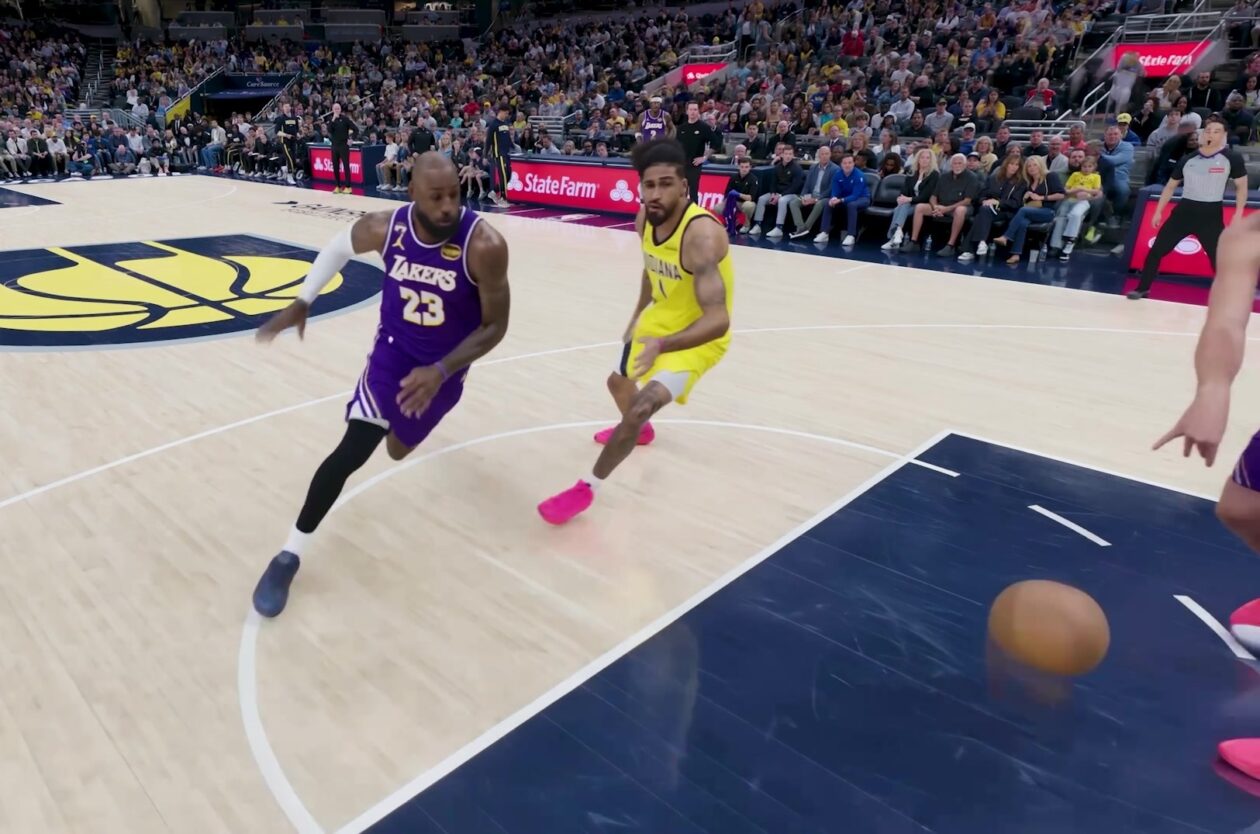
Amazon Prime Video Launches AI-Powered Prime 360 for NBA Coverage
Amazon Prime Video is elevating its NBA coverage with the introduction of Prime 360, an AI-powered replay system offering immersive, 'fly through' views of the action. Kicking off its second season, Prime Video also adds Yahoo fantasy integration and gains exclusive Eastern Conference Finals rights, expanding its tech-driven sports broadcast. The new features aim to deliver a unique and interactive viewing experience for basketball fans.

regional: A two-person Seattle startup lands $1M to reinvent
Seattle startup TriMagnetix has secured $1 million to develop semiconductor chips that consume 800 times less energy and are radiation-resistant. The two-person company, leveraging nanomagnetic technology, is targeting space applications and data centers. With new funding and key partnerships, TriMagnetix aims for commercial sales within a year.