
in-depth: Scientists Invent a Way to Brew Espresso With Ultrasonic
Researchers have developed "ultrasonic espresso," a method that brews coffee using sound waves instead of hot water, achieving a 75 percent reduction in energy consumption. The innovative process produces a beverage with chemical and sensory characteristics comparable to traditional espresso, opening new avenues for sustainable coffee production. This breakthrough could lead to next-generation coffee makers that are significantly more energy-efficient.

Scientists at Australia's University of New South Wales, led by Colombian researcher Francisco Trujillo, have unveiled a groundbreaking method to brew espresso using ultrasonic waves instead of conventional hot water. This innovative "ultrasonic espresso" process promises a remarkable 75 percent reduction in energy consumption while yielding a beverage chemically and sensually comparable to its traditional counterpart. The discovery, detailed in the latest issue of the Journal of Food Engineering, marks a significant leap in sustainable coffee production.
The core of this experimental system involves directing high-frequency sound waves directly into a filter basket containing ground coffee and room-temperature water. Rather than relying on thermal energy, the technology harnesses a phenomenon known as acoustic cavitation. This process entails the rapid formation and subsequent collapse of microscopic bubbles, which generate powerful microcurrents.
These intense microcurrents efficiently facilitate the extraction of soluble compounds, including flavor, oils, aroma, and caffeine, from the coffee grounds. The research team specifically engineered a device to transmit ultrasonic vibrations uniformly throughout the entire filter basket, effectively transforming it into an "acoustic reactor." This design ensures that sound waves impact multiple points simultaneously, thereby accelerating the movement of liquids around the coffee particles and enhancing the extraction.
Trujillo explains that ultrasound effectively replaces heat with mechanical energy. While the ultrasonic brewing process takes longer—approximately two and a half to three minutes compared to a conventional espresso's rapid 30 seconds—its substantial energy savings present a compelling advantage. The system consumes just 24 percent of the energy typically required by a standard espresso machine to produce a beverage of similar intensity.
To validate their method, researchers meticulously adjusted variables such as grind size, ultrasound power, and brewing duration. Using a fine grind and 100 watts of power, they successfully produced coffee with levels of dissolved solids and extraction yields equivalent to those considered ideal by the Specialty Coffee Association. Crucially, experiments repeated under identical conditions but without ultrasound failed to achieve these comparable values.
Beyond efficiency, the team conducted rigorous chemical analyses. They found that concentrations of key compounds like caffeine and chlorogenic acid were similar to those obtained by conventional methods. Furthermore, no significant variations were detected in the pH balance or the overall composition of volatile compounds responsible for coffee's distinctive aroma. These findings suggest the ultrasonic process preserves the essential chemical fingerprint of espresso.
Sensory evaluations involving a diverse group of 100 participants further supported the method's viability. Testers showed no notable preference for either the ultrasonic or conventional espresso, with scores for aroma, flavor, bitterness, and overall acceptance being virtually identical. Interestingly, when the technique was applied to filtered coffee, the ultrasonically processed version was generally preferred, with participants rating its bitterness as "more pleasant."
This innovation holds significant implications for environmental sustainability. By drastically reducing energy consumption, ultrasonic brewing offers a greener alternative for coffee production, particularly at an industrial scale, such as for ready-to-drink products. The research opens the possibility of developing a new generation of coffee makers capable of preparing a diverse range of styles—from espresso to filtered coffee and cold brew—all powered by the same energy-efficient ultrasonic technology.
The characteristic hiss and whir of traditional espresso machines might one day be replaced by the inaudible, energy-efficient vibrations of ultrasound. This suggests a future where coffee brewing is not only more sustainable but also potentially quieter and more versatile, all while delivering a comparable taste experience.
FAQ
Q: How much energy does ultrasonic espresso save compared to traditional methods? A: The ultrasonic system uses just 24 percent of the energy consumed by a typical espresso machine, resulting in a significant 75 percent energy saving.
Q: Does ultrasonic espresso taste the same as regular espresso? A: Sensory tests involving 100 participants showed no notable preference for either method, with scores for aroma, flavor, bitterness, and overall acceptance being virtually equivalent.
Q: What are the potential future applications of this technology? A: The research suggests the possibility of developing new coffee makers capable of preparing various coffee types, including espresso, filtered coffee, and cold brew, using the same energy-efficient ultrasonic technology.
Related articles

Vals, backed by Andreessen Horowitz, is looking to become the gold
Vals, a San Francisco startup, has secured $40 million in Series A funding led by Andreessen Horowitz to revolutionize AI benchmarking. The company aims to replace outdated, manipulable evaluation systems with rigorous, confidential, and task-specific assessments for AI models. Vals' approach focuses on real-world impact across industries, seeking to become the trusted standard for AI accountability and public trust.

Meta CTO Blames 'Bad Actors' for Glasses Privacy Woes Amidst
Meta's CTO, Andrew Bosworth, dismisses privacy concerns over smart glasses as a "bad actors" problem, just as the company prepares to launch a camera-free version, "Luna." This strategic product shift, coupled with mounting regulatory scrutiny in Europe and easily defeated privacy safeguards on existing models, casts doubt on Bosworth's defense.

ai: World model companies are keeping a lot of secrets: TechCrunch AI
Despite accumulating significant funding and industry buzz, leading world model companies such as Yann LeCun’s AMI Labs and Fei-Fei Li’s World Labs are maintaining an intense veil of secrecy around their actual product
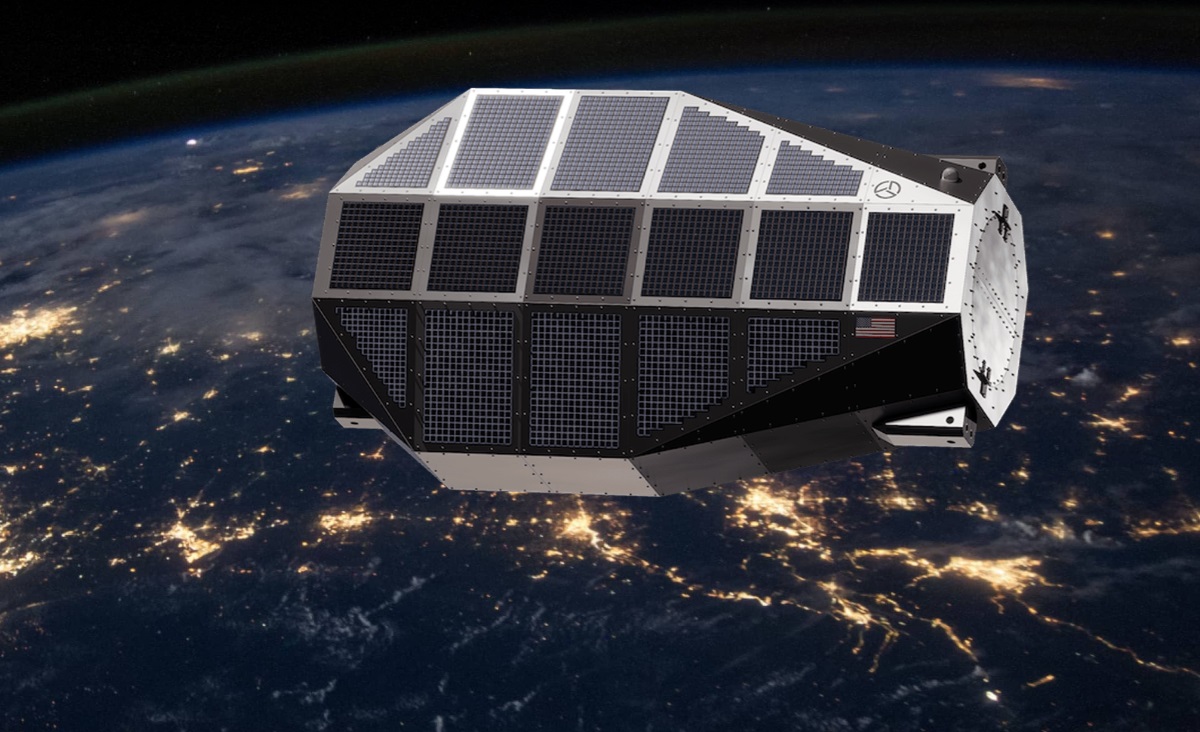
Space hardware startup plans $125M stock offering and Nasdaq listing
Space hardware startup Gravitics is pursuing a $125 million stock offering and Nasdaq listing through a reverse takeover of shell company Non-Invasive Monitoring Systems. This unorthodox move aims to accelerate its public market entry and fund the development of orbital carriers and space station modules, building on significant contracts with Axiom Space, NASA, and the U.S. Space Force.

Meta’s Copyright System Weaponized Against Albanian Protesters
Meta's Instagram platform is under fire as Albanian anti-government protesters face mass account suspensions due to what appears to be a coordinated campaign of false copyright complaints. European lawmakers are calling for an investigation, with evidence suggesting individuals were paid to file the reports. The European Commission is already scrutinizing Meta's content moderation practices under the Digital Services Act.

Waymo Sets Sights on Singapore for Next Robotaxi Expansion by 2028
Waymo, an Alphabet-owned company, has announced its plans to launch a commercial robotaxi service in Singapore by 2028. This move follows an aggressive international expansion strategy, with vehicles arriving soon for mapping and testing in 2027. The deployment is contingent on regulatory approval from Singapore's Land Transport Authority, leveraging the city-state's progressive autonomous vehicle ecosystem.