
OnePlus's Exit: A Loss for Design Innovation in US Android
The recent confirmation of OnePlus’s departure from the US and European smartphone markets has cast a somber shadow over the Android landscape, particularly for enthusiasts craving something beyond the predictable. As
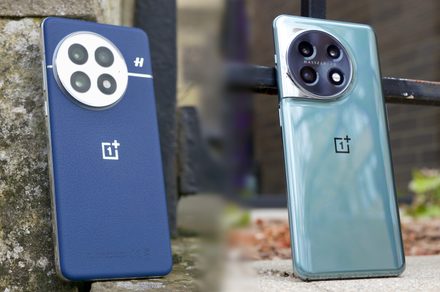
The recent confirmation of OnePlus’s departure from the US and European smartphone markets has cast a somber shadow over the Android landscape, particularly for enthusiasts craving something beyond the predictable. As an experienced tech reviewer, I concur with the sentiment that this exit signals a significant loss, potentially making the Android phone experience in these regions considerably more uninteresting.
Verdict: OnePlus's exit leaves a palpable void in the US Android market, curtailing design innovation and variety that few other brands offered, reducing consumer choice to largely predictable options.
OnePlus, a brand known for its distinctive approach, has officially ceased launching new products in the US and Europe. While existing customers are assured continued software updates and after-sales support, the absence of new devices means a narrowing of options for consumers. In the premium Android segment, the choices realistically distill down to Samsung and Google, both undeniably strong contenders, but ones that the source article argues have become overly consistent and safe in their design philosophies.
The End of Unpredictable Design
What made OnePlus unique, and what will be sorely missed, was its consistent pursuit of design novelty and tactile experiences. The article highlights that for many, the anticipation for a new OnePlus launch wasn't merely about incremental performance bumps, but about uncovering what fresh aesthetic or material innovation the company would unveil next. This unpredictability stood in stark contrast to the more formulaic releases seen from its primary competitors.
Early OnePlus devices, like the original OnePlus One, are remembered not just for their internal specifications, but for external features such as the Sandstone back. This rough, grippy texture was a deliberate departure from the glossy, often slippery finishes prevalent at the time. The introduction of StyleSwap covers, offering materials like bamboo or Kevlar, further cemented OnePlus's commitment to personalization and user interaction with the phone’s physical form – a concept that felt truly fresh then, and arguably still does today.
OnePlus consistently reinvented its design language. The OnePlus X, for instance, pivoted from rugged textures to a more elegant aesthetic with polished metal and ceramic options. Later, through various aluminum unibody designs and distinct glass finishes like Mirror Black or Silk White, OnePlus demonstrated a knack for imbuing each device with a unique personality. Even as recently as the OnePlus 13 and Nord 4, the brand continued to experiment with finishes inspired by silk, natural wood, or a return to metal, ensuring their devices always offered something visually and tactilely distinct.
Remembering Android's Design Trailblazer
The OnePlus 7T Pro stands out as a prime example of the brand's willingness to challenge conventions. Its full, uninterrupted edge-to-edge display, made possible by a pop-up selfie camera, was a truly magical user experience. Watching the camera emerge and retract added a sense of wonder often missing from mass-market devices. This innovative spirit extended to concepts like the Concept One, with its McLaren-inspired leather back and electrochromic glass that could render the rear cameras invisible when not in use. While perhaps not always strictly necessary, these bold ideas showcased a company unafraid to explore and push boundaries, injecting a dose of excitement into the mobile world.
Not every design experiment was a universal hit, but they were almost always conversation starters. The prominent circular camera module on the OnePlus 11, the “Flowy Emerald” finish of the OnePlus 12 that mimicked frozen water, or the dual material options (matte glass or vegan leather) on the OnePlus Open – all provided a distinct identity, whether you loved or loathed them.
The Current Landscape: Polish vs. Personality
With OnePlus out of the picture, the US Android flagship market becomes even more streamlined. Samsung's Galaxy line, while undeniably premium and highly polished, follows a pattern of careful, iterative refinement. Each new generation is a predictable evolution, offering consistency rather than groundbreaking design shifts. Similarly, Google's Pixel phones have established a recognizable identity with their camera bar, building upon this aesthetic with each release. Both approaches have their merits, fostering brand recognition and reliability, but they lack the element of surprise and daring material experimentation that OnePlus so often brought to the table.
Here’s a comparison of the design philosophies among the key Android players, as interpreted from the source material:
| Design Aspect | OnePlus (Historical US/EU Approach) | Samsung Galaxy (Current) | Google Pixel (Current) |
|---|---|---|---|
| Design Philosophy | Unpredictable, experimental, personality-driven | Polished, refined, iterative, consistent | Recognizable camera bar, builds on established identity |
| Material Variety | High (Sandstone, bamboo, ceramic, leather, unique glass finishes) | Premium (Glass, metal) | Premium (Glass, metal) |
| Risk-Taking | High (pop-up cameras, invisible cameras) | Low (safe refinements) | Low (consistent identity) |
| Tactile Experience | Emphasized (textured backs) | Standard smooth/glossy | Standard smooth/glossy |
This table illustrates the core argument of the article: while Samsung and Google excel in polish and consistency, they don't fill the void left by OnePlus's more adventurous and diverse design choices.
Buying Recommendation
For consumers in the US and Europe, the departure of OnePlus means a more homogeneous Android flagship market. If you prioritize consistent performance, reliable software, and a highly polished, albeit predictable, user experience, Samsung's Galaxy series or Google's Pixel phones remain excellent choices. They represent the pinnacle of mainstream Android and are proven performers.
However, if your preference leans towards unique aesthetics, diverse material options, or a device that simply feels and looks different from the norm, you will keenly feel the absence of OnePlus. The market now has fewer brands willing to take risks with design and material choices, making it challenging to find a phone with a truly distinctive personality. Your options for such experimentation within the US flagship Android space are now significantly diminished.
FAQ
Q: Are Android phones in the US truly more 'boring' now?
A: According to the article, yes, primarily in terms of design innovation and material experimentation. While core performance and features remain strong, the unique design risks and diverse aesthetic choices that OnePlus brought to the market are now largely absent among mainstream flagships.
Q: What about existing OnePlus phone owners in the US and Europe?
A: The company has confirmed that existing customers will continue to receive software updates and after-sales support, so your current device will not immediately become obsolete or unsupported.
Q: What are the best alternatives for consumers who liked OnePlus's unique designs?
A: The article implies that direct alternatives with the same level of design unpredictability and material variety are now scarce in the mainstream US Android market. Samsung and Google offer highly refined devices, but their design philosophies prioritize consistency over the bold experimentation that characterized OnePlus.
Related articles
Android 17 QPR2 Beta 7.1: The Performance Relief You've Been Waiting
Android 17 QPR2 Beta 7.1: Finally Fixing the QPR1 Performance Woes Verdict: Android 17 QPR2 Beta 7.1 is a crucial and highly anticipated software update for Google Pixel users, specifically targeting and resolving the

MapQuest's ALPR Feature: Navigating Surveillance with Intelligence
Quick Verdict MapQuest's latest "Surveillance" feature is a compelling and timely addition, offering users the ability to identify automated license plate reader (ALPR) cameras in their vicinity. While its data sourcing

"thegentlemanpervert": A Catastrophic Failure in Digital Ethics and
"thegentlemanpervert" review: An AI CSAM production and distribution operation, led by a NJ prosecutor, proved to be an absolute and catastrophic failure, resulting in felony charges and a stark warning about digital culpability.

regional: Etzioni on AI: The colorful and cranky language of the AI
AI researchers Oren Etzioni and Daniel S. Weld have released a new GeekWire glossary of over 35 non-technical AI terms, revealing a "cranky" vocabulary heavily focused on AI's problems and potential harms. They define terms like "AI slop," "deepfakes," and "brain rot," alongside their own coinages such as "AI slap," "promptatory," and "agentsomnia," noting a distinct lack of common phrases for AI's positive impacts.

Porsche’s electric Macan Turbo is an automotive existential crisis
Porsche's 2026 electric Macan Turbo challenges traditional sports car definitions, blending exhilarating 630-hp performance with an anonymous crossover design. Tested on various roads, it raises questions about automotive identity in the EV era, proving that immense power can come in an understated package.

DJI Solo Video Setups: Smart Choices for Lone Creators
This review delves into DJI's recommended solo video setups, highlighting the Osmo Pocket 3 Creator Combo as a top pick for its integrated camera, gimbal, and mic. It also covers stabilizers like the Osmo Mobile 8 and RS 4, and the DJI Mic Mini series for enhanced audio, providing honest pros, cons, and clear buying advice.