
No, Devs Aren't Lazy: Unpacking Our Game Update Expectations
The "Lazy Dev" Lie: Why Game Updates Aren't Guaranteed Alright, gamers, let’s talk. If there's one phrase I wish we could collectively delete from the internet, it’s the utterly dismissive and frankly insulting
The "Lazy Dev" Lie: Why Game Updates Aren't Guaranteed
Alright, gamers, let’s talk. If there's one phrase I wish we could collectively delete from the internet, it’s the utterly dismissive and frankly insulting accusation of "lazy devs." Beyond the obvious disrespect it shows to folks toiling in an industry notorious for crunch, long hours, and job instability, it’s a comment that says more about modern consumer expectations than it does about development teams.
I get it. We're all passionate about games, and sometimes that passion boils over into frustration. Accusations of corporate greed? I can see the perspective. Drifting development priorities? Frustrating, for sure. But the "lazy" jab? That one gets my goat. Games are born from immense passion and dedication, often exploited by those higher up the chain. To see such a cheap shot become common currency in online discourse feels… well, repulsive, especially when you know the burnout rates these creators face.
That's why a recent, incredibly measured response from Landfall Games, the masterminds behind last year's surprise hit Peak, really stood out. When hit with the "lazy dev cycle" accusation, they calmly explained that their game received plenty of free content post-launch, but crucially, it's not a live service title. Therefore, further updates are a bonus, not an obligation. They hit the nail on the head, pointing to a growing chasm between how studios create games – launch, update for a bit, then move on – and the player expectation for endless content. This disconnect is where the friction truly begins.
Live Service Logic, Single-Player Reality
Landfall's insight into live service games shaping player expectations is spot-on. We've seen a seismic shift in how we talk about games over the last decade. Terms once reserved for perpetually updated, subscription-based titles are now being applied to single-player experiences. A game with a perfectly solid 40-80 hour narrative that drops in player count after a few months might be declared "dead." A fantastic single-player experience that doesn't get DLC or content patches for a year is labeled "abandoned" or "failing."
This isn't just about "entitlement," though it can feel that way. It's about a new definition of "fandom" where purchasing a game allegedly grants you an endless service contract with its creators. This distorted view, perhaps fueled by the parasocial relationships encouraged by social media influencers, blurs the lines between consumer and creator, making some players feel their demands should be met without question.
The Industry's Role in Shifting Expectations
While player attitudes have definitely shifted, we can't ignore that the industry itself has played a significant role in stoking these expectations. The idea of "endless service" hasn't emerged in a vacuum. Live service titles have trained us to anticipate seasonal updates, regular patches, and treat longevity as a primary marker of success. That’s understandable for their business model. But even for full-price, non-live service games, publishers and developers increasingly focus on player engagement metrics long after launch.
Part of this is strategic: good DLC offers healthy profit margins, and keeping a game in the public eye builds hype for future sequels. But it’s still curious to see so many resources poured into existing titles when, in the not-so-distant past, successful teams would simply move on to create the next big thing.
Digital Sales & Redemption Stories
The most significant catalyst for this change, however, is the wholesale shift to digital purchasing. For decades, games did almost all their selling in week one. Now, digital storefronts offer a "long tail" – games stay available and hold their price points much longer. The second-hand market, which once aggressively drove down prices, is effectively gone. Sales, bundles, and subscription services like Game Pass or PS Plus offer endless opportunities to extend a game's lifespan, generate revenue, and onboard new players who might buy DLC.
This digital landscape has fundamentally changed the calculus. Publishers adapted, trying to keep games in the limelight longer, and player expectations followed suit. Crucially, "redemption stories" like No Man's Sky and Cyberpunk 2077 further cemented this. While those were incredibly difficult, unlikely victories snatched from the jaws of defeat, they inadvertently created the notion that any flawed launch could become a classic if only "lazy" developers would buckle down and pump out major updates. Publishers, of course, are happy to feed this beast; new updates mean new trailers, fresh media attention, and a chance to reset public perception.
The Real Cost of "Endless" Content
But there's a significant cost to this expectation, far beyond forum comments. Development resources are finite. Teams tirelessly working on content updates and DLC aren't working on new games. Developers, particularly indie studios but also larger ones, have every right to move on to fresh projects.
In an ideal world, our expectations would align with Landfall's suggestion: what you get in the box (or initial download) is the game, and everything beyond critical bug fixes is a bonus. Unfortunately, we're far from that ideal, thanks to a decade of industry practices that actively nurtured these very expectations. It's time for us, as players, to acknowledge the reality of game development and allow creators the freedom to create, not just endlessly update.
FAQ
Q: Does this mean developers shouldn't fix bugs or release patches?
A: No, critical bug fixes and essential stability patches are generally considered part of the initial product's support. The discussion here focuses on new content, features, or major overhauls that go beyond rectifying initial issues.
Q: Why do some games, like live service titles, get constant updates then?
A: Live service games are designed from the ground up with ongoing monetization and engagement in mind, making continuous updates a core part of their business model. This expectation, however, has often been incorrectly applied to all game types.
Q: So, calling developers "lazy" is always wrong?
A: Yes. The term "lazy" is almost universally an unfounded, disrespectful jab that ignores the incredible passion, skill, and grueling hours developers pour into their creations, regardless of whether a game receives post-launch content or not.
Related articles
TCG Pocket Responds: A Much-Needed Pace Shift for Pokémon Fans
Pokémon TCG Pocket is rolling out a major update for its second anniversary, primarily addressing player concerns about overwhelming content releases by shifting to a six-week set schedule. This aims to curb player decline and improve overall engagement by giving trainers more time to collect and strategize. The update also adds new collection methods, improved deck-building features, and enhanced trading functionality.
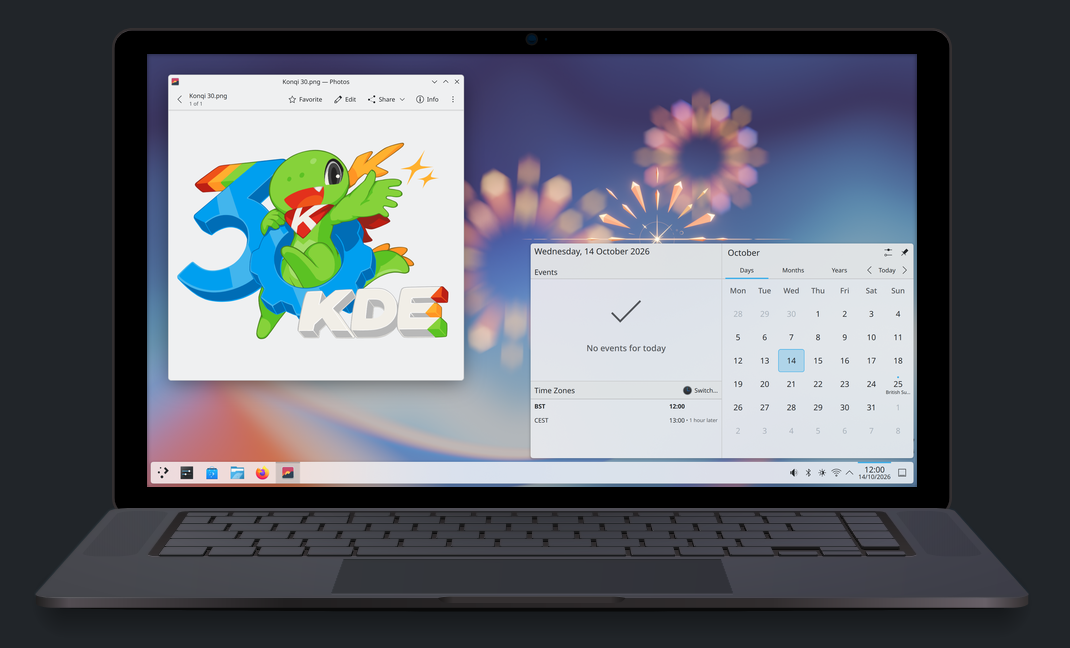
KDE Plasma 6.8: A Future-Focused 30th Anniversary Update
Quick Verdict KDE Plasma 6.8, arriving as the "30th Anniversary Edition," is a pivotal release that decisively pushes the desktop environment into the future. With a definitive farewell to native X11 sessions and a
Kojima Compares Divisive New Film 'Digger' to MGS2's Prescient Vision
Gaming icon Hideo Kojima has praised the divisive 2026 film *Digger*, drawing intriguing parallels to his own prophetic game, *Metal Gear Solid 2*. Both works, he explains, uniquely explore the dangers of misinformation and a fragmented digital reality, anxieties he shares with *Digger*'s director, Alejandro González Iñárritu.
%20102026%20top%20art%20SOURCE%20Govee.jpg)
in-depth: The Best Permanent Outdoor Lights (2026): Govee, Eufy
WIRED, a leading voice in technology journalism, has just released its updated guide for 2026 on the best permanent outdoor lights, spotlighting top contenders Govee, Eufy, and Cync. These innovative eave lights are

Ubisoft Proposes German Studio Workforce Reduction Amidst
Ubisoft is planning a voluntary departure program for about 100 employees across its Düsseldorf, Berlin, and Mainz studios in Germany. This move is part of a larger, ongoing cost-reduction and restructuring effort by the publisher, aiming to better position its studios for future projects.

regional: ‘What is fusion?’ Helion Energy harnesses the power of
Helion Energy, the Everett-based fusion startup, gained mainstream attention this week after being featured as a clue on the popular game show "Jeopardy!". The $800 clue, part of a "Y Combinator" category, highlighted Helion's mission to build the first fusion power plant, bringing the concept of clean energy to a wider audience. CEO David Kirtley celebrated the "surreal" moment as a sign that reliable clean power is becoming more accessible.