
NFC Charging for Smartglasses: A Slimmer Future
NuCurrent's prototype demonstrates NFC charging could revolutionize smartglass design by enabling thinner frames, matching current charging speeds. It's a promising step for fashionable wearables, though wider adoption and universal standards are still a few years out.
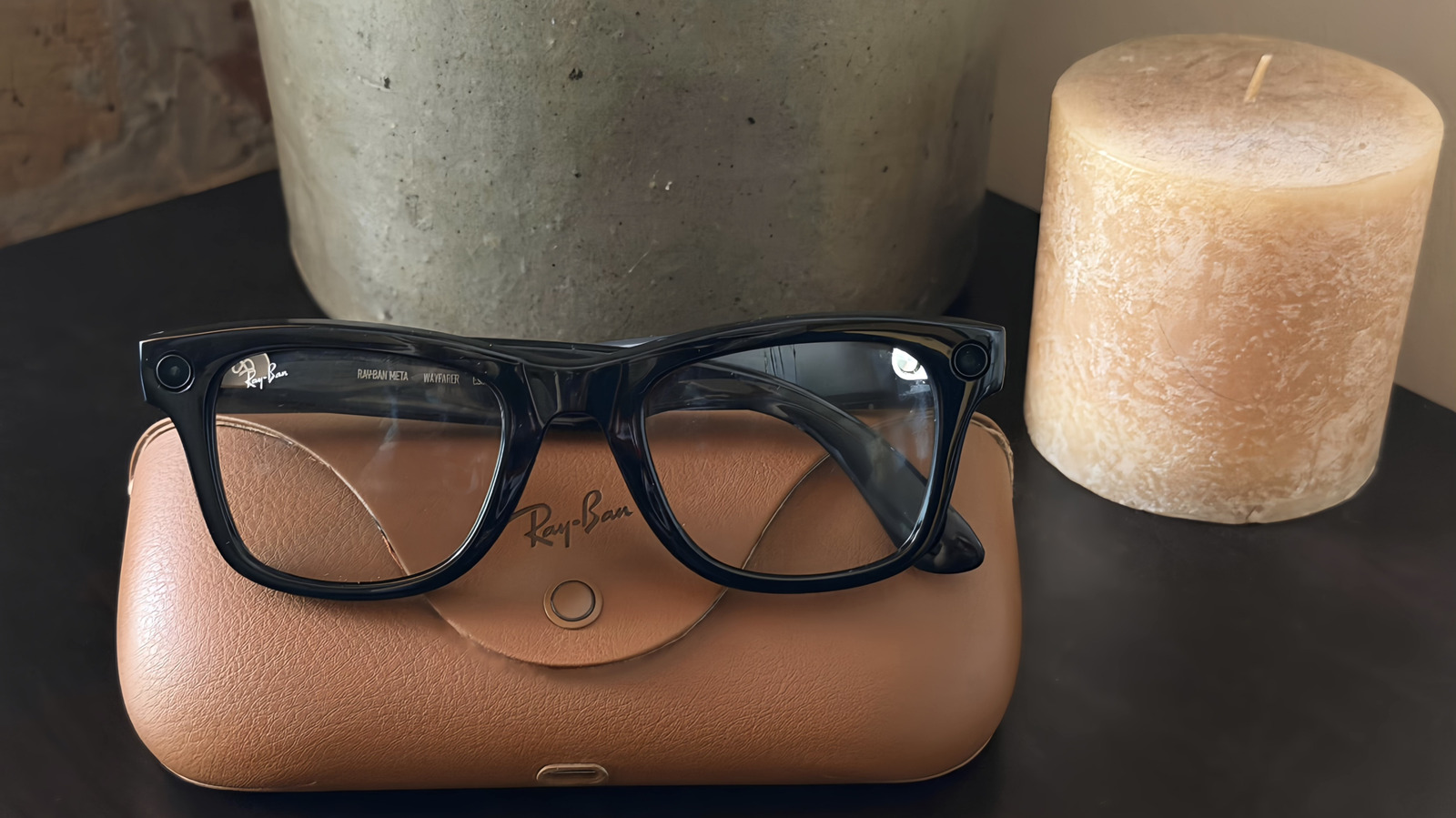
Smartglasses, while undeniably cool, often face a common critique: their aesthetics. For years, as a tech reviewer, I've heard the lament, "why do they look so chunky?" The dream of truly stylish, discreet smartglasses often clashes with the practical realities of embedding complex electronics. However, a recent development showcased by wireless charging company NuCurrent hints at a significant leap forward. Their prototype, demonstrating NFC charging in a modified pair of Ray-Ban Meta glasses, suggests that the secret to a more appealing aesthetic might just lie in how these devices power up.
The Quick Verdict: A Glimmer of Sleekness
NuCurrent's foray into NFC charging for smartglasses is genuinely exciting. It addresses one of the most persistent hurdles in wearable tech design – bulk. By replacing cumbersome pogo pins with minuscule coils, this technology promises to free up crucial internal space, paving the way for significantly slimmer, more fashionable frames. While still in its prototype phase and not yet a consumer-ready solution, it represents a highly promising path toward smartglasses that people will actually want to wear, not just tolerate. Its comparable charging performance to existing methods is a huge plus, but broader industry adoption and a universal standard are still on the horizon.
The Chunky Truth: Current Smartglass Design Limitations
Let's be honest, most smartglasses on the market today, including Meta's popular line, are noticeably thicker than your average spectacles. This isn't just a design choice; it's a technological necessity, largely driven by the charging mechanism. These devices typically rely on 'pogo pins' – small, spring-loaded connectors embedded, often conspicuously, in the glasses' nose bridge. For charging to occur, the frames must be firmly pressed into their case, establishing a precise physical connection. As NuCurrent CEO Jacob Babcock highlights, these components are a primary reason why many smartglasses share a similar, somewhat bulky design language. They dictate a certain minimum thickness and shape, limiting the creative freedom of eyewear manufacturers.
NuCurrent's Solution: NFC Unchained
NuCurrent's prototype offers a compelling alternative. Instead of pogo pins, their modified Ray-Ban Meta glasses incorporate a tiny coil directly into the arm of the frame. This coil then communicates with a transmitter in the charging case using Near Field Communication (NFC) technology. The beauty of this approach lies in the scale: these NFC charging coils are incredibly small, “measured in tenths of millimeters.” This significant reduction in physical footprint is a game-changer for smartglasses, where, as Babcock rightly points out, “Every cubic millimeter is very important inside of smartglasses.” This newfound spatial freedom allows designers to rethink the entire frame structure, moving away from the restrictive requirements of pogo pins.
Performance and Practicality: Keeping Pace
One might worry that a more elegant charging solution would compromise on speed. Fortunately, NuCurrent's prototype demonstrates that this isn't the case. The NFC-enabled glasses can achieve a 50 percent charge in approximately 20 minutes, a performance level that is roughly on par with Meta's current smartglasses. This parity in charging speed is crucial for consumer acceptance; a sleeker design would be less appealing if it meant significantly longer downtime. The prototype serves as clear evidence that superior design doesn't have to come at the expense of practical functionality.
The Aesthetic Revolution: Fashion Forward
For far too long, smartglasses have prioritized function over form, often looking more like tech gadgets than fashion accessories. By eliminating the need for bulky pogo pins, NFC charging opens the door to a world of diverse and genuinely stylish eyewear. Imagine smartglasses that truly mimic the sleekness of designer frames, with arms that don't need to accommodate large charging contacts. Babcock underscores this industry shift, noting that "face-worn technology must be much more fashionable and provide a diversity of options compared to last generation personal tech." He adds that to achieve widespread adoption, these technological limitations must be removed. NuCurrent's partnership with Ray-Ban maker Essilor Luxottica on their Nuance Audio glasses further solidifies the notion that leading eyewear brands are keen to embrace solutions that prioritize aesthetics without sacrificing capability.
Toward a Universal Standard?
The vision extends beyond individual products. Babcock envisions a future where NFC-based charging could evolve into a universal standard for smartglasses and other wearables, much like Qi has become the ubiquitous standard for wireless smartphone charging. This would mean less cable clutter, greater interoperability between devices and chargers, and a more streamlined user experience overall. While this universal dream is still "a few years" away, the groundwork being laid by technologies like NuCurrent's is essential for its eventual realization.
Pros and Cons of NFC Charging for Smartglasses
Pros:
- Enables Sleeker Designs: Replaces bulky pogo pins with minuscule coils, allowing for significantly thinner and more fashionable smartglass frames.
- Frees Up Internal Space: The tiny size of NFC coils (measured in tenths of millimeters) liberates critical internal volume within the glasses, facilitating more advanced components or even smaller overall form factors.
- Comparable Charging Speed: NuCurrent's prototype matches the charging performance of existing smartglasses, delivering 50% charge in about 20 minutes.
- Potential for Universal Standard: Offers a clear path towards a standardized wireless charging solution for wearables, improving user convenience and reducing proprietary charging solutions.
- Improved Durability/Reliability: Eliminates physical contact points (pogo pins) which can wear out, corrode, or become unreliable over time, potentially leading to a more robust charging experience.
Cons:
- Early Stage for Widespread Adoption: While promising, the technology is currently in the prototype phase for smartglasses, meaning it's not yet integrated into widely available consumer products.
- Universal Standard is Future-Dated: The development of a widely adopted, universal NFC charging standard for wearables is still several years away, meaning consumers won't see this broad compatibility in the immediate future.
Buying Recommendation: A Look to the Future
As a consumer, you can't buy NFC charging for smartglasses today, as it's a technology in development rather than a specific product. However, if you're holding out for smartglasses that blend seamlessly with your personal style and don't scream "tech gadget," then developments like NuCurrent's NFC charging solution are precisely what you should be watching. This technology represents a crucial step toward addressing the aesthetic shortcomings that have hindered broader smartglass adoption. It's not a reason to rush out and buy anything immediately, but it's a very strong indicator that the future of fashionable, functional smartglasses is looking brighter – and significantly slimmer. For those prioritizing design and discretion in their wearables, this is a promising signal that patience will eventually be rewarded with more elegant options.
FAQ
Q: How does NFC charging improve smartglass design compared to current methods?
A: NFC charging replaces bulky pogo pins, which limit design, with tiny coils measured in tenths of millimeters. This frees up significant internal space, allowing manufacturers to create much slimmer, more diverse, and fashionable smartglass frames.
Q: Is NFC charging for smartglasses faster or slower than existing charging solutions?
A: NuCurrent's prototype demonstrates that NFC charging can match current smartglass charging speeds. It achieves a 50 percent charge in approximately 20 minutes, which is comparable to how quickly existing smartglasses from companies like Meta charge.
Q: When can consumers expect to purchase smartglasses featuring NFC charging?
A: While NuCurrent has a functional prototype and is partnering with eyewear companies, widespread integration into consumer smartglasses and the establishment of a universal NFC charging standard for wearables are still a few years away. It's a technology currently in development for future products.
Related articles
Wolverine's Controversial Scent Trails Just Got a Much-Needed Facelift
Marvel's Wolverine has received a significant post-launch update addressing player feedback on its controversial "scent trails." Insomniac Games reduced the opacity of these in-game navigation cues, making them less intrusive and blending better with the environments. The developer also teased future toggleable options for even greater player control.

EverQuest Legends: 27 Years On, Norrath's Magic Lives Anew
The Past is the Future: EverQuest Legends Revitalizes Norrath Remember those days of endless possibility, when logging into an MMO felt like stepping into a truly different universe? For many, that universe was Norrath,

Street Fighter Popcorn Bucket: A Gloriously Goofy Collectible
Quick Verdict In an era where cinema experience accessories are becoming increasingly elaborate, the Street Fighter movie popcorn bucket stands out. Shaped like Guile's iconic, gravity-defying flattop hairstyle, this

Intel Arc 140T DLSS 5 Port: A Glimpse into AI-Powered Potential
An AI developer successfully ported DLSS 5 Neural Rendering to Intel Arc 140T integrated graphics, achieving 360p at 10.5 FPS. This technical marvel, aided by AI coding, is a groundbreaking proof-of-concept, but currently impractical for real-time gaming due to severe performance limitations and varied visual results based on game art style.
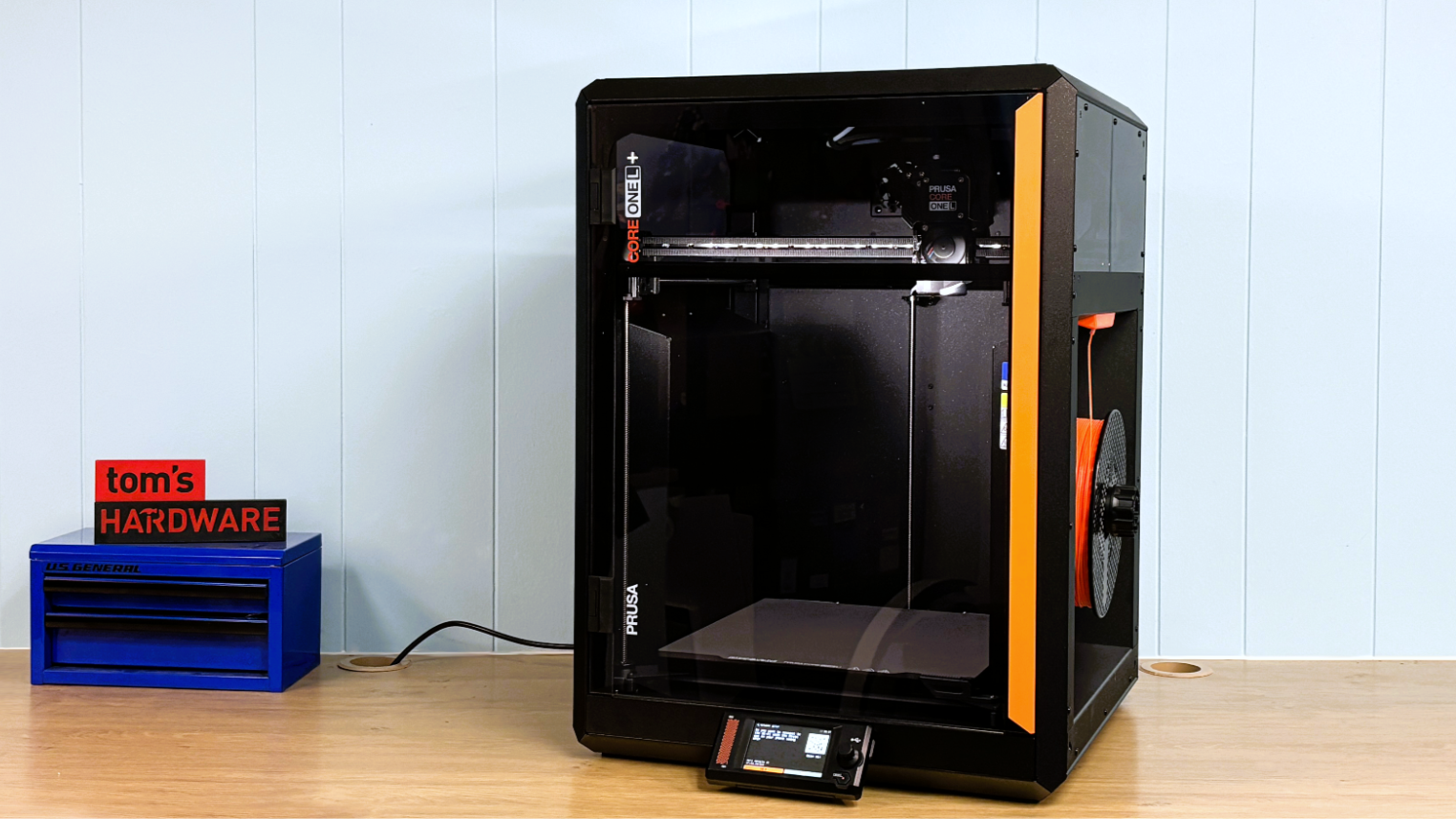
Prusa CORE One L+ Review: More Precise, Minor but Meaningful Upgrade
Tom's Hardware Verdict The Prusa CORE One L+ introduces small but impactful refinements to an already stellar 3D printer. The addition of a new nozzle wiper and enhanced GT1.5 belts boosts print quality and operational

Anthropic Bio Lab: Ambition Meets Uncertainty
Anthropic's Leap into the Physical: A New Era for AI in Biology Verdict: Anthropic's establishment of a physical bio research lab marks a pivotal, albeit opaque, moment for AI's expansion into tangible scientific