
Netgear Routers: Navigating the FCC Ban & Conditional Approval
Netgear has secured conditional approval from the FCC to continue importing foreign-made routers until October 2027, bypassing a broader ban. This ensures continued availability of popular models but raises transparency questions about manufacturing commitments, setting an interesting precedent for other brands.

The FCC's recent ban on foreign-made routers threw a wrench into the US market, but Netgear has quickly secured a conditional approval, allowing it to continue importing many popular models until October 2027. While this provides immediate relief for Netgear and its customers, the long-term implications for domestic manufacturing and consumer choice remain unclear, especially given the lack of transparency around how Netgear achieved this exemption.
Key Details
The U.S. Federal Communications Commission (FCC) recently announced a significant policy shift, banning the certification of new consumer routers not manufactured domestically. This decision, aimed at mitigating national security risks from supply chain attacks, introduced a pathway for "Conditional Approval" through the Department of War or Homeland Security. Netgear is the first major manufacturer to obtain this coveted exemption, ensuring its ability to import a wide range of popular models until October 1, 2027.
Affected Netgear series given the green light include:
- Nighthawk: Consumer mesh, mobile, and standalone routers (R, RAX, RAXE, RS, MK, MR, M, MH series).
- Orbi: Consumer mesh, mobile, and standalone routers (RBK, RBE, RBR, RBRE, LBR, LBK, CBK series).
- Cable Gateways: CAX series.
- Cable Modems: CM series.
These encompass many products frequently recognized in "best router" lists, highlighting the significance of this approval. Adtran Inc. also received similar conditional approval for a specific router class.
Implications for Consumers and the User Experience
For consumers, Netgear's conditional approval offers immediate reassurance. You can continue purchasing popular Netgear routers without fear of scarcity or discontinued support for the next few years. Netgear has confirmed that this approval also allows for launching new models and indefinite software updates on existing models, vital for ongoing product value and future-proofing your network.
However, the specifics of Netgear's exemption raise eyebrows. FCC guidelines typically mandate a detailed, time-bound plan for establishing or expanding U.S.-based manufacturing, complete with committed capital expenditures. Yet, Netgear, which currently produces routers in China, Vietnam, Taiwan, and Mexico, among other countries, has not disclosed any such major investment plans in its SEC filings. A Netgear spokesperson simply stated they reviewed the FCC's public guidelines, submitted an application, and received approval. Crucially, the FCC cited a "specific determination" from the Pentagon that Netgear devices pose no national security risk. This suggests the exemption might hinge more on a security assessment than a concrete commitment to domestic production. Such a precedent, while beneficial for immediate availability, might subtly undermine the original policy's broader goal of fostering U.S. manufacturing, potentially affecting market dynamics and long-term supply chain resilience.
Pros and Cons
Pros:
- Maintained Availability: Consumers can still access a wide range of popular Netgear Nighthawk, Orbi, and cable products, ensuring continuity in choice for their home networking needs.
- Ongoing Support: Netgear's ability to launch new models and provide software updates indefinitely ensures long-term value and relevance for its router ecosystem.
- Market Stability: For Netgear users and potential buyers, the immediate uncertainty surrounding the FCC ban has been largely resolved, removing pressure to switch brands or worry about product scarcity.
Cons:
- Transparency Issues: The lack of public detail on how Netgear secured its exemption, particularly regarding U.S. manufacturing commitments outlined in FCC guidelines, is concerning and raises questions about fairness.
- Uncertain Long-Term Strategy: While approved until 2027, the situation beyond this date remains ambiguous if Netgear does not publicly commit to significant U.S. manufacturing plans.
- Policy Effectiveness Questioned: If security determinations can bypass manufacturing requirements, it could dilute the FCC's broader goal of strengthening domestic supply chains and creating jobs.
- Potential for Uneven Competition: Other brands might face stricter requirements, potentially leading to an unbalanced competitive landscape.
Alternatives in the Market
While Netgear leads the charge with its conditional approval, the broader market isn't solely theirs. Major competitors like Asus and TP-Link have publicly expressed confidence in securing similar conditional approvals. This suggests that the immediate impact on the wider U.S. router market might be less disruptive than initially feared, with key players likely to maintain their presence. It's important to remember that the FCC ban specifically targets new models, meaning existing certified routers from various brands are still available for purchase. If you're considering a router from Asus or TP-Link, it might be prudent to wait for their respective approvals, as sustained competition among major brands ultimately benefits consumers by fostering innovation and competitive pricing.
Buying Recommendation
If you need a new router now and a Netgear model from the approved Nighthawk, Orbi, CAX, or CM series perfectly fits your technical requirements and budget, then proceed with confidence. The conditional approval through October 2027 provides a stable purchasing window, and Netgear's commitment to new models and software updates under this approval is a strong positive. You can buy with assurance that the product will be supported and available for the foreseeable future.
However, if you have no immediate urgency to upgrade, or if your preferred router brand is Asus or TP-Link, you might consider holding off briefly. These competitors are likely to secure similar approvals soon, maintaining diverse choices in the market. This regulatory decision primarily concerns market access for new products, not the immediate usability or quality of your existing router, nor does it inherently change the technical performance of current Netgear offerings.
FAQ
Q: Does this mean all non-Netgear routers are banned in the U.S. immediately?
A: No. The FCC's ban primarily affects new consumer router models that are not made domestically. Routers already certified and available on the market, regardless of brand, are not immediately banned. Companies like Asus and TP-Link have also stated their intent to seek and expect to receive similar conditional approvals to Netgear.
Q: Should I replace my current foreign-made router with a Netgear one right away?
A: There is no need to replace your existing router due to this ban unless you were already planning to upgrade. The FCC's ruling applies to the import and certification of new models, not to the continued use of routers already purchased and installed. Your current router will continue to function as it always has.
Q: What does this conditional approval imply for Netgear router prices?
A: The source content does not provide information directly linking the conditional approval to price changes. While regulatory changes can sometimes influence pricing due to supply chain adjustments or increased costs, the immediate effect of this conditional approval is to maintain Netgear's market access, which generally helps stabilize prices rather than cause immediate spikes due to scarcity. Any price changes would likely be due to other market factors or Netgear's internal business decisions.
Related articles
Android 17 QPR2 Beta 7.1: The Performance Relief You've Been Waiting
Android 17 QPR2 Beta 7.1: Finally Fixing the QPR1 Performance Woes Verdict: Android 17 QPR2 Beta 7.1 is a crucial and highly anticipated software update for Google Pixel users, specifically targeting and resolving the

DJI Solo Video Setups: Smart Choices for Lone Creators
This review delves into DJI's recommended solo video setups, highlighting the Osmo Pocket 3 Creator Combo as a top pick for its integrated camera, gimbal, and mic. It also covers stabilizers like the Osmo Mobile 8 and RS 4, and the DJI Mic Mini series for enhanced audio, providing honest pros, cons, and clear buying advice.

Ars Technica's Rocket Report: Your Essential Space Industry Briefing
Quick Verdict Ars Technica's Rocket Report, presented by veteran space reporter Stephen Clark, offers an invaluable and meticulously organized weekly (or similar frequency, implied by "Edition 9.15") digest of the most

Apple iPhone Duo: A Daring Debut with Notable Compromises
Apple's highly anticipated iPhone Duo, priced at $2,000, has gone on pre-order. While hailed as "Apple's most exciting device in a decade" for its innovative foldable design and immersive display, it comes with significant drawbacks like the absence of FaceID and a premium camera.
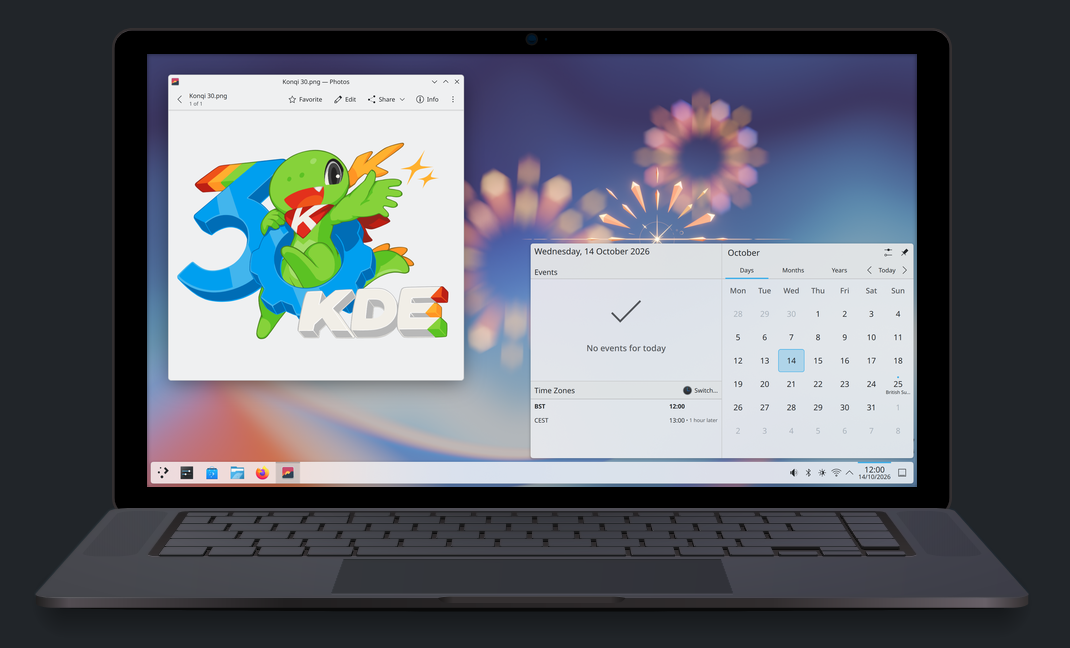
KDE Plasma 6.8: A Future-Focused 30th Anniversary Update
Quick Verdict KDE Plasma 6.8, arriving as the "30th Anniversary Edition," is a pivotal release that decisively pushes the desktop environment into the future. With a definitive farewell to native X11 sessions and a
Galaxy Watch One UI 9 Beta: Promising Progress, But Patience Needed
Galaxy Watch 8, Watch Ultra, and Watch 7 are receiving a new One UI 9 Watch beta build with bug fixes and a security patch. Active development signals progress, but a stable release date remains elusive.