
Microsoft Scales Back Copilot AI Integrations in Windows 11
Microsoft is reducing Copilot AI integrations in Windows 11 apps like Photos and Notepad, aiming for more meaningful AI experiences. This move responds to user feedback and rising concerns about "AI bloat" and trust, reflecting a broader shift towards a "less-is-more" strategy in AI deployment.

Microsoft has announced a significant shift in its approach to artificial intelligence integration within Windows 11, specifically reducing the presence of its Copilot AI assistant across several built-in applications. This move, detailed on Friday, March 20, 2026, comes as the tech giant responds to user feedback and growing concerns over "AI bloat," aiming to deliver more meaningful and less intrusive AI experiences. Key apps like Photos, Widgets, Notepad, and the Snipping Tool will see fewer Copilot entry points.
Microsoft Refines AI Strategy in Windows 11
Pavan Davuluri, Executive Vice President of Windows and Devices, articulated the company's refined strategy in a blog post, emphasizing a commitment to "integrating AI where it’s most meaningful." He explained that Microsoft intends to be more deliberate about the location and method of Copilot's integration throughout Windows, focusing solely on features that offer genuine utility to users. This "less-is-more" philosophy signals a re-evaluation of the widespread AI deployment strategy that has characterized recent Windows updates.
Responding to User Sentiment and 'AI Bloat'
The decision appears to be a direct response to increasing consumer skepticism regarding the pervasive nature of AI. There's a noticeable rise in public apprehension surrounding trust and safety aspects of artificial intelligence, which Davuluri acknowledged by stating his team had actively listened to community feedback on desired Windows improvements. A recent Pew Research study, published in March 2026, highlighted this sentiment, revealing that by June 2025, half of all U.S. adults expressed more concern than excitement about AI, a notable increase from 37% in 2021. This data underscores a broader societal trend influencing tech companies' AI strategies.
Past Setbacks Inform Current Approach
This isn't the first instance where Microsoft has reconsidered its AI strategy. Earlier in March 2026, reports from Windows Central indicated that initial plans to embed Copilot-branded AI features throughout Windows 11, including deep system-level integrations in areas like the Settings app and File Explorer, had been quietly abandoned. Furthermore, the company previously postponed the launch of Windows Recall, an AI-powered memory feature for Copilot+ PCs, for over a year. This delay was specifically to address user privacy concerns, and despite its launch in April 2025, security vulnerabilities in the Recall feature continue to be discovered, reinforcing the challenges of rapid AI deployment.
Holistic Improvements Beyond AI
The scaling back of Copilot integrations is part of a larger initiative to enhance the overall quality of the Windows 11 operating system. Alongside the AI adjustments, Microsoft announced several other user-centric improvements. These include giving users the flexibility to move the taskbar to the top or sides of their screen, offering more granular control over system updates, and significantly speeding up the File Explorer experience. Enhancements are also planned for the Widgets experience, the Feedback Hub, and the navigation within the Windows Insider Program, reflecting a holistic effort to refine the user experience based on direct input.
Implications for the Future of AI in Operating Systems
Microsoft's shift represents a pivotal moment in the industry's approach to integrating generative AI into mainstream operating systems. It suggests a move away from saturating platforms with AI features towards a more thoughtful and user-driven implementation. This refined strategy could establish a precedent for how tech giants balance innovation with user comfort and privacy, especially as AI becomes more sophisticated and ubiquitous. The emphasis on "genuinely useful" experiences suggests future AI integrations will need to demonstrate clear value to avoid overwhelming users and to address ongoing trust concerns.
By strategically reducing Copilot's footprint and responding directly to community insights, Microsoft is signaling a renewed focus on delivering a high-quality, user-centric Windows experience. This calculated retreat from pervasive AI integration underscores the importance of public perception and practical utility in the rapidly evolving landscape of artificial intelligence.
FAQ
Q: Why is Microsoft reducing Copilot AI integrations in Windows 11? A: Microsoft is responding to user feedback and growing concerns about "AI bloat" and the trust and safety aspects of AI. The company aims to integrate AI more intentionally, focusing only on "genuinely useful" experiences to improve the overall quality of Windows 11.
Q: Which specific Windows apps are affected by the Copilot AI rollback? A: The initial rollback will reduce Copilot AI entry points in several built-in applications, including Photos, Widgets, Notepad, and the Snipping Tool.
Q: Has Microsoft made similar adjustments to its AI plans before? A: Yes, this is not the first adjustment. Microsoft previously shelved plans for system-level Copilot integrations in areas like the Settings app and File Explorer. Additionally, the launch of the AI-powered Windows Recall feature was delayed for over a year due to privacy concerns, and security vulnerabilities continue to be discovered in it.
Related articles

Apple Unveils iPhone Duo: Pricey Foldable Sees Soaring Demand
Apple has officially entered the foldable smartphone arena with the long-anticipated launch of the iPhone Duo. Priced starting at a hefty $1,999, the device features a 5.4-inch outer display and a larger 7.6-inch inner
Android 17 QPR2 Beta 7.1: The Performance Relief You've Been Waiting
Android 17 QPR2 Beta 7.1: Finally Fixing the QPR1 Performance Woes Verdict: Android 17 QPR2 Beta 7.1 is a crucial and highly anticipated software update for Google Pixel users, specifically targeting and resolving the

in-depth: Chicago-Area Cops Helped HSI Spy on Minnesota Anti-ICE
Chicago-area law enforcement, including local police and HSI agents, conducted undercover surveillance on Minnesota anti-ICE activists at an April 2, 2022, talk in Chicago. This operation was part of a federal conspiracy probe into 15 Minnesota activists facing felony charges related to immigration enforcement resistance. Civil liberties advocates have condemned the surveillance as a troubling intrusion into protected political activity.

TCG Pocket Responds: A Much-Needed Pace Shift for Pokémon Fans
Pokémon TCG Pocket is rolling out a major update for its second anniversary, primarily addressing player concerns about overwhelming content releases by shifting to a six-week set schedule. This aims to curb player decline and improve overall engagement by giving trainers more time to collect and strategize. The update also adds new collection methods, improved deck-building features, and enhanced trading functionality.

Mark Wahlberg on using AI in film ‘the right way’ and being open to
Actor Mark Wahlberg believes AI has a place in filmmaking if used responsibly for enhancement, not script generation or actor replacement. At TechCrunch Disrupt, he expressed openness to an AI likeness carrying on his legacy, managed by his family, and emphasized storytelling.
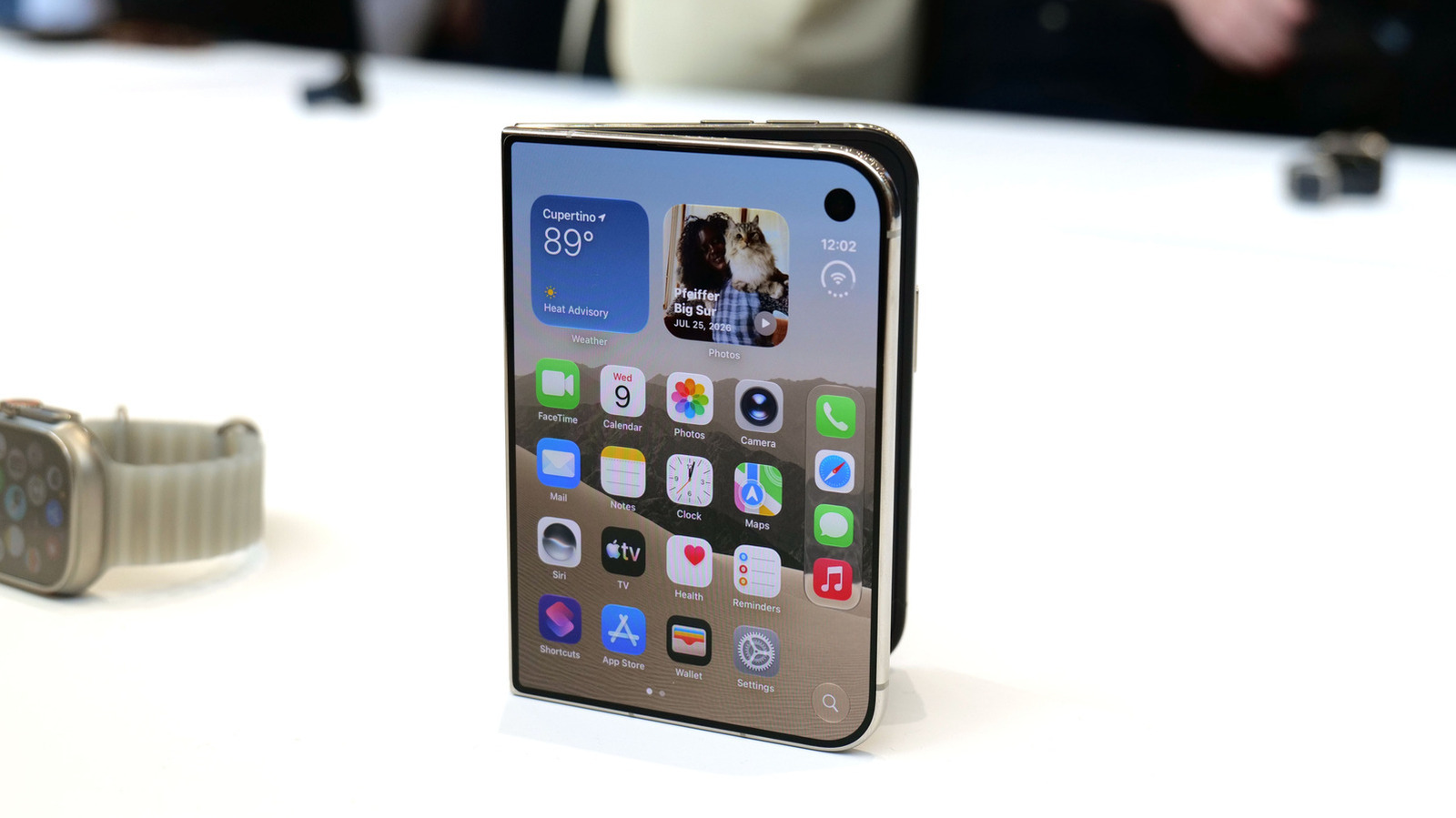
Apple iPhone Duo: A Daring Debut with Notable Compromises
Apple's highly anticipated iPhone Duo, priced at $2,000, has gone on pre-order. While hailed as "Apple's most exciting device in a decade" for its innovative foldable design and immersive display, it comes with significant drawbacks like the absence of FaceID and a premium camera.