
Maxfree Rechargeable Batteries Review: Save Time and Money
Maxfree Rechargeable Batteries promise to save time and money, but our review reveals a complete lack of product specifics. While the concept is appealing, buying them requires trusting the claim without any verifiable data.
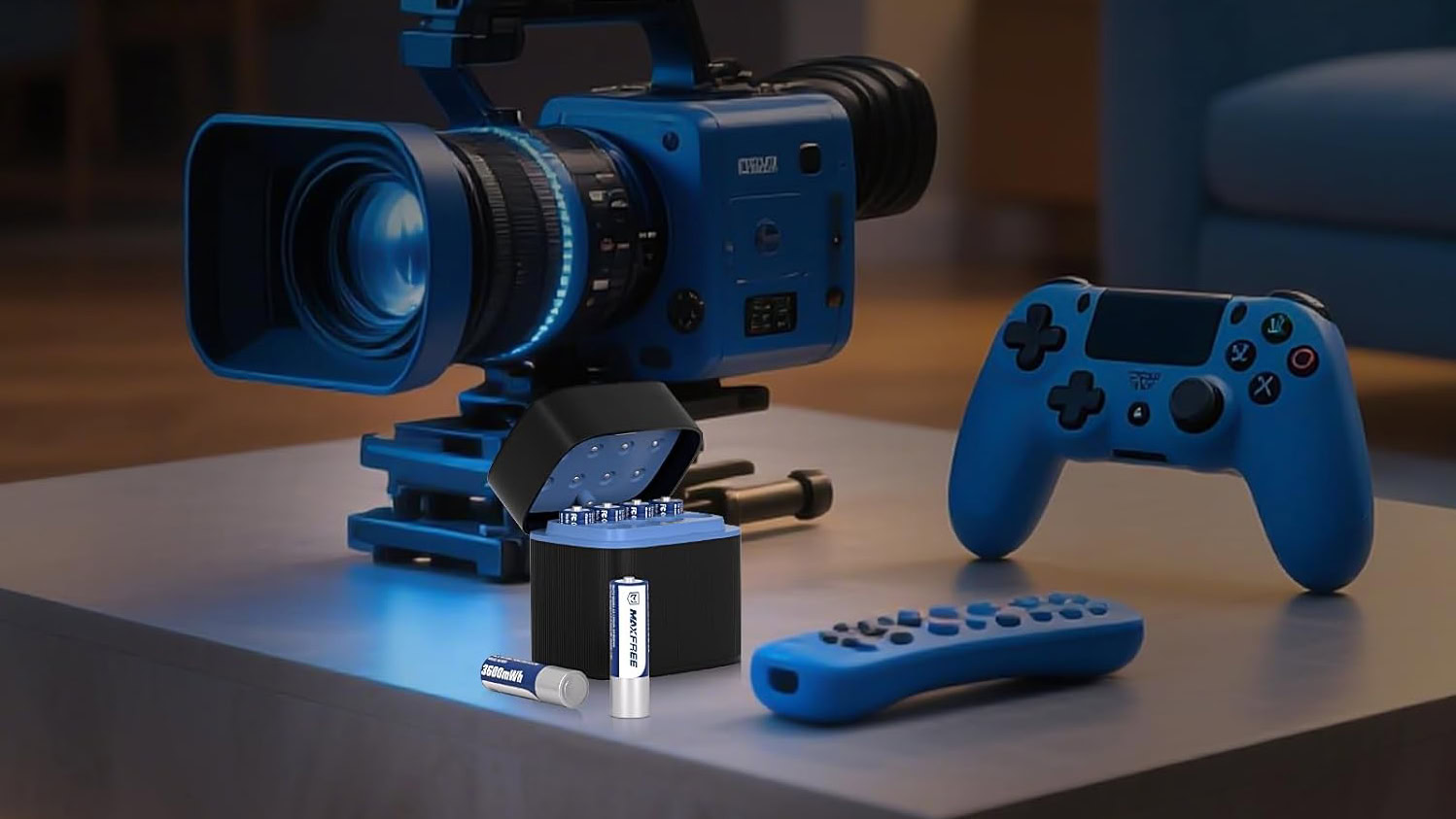
Maxfree Rechargeable Batteries Review: Save Time and Money
Our Verdict
The Maxfree Rechargeable Batteries deal makes a compelling promise: "Buy these batteries to stop wasting time and money." This resonates deeply with anyone tired of disposable battery costs and the associated inconvenience. The inherent advantages of rechargeable technology, when well-implemented, inherently align with such a claim, offering a path to long-term savings and simplified device power management.
However, our ability to provide a truly detailed and objective assessment of Maxfree's specific offering is severely limited by the singular piece of information available from the source content – the promise itself. We cannot assess Maxfree's actual product performance or features, only the implications of its bold claim within the broader context of rechargeable batteries. While the concept of saving time and money with quality rechargeables is undeniably sound, this particular deal lacks the verifiable data for a confident, fully informed recommendation. It asks consumers to place considerable trust in the promise without any demonstrable evidence of Maxfree's ability to deliver.
Specs at a Glance
Normally, this section would be replete with crucial technical specifications. Details such as capacity in milliamp-hours (mAh), battery chemistry (e.g., NiMH, Li-ion), rated charge cycles, voltage, and even physical dimensions are essential for consumers. These numbers allow for direct comparisons, helping buyers understand how long a battery will last per charge and over its entire lifespan – directly influencing whether it truly "stops wasting time and money" in the long run.
Unfortunately, for the Maxfree Rechargeable Batteries, the provided source content offers no specific technical specifications whatsoever. We cannot state their capacity, their expected lifespan in terms of recharges, their chemical composition, or any other measurable performance indicator. This complete absence of factual data means we are unable to offer a "Specs at a Glance" in any meaningful way, preventing any objective evaluation of Maxfree's claims. Buyers are left without fundamental product data, making it impossible to objectively weigh the product's capabilities against its compelling promise.
Design & Build Quality (or Overview)
Beyond technical specifications, the physical attributes of rechargeable batteries are crucial for their durability, safety, and overall user experience. A robust casing, quality terminal connections, and a design that ensures proper fit in various devices all contribute to the longevity and reliability that underpin the promise of "stopping wasting money" through extended use. Features like included chargers, storage cases, or even thoughtful packaging can also "save time" by enhancing user convenience and organization.
Regrettably, the source content for the Maxfree Rechargeable Batteries offers no information whatsoever regarding their design, build quality, or any included components or accessories. We cannot describe their aesthetics, comment on their tactile feel, or assess any features that might indicate superior construction or thoughtful user-centric design. This leaves a significant gap in our ability to understand whether these batteries are built to last or if their physical presence contributes positively to the user's experience. The absence of such information means consumers cannot determine if the product's physical execution matches the ambition of its advertised benefits.
Performance & Features
A battery's actual performance and any unique features are directly linked to its ability to save time and money. Key aspects include real-world run-time in devices, charging speed, voltage stability under load, and advanced features such as low self-discharge (where batteries retain their charge longer when idle) or sophisticated safety mechanisms (like overcharge or overheat protection). These elements dictate how efficiently and reliably the batteries will power your devices, directly influencing the frequency of charging and eventual replacement, thus proving or disproving the core promise.
However, just like with specifications and design, the provided source content contains no factual basis for evaluating the specific performance characteristics or unique features of the Maxfree Rechargeable Batteries. We cannot confirm their actual power output, their charging efficiency, or if they possess any advanced technologies that genuinely set them apart or enhance their "time and money saving" capabilities. Without this critical performance data, we cannot objectively verify if Maxfree's offering truly delivers on its ambitious claims through superior performance or innovative design. Consumers are left to rely solely on the general concept of rechargeable technology.
Pros & Cons
Based purely on the statement, "Buy these batteries to stop wasting time and money," and general knowledge of rechargeable battery technology, we can outline the potential advantages and the undeniable disadvantages stemming from the review constraints.
Pros:
- Potential for Significant Cost Savings Over Time: The primary allure of rechargeable batteries, and the core of Maxfree's promise, is the reduction in ongoing expenses. By replacing countless disposable batteries, the initial investment can lead to substantial long-term financial savings, directly addressing the "stop wasting money" claim. This benefit is a cornerstone of the rechargeable battery market.
- Enhanced Convenience and Time Savings: A well-functioning rechargeable battery system drastically cuts down on the time and effort associated with disposable batteries. This includes fewer trips to the store, eliminating the need to search for specific battery types, and reducing the frequency of battery replacements in devices. Having charged batteries readily available contributes to smoother, uninterrupted use, aligning with the "stop wasting time" promise.
- Implicit Environmental Benefits: While not explicitly mentioned in the source, opting for rechargeable batteries inherently promotes environmental responsibility. By reducing the volume of spent batteries entering landfills and decreasing the demand for raw materials required for manufacturing disposables, Maxfree Rechargeable Batteries, like all rechargeables, contribute positively to sustainable consumption. This aligns with a broader sense of "not wasting" resources.
Cons:
- Complete Lack of Product-Specific Information: This is the most critical drawback. We have absolutely no verifiable details about the Maxfree Rechargeable Batteries' capacity, chemistry, charge cycles, charging speed, or any included accessories. This makes it impossible for us to assess if these specific batteries can genuinely deliver on their promise effectively.
- Unverified Performance Against Claims: Without any performance data or specifications, it's impossible to confirm if the Maxfree batteries actually perform well enough to consistently save time and money. Poor capacity, a limited number of charge cycles, or slow charging speeds would directly contradict the advertised benefits.
- Inability to Compare with Competitors: The absence of concrete details prevents any meaningful comparison against other rechargeable battery brands. Consumers cannot determine if Maxfree offers a competitive or superior solution in terms of value, longevity, or performance, making an informed choice difficult.
- Unknown Initial Investment: While rechargeables promise long-term savings, there's always an upfront cost. Without knowing the price of the Maxfree deal or what it includes (e.g., charger), potential buyers cannot evaluate the initial financial commitment or the payback period.
- Potential for Negated Benefits: If the batteries have low capacity or a short lifespan, users might spend more time charging them or replacing them sooner than expected, ironically leading to more "wasted time" and "wasted money," thereby undermining the very promise.
Comparison
A thorough review typically includes a detailed comparative analysis, pitting the product against its rivals to highlight strengths, weaknesses, and overall market positioning. For rechargeable batteries, this would involve comparing Maxfree's offering with established brands like Eneloop, AmazonBasics, or Energizer across metrics such as capacity, charge retention, durability, warranty, and price-per-cycle value. Such a comparison is indispensable for consumers seeking the best value and performance in a crowded market.
However, due to the extreme paucity of specific product details in the provided source content, a direct and factual comparison of the Maxfree Rechargeable Batteries is simply not possible. We lack any measurable specifications—no capacity, no charge cycle rating, no chemistry type, no price point—that would allow us to juxtapose them against competitors. Any attempt to do so would involve inventing data, which is contrary to our strict journalistic standards. Therefore, prospective buyers must evaluate the Maxfree deal in isolation, without the benefit of knowing how it truly stacks up against other solutions that also claim to save time and money. This severely limits the ability to make an optimally informed purchase decision.
Should You Buy It?
Deciding whether to purchase the Maxfree Rechargeable Batteries, based solely on the compelling promise to "stop wasting time and money," is a nuanced and challenging question. For consumers exasperated by the continuous expense and inconvenience of disposable batteries, the fundamental appeal of rechargeable technology is undeniable. In principle, investing in quality rechargeable batteries is a wise decision that genuinely delivers on the very benefits Maxfree is advertising.
However, the critical challenge lies in the complete absence of any specific, verifiable information about these particular Maxfree batteries. We cannot confirm their capacity, their expected longevity, their charging characteristics, their safety features, or any other attribute that would substantiate the ambitious claims. A rechargeable battery that underperforms in terms of capacity or lifespan could ironically lead to more "wasted time" (frequent charging) and more "wasted money" (premature replacement), thereby undermining the very premise of the deal.
Our Recommendation:
- Consider if: You are currently desperate for rechargeable batteries, are prepared to buy into the general concept of rechargeable battery savings without specific product validation, and prioritize the potential convenience and cost reduction that all rechargeables offer.
- Exercise Caution if: You prefer to make informed decisions based on concrete specifications, performance data, and comparative reviews. The informational void surrounding this deal prevents confirming if Maxfree is a truly effective, reliable, or competitively priced solution.
Ultimately, the Maxfree Rechargeable Batteries deal asks you to trust its promise implicitly. Whether that trust is warranted without any supporting evidence of its specific product merit is a decision each consumer must weigh carefully.
Review FAQ
This section of a review typically provides direct, concise answers to common consumer questions about a product. However, given that our source content is limited solely to the statement "Buy these batteries to stop wasting time and money," we are in the unusual position of being unable to answer any specific questions regarding the Maxfree Rechargeable Batteries themselves. Instead, we highlight the crucial questions that remain unanswered for prospective buyers:
- Q: What is the specific capacity (mAh) of these Maxfree Rechargeable Batteries?
- A: This fundamental specification, vital for understanding run-time in devices, is not provided.
- Q: How many charge cycles can I realistically expect from them before performance degrades?
- A: The expected lifespan, a key factor in long-term value, remains entirely unknown.
- Q: What type of battery chemistry do they utilize (e.g., NiMH, Lithium-ion)?
- A: This detail, impacting charging requirements and performance characteristics, is absent.
- Q: Are Maxfree Rechargeable Batteries designed with low self-discharge for extended shelf life?
- A: Information on this convenience-enhancing feature is not available in the source content.
- Q: What battery sizes (AA, AAA, C, D, 9V) are included or available in this deal?
- A: The specific form factors offered or available are not mentioned.
- Q: Does the Maxfree deal include a dedicated battery charger, or is it just the batteries?
- A: Whether essential charging equipment is part of the package is unspecified.
- Q: What safety features, such as overcharge or overheat protection, are integrated into these batteries?
- A: Details regarding crucial safety mechanisms are not provided.
- Q: How do these batteries perform under high-drain conditions compared to other brands?
- A: Performance data for specific use cases is entirely lacking.
- Q: What is the warranty period offered by Maxfree for these rechargeable batteries?
- A: Information on product guarantees or support is unavailable.
The inability to answer these standard consumer questions highlights the significant informational gap surrounding the Maxfree Rechargeable Batteries deal. Prospective buyers are strongly encouraged to seek out these crucial details before making a purchasing decision.
Related articles

TCG Pocket Responds: A Much-Needed Pace Shift for Pokémon Fans
Pokémon TCG Pocket is rolling out a major update for its second anniversary, primarily addressing player concerns about overwhelming content releases by shifting to a six-week set schedule. This aims to curb player decline and improve overall engagement by giving trainers more time to collect and strategize. The update also adds new collection methods, improved deck-building features, and enhanced trading functionality.

Ars Technica's Rocket Report: Your Essential Space Industry Briefing
Quick Verdict Ars Technica's Rocket Report, presented by veteran space reporter Stephen Clark, offers an invaluable and meticulously organized weekly (or similar frequency, implied by "Edition 9.15") digest of the most
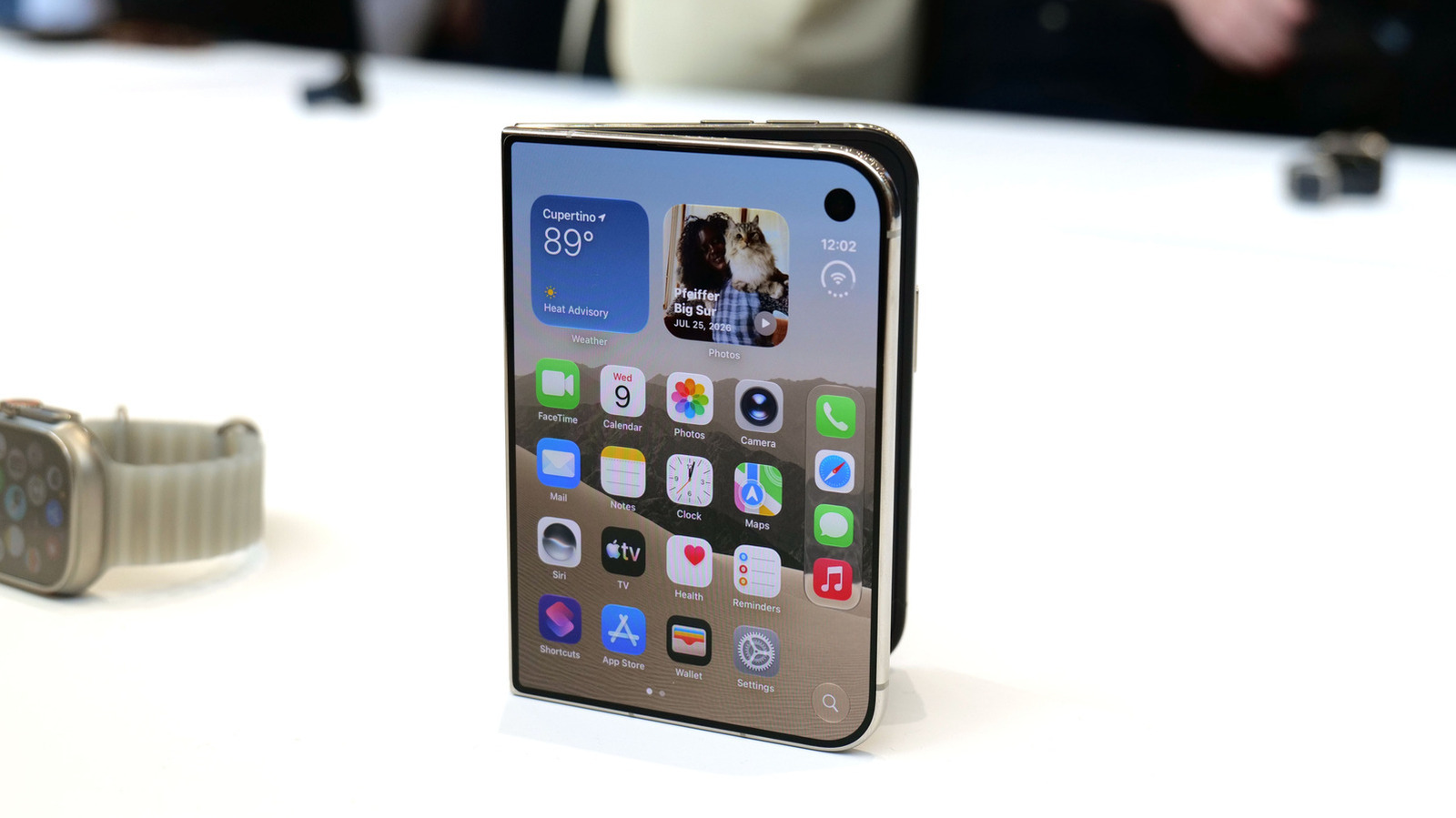
Apple iPhone Duo: A Daring Debut with Notable Compromises
Apple's highly anticipated iPhone Duo, priced at $2,000, has gone on pre-order. While hailed as "Apple's most exciting device in a decade" for its innovative foldable design and immersive display, it comes with significant drawbacks like the absence of FaceID and a premium camera.
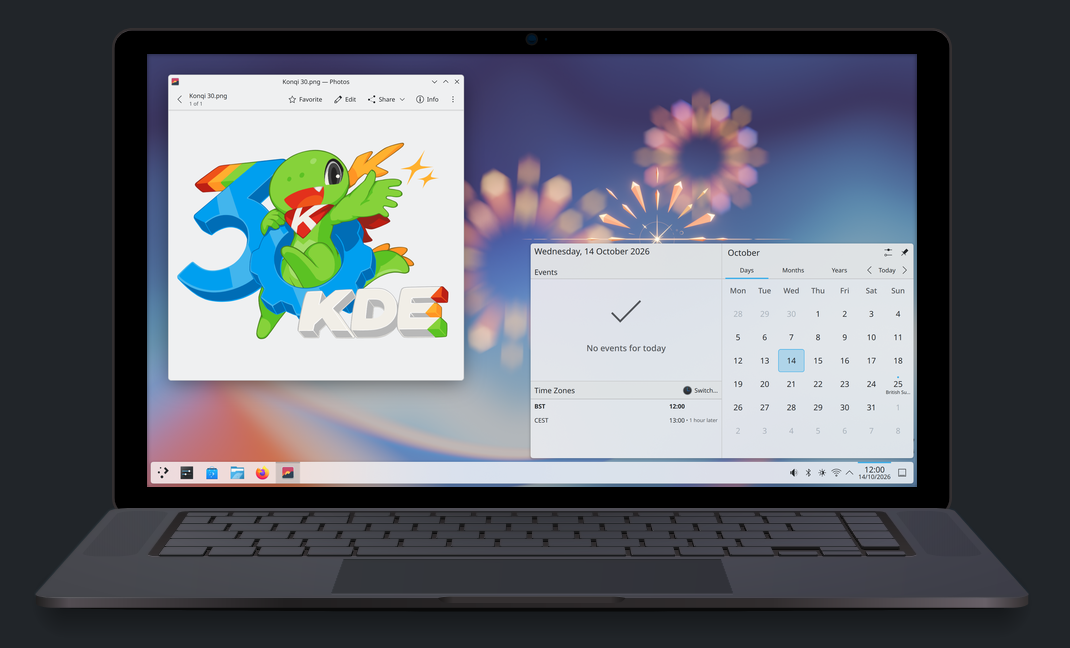
KDE Plasma 6.8: A Future-Focused 30th Anniversary Update
Quick Verdict KDE Plasma 6.8, arriving as the "30th Anniversary Edition," is a pivotal release that decisively pushes the desktop environment into the future. With a definitive farewell to native X11 sessions and a

regional: A two-person Seattle startup lands $1M to reinvent
Seattle startup TriMagnetix has secured $1 million to develop semiconductor chips that consume 800 times less energy and are radiation-resistant. The two-person company, leveraging nanomagnetic technology, is targeting space applications and data centers. With new funding and key partnerships, TriMagnetix aims for commercial sales within a year.

Ephemeral PR Preview Environments on GKE: A Deep Dive
Every development team eventually grapples with the limitations of shared staging environments. The familiar scenario: multiple features deployed simultaneously, database migrations clashing, and the phrase "it works on