
Level Up Your Studio Meetings: Say Goodbye to Endless Status Updates
Indie studio meetings can be productive! Martijn van Zwieten's FIRM framework shows how structured yearly, quarterly, and weekly syncs boost alignment, solve issues, and drive dev efficiency.
Alright, fellow pixel pioneers and code whisperers, let's be honest: when was the last time you actually looked forward to a meeting? If you're anything like most of us in the gaming trenches, the word "meeting" probably conjures images of endless droning, circling discussions, and a vague sense of an hour mysteriously vanishing from your precious development time. We get it. But what if we told you it doesn't have to be that way? In this final, crucial installment of our "How to Run an Indie Game Studio" series, business coach Martijn van Zwieten is here to drop some serious wisdom, revealing that the right meeting structure isn't just possible, it's the superglue that holds your entire studio operation system together.
The FIRM Foundation: A Quick Refresher
If you've been following along, you're already building a powerhouse studio. We’ve explored the essential building blocks of Martijn’s FIRM framework: defining your Future with a clear purpose and long/short-term goals, tackling Issues head-on with a systematic approach, and using Rocks to break down yearly ambitions into achievable quarterly targets. Now, we’re adding the final, critical piece: Meetings. This isn't about more meetings, but better ones – structured, efficient, and genuinely productive.
Calibrate Your Clock: Meetings at Every Scale
Martijn advocates for a tiered approach to studio management meetings, each designed for a specific purpose and cadence. Think of them as zooming in and out on your studio's strategic map.
First, there’s the Yearly Meeting. This is your full-day strategic summit. You'll take an honest look back at the past 12 months – celebrating wins, learning from misses, and using those insights to sculpt the year ahead. This is where you reaffirm your annual goals, revisit your "Big Hairy Audacious Goal" (BHAG), and preemptively tackle major challenges, all while setting the first quarter's "Rocks." It's your ultimate vision quest.
Next, the Quarterly Meeting is a more focused half-day sprint. Here, you review the "Rocks" from the quarter just ended, assess their impact on your yearly objectives, and then plot the course for the next 90 days. With practice, these become incredibly efficient, keeping your momentum strong without getting bogged down.
Finally, the Weekly Meeting. This is where the rubber meets the road, where strategy translates into pure, unadulterated traction. It’s the most frequent, and arguably the most vital, for day-to-day progress. And it’s the one that needs the most careful curation to prevent it from becoming that time-suck we all dread.
Your Weekly War Room: A 60-Minute Masterclass
Martijn’s agenda for the weekly meeting is a masterclass in efficiency, clocking in at a tight 60 minutes. Its goals are crystal clear: ensure team alignment, surface pressing issues, and define concrete next steps. Every single minute is accounted for, driving focus and preventing those infamous tangents.
- Check-in (5 minutes): Kick things off positively. Everyone shares one piece of professional good news and one personal good news. It’s quick, it builds trust, and it gets everyone mentally in the room. No long stories, just positive vibes.
- To-do Check (5 minutes): A rapid-fire review of last week’s action items. Were they done? The aim is around 80% completion to keep momentum. If not done, it's a conscious decision to carry it forward or deprioritize – no vanishing acts.
- Rock Status Check (5 minutes): Get a lightning-fast update on each quarterly "Rock." Is it "on track" or "off track"? No deep dives here; anything "off track" immediately gets added to the issues list for deeper discussion. This gives everyone a real-time snapshot of the quarter’s health.
- IDS (40 minutes): This is the heart of the meeting – the "Identify, Discuss, Solve" process we explored in Part 3. You tackle the most critical issues, often starting with those "off track" Rocks. The goal is resolution or clear next steps, not endless debate. Keep pushing until the time is up or the issues are solved.
- Conclude (5 minutes): Don't just fade out! Deliberately summarize decisions, confirm new to-dos and their owners, and decide what information needs to be communicated to the broader studio team. This pre-empts misalignment and ensures everyone is on the same page post-meeting.
Why This Isn't Just "More Meetings," It's Better Meetings
This structured approach isn’t about adding bureaucracy; it's about injecting purpose and productivity. By ensuring everyone is up to speed before discussions begin, you eliminate wasted time on catch-ups. It creates a dynamic agenda focused on what's truly relevant now, not what seemed important days ago. Problems get systematically identified, discussed, and, crucially, solved – no more endless circles. And finally, it guarantees that vital information flows efficiently across the studio.
It might feel a bit rigid at first, like learning a new combat combo, but stick with it. Martijn’s clients swear by it, reporting that these focused sessions become powerful engines for progress, unblocking development hurdles and keeping teams aligned. You might even, dare we say it, start looking forward to them.
Your Next Quest: Putting FIRM to Practice
The full FIRM framework – Future, Issues, Rocks, and now, Meetings – is now in your hands. Martijn’s "homework" for you and your team is simple but powerful:
- Schedule your three meetings: Block out time for your Yearly, Quarterly, and Weekly syncs. If you’re jumping in mid-year, start with a Quarterly to set those initial Rocks, then roll straight into weekly rhythms.
- Run your first Weekly Meeting: Follow that 60-minute agenda strictly. Embrace the structure, even if it feels a little tight at first.
With these structures in place, you won't magically have all the answers, but you'll have a robust system for finding them together. Consistency is key, and the FIRM framework is designed to evolve with your studio's needs. Go forth, indie warriors, and conquer those meetings!
FAQ
Q: What is the FIRM framework?
A: The FIRM framework is a studio management system developed by business coach Martijn van Zwieten. It stands for Future, Issues, Rocks, and Meetings, providing a complete system for defining studio purpose and goals, solving problems, setting quarterly objectives, and running efficient meetings.
Q: How long should a weekly meeting be using this agenda?
A: The recommended duration for the weekly meeting is precisely 60 minutes. Martijn's agenda breaks down this hour into specific time allocations for check-ins, to-do reviews, rock status updates, problem-solving (IDS), and concluding remarks to ensure efficiency.
Q: Can these meeting structures be adapted for smaller or larger indie teams?
A: The article implies flexibility by stating the framework can be "built on... to meet your needs as you go." While the core structure is consistent, the content and number of participants in each segment (especially IDS) would naturally scale with team size. The emphasis is on the structure itself.
Related articles
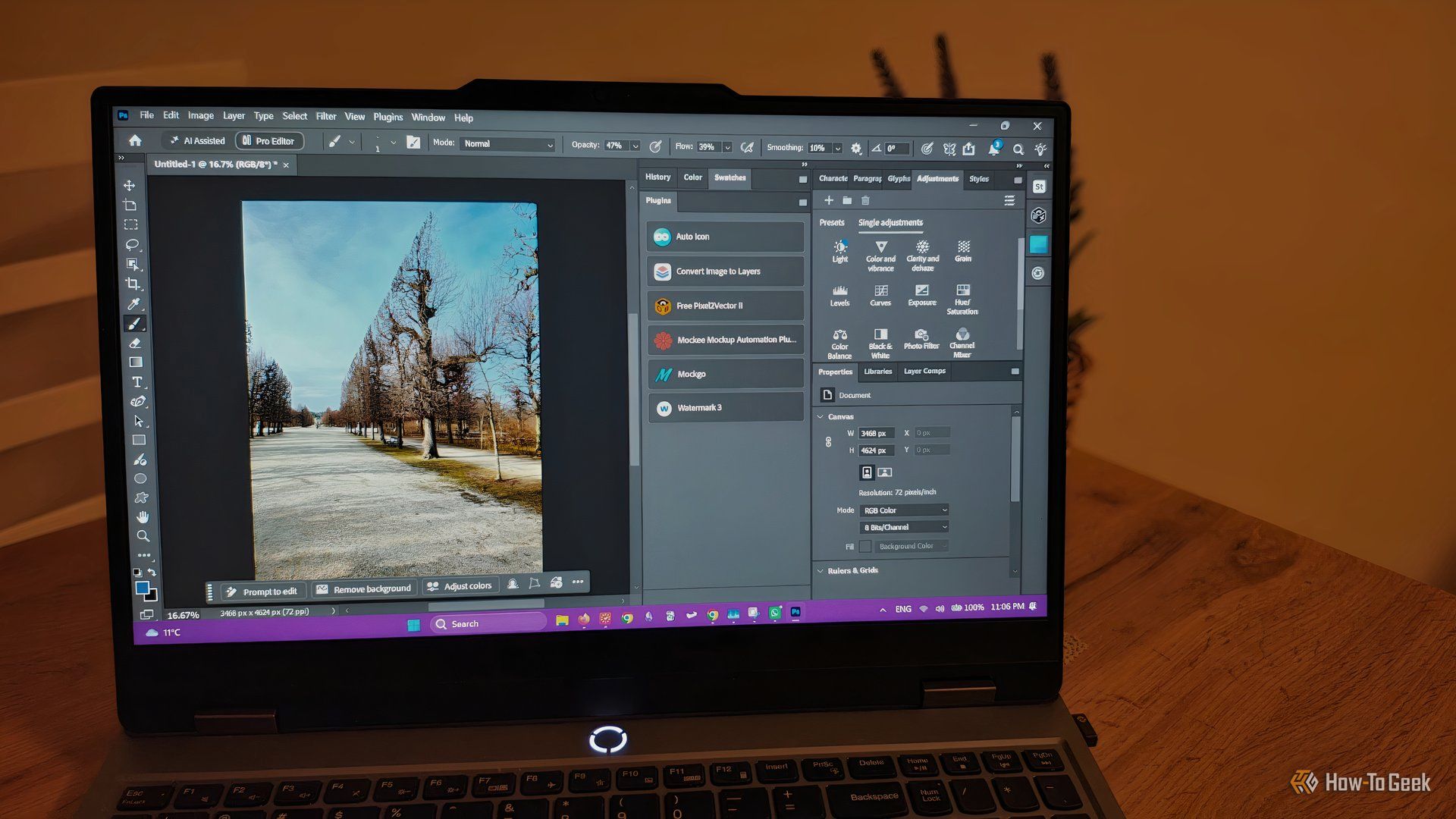
howto: 4 Photoshop plugins so essential they should be built-in
Discover four essential Photoshop plugins that streamline your workflow, save time, and unlock new creative possibilities, making you wonder why they aren't built-in features.
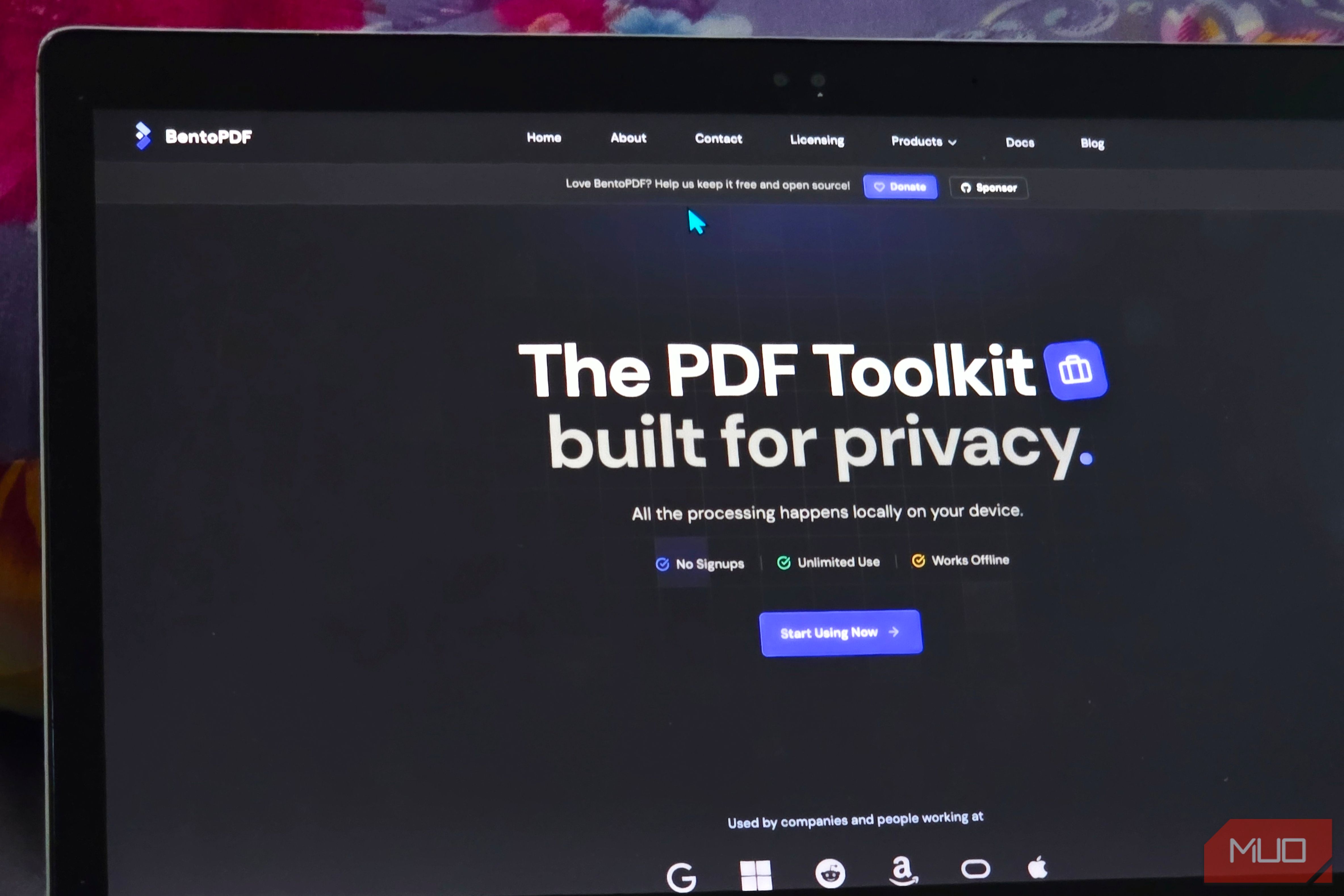
Solve Annoying PDF Problems Locally in Your Browser with BentoPDF
Dealing with PDFs can often feel like a never-ending series of small, annoying tasks. You might need to combine several documents, reduce the size of a bulky file, or even make an image-only scan searchable. Typically,

Seamlessly Transition: Your Guide to Arc Browser Alternatives
The news is out: The Browser Company is sunsetting the Arc browser before the close of 2026. For many loyal users, this marks the end of an era for a browser celebrated for its unique interface and features. But don't

Your Guide to LG's 115-inch QNED evo TV: Features, Gaming & Price
Welcome to an exciting exploration of LG's latest innovation in home entertainment: the colossal 115-inch QNED evo AI Mini LED TV. This guide is designed to walk you through everything you need to know about this

Sakurai Shrugs Off AI Games: Why Human Creativity Still Reigns Supreme
Masahiro Sakurai, creator of *Super Smash Bros.*, believes most AI-created games will be "unprofitable titles" and "low-quality goods." He argues AI can only reproduce existing systems, not generate truly original artistic works like those from Fumito Ueda. In an era of mass production and industry shifts to AI-first models, Sakurai stresses the growing importance of unique human creativity and vision.

The Super Mouse puts a touchscreen macro pad under your hand: Tech
Arctic Fox Technologies has launched the Super Mouse, an innovative peripheral featuring a 3.1-inch touchscreen for dynamic app controls, macros, and enhanced productivity. Available on Kickstarter for $199, this wired mouse aims to consolidate multiple desktop devices into one intuitive command center. Its contextual display and advanced features redefine user interaction.