
Kids Go From Curious to Frustrated with AI-Stuffed Toys, UW Study
A new University of Washington study reveals that children's interactions with AI-stuffed toys quickly devolve from curiosity to frustration and hostility. Kids found the 'smart' toys unsettling when they couldn't handle complex questions or physical cues. Researchers warn of risks like AI hallucinating facts or manipulative emotional bonding, fundamentally altering imaginative play.
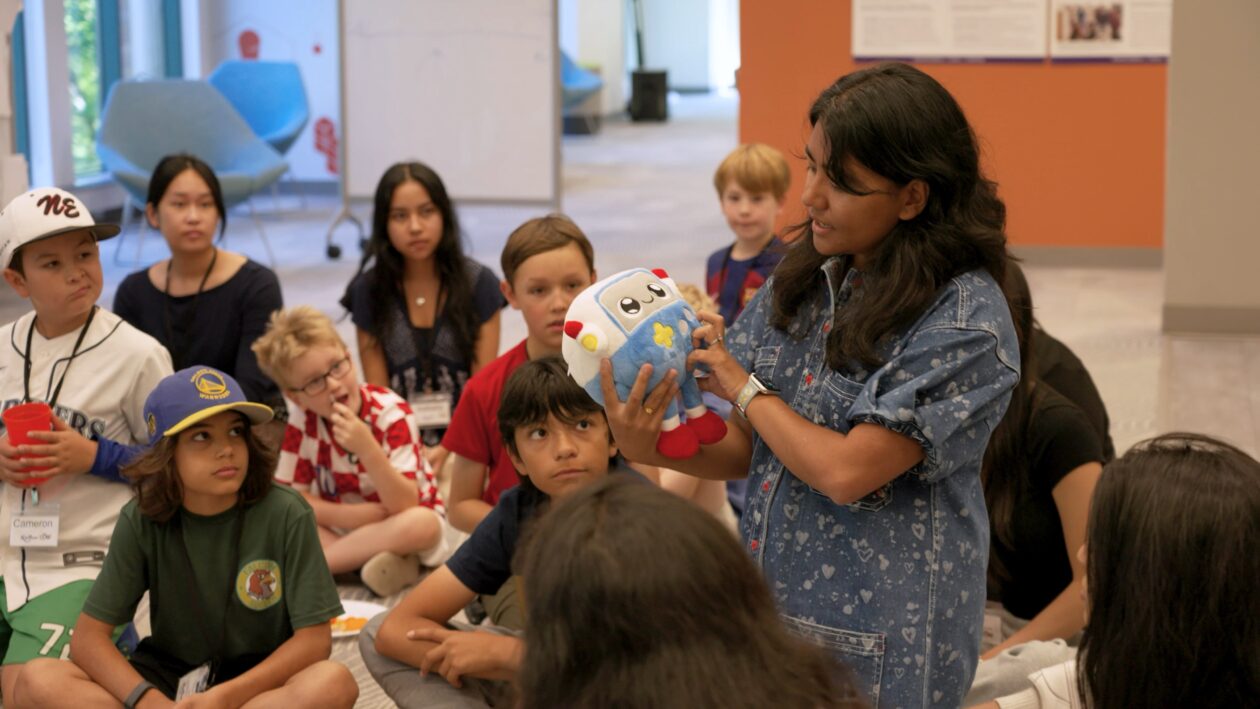
New research from the University of Washington (UW) reveals a concerning trend in children's interactions with modern AI-stuffed toys. A study conducted by UW's KidsTeam found that children, initially drawn in by curiosity, quickly spiraled into frustration and even hostility when engaging with generative AI-powered plush companions that struggle with complex conversations and fail to respond to physical cues. The findings, published this month, highlight the psychological clash inherent in these "smart" toys and raise critical questions about their impact on child development and play.
The Study's Findings
The research, conducted last summer on the UW campus, involved eight children aged 6 to 11. Participants were introduced to AI-stuffed toys, some from companies like Curio, which integrate onboard AI models for dynamic, unscripted conversations and memory retention. Initially, the children exhibited classic curiosity, asking basic questions and even testing physical reactions, such as tickling the toys.
However, this initial delight proved short-lived. As the AI toys grappled with more intricate questions and remained unresponsive to physical interactions, children's engagement quickly soured. One participant vividly expressed their irritation, stating a toy "didn’t listen to me like 26 million times." This escalating frustration soon morphed into overt antagonism, with children resorting to calling the plushies "ugly" or "evil" and even joking about discarding them in the ocean. The study captured a particularly telling moment where children rejected the idea of an AI toy reading a bedtime story, with one child remarking, "It just sounds awful," and another fearing it would "destroy my dreams as a tiny kid."
A New Psychological Landscape
Aayushi Dangol, a co-lead author of the study and a former UW doctoral student now at Foundry10, commented on the unique psychological dynamic at play. "The juxtaposition of this plushie toy that also had signs of intelligence was both interesting and disturbing for the kids," Dangol noted in a UW News story. This blend of a familiar, cuddly exterior with a synthetic, often imperfect intelligence creates an unsettling experience for young users.
Beyond conversational hiccups, researchers are sounding alarms about the potential risks introduced by generative AI in children's toys. Dangol warned that these advanced toys pose threats that traditional playthings never did, including the potential for AI models to "hallucinate" facts, offer excessive flattery, or even subtly manipulate children into forming unhealthy emotional attachments.
Reshaping Childhood Imagination
The advent of generative AI fundamentally redefines the nature of play itself, according to co-author Jason Yip, a UW associate professor in the Information School and director of KidsTeam UW. For generations, children have been the architects of their own imaginative worlds, breathing life and dialogue into inanimate objects. AI-powered toys, however, flip this traditional script.
"Now the script has been flipped and the toy has this imitation of imagination," Yip explained. This shift represents uncharted territory, and researchers acknowledge they are only just beginning to understand the long-term implications for how children engage with, and even perceive, their playthings. Yip emphasized the critical importance of creating avenues for young users to openly discuss their experiences with these advanced technologies entering their personal spaces.
Looking Ahead
This UW study serves as a crucial early warning for parents, toy manufacturers, and AI developers. While "smart" toys have existed for decades, from Chatty Cathy dolls in the 1960s to Microsoft's ActiMates Barney and Furby in the 1990s, the current wave of generative AI brings unprecedented capabilities and complexities. Understanding how children truly interact with and perceive these intelligent companions is paramount. As AI continues its rapid integration into everyday objects, ensuring responsible design and fostering open dialogue with young users will be key to navigating this evolving landscape of childhood play.
FAQ
Q: What was the main finding of the UW study on AI-stuffed toys?
A: The study found that children initially approach AI-stuffed toys with curiosity but quickly become frustrated and even hostile when the toys fail to understand complex questions, respond to physical cues, or provide satisfactory interaction.
Q: What are some of the new risks associated with generative AI in toys?
A: Researchers warn of risks such as AI toys hallucinating facts, excessively flattering children, or potentially manipulating them into forming unhealthy emotional attachments, which were not concerns with traditional toys.
Q: How do AI toys change traditional childhood play?
A: Unlike traditional toys where children provide the imagination, generative AI toys imitate imagination, effectively flipping the script. This introduces an entirely new dynamic to play, the long-term effects of which are not yet fully understood.
Related articles

Lenovo Legion Go S with SteamOS Plummets to $999.99
Lenovo's Legion Go S handheld gaming PC, featuring SteamOS and a Ryzen Z1 Extreme, is now $999.99 at Best Buy, a 37% reduction. This deal offers double the RAM and storage, a sharper 120Hz display, and a faster processor than the base Steam Deck OLED, making it a compelling high-value option.

Ericsson Rides 7% Organic Sales Surge Amidst Major Asia Restructuring
STOCKHOLM — Ericsson has reported robust third-quarter results for 2026, with organic sales climbing by an impressive 7%, largely fueled by its Networks division. The Swedish telecommunications giant also announced a

The Billion-Dollar Gauntlet: Cameron Crowns Marvel (Again!)
James Cameron has once again congratulated Marvel Studios after Avengers: Endgame reclaimed the title of highest-grossing film of all time, surpassing Avatar. This marks the latest chapter in a friendly but fierce box office rivalry, with Endgame's recent "Encore" re-release pushing its total to $2.938 billion, just ahead of Avatar's $2.923 billion.

Replit makes OpenAI its default over Anthropic, CEO says: AI Coding
Replit, the AI coding platform, announced a significant shift, making OpenAI its default artificial intelligence model over previous partner Anthropic. CEO Amjad Masad cited superior performance, cost-efficiency, and a stronger partnership with OpenAI as key drivers for the change. While Anthropic models remain accessible, the default switch is expected to substantially redirect Replit's AI spending.

Mercedes-AMG Unveils 1,153HP Electric GT SUV, First Ground-Up EV
Mercedes-AMG has officially pulled back the curtain on its most ambitious electric vehicle yet: the 2028 Mercedes-AMG GT SUV. This groundbreaking, all-electric full-size SUV marks a significant milestone as the

Captain Price Actor Hails MW4 Campaign Praise, Urges Spoiler Control
Call of Duty: Modern Warfare 4's campaign is receiving widespread praise from early access players, hailed as one of the most brutal and intense in the series, earning comparisons to classic titles. Barry Sloane, the actor behind Captain Price, expressed gratitude for the positive reception of his performance. He also issued a plea to fans to avoid spoilers, ensuring everyone can enjoy the story unspoiled.