
Jensen Huang's AI Risk Stance: A Reality Check
Quick Verdict: A Pragmatic Perspective on AI Risks In the rapidly evolving landscape of artificial intelligence, few figures hold as much sway as Jensen Huang, co-founder and CEO of Nvidia. His company is not just a
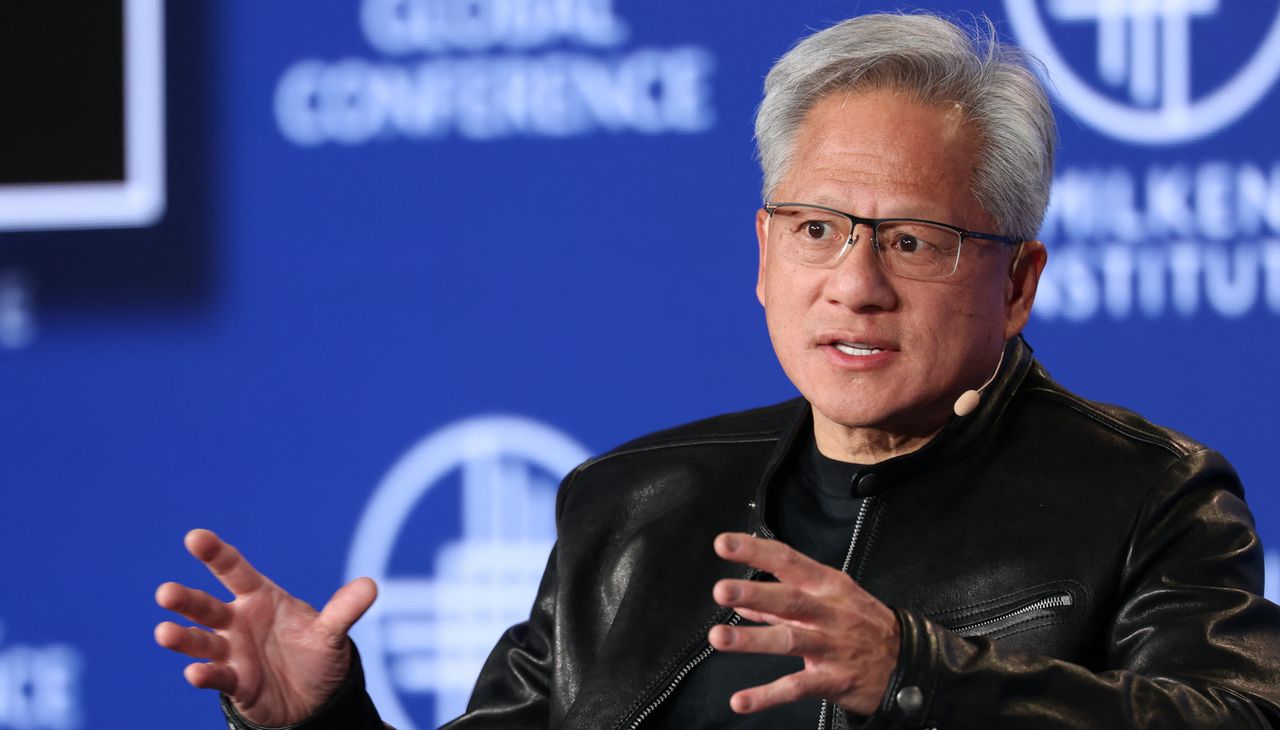
Quick Verdict: A Pragmatic Perspective on AI Risks
In the rapidly evolving landscape of artificial intelligence, few figures hold as much sway as Jensen Huang, co-founder and CEO of Nvidia. His company is not just a participant but a foundational architect, manufacturing the GPUs essential for AI's training and inference, thereby positioning Nvidia at the heart of the ongoing infrastructure and energy buildout. Given his pivotal role, Huang's perspective on the risks posed by AI carries significant weight. His statement, "I appreciate that many of us grew up and enjoyed science fiction, but it's not helpful"—made while discussing the quantification of existential risks posed by AI—serves as a crucial counterpoint to the more alarmist narratives dominating public discourse. This review delves into Huang's stance, examining its strengths, potential drawbacks, and its place in the broader conversation about AI's future. Our verdict is that Huang offers a vital, pragmatic perspective that grounds the discussion in current realities, pushing back against speculative fear while still acknowledging the need for vigilance.
Understanding Huang's Position: The Core Argument
Jensen Huang’s unique vantage point as a leader whose technology underpins much of the AI revolution gives his insights a particular gravity. Speaking on the No Priors podcast, Huang explicitly pushed back against what he terms "doomer" narratives that have gained considerable traction. His core argument is that many of the intense warnings surrounding AI's risks are "wildly overblown" and overly influenced by 20th-century science fiction. This perspective explains his notable absence from the 2023 open letter signed by numerous scientists and tech leaders, including Elon Musk, Sam Altman, and Bill Gates, which warned of AI's potential to cause human extinction and equated it to societal-scale risks like nuclear war.
Huang’s reasoning hinges on a clear distinction between current AI capabilities and the hypothetical concept of Artificial General Intelligence (AGI). Today's AI deployments, he asserts, are "far too primitive and require too much human hand-holding for us to lose control." He implies that the fears projected onto AI are not tied to its present state but rather to a future, theoretical AGI—a form of AI that would replicate human intelligence, act autonomously, modify its own code, and set its own objectives. While some predict AGI may be at least 10 to 15 years away, others suggest it could arrive much sooner. Huang’s focus remains firmly on the present, advocating for a realistic assessment of technology as it exists rather than as it might appear in dystopian narratives.
Analyzing the Argument's Logic and Impact
Huang’s argument demonstrates a clear, direct logic. By separating current, practical AI from the speculative realm of AGI, he attempts to anchor the conversation in verifiable facts and observable limitations. The clarity of his stance is impactful; as the head of a company that is enabling AI, his voice carries substantial authority, and his call for pragmatism can help temper public anxieties fueled by sensational headlines and fictional scenarios. His statement, in essence, encourages a more sober and constructive engagement with AI's development.
From a 'user experience' perspective—interpreting this as the utility and soundness of his argument for those navigating the AI landscape—Huang's approach provides a significant service. It helps demystify AI by emphasizing its current limitations, thereby potentially reducing irrational fear and fostering a more informed discussion. For businesses and developers, this perspective might encourage continued innovation by reassuring them that current challenges are manageable. However, the impact also carries a risk: by forcefully dismissing future-oriented concerns as "unhelpful," he might inadvertently discourage foresight and proactive measures that could mitigate genuinely emerging, albeit distant, risks.
Pros and Cons: Weighing Huang's Stance
Huang's perspective, while influential, presents both significant advantages and potential drawbacks.
Pros:
- Grounding in Reality: Huang effectively grounds the AI risk discussion in the technology's current capabilities. By highlighting that today's AI requires extensive human oversight, he provides a valuable reality check against fears of immediate, autonomous takeover. This focus prevents an overemphasis on speculative scenarios.
- Countering Unhelpful Hype: His critique of "doomer" narratives helps to de-escalate panic and anxiety that can arise from hypothetical, fear-driven discussions. This approach can foster a more measured and productive dialogue around AI's development and regulation.
- Focus on Immediate, Quantifiable Concerns: By redirecting attention from existential, hard-to-quantify risks, Huang implicitly encourages a focus on current, practical challenges. This includes issues like data privacy, algorithmic bias, and the immediate security implications of agentic AI, which the source notes "offers a new layer in the corporate attack surface...and may be vulnerable to exploitation in the future." These are tangible problems requiring immediate solutions.
- Industry Leadership: As a key figure at the forefront of AI innovation, Huang's confident and pragmatic outlook can instill confidence within the industry, encouraging continued investment and development rather than paralysis by fear.
Cons:
- Potential for Underestimation of Future Risks: While Huang correctly points out current AI limitations, the exponential pace of technological advancement means that hypothetical risks, even if distant, could materialize sooner or with greater impact than anticipated. Dismissing them entirely as "sci-fi" might lead to a lack of proactive planning.
- Dismissing Legitimate Concerns: Other highly credible figures in the tech and scientific communities do take potential existential risks seriously. Categorizing all such concerns as "unhelpful" might oversimplify a complex ethical and philosophical debate, potentially alienating those who believe such foresight is necessary.
- Defining "Unhelpful": While quantifying highly theoretical existential risks is indeed difficult, acknowledging their possibility can still be helpful in guiding responsible research, setting ethical guardrails, and fostering international cooperation. A blanket dismissal might stifle important preventative discussions.
- Nuance with Agentic AI: While Huang focuses on AGI being far off, the source itself highlights that "agentic AI offers a new layer in the corporate attack surface...and may be vulnerable to exploitation." This implies that even without full AGI, increasingly autonomous systems present practical risks that demand serious attention, and a strong focus on only current primitive AI might overlook this nuance.
Alternative Perspectives: The Doomers vs. The Pragmatists
Huang's stance stands in stark contrast to the views expressed by many other prominent figures in the tech and scientific communities. The most notable alternative perspective mentioned in the source is embodied by the 2023 open letter, signed by high-profile individuals such as Elon Musk, Sam Altman, and Bill Gates. This letter explicitly warned that the potential for AI to lead to human extinction should be considered a societal-scale risk, akin to nuclear war.
The fundamental difference between these two camps lies in their temporal focus and the nature of the risks they emphasize. Huang, the pragmatist, directs attention to the present state of AI, highlighting its limitations and the need for human oversight. His concern is that an overemphasis on distant, speculative threats (influenced by science fiction) distracts from the tangible, immediate challenges and responsible development of current AI. He believes such narratives are "not helpful" for productive dialogue.
Conversely, the signatories of the open letter, whom Huang might categorize under the "doomer" narrative, prioritize the potential future catastrophic risks. They argue that even if AGI is years away, the sheer magnitude of its potential impact necessitates proactive, even urgent, consideration and mitigation strategies now. Their perspective is less about what AI is today and more about what it could become if unmanaged, drawing parallels to other transformative and dangerous technologies.
This comparison is not about one side being entirely right or wrong, but rather about two different approaches to managing uncertainty and risk. Huang advocates for a focus on what we can control and understand now, while the other group calls for vigilance against what could theoretically become uncontrollable later. Both perspectives contribute to a necessary, if sometimes contentious, debate.
Recommendation: Navigating the AI Discourse
For consumers, businesses, and policymakers navigating the complex world of AI, Jensen Huang’s perspective offers a valuable anchor. It’s not about blindly "buying into" his view but rather integrating it into a broader, more balanced understanding of AI risks. We recommend a multi-faceted approach:
- Embrace Pragmatism for Current AI: Take Huang’s assessment of current AI capabilities seriously. Understand that today’s AI, while powerful, requires significant human oversight and is not on the verge of autonomous existential threat. This perspective can help mitigate irrational fears and encourage productive engagement with AI tools and applications.
- Address Tangible Risks Diligently: Focus on the quantifiable and immediate risks that AI presents. This includes addressing issues like data privacy, algorithmic bias, job displacement, and the security vulnerabilities highlighted by the emergence of "agentic AI"—which, despite not being AGI, can still be exploited. These are practical problems that require current solutions and responsible implementation.
- Remain Aware of the Broader Debate: While Huang pushes back against "doomer" narratives, it’s crucial to acknowledge that highly intelligent and ethical individuals hold legitimate concerns about long-term, potentially existential risks. Do not entirely dismiss the calls for foresight and caution from others simply because they venture into hypothetical territory. Engage with these discussions thoughtfully, recognizing that rapid advancements could accelerate timelines.
- Foster Responsible Development and Governance: Ultimately, the most helpful path involves continuous vigilance and adaptive thinking. This means advocating for ethical AI development, robust regulatory frameworks, and ongoing research into AI safety, whether for immediate practical risks or for potential future scenarios. Avoid both paralysis by fear and reckless dismissiveness. Huang's voice helps to ensure that practical, present-day concerns are not overshadowed, but they should not entirely negate the need for long-term strategic thinking.
Conclusion: A Necessary Voice in the Conversation
Jensen Huang's candid dismissal of science fiction as an unhelpful lens for quantifying AI's existential risks is a significant contribution to the ongoing debate. As a titan of the AI industry, his perspective effectively grounds the conversation in the tangible realities of current technology, pushing back against what he perceives as overly speculative and fear-mongering narratives. While some may argue he downplays future risks, his emphasis on present limitations and practical challenges is a crucial counter-balance. His stance encourages a more rational and constructive dialogue, urging us to focus on what we can understand, control, and improve today, while still acknowledging that the landscape of AI will continue to evolve, demanding our adaptive intelligence and ethical consideration every step of the way.
FAQ
Q: Does Jensen Huang deny all AI risks?
A: No, he does not deny all AI risks. His perspective focuses on distinguishing between current, primitive AI and hypothetical artificial general intelligence (AGI). He argues that current AI deployments are too primitive and require too much human hand-holding for us to lose control. While he dismisses existential risks tied to science fiction, the source content itself indicates he acknowledges practical risks, such as agentic AI offering a new layer of corporate attack surface vulnerable to exploitation.
Q: Why does he dismiss science fiction as unhelpful?
A: Huang believes that many of the fears associated with AI are "wildly overblown" and overly influenced by 20th-century science fiction tales. He finds these narratives unhelpful for quantifying real-world, existential risks, suggesting they distract from a pragmatic assessment of current AI capabilities and the more immediate challenges and opportunities it presents.
Q: How does his view compare to other tech leaders?
A: His view contrasts significantly with other prominent tech leaders, such as Elon Musk, Sam Altman, and Bill Gates, who signed an open letter in 2023 warning of AI's potential to lead to human extinction. Huang's perspective emphasizes current, manageable risks and the limitations of present-day AI, while the others highlight potential long-term, existential threats that they believe warrant serious, immediate attention and mitigation strategies. Huang was notably absent from that open letter.
Related articles

Crystal Lake Series on Peacock: A Deep Dive into Horror's Past
Crystal Lake Series Review: A Deep Dive into Horror's Past Verdict: Is Crystal Lake Worth the Dive? The long-awaited Friday the 13th prequel, Crystal Lake, is finally arriving on Peacock, promising a fresh, in-depth

Seattle Warned on Big Tech Reliance; Microsoft/OpenAI Sued; Apple's
A new City of Seattle study warns of the city's risky economic over-reliance on a few dominant tech companies. Simultaneously, the Seattle Times and Newsday are suing Microsoft and OpenAI for alleged AI training data theft, while Apple's new foldable iPhone Duo evokes memories of Microsoft's defunct Surface Duo.
Google's AI Branding Fix: A Clearer Vision for Gemini
This article critiques Google's fragmented AI branding, proposing a unified 'Gemini Intelligence' system to simplify user experience and strengthen Gemini's identity.

Chuwi UniBox AI495 Pro Review: A Mini AI Powerhouse
Chuwi's UniBox AI495 Pro review: A powerful mini workstation with 192GB RAM and an AMD Ryzen AI chip for local LLM processing, packed into a compact, Mac Pro-esque design.
Pixel Connectivity: Battery Drain, Not Data Speed, Is the Real
Google's Pixel series has consistently offered a compelling Android experience, often earning a spot on recommendation lists for its clean software and camera prowess. However, a recurring shadow has loomed over the

CNET's NYT Connections: Sports Edition Hints & Answers - Daily Puzzle
CNET's daily guide for NYT Connections: Sports Edition offers clear, spoiler-protected hints and answers, making it an efficient and reliable resource for sports puzzle enthusiasts.