
Intel Nova Lake-S Dunlow: A Promising Workstation Entrant
Quick Verdict Intel's upcoming Nova Lake-S CPUs for the Dunlow workstation platform appear to be a strategic move to address the entry-level server and workstation market. Featuring up to 28 cores and a new LGA1954
Quick Verdict
Intel's upcoming Nova Lake-S CPUs for the Dunlow workstation platform appear to be a strategic move to address the entry-level server and workstation market. Featuring up to 28 cores and a new LGA1954 socket, these chips aim to offer a more tailored, cost-effective solution with dual-channel memory and a modest 95W power envelope. While many details remain speculative, particularly regarding the core configuration, the Dunlow platform promises a dedicated option that could fill a crucial gap between high-end desktops and expensive, full-fledged server systems. It's a pragmatic play by Intel, potentially delivering significant multi-core performance without the overhead of enterprise-grade memory bandwidth.
Introduction: Bridging the Gap
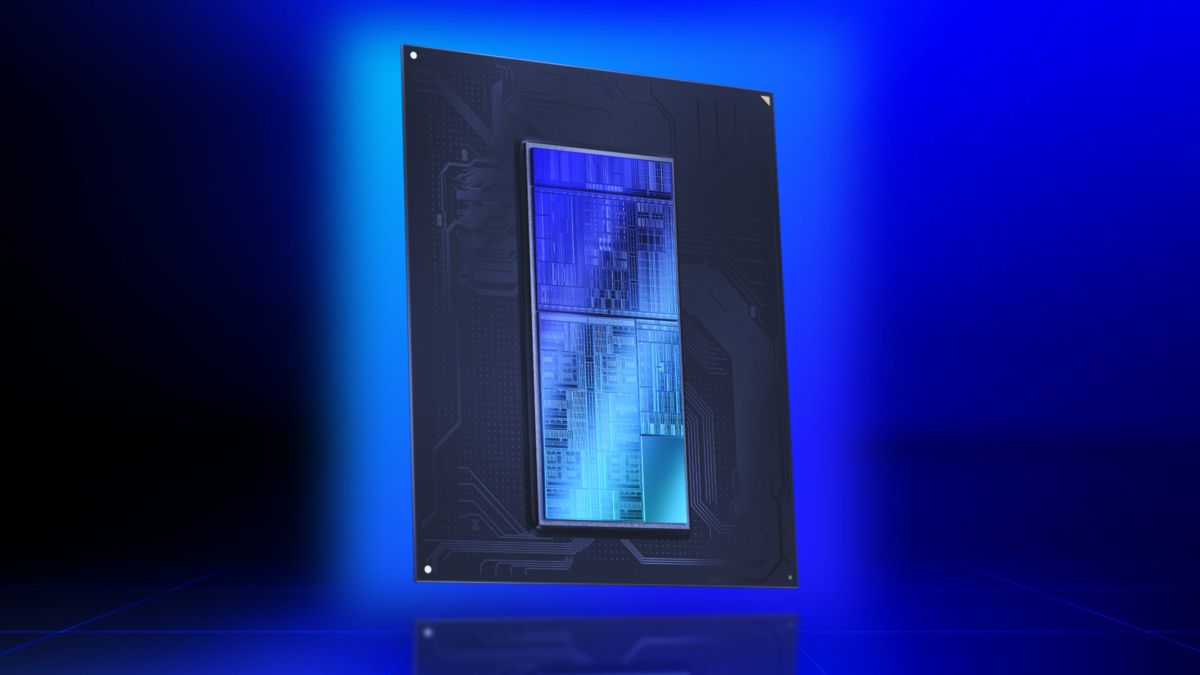
Intel is reportedly gearing up to launch a new series of Nova Lake-S processors specifically designed for its Dunlow workstation platform. This development, unearthed from shipment manifests, points towards an entry-level Xeon chip that will feature up to 28 cores and utilize the new LGA1954 socket. Codenamed Dunlow, this platform is slated to succeed Intel's existing Catlow platform, which currently houses the Xeon 6300P-series CPUs. The primary target for these upcoming processors will be entry-level server and workstation applications, suggesting a focus on balancing performance with practical power and cost considerations.
Key Specifications and Features
The Nova Lake-S CPUs for the Dunlow platform are expected to bring several notable specifications to the table. Central to their design is the core count, rumored to be up to 28 cores. This is a significant number, especially for an entry-level workstation offering. Unlike its more power-hungry desktop Nova Lake-S counterparts, which are alleged to feature a hybrid architecture with up to 52 cores (16 P-cores, 32 E-cores, and 4 low-power E-cores), the Dunlow variant is speculated to feature an all-P-core design, potentially all 28 being high-performance cores. If this speculation holds true, it would mark a departure from Intel's recent hybrid core strategy for this segment and echo the design philosophy of the previously abandoned Raptor Lake-32C, which was also an all-P-core design aimed at similar markets.
The platform will introduce a new LGA1954 socket, indicating a fresh motherboard ecosystem will be required. Memory support will be dual-channel DDR5, a more modest configuration compared to the octa-channel memory subsystems typically found in higher-end Xeon processors. This choice directly impacts platform cost, making it more accessible for target applications that don't demand extreme memory bandwidth. Power efficiency is also a key characteristic, with a Processor Base Power (PBP) of 95W. This relatively low TDP for a 28-core chip suggests a focus on sustained performance without excessive thermal or power demands, which is crucial for workstation and entry-server environments.
Performance and User Experience Expectations
For professionals considering an entry-level workstation or small server, the Nova Lake-S Dunlow CPUs could offer a compelling balance. The potential for 28 P-cores, coupled with a 95W TDP, implies robust multi-threaded performance for demanding applications without the need for extreme cooling solutions or power infrastructure. Applications such as content creation, CAD/CAM, scientific simulations, or running multiple virtual machines that can leverage a high number of performance cores but are not critically dependent on massive memory bandwidth would likely benefit significantly. The dual-channel memory, while not on par with high-end server platforms, is still DDR5 and should provide ample bandwidth for many professional workloads, especially when paired with fast modules.
The user experience is likely to be defined by stability and efficient performance. The lower TDP compared to enthusiast desktop chips (which could pull up to 474W) means less heat, potentially quieter operation, and lower running costs. For an office or small business environment, these are tangible benefits. The new LGA1954 socket, however, means a complete platform upgrade, including a new motherboard, which adds to the initial investment cost. This isn't unusual for a new generation of workstation CPUs, but it's a factor to consider for those looking to upgrade existing systems.
Market Positioning and Alternatives
Intel's strategy with Dunlow appears to be about precision targeting. Currently, there's a noticeable gap in their product stack. On one hand, you have high-end enthusiast desktop platforms like the rumored 52-core Nova Lake-S desktop chips. These are designed for ultimate raw performance, often at higher power consumption (up to 474W), and are geared towards gaming and highly threaded consumer applications. On the other end, there are the more expensive, enterprise-grade Xeon 6 server and workstation CPUs, which typically feature octa-channel memory subsystems that, while powerful, are overkill and too costly for many entry-level applications.
The Dunlow platform, with its 28-core (potentially all P-core) design, dual-channel DDR5, and 95W TDP, slots neatly between these two extremes. It offers more dedicated core count and multi-threaded muscle than the 12 P-core Xeon 6300P-series 'Raptor Lake-E' parts, without the exorbitant cost and complexity of an octa-channel memory setup. This makes it a viable option for specific server applications like web hosting or storage, where high core count is beneficial but extreme memory bandwidth isn't the primary bottleneck. The cancellation of Xeon 'Diamond Rapids' processors, which were slated to have an octa-channel memory subsystem, further widens the gap Dunlow aims to fill, making its niche even more defined by 2028. While the source points out AMD's dominance in enthusiast-grade platforms, this specific product targets a different segment, focusing on Intel's internal workstation and entry-server product differentiation.
Pros and Cons
Pros:
- High Core Count: Up to 28 cores, potentially all high-performance P-cores, for robust multi-threaded workloads.
- Targeted Efficiency: A 95W Processor Base Power (PBP) indicates good performance per watt for its class.
- Cost-Effective Platform: Dual-channel DDR5 memory helps reduce overall platform cost compared to octa-channel server solutions.
- Fills Market Gap: Addresses the needs of entry-level workstations and servers that require more than desktop power but less than full-blown enterprise server capabilities.
- Workload Specific: Well-suited for applications like storage or web hosting where extreme memory bandwidth isn't paramount.
Cons:
- New Socket Requirement: The LGA1954 socket necessitates new motherboards, adding to upgrade costs.
- Limited Memory Channels: Dual-channel DDR5, while cost-effective, won't match the memory bandwidth of higher-end server CPUs with octa-channel configurations.
- Speculative Details: Many core details, particularly the all-P-core configuration, are still based on leaks and speculation, awaiting official confirmation.
- Not for Extreme Bandwidth: Not the ideal choice for applications heavily reliant on maximum memory bandwidth.
Buying Recommendation
The Intel Nova Lake-S CPUs for the Dunlow platform are shaping up to be an excellent choice for businesses, professionals, and prosumers who need a powerful, multi-core system for dedicated workstation tasks or entry-level server roles. If your workload benefits from a high number of CPU cores for tasks like virtualization, compilation, scientific computing, or running numerous concurrent services, but doesn't require the extreme memory bandwidth or advanced features of high-end Xeon servers, Dunlow could be your sweet spot. It offers a more economical entry point into serious workstation performance without compromising too much on core count or power efficiency. However, if your applications are critically dependent on memory-intensive operations that demand maximum bandwidth, or if you're looking for an incremental upgrade to an existing older platform, you'll need to factor in the cost of a new motherboard for the LGA1954 socket.
FAQ
Q: What kind of applications are these Nova Lake-S Dunlow CPUs best suited for?
A: These CPUs are designed for entry-level server and workstation applications. This includes tasks such as content creation, CAD/CAM, scientific simulations, virtualization, development environments, and dedicated roles like web hosting or storage servers, where a high core count is valuable but extreme memory bandwidth (like octa-channel setups) isn't strictly necessary.
Q: How does the LGA1954 socket affect upgrades?
A: The introduction of the LGA1954 socket means that these new Nova Lake-S CPUs will require a new motherboard. This is a common occurrence with new CPU generations but implies that users will need to budget for both the CPU and a compatible motherboard, rather than just a CPU upgrade for an existing system. It's a full platform upgrade.
Q: Is the dual-channel memory a significant limitation for workstation use?
A: For many entry-level workstation and server applications, dual-channel DDR5 memory will provide ample bandwidth, especially given its modern specifications. It's a design choice aimed at reducing platform costs, making these CPUs more accessible. However, if your specific workloads are extremely memory bandwidth-intensive (e.g., certain scientific simulations with very large datasets, high-performance computing clusters), then higher-end Xeon platforms with octa-channel memory would offer superior performance in those specific scenarios.
Related articles
Android 17 QPR2 Beta 7.1: The Performance Relief You've Been Waiting
Android 17 QPR2 Beta 7.1: Finally Fixing the QPR1 Performance Woes Verdict: Android 17 QPR2 Beta 7.1 is a crucial and highly anticipated software update for Google Pixel users, specifically targeting and resolving the

DJI Solo Video Setups: Smart Choices for Lone Creators
This review delves into DJI's recommended solo video setups, highlighting the Osmo Pocket 3 Creator Combo as a top pick for its integrated camera, gimbal, and mic. It also covers stabilizers like the Osmo Mobile 8 and RS 4, and the DJI Mic Mini series for enhanced audio, providing honest pros, cons, and clear buying advice.

Ars Technica's Rocket Report: Your Essential Space Industry Briefing
Quick Verdict Ars Technica's Rocket Report, presented by veteran space reporter Stephen Clark, offers an invaluable and meticulously organized weekly (or similar frequency, implied by "Edition 9.15") digest of the most

Apple iPhone Duo: A Daring Debut with Notable Compromises
Apple's highly anticipated iPhone Duo, priced at $2,000, has gone on pre-order. While hailed as "Apple's most exciting device in a decade" for its innovative foldable design and immersive display, it comes with significant drawbacks like the absence of FaceID and a premium camera.
KDE Plasma 6.8: A Future-Focused 30th Anniversary Update
Quick Verdict KDE Plasma 6.8, arriving as the "30th Anniversary Edition," is a pivotal release that decisively pushes the desktop environment into the future. With a definitive farewell to native X11 sessions and a
Galaxy Watch One UI 9 Beta: Promising Progress, But Patience Needed
Galaxy Watch 8, Watch Ultra, and Watch 7 are receiving a new One UI 9 Watch beta build with bug fixes and a security patch. Active development signals progress, but a stable release date remains elusive.