
SpaceX Posts Loss of $541 Million in First Report Since Record IPO
SpaceX reported a $541 million net loss in its first quarterly earnings since its record-setting June IPO, continuing a trend of deficits for Elon Musk's ambitious aerospace firm. Despite the loss, its stock saw a brief pre-announcement surge after weeks of decline, highlighting the company's capital-intensive path to space economy dominance.

SpaceX Posts $541 Million Loss in First Report Since Record IPO
SpaceX, the ambitious aerospace company led by Elon Musk, reported a significant net loss of $541 million in its inaugural quarterly earnings statement since going public in June. The announcement on August 4, 2026, reveals a continuation of financial deficits for the firm, which has declared its intent to dominate the burgeoning space economy. Despite the substantial loss, the company's stock experienced a more than 10 percent surge just prior to the report, marking one of the first positive movements after a prolonged period of decline.
This $541 million figure marks a continuation of the financial struggles that have plagued the Elon Musk-led enterprise, even prior to its entry onto the public market. Reports from May 20, 2026, just weeks before its IPO, had already revealed "massive losses," signaling the high operational costs and significant capital expenditure inherent in developing cutting-edge space technology and a global satellite internet constellation.
SpaceX embarked on its public journey with a much-touted, record-setting initial public offering on June 12, 2026. This IPO was widely seen as further cementing Musk's widespread influence across critical technology sectors like artificial intelligence and the broader economic landscape. However, the initial market euphoria surrounding its debut quickly dissipated, giving way to investor apprehension.
The company's stock performance post-IPO quickly mirrored its pre-public financial state. By July 15, 2026, little over a month after its market debut, SpaceX's shares were already trading below their initial offering price, indicating a rapid erosion of investor confidence. This downturn was not isolated, as a subsequent report on July 27, 2026, highlighted how SpaceX's market challenges were also exerting downward pressure on the stock of Tesla, another prominent company under Musk's leadership.
Amidst this backdrop of consistent losses and a depreciating stock value, the market's reaction on August 4, 2026, presented a curious contradiction. Prior to the official release of the earnings report, SpaceX's stock recorded a jump of over 10 percent. This upward movement was notable as it represented one of the first positive signals for the company's shares after an extended period characterized by continuous decline since its IPO.
SpaceX's long-term vision remains undeterred by these financial realities. As reported on June 19, 2026, the company holds ambitious plans, including the radical strategy of deploying all data centers in space, with the ultimate goal of generating substantial profit from these pioneering ventures. This grand strategy, coupled with the ongoing development of its Starship rocket and Starlink satellite constellation, demands immense financial outlay, which largely explains the persistent deficits.
This latest earnings report serves as a stark reminder of the inherent cost associated with disrupting established industries and forging new frontiers, particularly in the capital-intensive aerospace sector. While the pre-announcement stock surge offered a brief reprieve, the substantial $541 million loss underscores the financial tightrope SpaceX is walking. The company’s trajectory suggests a continued focus on heavy investment in research, development, and infrastructure to realize its vision of space economy dominance, which implies that profitability may remain a distant target for the foreseeable future. Investors and market observers will be scrutinizing future reports for any indications of increased revenue generation or a narrowing of these significant losses.
SpaceX's financial performance provides a critical barometer for the nascent private space sector. As a frontrunner with audacious goals, its ongoing deficits, even after a record-setting IPO, highlight the significant gestation period and financial fortitude required for companies aiming to revolutionize access to space and its commercial applications. The challenge for Musk and his team will be to convince investors that these expenditures are foundational investments for future unprecedented returns, rather than a bottomless pit of capital consumption in an unpredictable market.
FAQ
Q: What were the key financial results from SpaceX's first quarterly report since its IPO?
A: SpaceX reported a net loss of $541 million in its first quarterly earnings report since going public in June 2026. This figure continues a trend of significant deficits for the company.
Q: How has SpaceX's stock performed since its record-setting IPO?
A: After its record-setting IPO in June 2026, SpaceX's stock experienced a rapid decline, trading below its debut price by mid-July and even impacting Tesla's stock. However, prior to the August 4th earnings announcement, the stock saw a temporary surge of over 10 percent, marking a rare positive signal amidst weeks of losses.
Q: What are some of SpaceX's long-term goals despite its current financial losses?
A: Despite ongoing deficits, SpaceX maintains ambitious long-term goals, including plans to establish all data centers in space to generate profit. The company continues to invest heavily in developing advanced space technology and expanding its Starlink satellite internet constellation, aiming for dominance in the emerging space economy.
Related articles

Apple Unveils iPhone Duo: Pricey Foldable Sees Soaring Demand
Apple has officially entered the foldable smartphone arena with the long-anticipated launch of the iPhone Duo. Priced starting at a hefty $1,999, the device features a 5.4-inch outer display and a larger 7.6-inch inner

in-depth: Chicago-Area Cops Helped HSI Spy on Minnesota Anti-ICE
Chicago-area law enforcement, including local police and HSI agents, conducted undercover surveillance on Minnesota anti-ICE activists at an April 2, 2022, talk in Chicago. This operation was part of a federal conspiracy probe into 15 Minnesota activists facing felony charges related to immigration enforcement resistance. Civil liberties advocates have condemned the surveillance as a troubling intrusion into protected political activity.

Mark Wahlberg on using AI in film ‘the right way’ and being open to
Actor Mark Wahlberg believes AI has a place in filmmaking if used responsibly for enhancement, not script generation or actor replacement. At TechCrunch Disrupt, he expressed openness to an AI likeness carrying on his legacy, managed by his family, and emphasized storytelling.
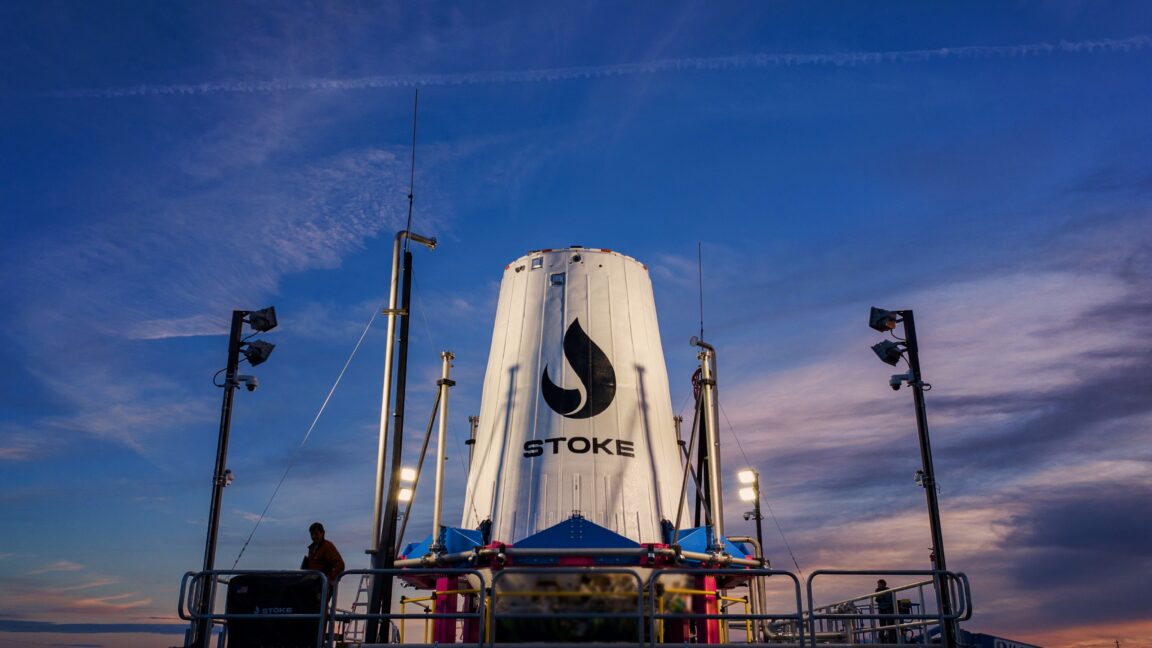
Ars Technica's Rocket Report: Your Essential Space Industry Briefing
Quick Verdict Ars Technica's Rocket Report, presented by veteran space reporter Stephen Clark, offers an invaluable and meticulously organized weekly (or similar frequency, implied by "Edition 9.15") digest of the most

Tesla Unveils Thruster-Equipped Roadster, 2028 Production Targeted
Tesla has unveiled its second-generation Roadster, featuring cold-gas thrusters co-developed with SpaceX, enabling it to jump and flip. The electric sports car demonstrated 0-60mph in an astonishing 0.81 seconds, with production targeted for 2028. This highly anticipated reveal also serves as a key recruitment tool for Tesla's ambitious AI and robotics initiatives.

Amazon Prime Video Launches AI-Powered Prime 360 for NBA Coverage
Amazon Prime Video is elevating its NBA coverage with the introduction of Prime 360, an AI-powered replay system offering immersive, 'fly through' views of the action. Kicking off its second season, Prime Video also adds Yahoo fantasy integration and gains exclusive Eastern Conference Finals rights, expanding its tech-driven sports broadcast. The new features aim to deliver a unique and interactive viewing experience for basketball fans.