
If Snap’s Specs are still ridiculously expensive, they’re also a lot
Snap's latest AR glasses, Specs, offer significant comfort and weight improvements, now at 4.6 ounces with spring hinges and two sizes. However, the $2,200 device still struggles with a clear purpose, leaving potential users questioning its daily utility despite technical advancements.

Snap's long-anticipated augmented reality (AR) glasses, known as Specs, have undergone significant ergonomic improvements since their early prototypes. While the device now offers a much more comfortable and lighter wear, a recent review highlights that its hefty $2,200 price tag and a persistent lack of clear purpose continue to be major hurdles for broader adoption.
TechCrunch revisited the Specs in late October 2026, following their public debut and the commencement of pre-orders. This second encounter revealed a vastly refined form factor compared to the initial prototype demonstrated at CES earlier in the year. The evolution focuses heavily on user comfort, addressing key pain points identified in earlier iterations.
Dramatic Design Overhaul for Enhanced Comfort
The most notable upgrade is a substantial reduction in weight. The glasses now weigh approximately 4.6 ounces (132 grams), nearly half the 8 ounces of the previous version. This slimming down contributes significantly to the device's improved wearability, with the reviewer noting that it remained comfortable and free from overheating during an hour-long demo session.
Further enhancing the fit, Specs are now available in two sizes, 47mm and 52mm, designed to accommodate diverse head shapes. The integration of spring hinges also adds flexibility and contributes to a more secure and comfortable experience, making the device feel less cumbersome on the face than before.
The Elusive 'Soul': A Device Seeking Purpose
Despite these impressive hardware advancements, the core identity of Specs remains somewhat ambiguous. Snap positions the AR glasses as a "new kind of computer," yet the reviewer struggled to identify specific, compelling daily use-cases that would justify its premium price point. In discussions with Snap staff, the purpose — whether for entertainment or productivity — was described vaguely, leading to a perception that the device feels "rudderless" in its ambitions.
Several potential applications were considered, with some showing more promise than others. The immersive nature of Specs makes them an appealing option for mobile entertainment, such as watching TV or movies during commutes, particularly with existing integrations for HBO Max and YouTube. Similarly, the headset's ability to create a focused environment could make it suitable for reading while traveling, potentially benefiting from future integrations with platforms like Kindle or digital newspapers.
Additionally, the glasses offer a fun, unique way to capture photos and videos. Users can record GoPro-like footage and easily share it, a feature that could appeal to casual users looking for novel content creation methods.
Questionable Viability as Productivity or Gaming Tool
However, the concept of Specs as a daily workspace or productivity tool was met with skepticism. The reviewer found it difficult to envision the average worker integrating the glasses into their routine, citing the inconvenience compared to a traditional laptop setup, the social stigma of wearing large smart glasses, and the lack of clear advantages over existing mobile and computing devices.
Equally challenging is the device's potential as a widely adopted gaming platform. With a price tag of $2,200, Specs is significantly more expensive than most dedicated gaming consoles, making it unlikely to attract a large gaming audience, especially teenagers, for Christmas purchases.
Promising Tech with an Uncertain Future
Ultimately, Specs showcases impressive technological achievements, particularly its spatial synching capability, which allows multiple users to experience the same AR content simultaneously. This underlying tech has considerable potential for future, more defined applications as Snap continues to iterate and refine its vision.
For now, the device represents an interesting, evolving product that boasts significant ergonomic improvements. Yet, its current offerings may not be compelling enough to overcome its high cost and justify widespread adoption among consumers still searching for a clear answer to the question: "What is it for?"
FAQ
Q: What are the main improvements in Snap's Specs since earlier prototypes?
A: Snap's Specs have become significantly lighter, weighing 4.6 ounces (132 grams) down from 8 ounces, and are much more comfortable due to the introduction of two sizes (47mm and 52mm) and flexible spring hinges, eliminating previous issues like overheating.
Q: What is the primary criticism of Snap's Specs, despite its improvements?
A: The main criticisms revolve around its high price of $2,200 and a perceived lack of clear, dedicated purpose, making it difficult for users to envision its daily utility beyond a few niche applications.
Q: What are some potential use cases for Specs that the reviewer found promising?
A: Potential use cases include immersive mobile entertainment (watching movies/TV on public transportation), focused reading while traveling, and capturing unique, shareable GoPro-like videos easily.
Related articles
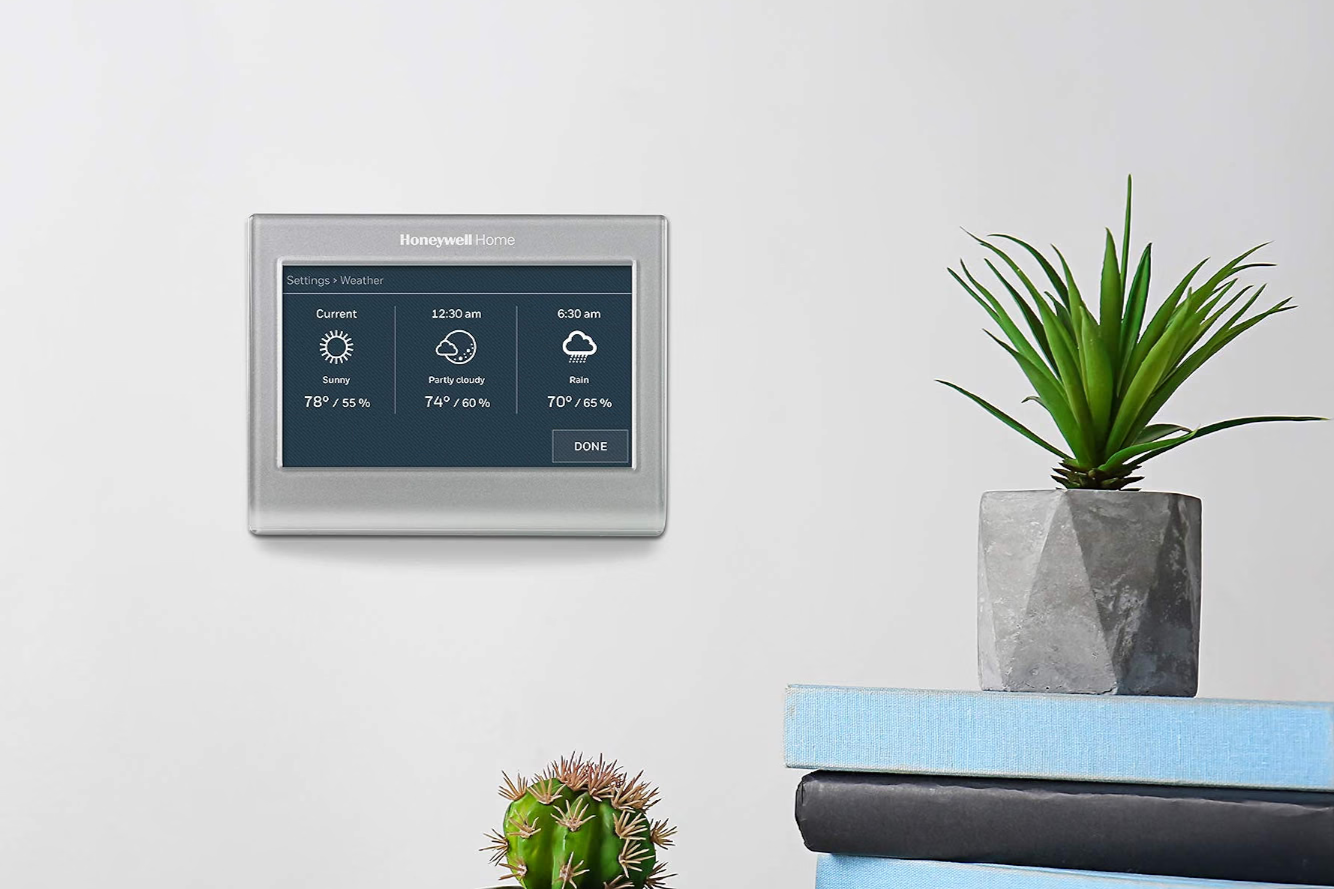
Get the Honeywell Smart Color Thermostat for $80 and Start Saving on
Learn to get and install the Honeywell Home Wi-Fi Smart Color Thermostat for just $80, a 55% saving, and start reducing your utility bills by leveraging its Energy Star certified features and smart home integration.

Jensen Huang Resigns as Nvidia CEO Amid Alleged Spy Affair
Nvidia CEO Jensen Huang has resigned following reports of two affairs, including one with a woman suspected of being a Chinese spy. The departure on Thursday, November 12, 2026, led to a 4 percent drop in Nvidia's stock, with CFO Colette Kress stepping in as interim CEO. The event follows a period of scrutiny and public criticism, raising national security concerns.

Gemini Memory Summary: Essential User Control
Google Gemini, like many advanced AI systems, aims to personalize your interactions by remembering details about you. While this can enhance your experience, it also brings up natural privacy concerns regarding what

analysis: Jensen Huang’s Resignation From Nvidia Could Complicate
Jensen Huang's resignation as Nvidia CEO amid personal misconduct raises significant questions about the future of the Jen-hsun & Lori Huang Foundation. The $9 billion charitable entity, co-founded by Huang and his wife, Lori, faces an uncertain path as the tech mogul departs the company he led for 33 years.

Android XR Smartglasses: Display-less Specs Redefine AI Wearables
For years, I've approached smartglasses without integrated displays with a healthy dose of skepticism. My thinking was simple: if I can't see augmented reality overlays or discrete notifications right in my line of

Nvidia CEO Jensen Huang resigns amid spy, affair scandals: CEO
Nvidia CEO and co-founder Jensen Huang has resigned, effective immediately, following reports of two extramarital affairs: one with an alleged Chinese spy and another with a subordinate executive. CFO Colette Kress has been appointed interim CEO as the board initiates a search for a permanent replacement. Huang's departure marks the end of a 33-year tenure at the helm of the AI chip giant.