
How to Stop Breaking Linux: 6 Habits for a Stable System
If you've spent any time using Linux on your desktop, you're likely familiar with the cycle: a small tweak here, a slightly larger one there, confident updates, a reboot, and then… a blank stare. Many Linux users
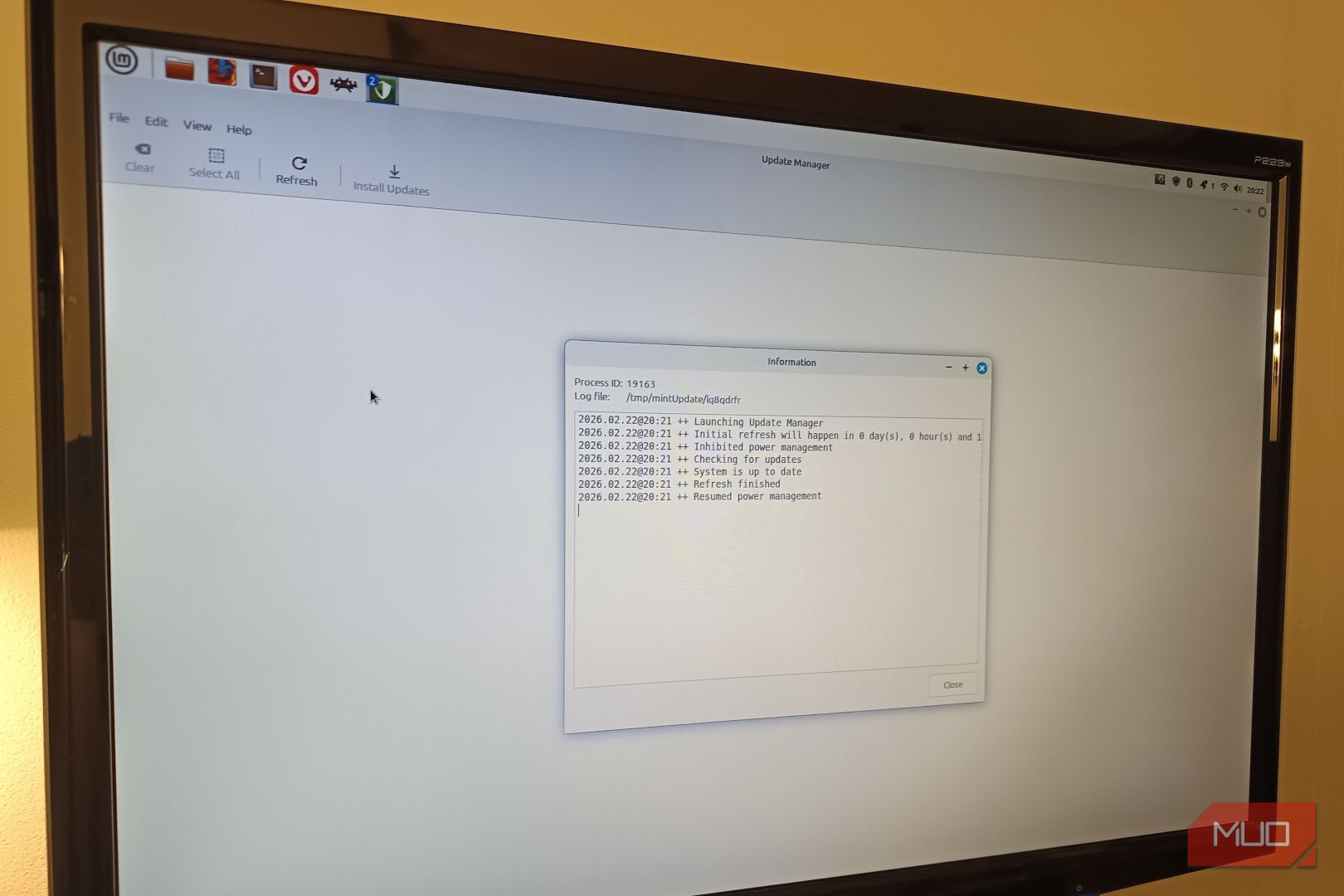
If you've spent any time using Linux on your desktop, you're likely familiar with the cycle: a small tweak here, a slightly larger one there, confident updates, a reboot, and then… a blank stare. Many Linux users experience a steady, low-grade friction, not necessarily catastrophic failures, but enough unexpected behavior to disrupt workflow and cause frustration. This guide outlines six practical habits that can transform your Linux experience from chaotic to consistently calm and predictable.
You don't need to be a Linux wizard or compile your own kernel to achieve stability. The key lies in adopting quieter, more intentional patterns of interaction with your system. These aren't heroic fixes, but simple behavioral changes that, when applied consistently, make a significant difference. By the end of this guide, you'll understand how to integrate these habits to minimize unexpected issues and ensure your Linux setup reliably serves your needs.
Prerequisites
To follow this guide, you'll need:
- A working Linux installation (the principles apply broadly, though Debian-based systems are mentioned in the source).
- Basic familiarity with common Linux operations and the terminal.
- A willingness to shift your approach to system management.
6 Habits That Finally Stopped Me From Breaking Linux
1. Update with Awareness
For many, system updates become a background task, often run without much thought—mid-work, before shutdown, or even when half-asleep. While Linux updates are generally reliable, the problem often lies in the user's timing and attention. Rushed updates, where you're barely watching the terminal, are frequently the culprit behind minor but time-consuming weirdness.
How to adopt this habit:
- Schedule dedicated update time: Choose a moment when you can genuinely focus on the process. Avoid updating five minutes before a deadline or when you're mentally fatigued.
- Skim the terminal output: Treat updates like you're reviewing an important document. Take a moment to skim what's being upgraded. You don't need to read every line, but pay enough attention to catch any warnings, errors, or unexpected package changes.
This simple pause allows you to observe what's happening and react if anything looks amiss, preventing small issues from escalating into larger problems down the line. Calm attention replaces chaotic, sleep-deprived multitasking.
2. Take Snapshots Before Getting Curious
Experimenting with new drivers, desktop environments, or unusual packages directly on your live system is a recipe for potential breakage. While the idea of system snapshots (like those provided by Timeshift) might seem like a task for
Related articles
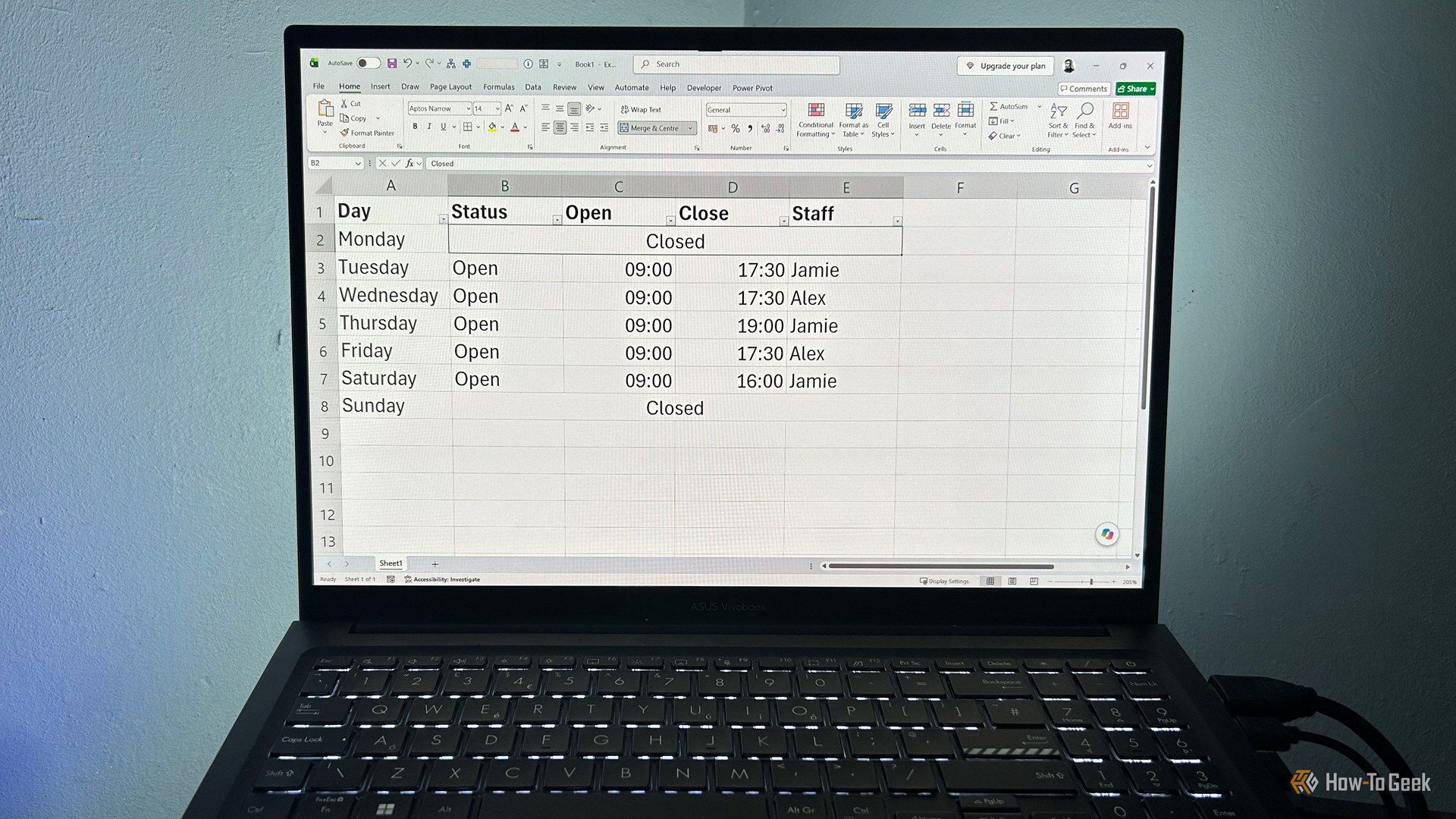
Ditch Merge & Center: The Better Way to Align Text in Excel
Learn to use Excel's "Center Across Selection" to align text across cells without merging, avoiding common data manipulation issues. This guide provides steps to utilize this newly accessible feature and add it to your Quick Access Toolbar.

AI's Confidence vs. Formal Methods' Rigor: Design Flaws & Verification
While AI accelerates code generation, formal methods remain critical for ensuring system correctness. Languages like TLA+ and tools like Quint enable developers to model and verify system designs before coding, catching subtle flaws. Quint makes formal methods more accessible with developer-friendly syntax and executability. This approach is vital for verifying AI-generated code through trace validation and model-based testing, ensuring reliability against real-world data.
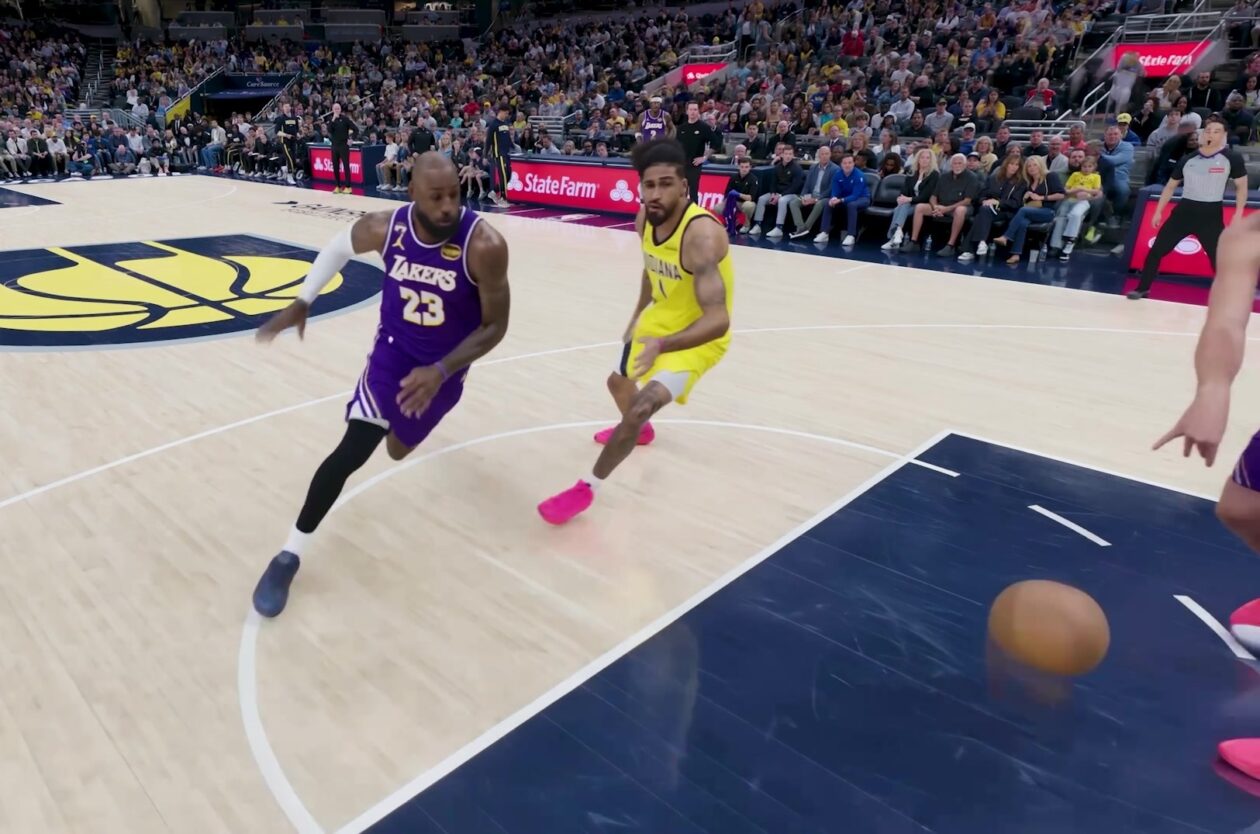
Amazon Prime Video Launches AI-Powered Prime 360 for NBA Coverage
Amazon Prime Video is elevating its NBA coverage with the introduction of Prime 360, an AI-powered replay system offering immersive, 'fly through' views of the action. Kicking off its second season, Prime Video also adds Yahoo fantasy integration and gains exclusive Eastern Conference Finals rights, expanding its tech-driven sports broadcast. The new features aim to deliver a unique and interactive viewing experience for basketball fans.
Galaxy Watch One UI 9 Beta: Promising Progress, But Patience Needed
Galaxy Watch 8, Watch Ultra, and Watch 7 are receiving a new One UI 9 Watch beta build with bug fixes and a security patch. Active development signals progress, but a stable release date remains elusive.
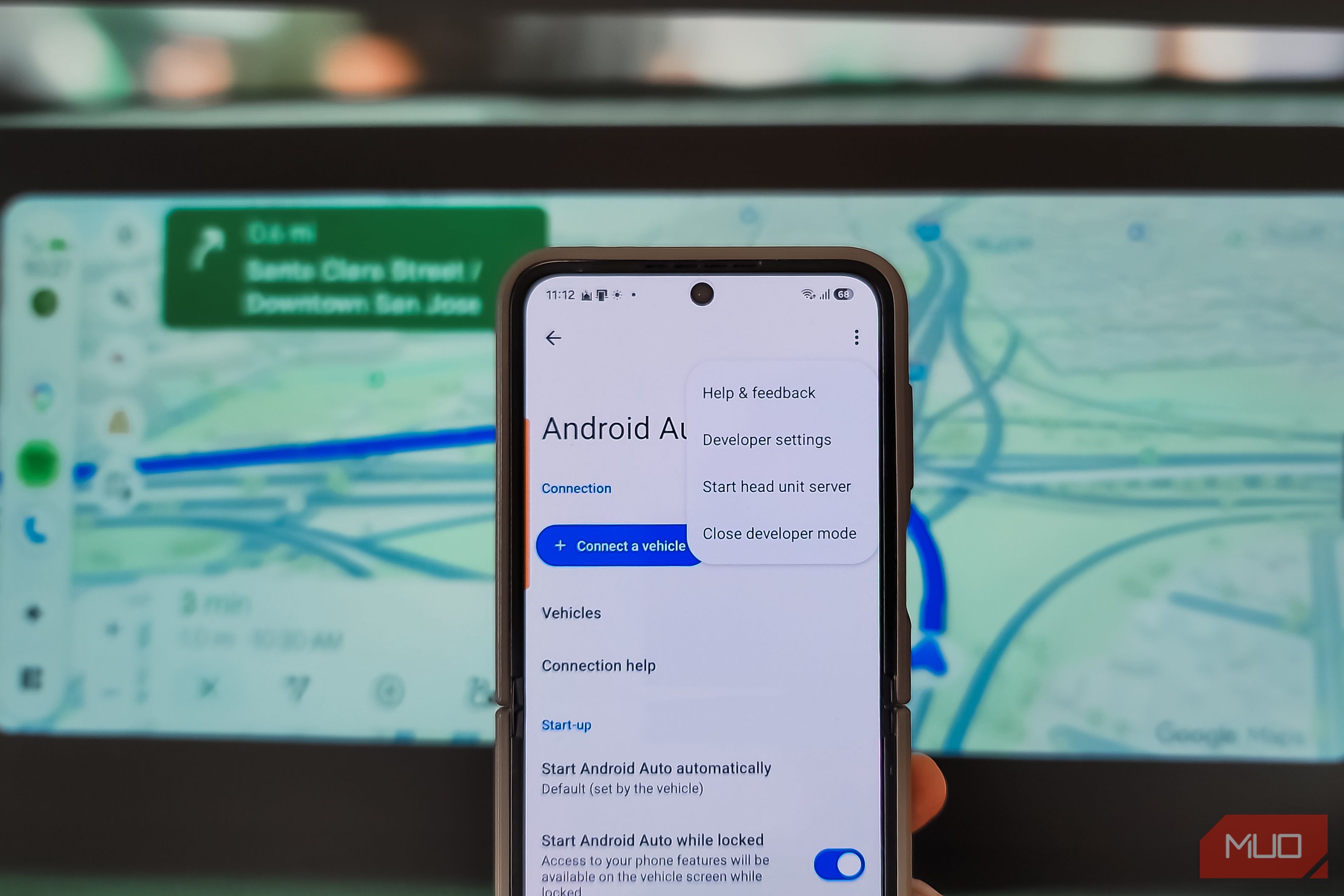
Stop Android Auto Battery Drain: Essential Features to Disable and
Android Auto offers unparalleled convenience, bringing your phone's most useful features directly to your car's display. From navigation and calls to messages and music, it keeps you connected without distracting you
Beyond the Bugs: Conquering Studio Headaches in Indie Dev
This guide, part three in a series on running an indie studio, tackles the crucial but often overlooked aspect of dealing with non-development related issues. It introduces creating a shared 'studio backlog' for collective problems and using the IDS (Identify, Discuss, Solve) framework to address them constructively. The core message is to build powerful habits that keep studios from getting quietly derailed by lingering challenges.