
How to Easily Manage All Your Android App Permissions
Learn to audit and update your Android app permissions, including special permissions, to enhance your device's privacy and security in a few simple steps.

Unlock Better Privacy: Manage Your Android App Permissions with Ease
Have you recently considered which applications on your Android device have access to sensitive features like your location, camera, or microphone? What about broader system-level controls? Regularly reviewing these app permissions is a crucial step for maintaining your digital privacy and security. It's like giving your phone a privacy check-up, ensuring that apps only access what they truly need to function.
This guide will walk you through the process of auditing and updating all types of app permissions on your Android device. We'll cover not only the commonly known privacy settings but also the often-overlooked 'special permissions' that give apps significant control over your system resources. By the end, you'll feel confident in your ability to control what your apps can and cannot do, safeguarding your personal data from potential misuse.
What You Will Accomplish
By following this guide, you will:
- Understand the different categories of app permissions on Android.
- Learn how to access and review your device's Privacy Dashboard.
- Discover where to find and manage 'special permissions,' a less common but vital area of control.
- Be able to disable unnecessary permissions for specific apps, enhancing your device's security.
Prerequisites
Before you begin, make sure you have:
- An Android smartphone or tablet.
- Basic familiarity with navigating your device's Settings menu.
Understanding Android's App Permission Landscape
Android offers robust controls over how apps interact with your device and data. Generally, app permissions fall into two main categories:
-
Standard Privacy Permissions: These are the permissions you're likely most familiar with. They control access to specific private data or hardware components. Your Android device includes a built-in privacy dashboard where you can control how applications interact with sensitive information such as your camera, microphone, location data, call logs, calendar, contacts, and personal files. For permissions like location, camera, and microphone, you often have granular control, allowing access all the time, only when using the app, or never. Some settings even allow you to force apps to ask for permission every time you try to use them.
-
Special Permissions: Beyond these standard privacy controls, Android also features what are called 'special permissions.' These grant apps more extensive capabilities that go beyond accessing private data, allowing them to interact with or modify system-wide resources. Examples include the ability to modify core system settings, displaying content on top of other applications (like pop-up notifications), collecting data about your device usage, or even accessing and altering any file or folder stored on your device. While many of these special permissions are essential for certain app functionalities—for instance, an app displaying notifications over others, or picture-in-picture mode for video apps like YouTube—they can also pose a risk if granted unnecessarily or to malicious applications. For example, screen overlays could be used to trick you into revealing login credentials.
Legitimate apps typically use these special permissions responsibly. However, it's wise to ensure that only apps that genuinely need these advanced system-level accesses have them, especially given the potential for misuse, such as collecting sensitive information from your device notifications or logging your usage patterns without your full awareness.
Step-by-Step Guide: Auditing Your App Permissions
Let's dive into managing both types of permissions to secure your device.
Part 1: Reviewing Standard Privacy Permissions (Privacy Dashboard)
This section helps you manage the more common permissions related to private data access.
- Open Settings: On your Android device, tap the 'Settings' icon, usually represented by a gear.
- Navigate to Privacy Settings: Scroll down and tap on 'Security & Privacy,' then select 'Privacy,' and finally 'Permission manager.'
- Explore Permission Types: In the Permission Manager, you'll see a list of permission types, such as 'Location,' 'Camera,' 'Microphone,' 'Contacts,' and 'Files and media.' Tap on any of these categories to see which apps have been granted that specific permission.
- Adjust App Access: For each app listed under a permission type, you can tap on it to change its access level. For sensitive permissions like 'Location,' 'Camera,' and 'Microphone,' you often have options like:
- Allow all the time: The app can access this permission whenever it wants.
- Allow only while using the app: Access is granted only when the app is actively in use.
- Ask every time: The app must request permission each time it needs to use that feature.
- Don't allow: The app is completely denied access.
Review each app and permission carefully, disabling access for any apps that don't genuinely require it for their core functionality.
Part 2: Auditing Special App Access (System-Level Permissions)
This is where you'll find those deeper, system-wide controls that are often overlooked.
- Open Settings: Start by tapping the 'Settings' icon on your Android device.
- Access App Settings: Scroll down and tap on 'Apps.'
- Locate Special App Access: Look for an option titled 'Special app access.' Depending on your Android version and device manufacturer, this might be immediately visible or hidden behind a three-dot menu icon in the top right corner of the 'Apps' screen. Tap on it.
- Explore Special Permission Types: You will now see a list of various special permission types, such as 'Display over other apps,' 'Modify system settings,' 'Usage access,' 'All files access,' and others. Each of these represents a powerful capability an app might have.
- Review and Disable Permissions: Tap on a specific permission type (e.g., 'Display over other apps') to see all the apps that currently have this access. Carefully review the list:
- Consider necessity: Does this app truly need this powerful permission to function as you intend? For example, an incoming call notification app might need 'Display over other apps,' but a simple game likely doesn't.
- Toggle off unnecessary access: If you find an app that has a special permission you believe it doesn't need, tap on the app's name and then toggle off the permission switch. You can always re-enable it later if you discover it was genuinely required for a feature you use.
It's particularly important to exercise caution with special permissions, especially for applications downloaded from outside the official Google Play Store. While Google vets apps in its store, even approved apps can sometimes request more permissions than necessary.
Tips and Best Practices
- Regular Audits: Make it a habit to audit your app permissions periodically, perhaps once every few months or whenever you install many new apps. New app installations or updates can sometimes alter permission requests.
- Contextual Granting: When an app requests a permission, try to understand why it needs it and grant it only when the request makes sense in the context of the feature you're trying to use.
- Question Everything: Don't automatically grant every permission an app asks for. If an app's request seems unrelated to its function, reconsider granting it.
- Understand the Impact: Familiarize yourself with what each permission type allows an app to do. This knowledge empowers you to make informed decisions.
- Source Caution: Be especially wary of permission requests from apps obtained from unofficial sources, as these pose a higher security risk.
What to Do If an App Stops Working
Occasionally, revoking a permission might impact an app's functionality. If an app you rely on stops working correctly after you've adjusted its permissions, revisit the relevant permission settings (either via the Permission Manager or Special App Access) and consider temporarily re-enabling the permission to see if it resolves the issue. If it does, you'll need to weigh the importance of that app's functionality against your privacy concerns. Sometimes, you might find an alternative app that functions just as well with fewer invasive permissions.
Conclusion
Taking control of your Android app permissions is a straightforward yet highly effective way to bolster your device's privacy and security. By regularly auditing both standard and special permissions, you ensure that your apps are only accessing what they truly need, minimizing potential risks and giving you greater peace of mind. Your digital privacy is in your hands – empower yourself by managing your app permissions wisely!
FAQ
Q: Why do apps need 'special permissions' if standard permissions cover most things?
A: Special permissions enable apps to perform more advanced, system-level functions, such as drawing content over other apps (like chat bubbles or caller ID pop-ups), modifying system settings (like adjusting screen brightness), or accessing all files on your device. These can be crucial for certain app features that go beyond simply accessing private data, but they also grant more extensive control, requiring careful management.
Q: Is it safe to grant 'Display over other apps' permission?
A: The 'Display over other apps' permission can be very useful for legitimate features like picture-in-picture video playback, incoming call screens, or persistent notifications. However, it can also be exploited by malicious apps to create screen overlays that trick you into revealing sensitive information. Always grant this permission cautiously, only to trusted apps that genuinely need it for a feature you use, and remain vigilant for suspicious overlays.
Q: How often should I audit my app permissions?
A: While there's no strict rule, a good practice is to audit your app permissions regularly. Consider doing a quick review every few months, or whenever you install a new app, notice unusual behavior, or after significant operating system updates. This proactive approach helps ensure your privacy settings remain current and aligned with your preferences.
Related articles
Android 17 QPR2 Beta 7.1: The Performance Relief You've Been Waiting
Android 17 QPR2 Beta 7.1: Finally Fixing the QPR1 Performance Woes Verdict: Android 17 QPR2 Beta 7.1 is a crucial and highly anticipated software update for Google Pixel users, specifically targeting and resolving the
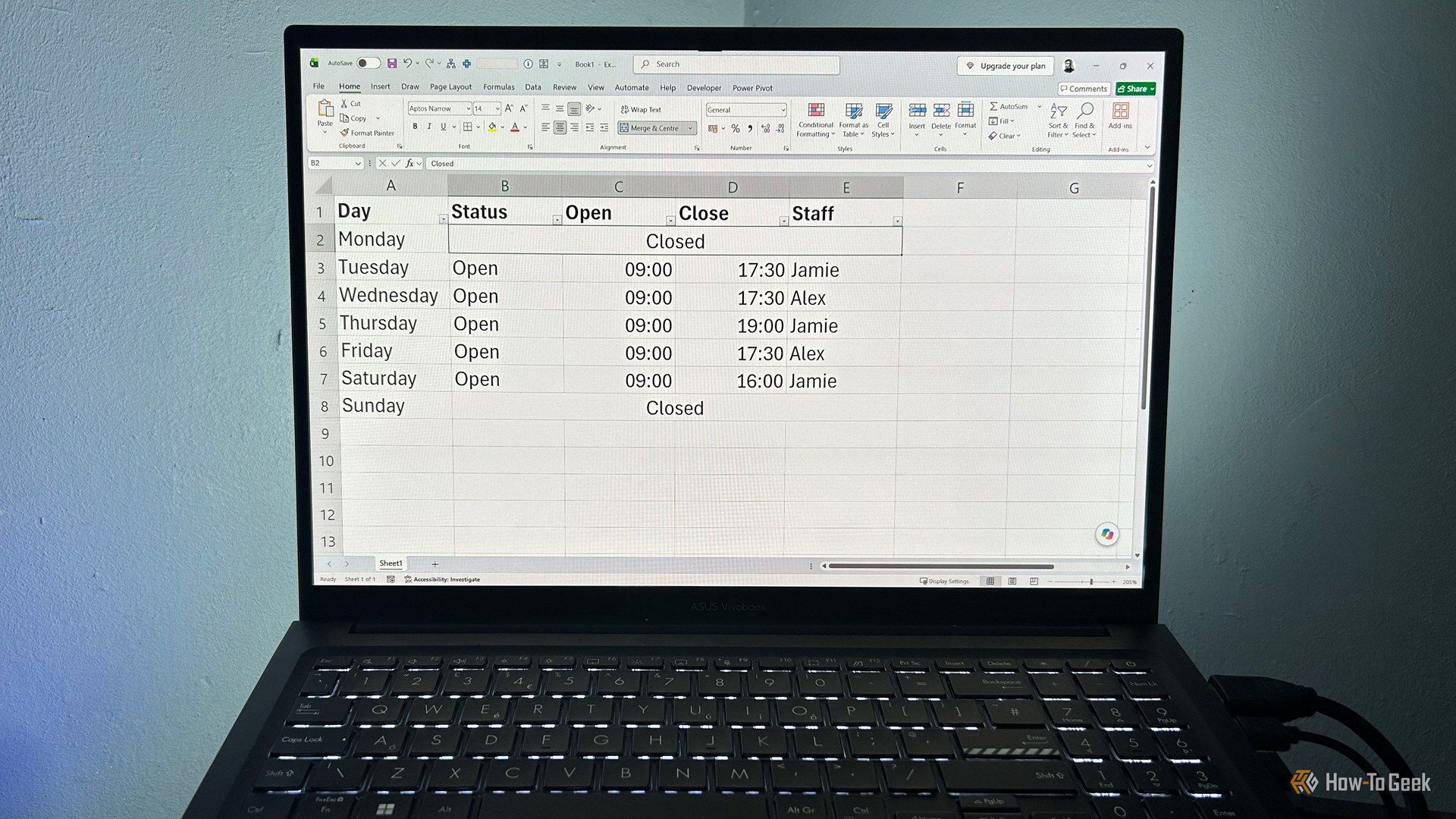
Ditch Merge & Center: The Better Way to Align Text in Excel
Learn to use Excel's "Center Across Selection" to align text across cells without merging, avoiding common data manipulation issues. This guide provides steps to utilize this newly accessible feature and add it to your Quick Access Toolbar.

Mark Wahlberg on using AI in film ‘the right way’ and being open to
Actor Mark Wahlberg believes AI has a place in filmmaking if used responsibly for enhancement, not script generation or actor replacement. At TechCrunch Disrupt, he expressed openness to an AI likeness carrying on his legacy, managed by his family, and emphasized storytelling.

Ars Technica's Rocket Report: Your Essential Space Industry Briefing
Quick Verdict Ars Technica's Rocket Report, presented by veteran space reporter Stephen Clark, offers an invaluable and meticulously organized weekly (or similar frequency, implied by "Edition 9.15") digest of the most
Stop Android Auto Battery Drain: Essential Features to Disable and
Android Auto offers unparalleled convenience, bringing your phone's most useful features directly to your car's display. From navigation and calls to messages and music, it keeps you connected without distracting you
Turn Your Android Phone into a Powerful Desktop Replacement
Learn how to transform your Android phone into a full-fledged desktop computer using external displays and accessories, providing a cost-effective and integrated alternative to new Googlebooks.