
How HBO Rescued House of the Dragon from Creative Crisis
After the monumental success of Game of Thrones, HBO faced the challenge of maintaining its fantasy legacy. House of the Dragon (HotD), the eagerly anticipated prequel, initially soared, but quickly found itself in
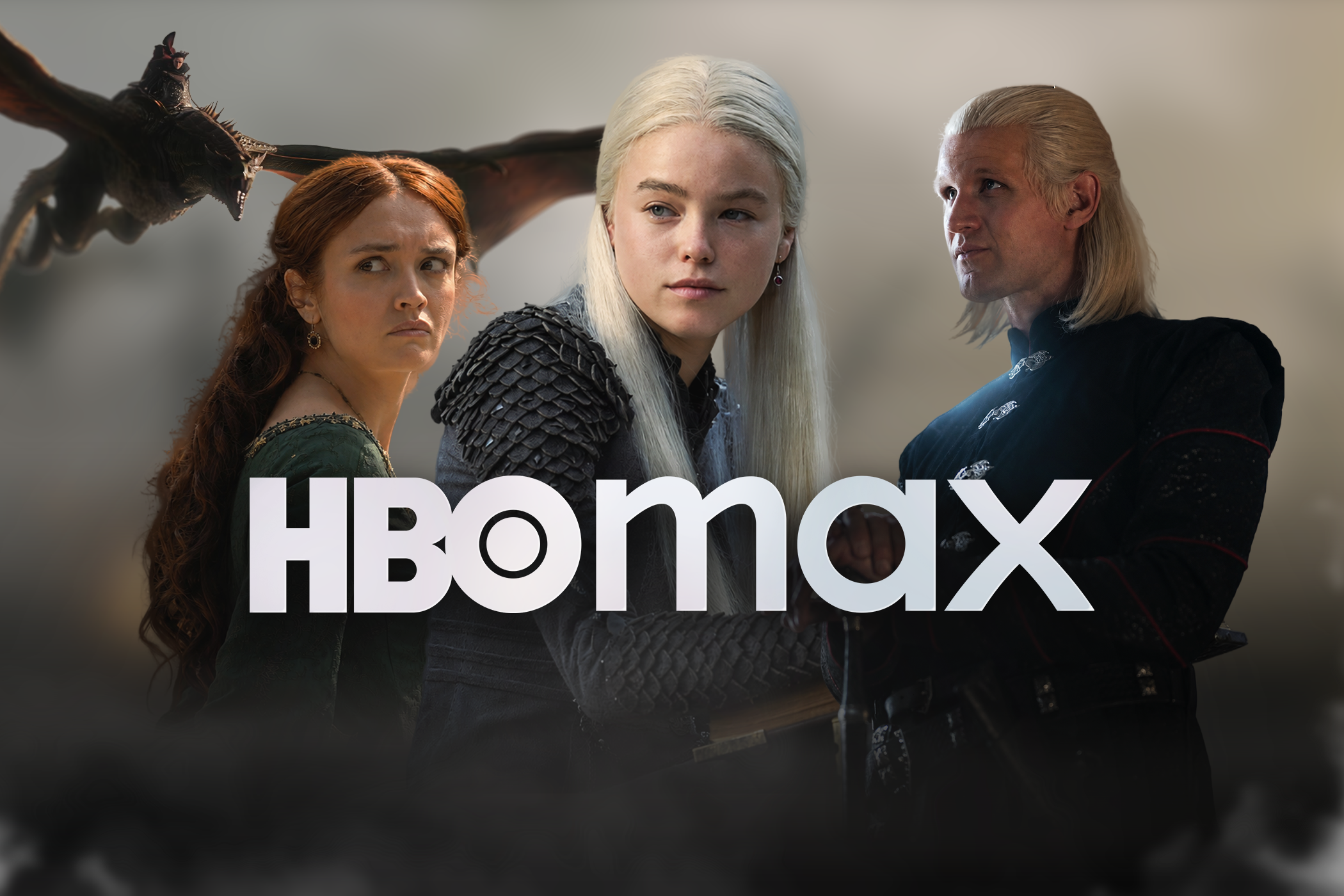
After the monumental success of Game of Thrones, HBO faced the challenge of maintaining its fantasy legacy. House of the Dragon (HotD), the eagerly anticipated prequel, initially soared, but quickly found itself in turbulent creative waters. This guide explores the critical missteps that plagued the show's second season and details the strategic shifts that ultimately saved it, restoring fan confidence and critical praise.
Setting the Stage: Understanding House of the Dragon's Context
To fully appreciate HBO's course correction, it helps to be familiar with the initial premise and the challenges faced:
- Understanding House of the Dragon: Based on George R.R. Martin’s Fire & Blood, the series chronicles the brutal civil war fought between rival factions of the Targaryen dynasty. This conflict, known as the Dance of the Dragons, pits Queen Rhaenyra I Targaryen against her younger half-brother King Aegon II Targaryen for control of the Seven Kingdoms.
- Familiarity with Game of Thrones Context: While not strictly necessary, an understanding of the high stakes and narrative complexities of its predecessor enriches the appreciation of House of the Dragon's own struggles and triumphs.
Step-by-Step: How HBO Saved Its Top Fantasy Show
Here’s a breakdown of the challenges House of the Dragon encountered and the decisive actions that helped steer it back to success.
1. Recognize Initial Success and Emerging Cracks (Season 1)
The first season of House of the Dragon, which aired in 2022, was a resounding triumph, earning widespread acclaim from both fans and critics. It successfully established the new world and characters, proving Game of Thrones's legacy could continue. However, behind the scenes, problems were brewing, particularly concerning the planned structure of the subsequent seasons.
2. Confront the "Scandals" of Season 2
Season 2 saw the show enter a period of significant difficulty, marked by several critical missteps:
- Episode Reduction Led to Pacing Issues: For reasons never fully explained, HBO reduced Season 2's episode count from 10 to 8. This decision had major repercussions, causing severe pacing problems. The season, originally planned to end with a grand action climax, instead concluded with a series of frustrating cliffhangers, leaving fans annoyed after a lengthy wait between seasons.
- Egregious Departures from Source Material: The show began to deviate significantly from George R.R. Martin's Fire & Blood in ways that struck many as illogical. For example, the character of Alicent Hightower, depicted in the book as actively working against Rhaenyra, was shown making a secret alliance with her and even offering her children for execution on screen. Such changes baffled book readers and undermined established character motivations.
- Authorial Disapproval: George R.R. Martin himself publicly voiced his criticism of these creative choices, going so far as to describe his relationship with showrunner Ryan Condal as "abysmal." This public condemnation from the source material's creator severely damaged the show's reputation and eroded trust among the fanbase.
- Falling Ratings and Fan Division: The combination of pacing problems, inexplicable plot changes, and the author's public discontent led to a noticeable decline in viewership and a split among fans, putting the show's future in a precarious position.
3. Implement a Course Correction: The Season 3 Strategy
The recently concluded third season proved to be a turning point, successfully restoring faith in House of the Dragon through strategic creative adjustments:
- Injecting Urgency with Action-Heavy Episodes: Season 3 kicked off with a pair of intense, action-packed episodes. These were reportedly sequences originally slated to conclude Season 2, and their inclusion early in the third season immediately re-energized the fanbase, addressing the previous season's lackluster ending and injecting much-needed momentum.
- Embracing Character Culpability: Perhaps the most significant improvement was the writers' renewed commitment to allowing characters to be responsible for their own actions. In earlier seasons, there was a tendency to absolve characters of blame (e.g., Aemond's dragon acting independently, Alicent's choices based on a misunderstanding). Season 3 largely reversed this trend.
- Allowing Characters to Get "Dark": The writers took bold risks with their characters that ultimately paid off. By the end of Season 3, Rhaenyra becomes deeply convinced of her divine right to rule, leading her to commit atrocious acts. Crucially, the show refrained from creating excuses for her behavior, allowing her to embrace a darker, more complex persona. This commitment to showing the unfiltered consequences of characters' motivations made Rhaenyra, and the narrative as a whole, far more compelling.
4. Reaping the Rewards and Looking Ahead
Season 3's improvements, particularly its strong finale, "The Treasons at Tumbleton," had a tangible positive impact:
- Restored Fan and Critical Faith: The bold character choices and satisfying narrative arcs successfully re-engaged the audience and garnered renewed critical respect for the series.
- Positive Anticipation for the Finale: Although fans still face a two-year wait for the fourth and final season, the high note on which Season 3 concluded means that anticipation is now rooted in excitement and eagerness rather than previous disappointment and apprehension.
Tips for Successful Narrative Adaptation
Drawing from House of the Dragon's journey, here are some best practices for adapting complex source material:
- Prioritize Character Agency: Ensure that your characters' actions drive the plot and have believable consequences. Avoid narrative devices that consistently absolve characters of responsibility, as this can make them less compelling.
- Respect the Core of the Source Material: While adaptations require changes, ensure major deviations serve a clear narrative purpose and do not undermine the essence or established logic of the original work.
- Maintain Consistent Pacing: Structure your narrative to build effectively towards climaxes, ensuring each season feels complete and satisfying, especially when long waits between installments are expected.
- Foster Positive Author-Showrunner Relationships: Open communication and mutual respect between the source material's creator and the showrunner can be crucial for maintaining creative integrity and public confidence.
Next Steps and Related Topics
With House of the Dragon's fourth season set to be its last, the question remains whether the show will maintain its upward trajectory. Fans will be eagerly awaiting its conclusion to see if the creative team builds on the successes of Season 3.
In the meantime, Game of Thrones enthusiasts have another option: A Knight of the Seven Kingdoms, a second prequel show from HBO, premiered earlier this year and has been met with even greater critical acclaim than House of the Dragon's strongest seasons.
FAQ
Q: What specifically caused the major issues in House of the Dragon Season 2? A: The primary problems stemmed from HBO's decision to reduce the season from 10 to 8 episodes, leading to significant pacing issues and an unsatisfying cliffhanger ending. Additionally, the show made notable deviations from George R.R. Martin's source material, particularly in character motivations like Alicent Hightower's, which drew public criticism from the author himself and alienated a portion of the fanbase.
Q: How did Season 3 turn the show around creatively? A: Season 3 revitalized the series by starting with action-heavy episodes that had been cut from Season 2, immediately addressing previous pacing complaints. More importantly, the writers embraced character culpability, allowing protagonists like Rhaenyra to make dark, consequential choices without narrative excuses. This commitment to realistic character agency and consequence made the story more compelling and restored depth to the narrative.
Q: What is the future of House of the Dragon? A: House of the Dragon will conclude with its fourth season. While fans face a two-year wait for new episodes, the positive reception of Season 3 has built considerable excitement for its final run. In the interim, HBO has also released A Knight of the Seven Kingdoms, another Game of Thrones prequel, which has been very well-received by audiences.
Related articles
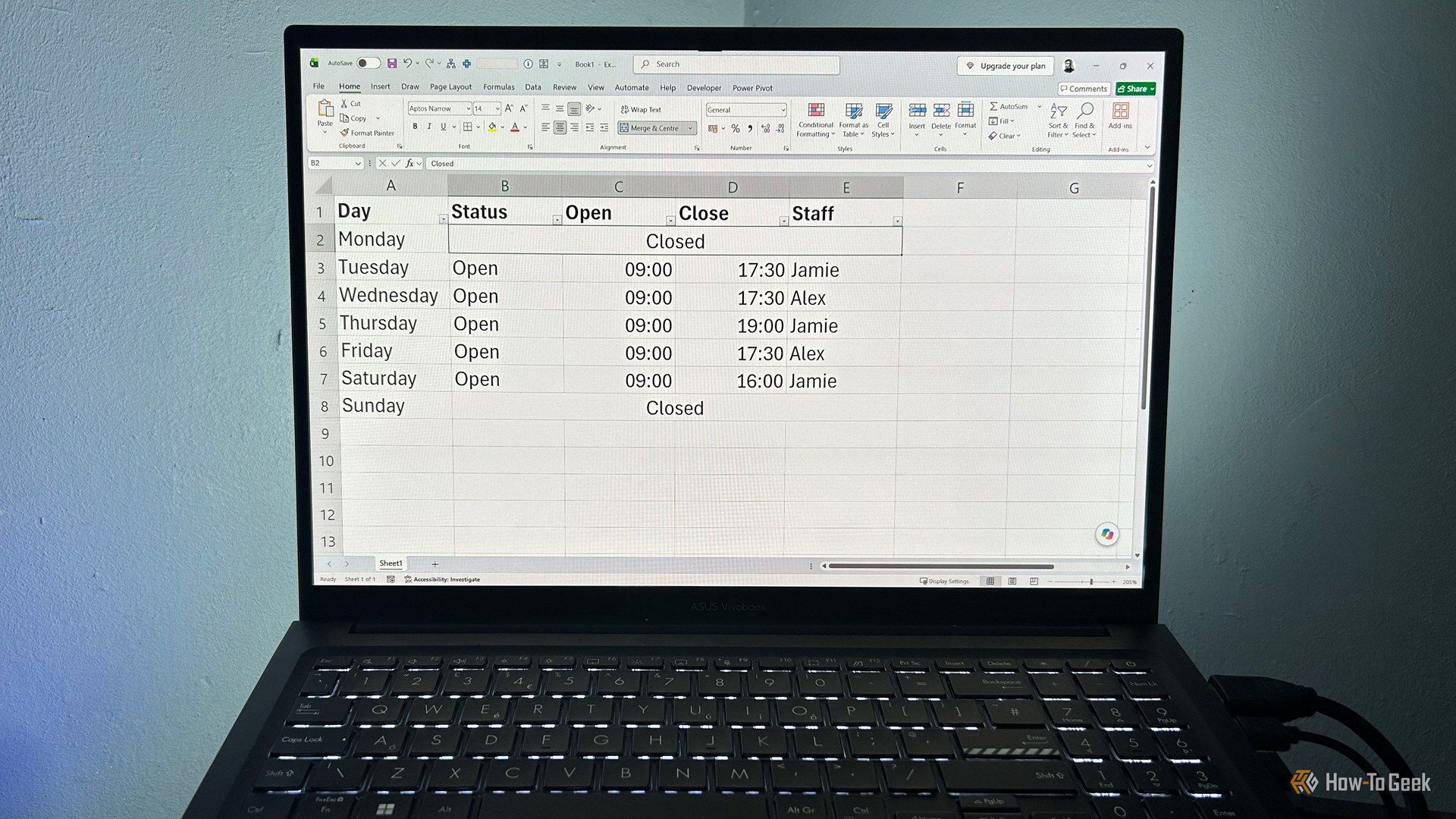
Ditch Merge & Center: The Better Way to Align Text in Excel
Learn to use Excel's "Center Across Selection" to align text across cells without merging, avoiding common data manipulation issues. This guide provides steps to utilize this newly accessible feature and add it to your Quick Access Toolbar.

Stop Android Auto Battery Drain: Essential Features to Disable and
Android Auto offers unparalleled convenience, bringing your phone's most useful features directly to your car's display. From navigation and calls to messages and music, it keeps you connected without distracting you

Netflix is laying off around 1,000 employees: Layoffs — Key Details
Netflix is laying off approximately 1,000 employees, or six percent of its global workforce, in its largest-ever job cut. This move targets product, tech, HR, and legal teams to reduce costs and re-prioritize investments despite recent financial growth.

Turn Your Android Phone into a Powerful Desktop Replacement
Learn how to transform your Android phone into a full-fledged desktop computer using external displays and accessories, providing a cost-effective and integrated alternative to new Googlebooks.
VisionQuest Cameo Insight: A Pragmatic Look at MCU TV Realities
VisionQuest Cameo Insight: A Pragmatic Look at MCU TV Realities Verdict: The news surrounding VisionQuest's initial creative discussions offers valuable, albeit potentially disappointing, insight into the realities of

howto: Four Ways the Fitbit Edge Is Better Than the Charge 6, and Two
Learn the key differences between the Fitbit Edge and Charge 6, including four advantages of the Edge and two areas where it falls short, to help you choose the best fitness tracker for your needs.