
Google TV's Gemini Upgrade: Smart or Just More Screen Time
Quick Verdict Google TV's latest infusion of Gemini AI brings a trio of features designed to make your smart television a more active and informative hub. While the "richer visual help" is an intuitive and genuinely
Quick Verdict
Google TV's latest infusion of Gemini AI brings a trio of features designed to make your smart television a more active and informative hub. While the "richer visual help" is an intuitive and genuinely useful enhancement, the "visual deep dives" and "sports briefs" represent a more ambitious, if perhaps less universally appealing, push towards making your TV a learning and data-delivery device. For those who frequently interact with their TV using voice commands, these additions offer clear benefits. However, for users accustomed to reaching for their phone for quick facts, the value proposition might require a shift in habits. It's an interesting evolution, but not necessarily a game-changer for everyone.
Introduction: Google TV Gets Smarter with Gemini
Google has been steadily integrating its Gemini AI capabilities across its ecosystem, and Google TV is the latest platform to receive a significant AI boost. Following an initial preview at CES in January, Google has now officially rolled out three new Gemini-powered features. The aim is clear: to transform the passive act of television viewing into a more interactive and informative experience. These features, which include enhanced visual search results, educational deep dives, and tailored sports updates, represent Google's vision for a smarter living room. But do they truly enhance the user experience, or are they simply adding more complexity to a device primarily used for entertainment?
Diving into the New Features
Richer Visual Help
The first and arguably most immediately practical feature is "richer visual help." When you pose a question to Google TV, Gemini will now go beyond simple text-based answers. For instance, if you inquire about current sports scores, you'll receive a live-updating scorecard displayed visually, complete with information on where you can stream the game. Similarly, asking for a recipe might bring up not just the instructions, but also a corresponding video tutorial. This enhancement streamlines the information-gathering process, making it more intuitive and reducing the need to jump to other devices for visual context.
Visual Deep Dives
Next up are the "visual deep dives," a feature with a more educational bent. Google describes this as a way to turn "passive viewing into meaningful screen time." If a particular economic trend, scientific phenomenon, or technological innovation piques your interest, Gemini can construct a custom, interactive walkthrough on the subject. The platform is designed to allow follow-up questions, creating a more dynamic learning experience directly on your TV screen. Users can initiate a deep dive by selecting "Dive deeper" after a relevant query or by navigating to the Gemini tab and choosing the "Learn" option.
Gemini-Powered Sports Briefs
Rounding out the trio are the Gemini-powered sports briefs. Building on the news briefs introduced last year, these provide timely, narrated overviews of the latest happenings in various sports leagues. Initially, the feature supports major leagues such as the NBA, NCAA basketball, NHL, MLS, and NWSL. Positioned as an alternative to constantly checking your phone for updates, these briefs offer a hands-free way to stay informed, accessible through the Gemini tab.
User Experience and Practicality
From a user experience perspective, the richer visual help stands out as the most natural extension of how people already interact with smart TVs. Getting visual context for a recipe or seeing live sports scores without fumbling for a phone feels like a genuinely beneficial upgrade. The seamless integration of a live scorecard and viewing options is particularly compelling for sports enthusiasts.
Visual deep dives, while conceptually interesting, might require a greater behavioral shift. The idea of using a TV for interactive learning is novel, and its success will depend on how engaging and comprehensive these walkthroughs truly are. While Google pitches it as converting passive viewing into meaningful screen time, some users might find themselves gravitating back to a laptop or tablet for more in-depth research, where typing and multi-window multitasking are more efficient.
The sports briefs offer a convenient, glanceable way to catch up on scores and news. For casual fans, a narrated summary is perfect. However, hardcore fans who delve into statistics and play-by-plays might still prefer the granular detail offered by dedicated sports apps on their phones. The effectiveness of this feature hinges on the quality of the narration and the depth of the information provided within the brief format.
Pros and Cons
Pros:
- Enhanced Information Retrieval: Richer visual help provides context and actionable information (like where to watch a game or a recipe video) directly on your TV, reducing friction.
- Educational Potential: Visual deep dives offer a novel way to learn about complex topics, aiming to make screen time more productive.
- Convenience for Sports Fans: Sports briefs provide quick, narrated updates, potentially minimizing the need to constantly check a phone.
- Seamless Integration: All features leverage Google's existing Gemini AI, aiming for a unified and intelligent living room experience.
Cons:
- Limited Initial Availability: Deep dives and sports briefs are initially restricted to Gemini-enabled devices in the US, with wider rollout and international expansion (Australia, New Zealand, UK) coming later in 2026. Richer visual help has a slightly broader initial reach (US and Canada).
- Behavioral Shift Required: Users may need to adapt to using their TV for learning or detailed sports updates, rather than their established habits with phones or tablets.
- Potential for Redundancy: For many, a smartphone remains the go-to device for quick information retrieval, making the TV-based alternatives potentially less impactful for those not already deeply integrated into the Google Assistant/Gemini ecosystem.
- "Meaningful Screen Time" Messaging: While well-intentioned, the suggestion that the TV needs to be used for "meaningful screen time" might come across as slightly preachy to users who simply want to relax and consume entertainment.
Buying Recommendation
For existing Google TV users with Gemini-enabled devices in supported regions, these features are a welcome, free upgrade. The richer visual help is particularly compelling and should immediately improve the utility of voice commands. The deep dives and sports briefs are more niche; if you're someone who enjoys using voice commands for general knowledge or prefers auditory sports updates, you'll find value. If you primarily use your TV for streaming and rely on other devices for information, these features might not fundamentally change your interaction but are worth experimenting with. For those considering a new smart TV streamer, these additions make Google TV a more robust, AI-forward option, especially if you're already invested in Google's ecosystem and value voice interaction.
FAQ
Q: Which new Gemini features are available on Google TV and where? A: There are three new features: "Richer visual help," "Visual deep dives," and "Gemini-powered sports briefs." Richer visual help is rolling out immediately in the US and Canada. Deep dives and sports briefs are initially limited to Gemini-enabled devices in the US, with wider device support expected later in the spring. All features are slated to come to more countries in 2026, starting with Australia, New Zealand, and the UK in the coming months.
Q: Do I need a special device to use these new features? A: Yes, for "Visual deep dives" and "Gemini-powered sports briefs," you'll need a "Gemini-enabled device" on Google TV, at least initially. Google has indicated that wider device support will follow later in the spring. The article does not specify which Google TV devices are considered "Gemini-enabled."
Q: Are these features truly necessary, or can I just use my phone? A: While your phone can certainly provide similar information, these features aim to integrate that information directly into your TV viewing experience, offering convenience without switching devices. "Richer visual help" feels particularly useful for instant, context-rich answers. The value of "deep dives" and "sports briefs" will depend on your personal habits and preferences for how you consume information and interact with your TV.
Related articles

Apple Unveils iPhone Duo: Pricey Foldable Sees Soaring Demand
Apple has officially entered the foldable smartphone arena with the long-anticipated launch of the iPhone Duo. Priced starting at a hefty $1,999, the device features a 5.4-inch outer display and a larger 7.6-inch inner
Android 17 QPR2 Beta 7.1: The Performance Relief You've Been Waiting
Android 17 QPR2 Beta 7.1: Finally Fixing the QPR1 Performance Woes Verdict: Android 17 QPR2 Beta 7.1 is a crucial and highly anticipated software update for Google Pixel users, specifically targeting and resolving the

DJI Solo Video Setups: Smart Choices for Lone Creators
This review delves into DJI's recommended solo video setups, highlighting the Osmo Pocket 3 Creator Combo as a top pick for its integrated camera, gimbal, and mic. It also covers stabilizers like the Osmo Mobile 8 and RS 4, and the DJI Mic Mini series for enhanced audio, providing honest pros, cons, and clear buying advice.

TCG Pocket Responds: A Much-Needed Pace Shift for Pokémon Fans
Pokémon TCG Pocket is rolling out a major update for its second anniversary, primarily addressing player concerns about overwhelming content releases by shifting to a six-week set schedule. This aims to curb player decline and improve overall engagement by giving trainers more time to collect and strategize. The update also adds new collection methods, improved deck-building features, and enhanced trading functionality.

Ars Technica's Rocket Report: Your Essential Space Industry Briefing
Quick Verdict Ars Technica's Rocket Report, presented by veteran space reporter Stephen Clark, offers an invaluable and meticulously organized weekly (or similar frequency, implied by "Edition 9.15") digest of the most
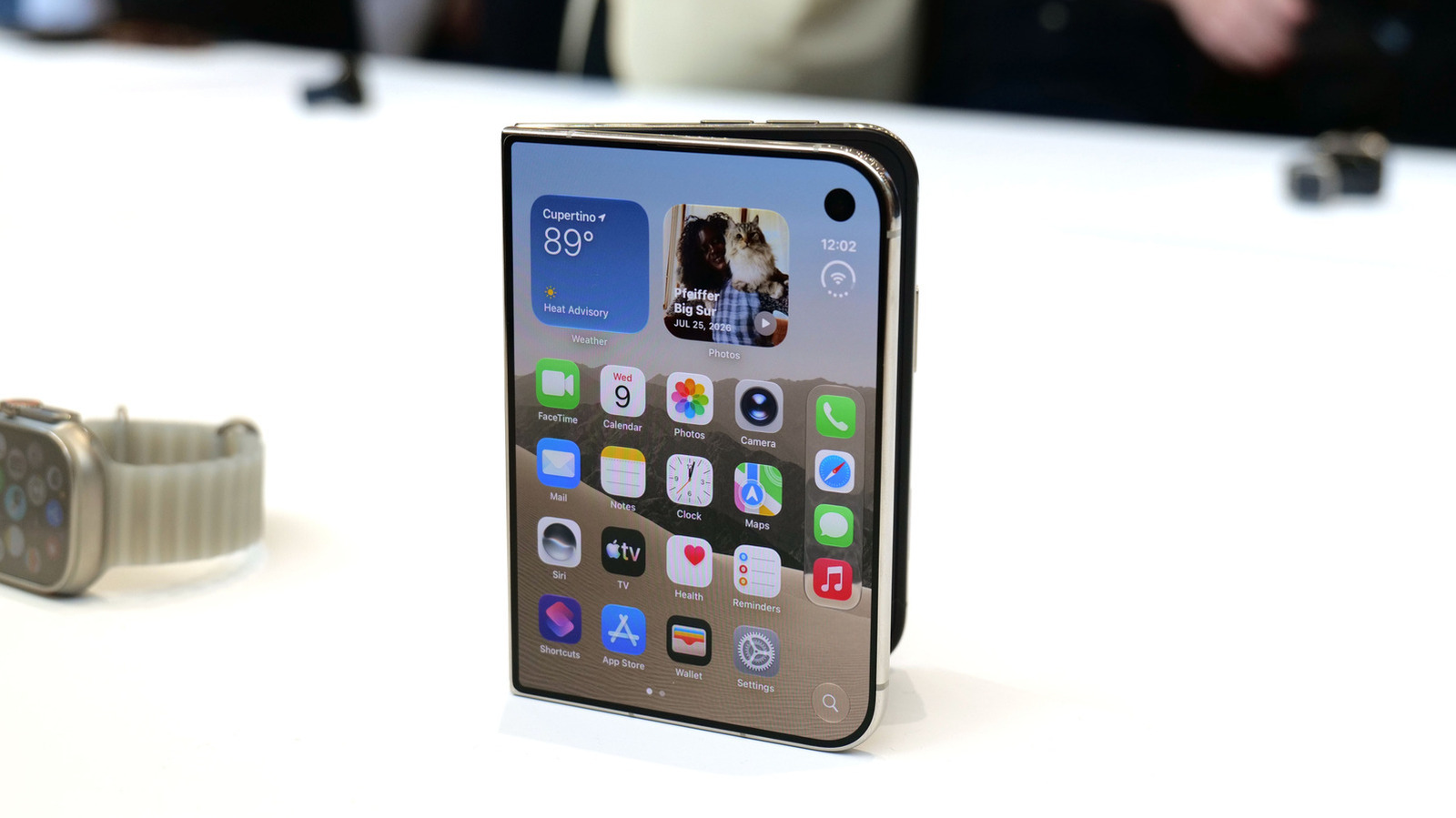
Apple iPhone Duo: A Daring Debut with Notable Compromises
Apple's highly anticipated iPhone Duo, priced at $2,000, has gone on pre-order. While hailed as "Apple's most exciting device in a decade" for its innovative foldable design and immersive display, it comes with significant drawbacks like the absence of FaceID and a premium camera.