
Google's Android XR: A Glimpse into a Potentially Dominant AI Future
Quick Verdict Google's latest demonstrations of its Android XR reference glasses and the Xreal-designed Project Aura are nothing short of impressive, showcasing a future where artificial intelligence seamlessly

Quick Verdict
Google's latest demonstrations of its Android XR reference glasses and the Xreal-designed Project Aura are nothing short of impressive, showcasing a future where artificial intelligence seamlessly integrates into our daily lives through highly capable, hands-free wearables. While exact pricing and final specifications remain under wraps, Google's deep integration of its powerful Gemini AI and the vast Android ecosystem positions these glasses as a formidable challenger to upcoming XR offerings from Meta and Apple. The potential for intuitive, cross-device intelligence is clear, but early adopters should temper their excitement with the understanding that these are still early-stage products, with some applications more compelling than others.
Google's Ambitious Entry into XR
Google made a significant statement at its recent I/O keynote, dedicating valuable time to Android XR and its vision for "Intelligent Eyewear." With major hardware partners like Samsung and Qualcomm already on board, and the immense power of the Android software ecosystem, Google appears poised to redefine the smart glasses landscape. The company plans to introduce three distinct wearable offerings by the end of the year: a pair of audio-focused smart glasses developed with Warby Parker and Gentle Monster, the visually immersive Project Aura in collaboration with Xreal, and a proprietary reference model featuring a single-view display. While the cost is anticipated to be on the higher side, and features may evolve, the consistent thread across all these devices is their robust integration with Google's advanced Gemini AI. Having experienced the latest iterations firsthand, it’s clear that Google believes in this AI-first wearable future, and after my latest tests, I'm inclined to agree.
The Android XR Reference Glasses: A Glimpse into the Future
My journey with Google's Android XR reference glasses began a year ago, primarily noting their comfortable, lightweight design during a brief initial demo. Subsequent testing in December revealed promising camera-based functionalities. However, my most recent encounter at Google I/O truly allowed for an unrestricted exploration of their AI capabilities. This session was less about structured tasks and more about pushing the boundaries of Gemini’s multimodal intelligence.
Multimodal Gemini: Beyond Basic Commands
With free rein to test the system, I engaged Gemini with complex, multi-layered requests. For instance, I asked it to "Pull up every FIFA World Cup game that the US is scheduled for, with the exception of when they play against Paraguay, and add them to my calendar." In moments, the glasses processed the request and populated my demo phone's Calendar app. Even more creatively, I prompted, "Take a picture, turn every person in the frame into a Despicable Me minion, and change the color to grayscale." The resulting images, saved to the paired phone's gallery, were a testament to the AI's imaginative processing power, showing just how "scary good" these capabilities are.
Seamless Ecosystem Integration
Beyond whimsical image transformations, the practical utility shone through in everyday scenarios. When presented with a cookbook, I simply asked Gemini to "jot down all the ingredients I need for a dish I saw in a cookbook in front of me, and note that I'd like to prepare it next Tuesday." Instantly, all the specified information appeared as an entry in Google Keep. This level of cross-device and cross-app compatibility, allowing for rapid information intake and task completion, highlights Google's winning strategy: positioning smart glasses as a natural, intelligent extension of our existing digital lives, rather than a separate, siloed experience.
Project Aura: Portable AR with a Twist
Alongside the reference glasses, I revisited Project Aura, Google's collaboration with Xreal. While I first tried these in December, the latest demo truly showcased their potential. Described as a more portable iteration of the Samsung Galaxy XR headset, Project Aura offers an augmented reality experience where digital elements seamlessly blend with the physical world.
Interactive Display and Gestures
The glasses feature a 70-degree field-of-view display, allowing users to interact with virtual apps and windows that appear anchored in their real-world environment. Intuitive pinch and pull gestures facilitate navigation and manipulation of various UI elements. A standout feature was the ability to stream content from a Steam Deck, enhanced by Gemini Live providing real-time in-game guidance, demonstrating a compelling use case for gamers and interactive media enthusiasts.
Early Developer Insights
Google also provided a look into applications developed rapidly, or "vibecoded," using Gemini Canvas and Antigravity. One intriguing app transformed objects near me into a talking molecule upon a pinch gesture, offering educational insights – a concept with clear benefits for students or anyone with a curious mind. Another, a 3D Paint app, allowed for drawing floating lines in space. While the novelty of 3D Paint quickly diminished for me, the mere fact that developers could conceive and create such interactive experiences within a week's time bodes well for the future breadth and depth of the Android XR app ecosystem upon its official launch.
The Power of Gemini: AI at Your Fingertips (and Eyes)
After these demos, the true place for AI in our daily lives became strikingly clear: ambient accessibility. While having Gemini readily available on phones, laptops, and smartwatches is convenient, its integration into smart glasses offers an unparalleled level of hands-free interaction. Imagine navigating a busy commute with public transport information projected subtly, or receiving real-time assistance while driving in challenging conditions, or even just effortlessly controlling home entertainment when the remote is out of reach. This highly connected, always-available assistant embedded within eyewear represents perhaps the most practical and plausible future for AI technology. Google's commitment to this vision is palpable, and the potential for transforming everyday interactions is immense.
What Google Gets Right (Pros)
- Deep AI Integration: Gemini's multimodal capabilities are impressive, handling complex queries and creative tasks with remarkable speed and accuracy.
- Seamless Ecosystem: The integration with Google's existing app suite (Calendar, Keep, etc.) creates a highly productive and familiar user experience.
- Hands-Free Accessibility: The ambient nature of AI in glasses allows for intuitive, constant assistance without needing to pull out a phone.
- Lightweight Design: The reference glasses offer a comfortable form factor, crucial for extended wear.
- Strong Partnerships: Collaborations with Xreal, Samsung, Qualcomm, Warby Parker, and Gentle Monster promise diverse hardware options and robust underlying tech.
- Developer Potential: Tools like Gemini Canvas and Antigravity enable rapid app development, fostering a rich and innovative ecosystem.
Where Google Still Needs to Prove Itself (Cons)
- Unknown Pricing: The "above comfort" price point could be a significant barrier for mainstream adoption.
- Early Stage Software: While promising, some demo applications (like 3D Paint) felt rudimentary, suggesting the need for more compelling and refined experiences.
- Product Maturity: Both the reference model and Project Aura are still in development, meaning final capabilities and user experience could change.
- Limited Availability Details: While expected by year-end, concrete launch dates and broader market availability are not yet specified.
Google's Strategy Against Meta and Apple
Google's approach to XR is a direct challenge to its major tech rivals. Unlike potentially more closed ecosystems, Google is leveraging the vastness of Android and the omnipresence of its services, powered by Gemini, to create an open and integrated wearable experience. The ability to seamlessly connect with existing Android devices and applications, coupled with a robust AI assistant that understands context and complex commands, gives Google a significant advantage. The aim is not just to offer a new gadget, but to extend the utility of the smartphone into a truly ambient, intelligent eyewear form factor. This focus on an integrated, AI-centric ecosystem is precisely what Google hopes will put pressure on Meta's metaverse ambitions and Apple's rumored XR devices, which might follow a more proprietary path. Project Aura itself, being a more portable option than the Samsung Galaxy XR headset, shows Google's intent to offer variety and address different user needs within this emerging space.
Should You Be Excited? (Buying Recommendation)
Yes, absolutely, but with caution. The potential of Google's Android XR glasses, especially with Gemini AI at their core, is undeniably exciting and points towards a highly capable, hands-free future. For tech enthusiasts and early adopters who are keen to experience the cutting edge of AI-powered wearables, these glasses offer a compelling vision. However, for the average consumer, the smart move is to wait. With prices expected to be high and the products still evolving towards their official launch later this year, it's prudent to hold off until final specifications, the complete range of compelling applications, and precise pricing are revealed. The foundation is strong, but the finished house remains to be seen.
FAQ
Q: What are Google's Android XR glasses?
A: Google's Android XR glasses are a new line of smart wearables integrating advanced augmented reality (AR) capabilities and Google's powerful Gemini AI. They come in various forms, including a reference model with a display and Project Aura, an Xreal-designed AR glasses, alongside audio-only versions.
Q: When will these glasses be available?
A: Google plans to launch its Android XR smart glasses, including the Project Aura and reference models, by the end of this year. Specific release dates and regional availability are yet to be announced.
Q: Are Google's Android XR glasses a good alternative to existing VR/AR headsets like Apple's or Meta's?
A: While the article does not provide a direct product-to-product comparison with unreleased Apple or Meta headsets, it highlights Google's strength in its open Android ecosystem and deep Gemini AI integration. Project Aura is noted as a more portable alternative to the Samsung Galaxy XR headset. Google's strategy focuses on ambient, hands-free AI and seamless cross-app functionality, which could offer a distinct user experience compared to competitors. However, a full comparison would require more details on all offerings.
Related articles
Android 17 QPR2 Beta 7.1: The Performance Relief You've Been Waiting
Android 17 QPR2 Beta 7.1: Finally Fixing the QPR1 Performance Woes Verdict: Android 17 QPR2 Beta 7.1 is a crucial and highly anticipated software update for Google Pixel users, specifically targeting and resolving the

DJI Solo Video Setups: Smart Choices for Lone Creators
This review delves into DJI's recommended solo video setups, highlighting the Osmo Pocket 3 Creator Combo as a top pick for its integrated camera, gimbal, and mic. It also covers stabilizers like the Osmo Mobile 8 and RS 4, and the DJI Mic Mini series for enhanced audio, providing honest pros, cons, and clear buying advice.

in-depth: Chicago-Area Cops Helped HSI Spy on Minnesota Anti-ICE
Chicago-area law enforcement, including local police and HSI agents, conducted undercover surveillance on Minnesota anti-ICE activists at an April 2, 2022, talk in Chicago. This operation was part of a federal conspiracy probe into 15 Minnesota activists facing felony charges related to immigration enforcement resistance. Civil liberties advocates have condemned the surveillance as a troubling intrusion into protected political activity.

Ars Technica's Rocket Report: Your Essential Space Industry Briefing
Quick Verdict Ars Technica's Rocket Report, presented by veteran space reporter Stephen Clark, offers an invaluable and meticulously organized weekly (or similar frequency, implied by "Edition 9.15") digest of the most
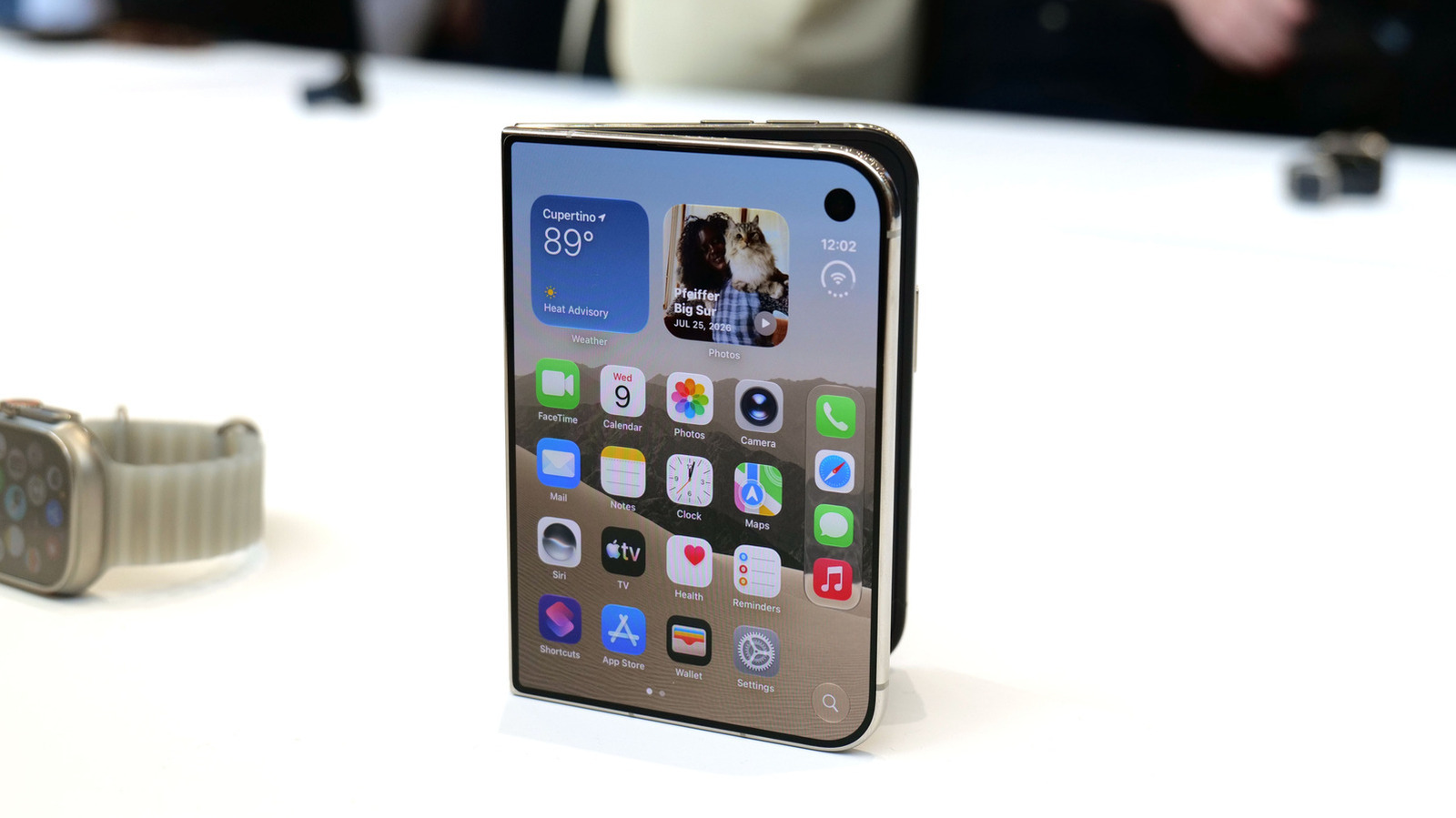
Apple iPhone Duo: A Daring Debut with Notable Compromises
Apple's highly anticipated iPhone Duo, priced at $2,000, has gone on pre-order. While hailed as "Apple's most exciting device in a decade" for its innovative foldable design and immersive display, it comes with significant drawbacks like the absence of FaceID and a premium camera.
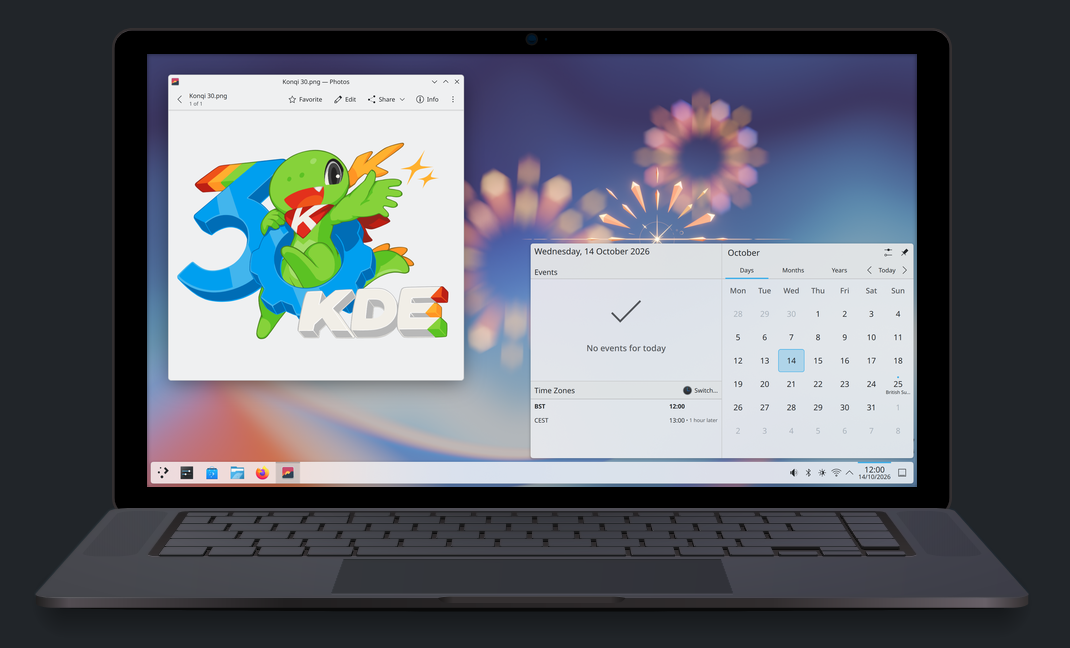
KDE Plasma 6.8: A Future-Focused 30th Anniversary Update
Quick Verdict KDE Plasma 6.8, arriving as the "30th Anniversary Edition," is a pivotal release that decisively pushes the desktop environment into the future. With a definitive farewell to native X11 sessions and a