
Google Health's 2026 Features: Promising Data, Questionable Trust
Verdict Google Health's advanced features for 2026, like Health Guardian and AI Coach, offer unprecedented insight into personal wellness data. While these tools can effectively prompt users to seek medical advice,
Verdict
Google Health's advanced features for 2026, like Health Guardian and AI Coach, offer unprecedented insight into personal wellness data. While these tools can effectively prompt users to seek medical advice, their 'wellness' classification means they lack rigorous medical regulation. Crucially, medical professionals often dismiss the data as unreliable for diagnosis, creating a significant trust gap. Consumers should approach these features with caution, understanding their informational nature rather than diagnostic capability.
The Allure of Advanced Health Tracking
In an increasingly data-driven world, staying informed about one's health has become more accessible than ever, largely thanks to modern wearable technology. Google's Health Guardian suite, featuring innovations like the Blood Pressure Trends feature and the AI-powered Health Coach, promises to keep users ahead of potential health issues. Gone are the days of basic step counts; we now track breathing patterns during sleep, skin temperature, heart rate variability (HRV), blood oxygen levels, and even signs of hypertension or sleep apnea. This wealth of data is designed to make us more informed about our bodies, potentially enabling us to recognize problematic signs earlier.
However, this information abundance comes with a significant caveat. While we may be more informed, the critical question remains: are we better equipped to truly understand our bodies, recognize serious issues, or provide data that healthcare professionals find genuinely helpful? Unfortunately, the answer, based on recent experiences and studies, appears to be a resounding no.
Data Overload and Misinterpretation
A recent UK study involving 2,000 adults revealed a troubling trend: over half used health and fitness trackers, but 60% admitted they didn't understand the data presented. More than 60% resorted to searching online for answers, while only 28% consulted a medical professional. Furthermore, only a quarter of respondents believed the data led to a faster diagnosis. These statistics paint a picture of widespread confusion and limited practical benefit.
To address this, Google's Health Coach and Oura's AI Advisor aim to contextualize the collected data. Yet, these AI assistants come with carefully curated responses and an invariable recommendation: consult a medical professional. This consistent advice underscores a fundamental limitation of these 'breakthrough' technologies.
The Critical Distinction: Wellness vs. Healthcare
The core of the issue lies in a crucial distinction often buried in the fine print: Google Health Guardian and similar features are categorized as 'wellness' rather than 'healthcare.' Google’s Blood Pressure Trends feature, for example, generates monthly reports that might warn of high blood pressure. While backed by 'clinical research,' its disclaimer clearly states the feature is 'intended for general wellness and informational purposes only and not intended to diagnose, treat, cure, or prevent any medical condition, or substitute for professional medical advice.'
This classification has significant implications. According to a UK government research paper, consumer devices not medically regulated 'may face less scrutiny regarding safety, security, and health inequity issues than medical products.' In January 2026, the Food and Drug Administration (FDA) issued new guidance allowing non-invasive features like blood pressure and blood oxygen measurement on devices, but only if they are 'strictly wellness-focused' and do not 'intend to diagnose specific diseases or clinical conditions.' Such devices, marketed for wellness, are exempt from the rigorous regulatory requirements of traditional medical technologies. This is convenient for regulatory bodies and beneficial for tech brands using health as a sales tool, but it leaves consumers in a gray area regarding data reliability and medical validity.
Medical Professionals: Skepticism and Dismissal
The reviewer's personal experience highlights this trust deficit. Despite years of collecting data from devices like the Fitbit Air, Apple Watch Series 12, Google Pixel Watch 5, and Oura Ring 5, and presenting metrics like breathing rate, HRV, and blood oxygen levels to various medical professionals (doctors, nurses, paramedics), the response was consistently dismissive: 'Those [wearable type] aren't very reliable.' The data was quickly disregarded, and medical tests were conducted independently, uninfluenced by wearable readings.
While the data did prompt the reviewer to seek professional help (a positive outcome), no issues were found. This experience led to a diminished trust in the data's utility and raised concerns about whether continuous access to complex health data was causing undue anxiety over minor, inconsequential changes. The lack of transparent insight, education, or clarification accompanying these features means many users simply don't understand the data, fueling confusion rather than empowerment.
The Regulatory Maze: Clearance vs. Approval
Understanding the regulatory landscape is vital. There's a significant difference between features that are FDA-cleared and those that are not, and even between FDA clearance and approval. FDA approval primarily applies to high-risk medical products like pacemakers, not typically consumer wearables.
Certain devices and their features have successfully navigated the regulatory process, earning FDA clearance:
- Apple Watch Series 12: FDA clearance for its single-lead ECG, atrial fibrillation, sleep apnea, and blood pressure notifications.
- Withings ScanWatch 2: FDA clearance for similar features, plus blood oxygen measurement.
In contrast, many of Google's advanced features, despite their sophistication, lack this critical validation:
- Google Pixel Watch 5, Fitbit Air, and Fitbit Edge: Do not have FDA clearance for their blood pressure or insulin trends, or the breathing emergency detection feature.
- Oura Ring 5: Does not have FDA clearance for any of its features. Oura's CEO, Tom Hale, in a blog post, acknowledges the FDA's 'low-risk' medical device guidelines, which 'encourage a general state of health or a healthy activity,' implicitly confirming the wellness focus over medical diagnosis.
FDA clearance adds legitimacy and trust. However, consumers often don't grasp the nuances between 'wellness,' 'FDA-cleared,' and 'FDA-approved.' Effective marketing by brands like Apple, highlighting their cleared features, might inadvertently lead consumers to assume all similar features across different manufacturers offer the same level of medical reliability, regardless of their actual regulatory status. This ambiguity, often exacerbated by manufacturers' opaque communication, necessitates deep research from consumers to understand what these terms truly mean.
The Urgent Need for Education and Transparency
As tech giants like Google, Apple, and Samsung increasingly leverage in-depth health tracking and AI assistants to sell wearables, daily access to health data becomes commonplace. Yet, the persistent disclaimers, like Oura’s 'AI Advisor does not replace your healthcare professional,' reveal the inherent limitations.
Brands bear a significant responsibility to educate and inform. The critical limitations of these wellness features cannot be relegated to small print or ignored addendums. Relying on an already strained medical community to clarify these distinctions is not a viable solution. Instead, manufacturers must be transparent about the true capabilities and limitations of their wellness features, just as they are with data privacy. The pursuit of AI investment returns through 'trend' features should not compromise user well-being. Presenting context-light, potentially alarming trend warnings can be as detrimental as missing a genuine health concern.
While undoubtedly valuable health-related wearable features exist that can identify medical problems and even save lives, users must understand that not all data presented is medically significant or accurate. The genuine utility of wearables lies in their ability to prompt awareness, provided consumers are fully informed about what they are truly being told.
FAQ
Q: Are Google Health’s 2026 features reliable for diagnosing medical conditions?
A: No. Google Health's features, including Health Guardian and Blood Pressure Trends, are categorized as 'wellness' tools. They are intended for informational purposes only and are not designed or regulated to diagnose, treat, or prevent any medical condition. They explicitly state they should not substitute professional medical advice.
Q: Will my doctor find the data from my wearable helpful for my diagnosis?
A: Based on recent experiences, medical professionals often view data from consumer wearables with skepticism, frequently dismissing it as unreliable for diagnostic purposes. While the data might prompt you to seek an appointment, it's unlikely to be used as a primary basis for medical assessment or treatment.
Q: What is the difference between 'wellness,' 'FDA-cleared,' and 'FDA-approved' for health tech?
A: 'Wellness' features are generally low-risk and not intended for medical diagnosis, facing less regulatory scrutiny. 'FDA-cleared' means a specific feature on a device has been reviewed by the FDA and found to be substantially equivalent to a legally marketed medical device, adding legitimacy. 'FDA-approved' is a much stricter designation, typically for high-risk medical products like pacemakers, and does not generally apply to consumer wearables.
Related articles
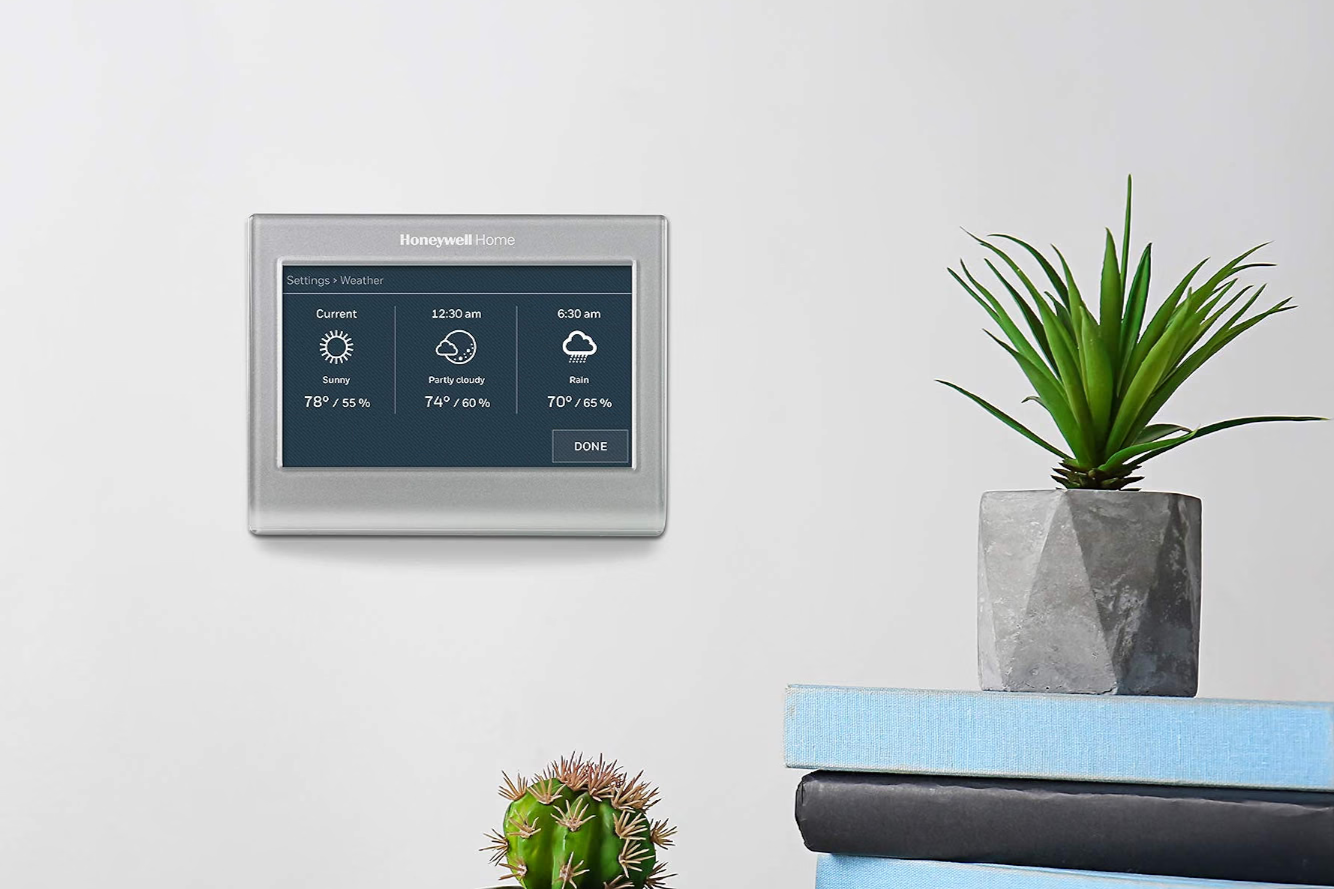
Get the Honeywell Smart Color Thermostat for $80 and Start Saving on
Learn to get and install the Honeywell Home Wi-Fi Smart Color Thermostat for just $80, a 55% saving, and start reducing your utility bills by leveraging its Energy Star certified features and smart home integration.

Jensen Huang Resigns as Nvidia CEO Amid Alleged Spy Affair
Nvidia CEO Jensen Huang has resigned following reports of two affairs, including one with a woman suspected of being a Chinese spy. The departure on Thursday, November 12, 2026, led to a 4 percent drop in Nvidia's stock, with CFO Colette Kress stepping in as interim CEO. The event follows a period of scrutiny and public criticism, raising national security concerns.

Gemini Memory Summary: Essential User Control
Google Gemini, like many advanced AI systems, aims to personalize your interactions by remembering details about you. While this can enhance your experience, it also brings up natural privacy concerns regarding what

Android XR Smartglasses: Display-less Specs Redefine AI Wearables
For years, I've approached smartglasses without integrated displays with a healthy dose of skepticism. My thinking was simple: if I can't see augmented reality overlays or discrete notifications right in my line of

CNET's Wordle #1972 Guide: A Solid Daily Puzzle Companion
Quick Verdict CNET's daily offering of Wordle hints, answers, and strategic help for puzzle #1972 is a robust and reliable resource for both casual players and those seeking to refine their game. While the concept of a

Pixel's Android Auto Gemini AI: A Proactive Leap Rivaling Siri
Pixel's Android Auto Gemini Intelligence: A Proactive Leap Rivaling Siri Quick Verdict: The latest Android Auto update brings Google's advanced Gemini Intelligence to eligible Pixel users, delivering a profoundly