
Google Fitbit Air: Early Deliveries Hit App Update Snag
Google Fitbit Air review: Early Android recipients of Google's screenless fitness tracker are facing pairing issues due to a critical missing app update, despite early product deliveries.
Quick Verdict: A Promising Start, Marred by Software Stumbles
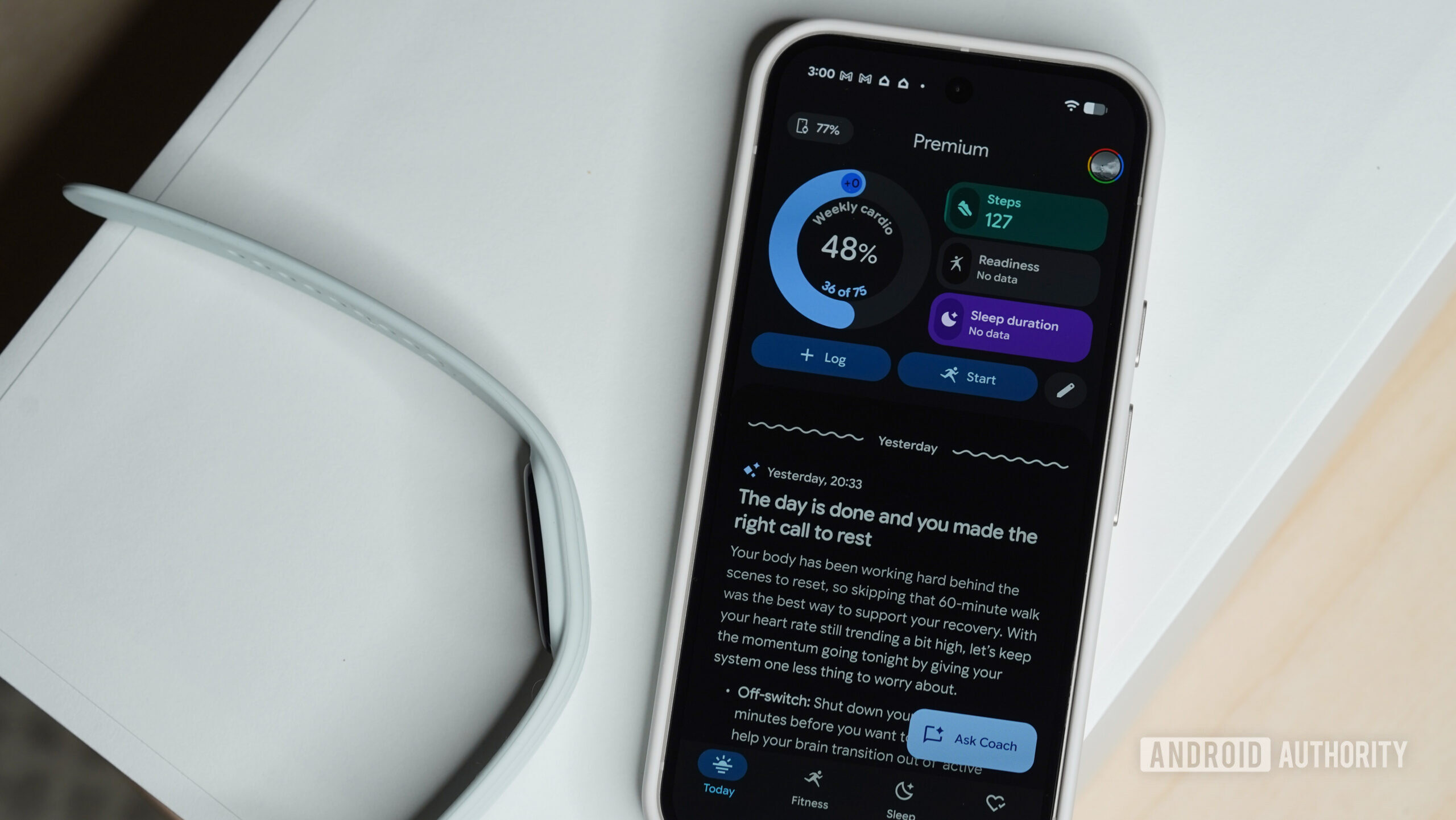
The Google Fitbit Air, a new screenless fitness tracker, has begun reaching early adopters ahead of its anticipated May 26 delivery. While early arrival is usually welcome, for many Android users, it’s brought significant frustration. The required Google Health 5.0 app update, essential for pairing the device, hasn't fully rolled out, rendering early Android-bound units unusable. Google has acknowledged the issue and is working to accelerate the app's availability, providing transparency. iOS users, however, find the app update already accessible, allowing immediate use of their devices.
The Unfortunate Reality: Unbox, But Don't Connect
Initial excitement for the Google Fitbit Air quickly soured for some Android users. Reports on Reddit highlighted an inability to pair the new screenless fitness tracker with their phones, encountering a persistent "app update required" message. This isn't a minor glitch; it’s a fundamental barrier preventing any device interaction. As one Reddit user articulated, “Got mine today as well, but I’m stuck on — app update required — and can’t actually pair it.” This creates a frustrating scenario: owning the physical device but being unable to utilize its core functionality without the Google Health 5.0 application. The product, designed for seamless health tracking, is effectively useless without its software backbone.
Google's Response: Acknowledgment and Accelerated Rollout
Google quickly addressed the mounting user concerns. A product team member responded on Reddit, confirming that early deliveries had indeed outpaced the full Android rollout of the Google Health 5.0 app update via the Google Play Store. This direct communication is a positive step in managing expectations and reassuring customers. The team member stated, “We are doing our best today to accelerate the rollout of the updated app on Android via Play to accommodate early deliveries and it should be available shortly.” This indicates active prioritization for a rapid fix. In contrast, iOS users face no such hurdles; the updated Google Health app is already available through the Apple App Store, allowing immediate pairing and use of their new Fitbit Air devices.
A Glimpse at the Google Fitbit Air: What We Know
Beyond the app pairing issue, the Google Fitbit Air is primarily described as a “screenless fitness tracker.” This design implies a focus on discreet, continuous monitoring, with all detailed data and user interaction handled exclusively through the companion Google Health app. Such a minimalist approach can appeal to those seeking an unobtrusive wearable. However, it also means the device’s entire utility depends on a flawless connection and robust app performance. The source material offers no further specifics on hardware, battery life, or advanced tracking features. As Google’s latest Fitbit offering, it aims to be a key component within the evolving Google Health ecosystem.
Ecosystem Integration and Future Prospects
The Google Fitbit Air’s functionality is intrinsically linked to the new Google Health app, with version 5.0 being the critical component for pairing. This app serves as the central hub for all health and fitness data, representing Google’s strategic push for a unified health platform. For cross-platform users, there's good news: Google has confirmed that support for syncing Google Health data directly to Apple Health is “coming soon.” This potential for interoperability means Fitbit Air data could populate an Apple Health profile, offering a more comprehensive wellness view regardless of the primary smartphone ecosystem. This flexibility could be a strong selling point, once fully implemented.
Pros and Cons: Weighing the Early Experience
Pros:
- Early Delivery (for some): An unexpected perk for a subset of customers, demonstrating efficient logistics.
- Prompt Google Response: Transparent communication from Google regarding the issue helps mitigate user frustration.
- iOS Users Unaffected: iPhone owners can enjoy their new devices without the Android app update delays.
- Future Apple Health Sync: The promise of cross-platform data integration is a compelling future feature, enhancing versatility.
- Screenless Design Appeal: For those preferring a discreet, minimalist tracker focused purely on data collection, this design is ideal.
Cons:
- Critical Android App Rollout Failure: The inability for early Android users to pair their devices is a major launch misstep, rendering the product unusable upon arrival.
- User Frustration: Receiving an anticipated product that cannot be used creates significant disappointment and a negative first impression.
- High Reliance on App: As a screenless device, its entire functionality hinges on the companion app, making this software snag particularly debilitating.
- Delayed Gratification: Early Android buyers must wait further, negating the benefit of early delivery.
Buying Recommendation
Our recommendation for the Google Fitbit Air is platform-dependent and advises caution.
- For Android users: It's prudent to wait. Do not purchase with the expectation of immediate functionality. Monitor official announcements and user feedback to confirm that the Google Health 5.0 app update has been widely and stably deployed on the Google Play Store. Waiting until at least the official May 26 launch date, or even a bit beyond, seems advisable to avoid initial headaches.
- For iOS users: If the concept of a screenless fitness tracker and integration with the Google Health ecosystem appeals to you, and you're interested in the “coming soon” Apple Health sync, you can proceed with a higher degree of confidence, as the app update issue does not affect your platform.
- Overall: The Google Fitbit Air shows promise, but its initial software hiccup on Android highlights the importance of a smooth integrated experience. Patience will be a virtue for many prospective buyers.
Conclusion
The Google Fitbit Air's journey into the market has begun with a mix of eager anticipation and frustrating reality. While its early arrival underscores efficient distribution, the simultaneous failure of a crucial Android app update has created an unfortunate stumbling block for many. Google's prompt acknowledgment and commitment to a swift resolution are positive signs, but this initial software snag is a stark reminder of the complexities inherent in launching interconnected hardware and software products. The device's future potential, particularly with cross-platform health data syncing, remains strong. However, for now, Android users eyeing this screenless tracker should temper their enthusiasm with a healthy dose of patience until the Google Health app experience is truly seamless for everyone.
FAQ
Q: What is the main issue affecting early Google Fitbit Air deliveries for Android users? A: Early Android buyers are encountering significant pairing problems because the mandatory Google Health 5.0 app update, necessary to connect with the device, has not yet fully rolled out through the Google Play Store.
Q: Has Google addressed the pairing problem, and what steps are they taking? A: Yes, a Google product team member has confirmed the issue and stated that efforts are underway to accelerate the Android app's rollout, expecting it to be available “shortly.”
Q: Will the Google Fitbit Air be compatible with Apple Health for data syncing? A: Google has indicated that support for syncing Google Health data, including information collected by the Fitbit Air, to Apple Health is “coming soon.” This feature aims to enhance cross-platform data portability.
Related articles
Android 17 QPR2 Beta 7.1: The Performance Relief You've Been Waiting
Android 17 QPR2 Beta 7.1: Finally Fixing the QPR1 Performance Woes Verdict: Android 17 QPR2 Beta 7.1 is a crucial and highly anticipated software update for Google Pixel users, specifically targeting and resolving the

DJI Solo Video Setups: Smart Choices for Lone Creators
This review delves into DJI's recommended solo video setups, highlighting the Osmo Pocket 3 Creator Combo as a top pick for its integrated camera, gimbal, and mic. It also covers stabilizers like the Osmo Mobile 8 and RS 4, and the DJI Mic Mini series for enhanced audio, providing honest pros, cons, and clear buying advice.

TCG Pocket Responds: A Much-Needed Pace Shift for Pokémon Fans
Pokémon TCG Pocket is rolling out a major update for its second anniversary, primarily addressing player concerns about overwhelming content releases by shifting to a six-week set schedule. This aims to curb player decline and improve overall engagement by giving trainers more time to collect and strategize. The update also adds new collection methods, improved deck-building features, and enhanced trading functionality.

Ars Technica's Rocket Report: Your Essential Space Industry Briefing
Quick Verdict Ars Technica's Rocket Report, presented by veteran space reporter Stephen Clark, offers an invaluable and meticulously organized weekly (or similar frequency, implied by "Edition 9.15") digest of the most
Apple iPhone Duo: A Daring Debut with Notable Compromises
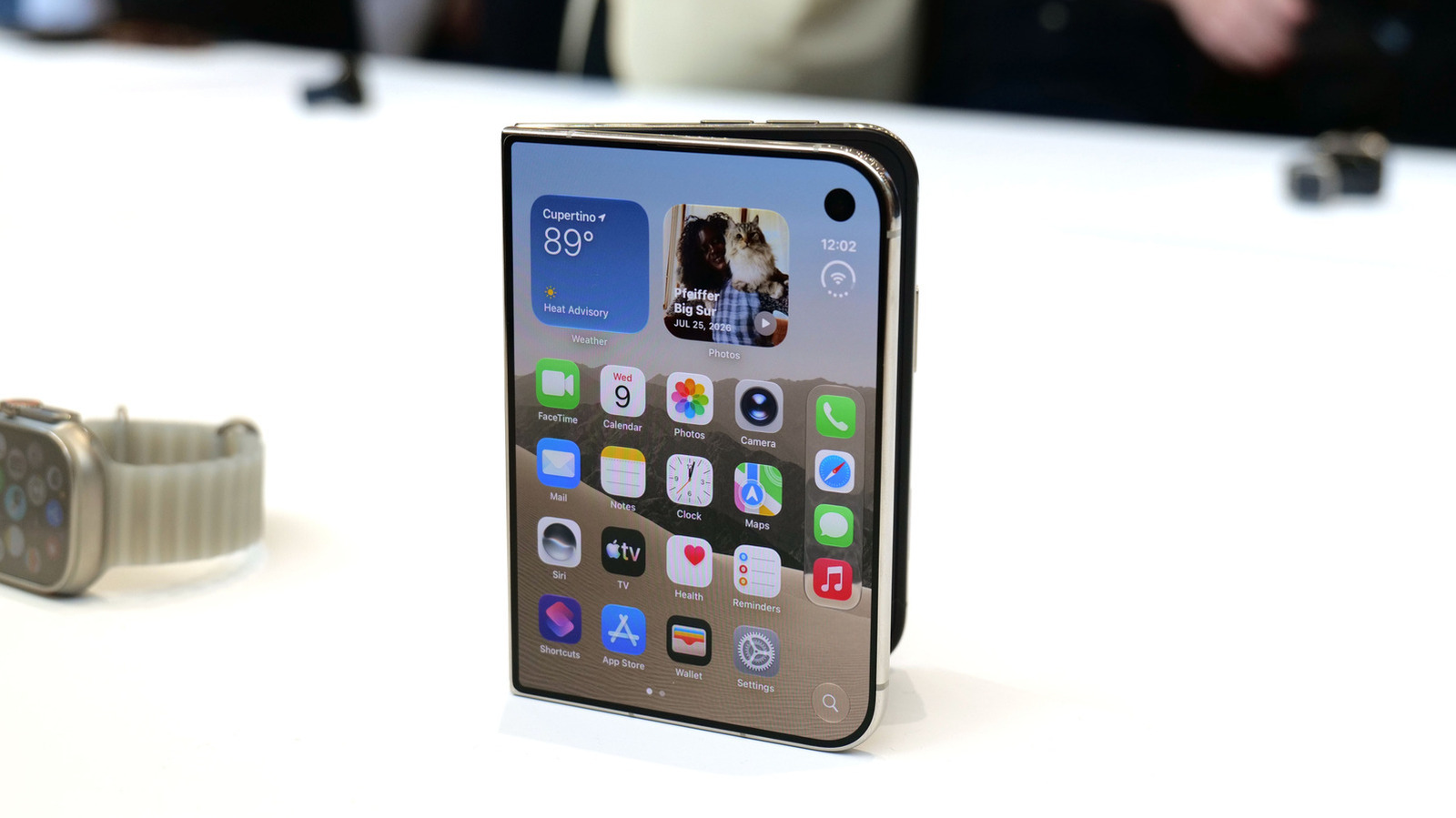
Apple's highly anticipated iPhone Duo, priced at $2,000, has gone on pre-order. While hailed as "Apple's most exciting device in a decade" for its innovative foldable design and immersive display, it comes with significant drawbacks like the absence of FaceID and a premium camera.
KDE Plasma 6.8: A Future-Focused 30th Anniversary Update
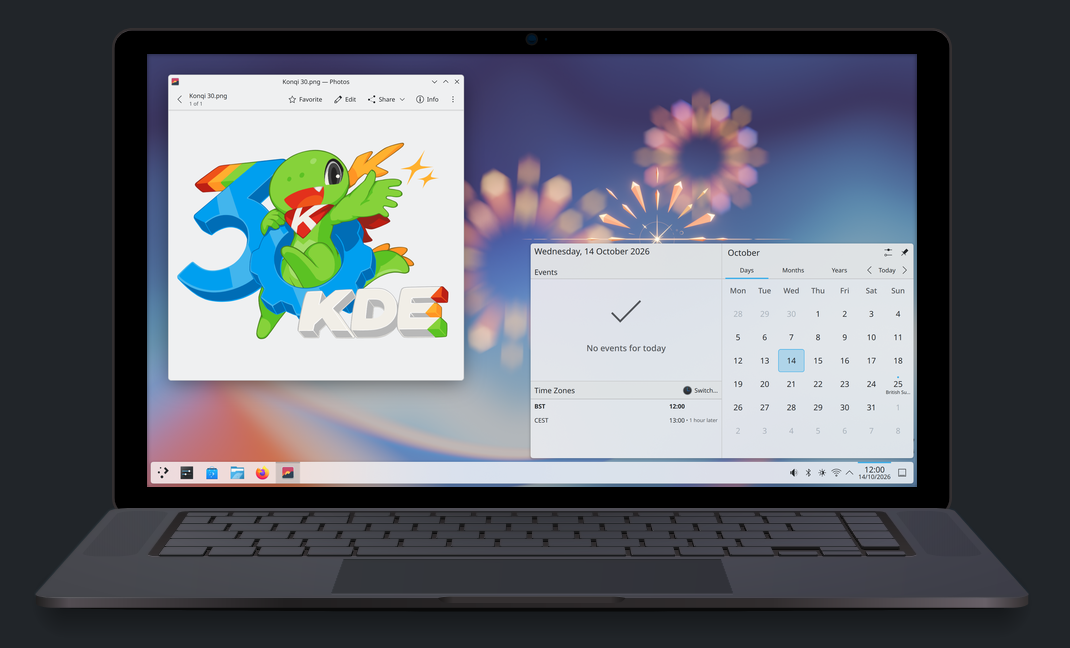
Quick Verdict KDE Plasma 6.8, arriving as the "30th Anniversary Edition," is a pivotal release that decisively pushes the desktop environment into the future. With a definitive farewell to native X11 sessions and a