
Galaxy S25 Edge vs. iPhone Air: The Future of Thin Phones
The tech world is buzzing about the latest contenders in the slim smartphone arena: the Galaxy S25 Edge and the iPhone Air. CNET pits these two titans against each other, asking if you truly need a bulky device when sleek elegance is on the rise. Discover the allure and potential trade-offs of embracing the ultra-thin.

Remember when phones were primarily about getting smaller, then bigger, and now… thinner? It seems the pendulum of smartphone design is constantly swinging, but one constant quest remains: elegance through form factor. In an era where devices pack more power than ever, a compelling question is emerging from the very heart of the tech world: how much phone do you really need? This query takes center stage as CNET shines a spotlight on a fascinating head-to-head battle: the Galaxy S25 Edge versus the iPhone Air, pitting two of the anticipated top slim phones against each other. This isn't just about raw power or camera prowess; it's about a return to sleek design, a minimalist philosophy that challenges the notion of carrying substantial bulk. Let's delve into what makes these ultra-thin devices so compelling and what their emergence signifies for the future of mobile technology.
The Irresistible Allure of Ultra-Slim Design
There's an undeniable charm to a device that feels almost weightless, slipping effortlessly into a pocket or a small clutch. The appeal of a thin phone extends far beyond mere aesthetics; it speaks to a desire for seamless integration into our busy lives. A slim smartphone enhances portability, reduces pocket bulge, and often feels more comfortable during extended use. In a world where our phones are constant companions, an ultra-slim design significantly contributes to the overall user experience, making interaction feel less cumbersome. Tech innovators constantly push the boundaries of engineering to shave off precious millimeters without sacrificing performance. The Galaxy S25 Edge and iPhone Air, as highlighted by CNET, embody this ambition, representing the pinnacle of design where form factor is as critical as functionality, delivering devices that are remarkably refined and easy to carry.
The Fine Line: Potential Trade-offs in Thinness
While the pursuit of thinness brings undeniable benefits, it also introduces a unique set of engineering challenges. Crafting a remarkably slender yet supremely capable smartphone requires masterful innovation, often balancing delicate compromises. Historically, the drive for a thinner profile has raised questions about potential trade-offs. For instance, fitting a robust, all-day battery into an exceptionally slim chassis is a significant hurdle; less physical space might limit larger battery cells, demanding efficiency optimizations or leading to different performance expectations. Similarly, ensuring the structural integrity and durability against everyday knocks becomes a more intricate task for an ultra-thin device. We’ve also seen how the quest for slimness has influenced peripheral features, sometimes leading to the re-evaluation of traditional ports. Manufacturers of devices like the Galaxy S25 Edge and iPhone Air are undoubtedly tackling these complex puzzles, striving to deliver the sleekness users crave without compromising essential robustness and functionality. CNET’s close look will likely illuminate how successfully these challenges have been met, showcasing how innovation allows for both elegance and practicality.
Galaxy S25 Edge vs. iPhone Air: A Clash of Slim Titans
The very notion of a 'head-to-head' battle between the Galaxy S25 Edge and the iPhone Air, as brought to us by CNET, speaks volumes about the current state of mobile innovation. These aren't just any slim phones; they represent the cutting edge from two of the most influential tech giants. Samsung, with its Galaxy series, has consistently pushed boundaries in display technology and versatile features, often presenting bold designs. Apple, meanwhile, is renowned for its seamless ecosystem, intuitive user experience, and a commitment to meticulous, refined design. When these two powerhouses both focus on delivering an ultra-slim device, it signals a significant shift in industry priorities. The comparison isn't merely about which phone is 'thinner'; it’s about how each brand approaches the challenge of creating a premium, powerful device that also prioritizes an unburdened carrying experience. CNET’s analysis provides invaluable insights into how these top slim phones stack up in design philosophy and user ergonomics, challenging the belief that 'more' always equals 'better.' It’s a testament to both brands' ingenuity that they can present devices that are visually stunning and embody a new standard of mobile convenience.
The Future Is Thin
The emergence of devices like the Galaxy S25 Edge and iPhone Air firmly establishes the 'thin phone' as more than just a passing fad; it's a significant evolution in smartphone design. As CNET's head-to-head comparison aptly highlights, the question of 'Do you need to carry so much phone with you?' is prompting a re-evaluation of our mobile habits. These top slim phones aren't simply shedding weight; they're pushing the entire industry forward, challenging manufacturers to innovate in battery efficiency, material science, and structural design. For consumers, this trend opens up new possibilities for devices that blend seamlessly into life, offering powerful capabilities without the physical footprint. Whether your priority is ultimate portability, aesthetic elegance, or a lighter load, the competition between the Galaxy S25 Edge and iPhone Air promises an exciting future where sleek design and powerful performance walk hand-in-hand. The era of the ultra-slim smartphone is here, captivating the tech world one millimeter at a time.
Related articles

Apple iPhone Duo: A Daring Debut with Notable Compromises
Apple's highly anticipated iPhone Duo, priced at $2,000, has gone on pre-order. While hailed as "Apple's most exciting device in a decade" for its innovative foldable design and immersive display, it comes with significant drawbacks like the absence of FaceID and a premium camera.
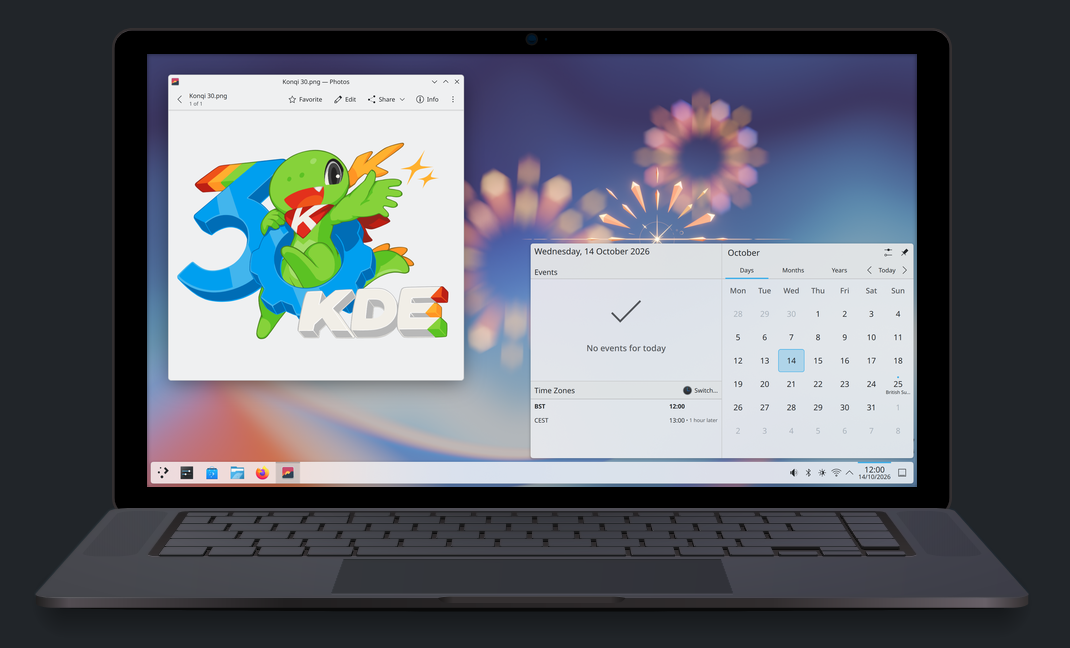
KDE Plasma 6.8: A Future-Focused 30th Anniversary Update
Quick Verdict KDE Plasma 6.8, arriving as the "30th Anniversary Edition," is a pivotal release that decisively pushes the desktop environment into the future. With a definitive farewell to native X11 sessions and a

regional: A two-person Seattle startup lands $1M to reinvent
Seattle startup TriMagnetix has secured $1 million to develop semiconductor chips that consume 800 times less energy and are radiation-resistant. The two-person company, leveraging nanomagnetic technology, is targeting space applications and data centers. With new funding and key partnerships, TriMagnetix aims for commercial sales within a year.
Galaxy Watch One UI 9 Beta: Promising Progress, But Patience Needed
Galaxy Watch 8, Watch Ultra, and Watch 7 are receiving a new One UI 9 Watch beta build with bug fixes and a security patch. Active development signals progress, but a stable release date remains elusive.

Ubisoft Proposes German Studio Workforce Reduction Amidst
Ubisoft is planning a voluntary departure program for about 100 employees across its Düsseldorf, Berlin, and Mainz studios in Germany. This move is part of a larger, ongoing cost-reduction and restructuring effort by the publisher, aiming to better position its studios for future projects.

Prototype Racing 2030: A Unified Future Driven by Software
Prototype racing is heading towards a unified, LMDh-based rule set by 2030, promising greater stability, cost-effectiveness, and a focus on software-driven innovation for OEMs, despite current economic challenges.