
Disney Imagineering's Olaf: A Step Towards True Character Immersion
Walt Disney Imagineering has once again pushed the boundaries of theme park technology with their latest creation: a fully self-walking and talking Olaf robot. Developed in a remarkably short span of about four months,

Walt Disney Imagineering has once again pushed the boundaries of theme park technology with their latest creation: a fully self-walking and talking Olaf robot. Developed in a remarkably short span of about four months, this character represents a significant leap forward in bringing beloved animated figures to life. Debuting at Disneyland Paris’ Adventure World, this isn't just a static animatronic; it's a mobile, interactive marvel designed to deepen guest immersion and set the stage for an ambitious future.
The Verdict: A Glimpse into the Future of Disney Parks
The walking Olaf robot is a triumph of engineering and creative collaboration, merging cutting-edge robotics and AI-assisted animation with the timeless magic of Disney storytelling. While it retains a human element through performer control, its ability to move realistically, self-balance, and overcome complex physical challenges in real-time is genuinely groundbreaking. It's not a product you can buy, but a technological advancement that promises to revolutionize the guest experience in Disney parks, offering a tantalizing preview of a future where beloved characters roam freely and interact more organically with visitors. For anyone who cherishes the magic of Disney, Olaf is a compelling reason to anticipate what's next.
Engineering Magic: From Animation to Embodied Character
At the heart of Olaf's creation lies an unprecedented synergy between Walt Disney Imagineering and Walt Disney Animation Studios. Instead of traditional, painstaking hand-programming for every movement, the robotics team leveraged the same digital animation rigs used in the Frozen films. This innovative approach, combined with reinforcement learning and simulation, drastically cut down development time. Kyle Laughlin, SVP of R&D, Technology and Engineering at Imagineering, explained that this direct translation from digital animation to physical robotics ensures the embodied character is "as screen-accurate as possible."
This means Olaf moves with his distinctive, slightly awkward waddle, maintaining the fast-paced personality and unmistakable curiosity that fans expect. Even the subtle details, like how his feet land to minimize sound, were meticulously refined using reinforcement learning, ensuring the robot's mechanics never detract from the character's performance.
Navigating the Unexpected: Balance and Beyond
Olaf's initial deployment isn't on a simple, flat stage. He's set to perform as part of a live entertainment show on a moving boat, a challenge that demanded advanced self-balancing capabilities. Imagineering engineers constructed a mock boat to simulate these conditions, ensuring Olaf could remain upright and stable amidst shifting ground. The robot's control systems constantly process sensor and motor data, allowing it to dynamically adjust its posture and movements in real-time. This marks a significant milestone, as Olaf is the first Disney robotic character of its kind to perform on water from its debut.
The engineering ingenuity extends beyond balance. Olaf's disproportionate anatomy – a large head atop a narrow body – presented a unique challenge: the neck motors generate considerable heat, threatening to shut down the robot mid-performance. Rather than a costly redesign, Imagineering again turned to reinforcement learning. The robot estimates motor temperature and automatically adjusts Olaf’s posture as limits are approached, reducing torque and preventing overheating. This allows Olaf to maintain critical eye contact with guests, a key element of his engaging personality, without compromise.
The Performer's Touch: Why Humans Still Matter
Despite the sophisticated robotics and AI-assisted training, Olaf is not an autonomous robot. Like the BDX droids and even R2-D2 in Star Wars: Galaxy's Edge, Olaf is powered by performers. This can be either via remote control or synced to a time-code for live shows. This human element is crucial; it allows Olaf to improvise, react spontaneously to guests, and maintain the authentic, alive feeling characteristic of Disney characters. The performer also controls Olaf's gaze, ensuring the highly realistic eyes make convincing and emotionally resonant eye contact with children and adults alike.
A New Era of Park Experience: Pros and Cons
Pros:
- Rapid Development: The ability to go "from start to real true finish" in approximately four months highlights a major acceleration in robotic character creation, thanks to integration with animation assets and reinforcement learning.
- Unparalleled Authenticity: Direct collaboration with animators and the use of original digital rigs ensure Olaf's movements and personality are remarkably faithful to his on-screen counterpart, enhancing immersion.
- Advanced Mobility & Resilience: Self-balancing technology allows performances on dynamic surfaces like moving boats, while intelligent heat management prevents operational issues, ensuring consistent performance quality.
- Enhanced Guest Interaction: Performer-controlled movement and gaze facilitate genuine, spontaneous interactions and emotional connections with guests, avoiding the predictability of fully automated systems.
- Visionary Future: Olaf is a critical step towards Imagineering's ambitious goal of populating entire park worlds with interactive, mobile characters, promising an even more immersive theme park experience.
Cons:
- Not Fully Autonomous: For those anticipating fully AI-driven, independent characters, the reliance on human performers might temper expectations. While it ensures spontaneity, it's not true artificial intelligence in control.
- Limited Initial Availability: Olaf's debut is restricted to Disneyland Paris, followed by Hong Kong Disneyland in 2026. Global availability and broader deployment in other parks will take time.
- Experiential, Not Purchasable: This is an advancement in theme park technology, not a consumer product. While exciting for park-goers, it’s not something individuals can own or directly interact with outside of a park setting (yet).
- Scalability Challenges: While the tech is impressive, scaling "an entire world populated with characters" will present immense logistical and technical challenges, suggesting this grand vision is still many years away.
Olaf's Place in the Disney Robot Family
Olaf isn't Disney's first robotic character; BDX droids have used similar reinforcement learning technology and eventually made their way to cruise ships, and R2-D2 roams Star Wars: Galaxy's Edge, also performer-driven. However, Olaf is explicitly identified as the "first true next-generation robotic character." His unique contributions include performing on water from the outset and the intelligent, real-time heat management through reinforcement learning. While other Disney robots have mobility and performer control, Olaf combines these with advanced self-balancing, quicker development, and sophisticated problem-solving (like the heat issue) in a more integrated, character-specific way, setting a new benchmark for what's possible in a themed environment.
The Grand Vision: Populated Worlds
For Imagineering, Olaf is merely the beginning. The ultimate goal extends far beyond individual characters. Laughlin hinted at new robotic figures across major franchises like Frozen, Marvel, and Star Wars. The long-term vision is to create entire environments where these characters can move and interact alongside guests, transforming immersion in Disney parks to an unprecedented level. "We don't envision just one robot from a franchise," Laughlin said, "but an entire world populated with characters you know and love." If Olaf's rapid development and advanced capabilities are any indication, this ambitious future may indeed be closer than many imagine.
Recommendation: Experience the Future of Magic
For Disney park enthusiasts and anyone fascinated by the intersection of technology and entertainment, the walking Olaf robot is a must-see. While you can't buy Olaf, experiencing his debut at Disneyland Paris is a chance to witness a pivotal moment in theme park innovation. It offers a tangible taste of the future Disney is building – a world where beloved characters feel more alive and accessible than ever before. This is an investment in unparalleled immersion, and for that, it comes highly recommended for those planning a park visit.
FAQ
Q: Is the Olaf robot fully autonomous and powered by AI? A: No, despite its advanced robotics and AI-assisted training (like reinforcement learning for movement), the Olaf robot is not autonomous. It is still controlled by human performers, either via remote control or synced to a time-code for live shows, allowing for improvisation and spontaneous guest interaction.
Q: Where can I see the walking Olaf robot? A: The walking Olaf robot is making its debut at Disneyland Paris’ new Adventure World on March 29. It is also slated to arrive at Hong Kong Disneyland later in 2026. Details about potential appearances in other parks or meet-and-greets in the future have not yet been confirmed.
Q: What makes this Olaf robot different from other Disney robots like R2-D2 or BDX droids? A: While previous Disney robots also used advanced tech and performer control, Olaf is considered a "next-generation" character due to several key advancements. These include its rapid development (around four months using animation rigs), its unique ability to self-balance and perform on a moving boat from its debut, and its intelligent use of reinforcement learning to solve complex engineering challenges like managing motor heat in real-time. It represents a more integrated and character-specific application of advanced robotics.
Related articles
Android 17 QPR2 Beta 7.1: The Performance Relief You've Been Waiting
Android 17 QPR2 Beta 7.1: Finally Fixing the QPR1 Performance Woes Verdict: Android 17 QPR2 Beta 7.1 is a crucial and highly anticipated software update for Google Pixel users, specifically targeting and resolving the

DJI Solo Video Setups: Smart Choices for Lone Creators
This review delves into DJI's recommended solo video setups, highlighting the Osmo Pocket 3 Creator Combo as a top pick for its integrated camera, gimbal, and mic. It also covers stabilizers like the Osmo Mobile 8 and RS 4, and the DJI Mic Mini series for enhanced audio, providing honest pros, cons, and clear buying advice.
Ditch Merge & Center: The Better Way to Align Text in Excel
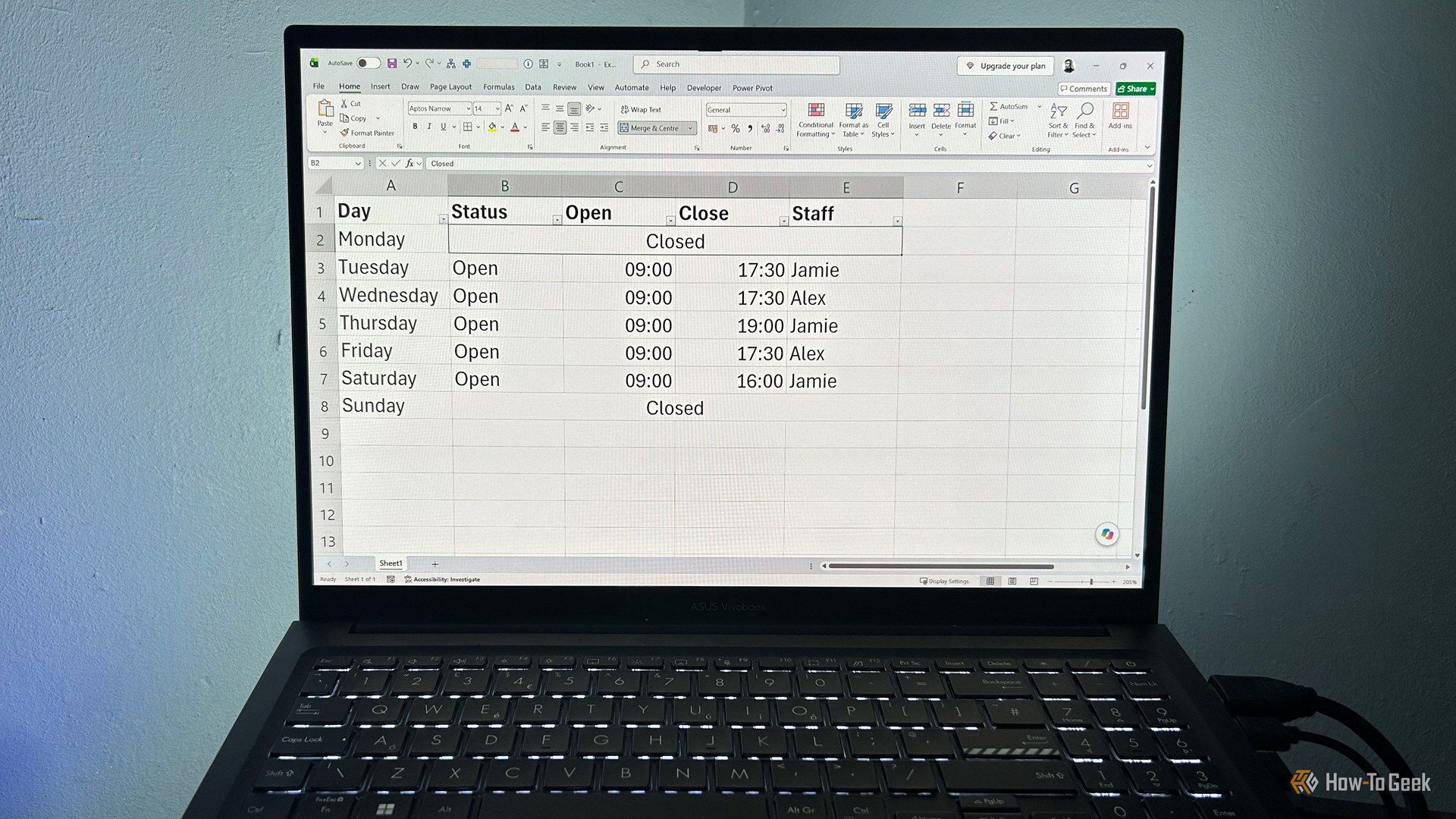
Learn to use Excel's "Center Across Selection" to align text across cells without merging, avoiding common data manipulation issues. This guide provides steps to utilize this newly accessible feature and add it to your Quick Access Toolbar.

Ars Technica's Rocket Report: Your Essential Space Industry Briefing
Quick Verdict Ars Technica's Rocket Report, presented by veteran space reporter Stephen Clark, offers an invaluable and meticulously organized weekly (or similar frequency, implied by "Edition 9.15") digest of the most
Apple iPhone Duo: A Daring Debut with Notable Compromises
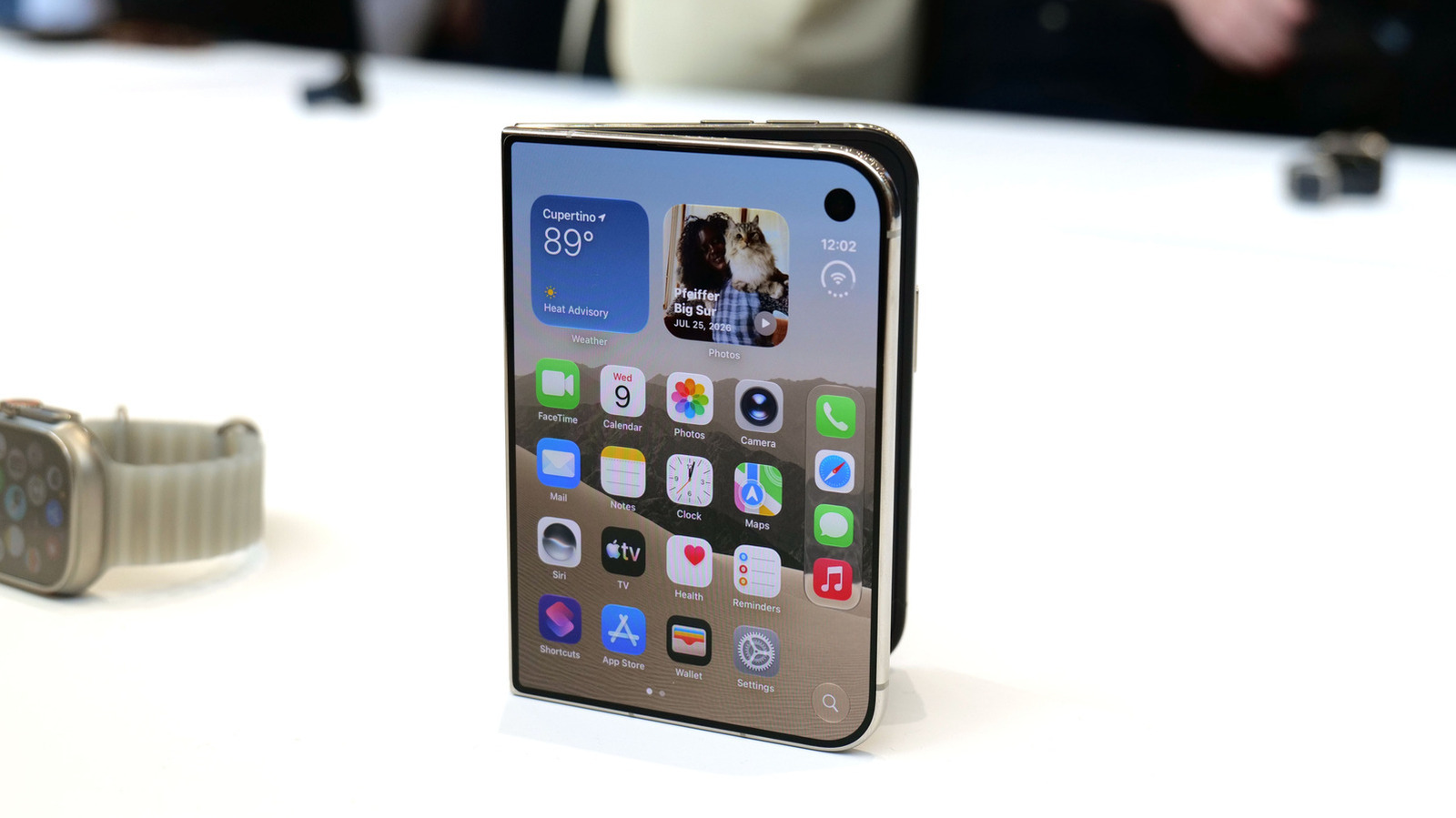
Apple's highly anticipated iPhone Duo, priced at $2,000, has gone on pre-order. While hailed as "Apple's most exciting device in a decade" for its innovative foldable design and immersive display, it comes with significant drawbacks like the absence of FaceID and a premium camera.
KDE Plasma 6.8: A Future-Focused 30th Anniversary Update
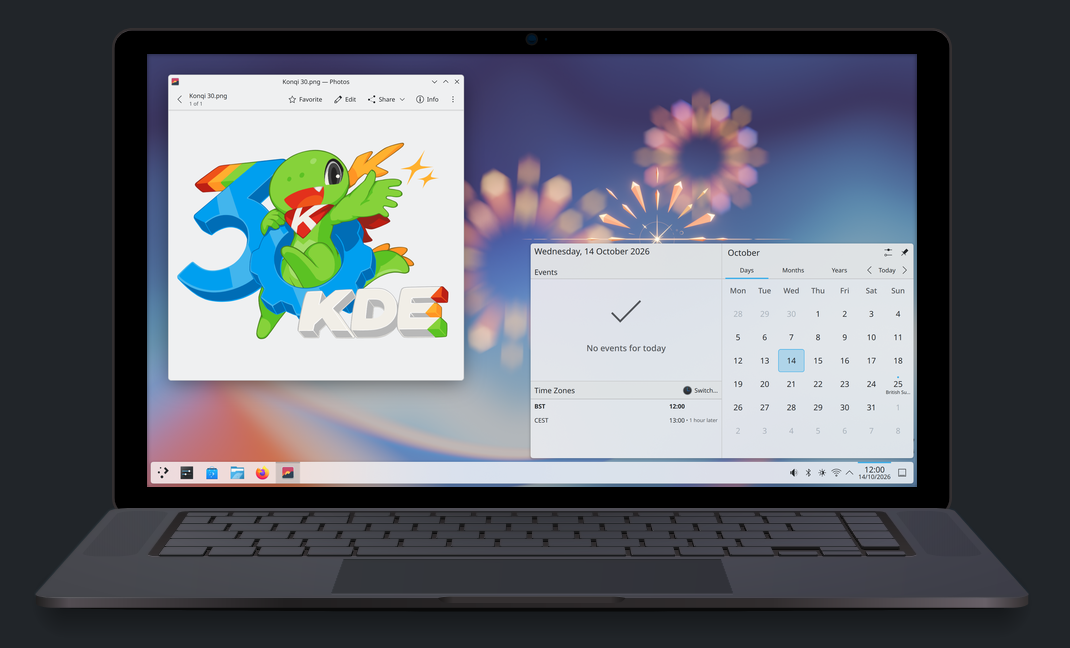
Quick Verdict KDE Plasma 6.8, arriving as the "30th Anniversary Edition," is a pivotal release that decisively pushes the desktop environment into the future. With a definitive farewell to native X11 sessions and a