
Creator PCs: Are Makers Meeting Creative Needs
Quick Verdict The PC market is actively chasing the "creative" user, a demographic whose needs are increasingly distinct from traditional gamers and enterprise workstation users. While initial efforts focused on
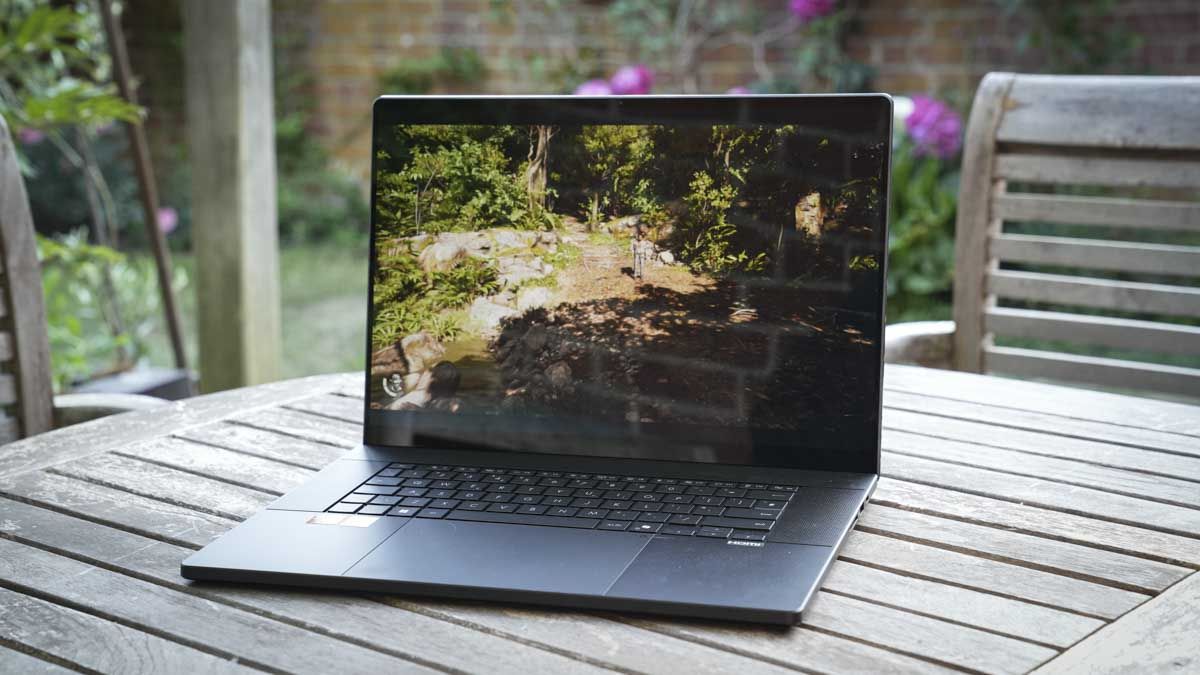
Quick Verdict
The PC market is actively chasing the "creative" user, a demographic whose needs are increasingly distinct from traditional gamers and enterprise workstation users. While initial efforts focused on dedicated sub-brands like Acer's ConceptD and Asus's ProArt, the consensus is shifting towards understanding specific configurations and aesthetic preferences. The rise of generative AI has fundamentally reshaped hardware priorities, thrusting GPU performance, ample VRAM, and fast storage to the forefront. These machines offer tailored designs and crucial display accuracy, but the segment faces challenges in defining its boundaries and addressing the evolving demands of AI-driven workflows.
The Evolving Landscape of Creative Computing
For decades, the power user PC market was largely bifurcated between high-octane gaming rigs and robust, no-nonsense workstations. Gaming machines, often branded with names like Predator, Omen, and Legion, signaled their raw processing might, particularly in GPU performance. Workstations, such as Lenovo’s ThinkPad P series and HP’s Z series, delivered similar internal muscle for specialized tasks like CAD and 3D rendering but wrapped it in conservative, durable exteriors. Enter the "creative" – a broad category of professionals ranging from video editors to graphic designers and musicians. These individuals require significant horsepower but often find themselves in a unique middle ground, driven by different work settings, software, and aesthetic preferences.
Historically, memory (RAM) played a more dominant role in determining performance for creative applications like Photoshop or Premiere. However, the rapid ascent of generative AI has dramatically altered this dynamic. From image and music creation to sophisticated video generation tools like Google Flow and local models like LTX, the demand for powerful GPUs with substantial VRAM (12GB minimum, often 32GB or more for demanding tasks) has skyrocketed. This shift means that the very core of what defines a "creator PC" is in flux, leaning heavily into GPU capabilities previously reserved for top-tier gaming.
Design and User Experience: Beyond Flash
A key differentiator for the creative segment, as highlighted by Acer and Asus, is aesthetics. Unlike the often aggressive, RGB-laden designs of gaming PCs, creatives overwhelmingly prefer toned-down, minimalistic, and low-profile machines. Acer America's Eric Ackerson refers to this as an "executive gaming" aesthetic, implying power without the visual fanfare. Asus global director Sascha Krohn emphasizes a desire for "simple and calm" designs that minimize distraction.
Display technology is another critical area where creative needs diverge. While gamers prioritize high refresh rates and extreme brightness, creative professionals place a premium on color accuracy and often prefer matte finishes to reduce glare. Asus’s ProArt line exemplifies this, focusing on displays with exceptional color fidelity. Interestingly, advancements in OLED technology, with brighter 120Hz tandem OLED displays offering 1600 nits peak HDR (as seen in the ProArt P16), are starting to bridge the gap, potentially satisfying both camps.
Beyond aesthetics, specific features enhance the creative workflow. Asus's ProArt P16, for instance, includes practical additions like SD Express card slots and an integrated touch dial (ASUS DialPad) to streamline interactions with creative software. These thoughtful design choices go beyond raw specifications to improve the overall user experience.
PC Makers' Strategies: Acer vs. Asus
Acer's Journey with ConceptD: Acer was an early mover in explicitly targeting the creator market with its ConceptD line, launched in 2019. These machines boasted powerful configurations, including Intel Xeon CPUs and Nvidia Quadro GPUs, wrapped in distinctive, organic industrial designs. The Ezel line even featured an innovative "pull-forward" convertible laptop design, a precursor to concepts like the Surface Laptop Studio. ConceptD also extended to monitors and mixed-reality headsets, demonstrating a holistic vision for the creative ecosystem. While Acer has since moved away from ConceptD as a dedicated sub-brand, Ackerson notes it successfully validated the market and provided valuable insights into creative professionals' diverse needs. Today, Acer's strategy focuses more on offering specific configurations within existing lines rather than creating new brands, acknowledging the significant overlap between creative and gaming hardware requirements.
Asus's Dedicated ProArt Line: In contrast, Asus has doubled down on its ProArt sub-brand, extending it across both PCs and monitors. This approach maintains a clear identity for creatives, emphasizing the design philosophy of minimalism and functionality. The ProArt P16, evolving from a creator-focused edition of their Zephyrus G7 gaming laptop, embodies this with its subdued design, specialized ports, and the aforementioned DialPad. Asus's commitment to color-accurate displays within the ProArt range further underscores its dedication to this segment.
The Rise of Small Form Factor (SFF) Desktops
Both Acer and Asus, alongside boutique builder Maingear, have observed growing interest in small form factor desktops among creatives. Asus, a key partner in Intel’s NUC initiative, has even adopted the product line after Intel’s departure, releasing both standard and gaming variants. Acer is also expanding its SFF offerings, including the Revo line and new AI Mini Workstations. Wallace Santos, CEO of Maingear, highlights the shared core needs of gamers and creatives—high-performance GPU, abundant memory, and fast storage—but notes creatives' preference for "sleeker [PCs with] less flash." His company even saw a sell-out success with '90s-style beige cases, a testament to this aesthetic preference.
However, Santos expresses skepticism about SFF expanding significantly among gamers due to the physical size of powerful GPUs, the cost of specialized SFF power supplies, and intense cooling demands. This raises a pertinent question for creatives: as AI pushes GPU requirements ever higher, will the practical limitations of SFF designs eventually clash with the performance demands, potentially steering some back towards mid-towers for optimal component choice and thermal management?
AI: The New Performance Imperative
The article underscores AI as the primary driver behind the changing hardware demands for creatives. While legacy applications focused on efficient workflow management, generative AI has transformed the creative process itself. Tasks that were once complex and time-consuming, like detailed image editing or even producing Hollywood-quality video clips, are becoming increasingly trivial and reliable with AI. Tools like Google Flow enable prompt-driven video creation and modification, abstracting away the traditional toolbox interface. This shift means that raw GPU power, especially VRAM, is no longer just a luxury but a necessity for running local AI models like LTX and Wan, which demand significant resources for high-quality output.
This democratization of powerful creative tools, once largely restricted by steep learning curves or expensive cloud subscriptions, is now "achievable" on local machines. As Maingear’s Santos puts it, "AI has removed the barriers. The toolset is no longer the restriction in today’s creative workflow." This makes the dedicated creative PC market more relevant than ever, as manufacturers race to deliver the GPU-centric power that AI-driven creative workflows now demand.
Buying Recommendation
The "creative PC" segment is a dynamic and increasingly important space. For professionals who prioritize color accuracy, a subdued aesthetic, and specialized features while demanding top-tier GPU performance for AI-driven tasks, dedicated lines like Asus ProArt offer compelling solutions. If your workflow heavily involves generative AI, 3D rendering, or high-resolution video editing, investing in a machine with a powerful GPU (12GB+ VRAM), ample RAM (32GB+), and fast storage is paramount. While some gaming PCs may offer similar raw specs, creative-focused machines often provide superior displays and tailored user experience features. For those seeking a balance of power and discreet design, the creative PC market is finally coming into its own, providing options that are both visually appealing and functionally potent for modern, AI-enhanced workflows.
FAQ
Q: How do creative PCs differ from gaming PCs in terms of priorities?
A: Creative PCs, while often sharing similar high-end internal specs, prioritize toned-down aesthetics, color accuracy in displays, and specialized ports or input devices (like the ASUS DialPad). Gaming PCs tend to emphasize brightness, high refresh rates, and often more aggressive designs with prominent RGB lighting.
Q: What impact has AI had on the hardware requirements for creative professionals?
A: Generative AI has significantly shifted hardware priorities, making powerful GPUs with substantial VRAM (12GB or more) and fast storage far more critical than before. Previously, system memory (RAM) was often the most important factor for many creative tasks, but AI-driven workflows now demand robust GPU performance for image, video, and music generation.
Q: Are small form factor (SFF) PCs a good choice for creatives?
A: SFF PCs are gaining interest among creatives who appreciate their sleek, less obtrusive design. However, as AI drives up GPU requirements, potential limitations arise due to the physical size of high-performance GPUs, the need for specialized power supplies, and the challenges of effective cooling in compact enclosures. For maximum future-proofing and component flexibility, mid-towers might still be a more practical choice for the most demanding AI-driven creative tasks.
Related articles
Android 17 QPR2 Beta 7.1: The Performance Relief You've Been Waiting
Android 17 QPR2 Beta 7.1: Finally Fixing the QPR1 Performance Woes Verdict: Android 17 QPR2 Beta 7.1 is a crucial and highly anticipated software update for Google Pixel users, specifically targeting and resolving the

DJI Solo Video Setups: Smart Choices for Lone Creators
This review delves into DJI's recommended solo video setups, highlighting the Osmo Pocket 3 Creator Combo as a top pick for its integrated camera, gimbal, and mic. It also covers stabilizers like the Osmo Mobile 8 and RS 4, and the DJI Mic Mini series for enhanced audio, providing honest pros, cons, and clear buying advice.

Ars Technica's Rocket Report: Your Essential Space Industry Briefing
Quick Verdict Ars Technica's Rocket Report, presented by veteran space reporter Stephen Clark, offers an invaluable and meticulously organized weekly (or similar frequency, implied by "Edition 9.15") digest of the most
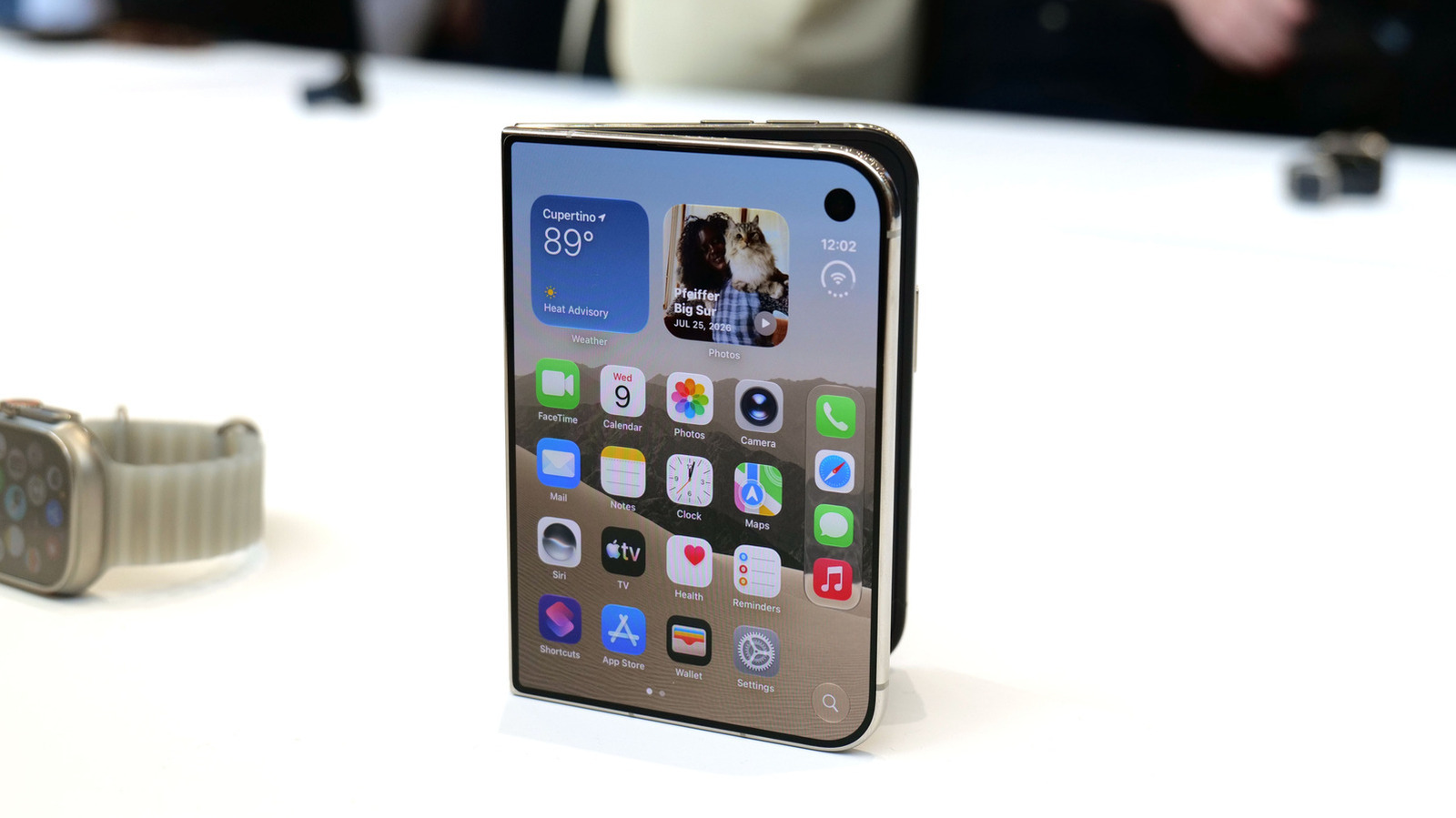
Apple iPhone Duo: A Daring Debut with Notable Compromises
Apple's highly anticipated iPhone Duo, priced at $2,000, has gone on pre-order. While hailed as "Apple's most exciting device in a decade" for its innovative foldable design and immersive display, it comes with significant drawbacks like the absence of FaceID and a premium camera.
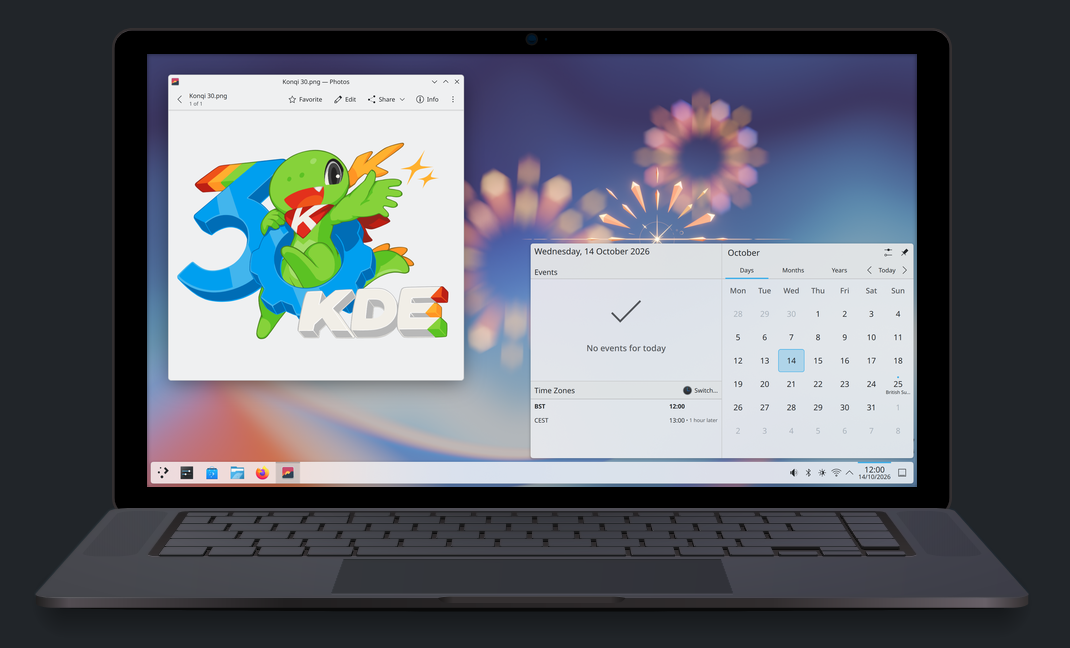
KDE Plasma 6.8: A Future-Focused 30th Anniversary Update
Quick Verdict KDE Plasma 6.8, arriving as the "30th Anniversary Edition," is a pivotal release that decisively pushes the desktop environment into the future. With a definitive farewell to native X11 sessions and a
Galaxy Watch One UI 9 Beta: Promising Progress, But Patience Needed
Galaxy Watch 8, Watch Ultra, and Watch 7 are receiving a new One UI 9 Watch beta build with bug fixes and a security patch. Active development signals progress, but a stable release date remains elusive.