
Brembo Sensify: Electric Brakes - Revolution or Risk
Brembo's Sensify electric braking system promises a revolution, replacing hydraulics entirely by 2026. Offering enhanced stability, smoother stops, and easier maintenance, it raises initial safety concerns about fully electronic control, but is backed by extensive development and regulations. A 'wait and see' verdict for this potentially transformative tech.
Quick Verdict
Brembo's Sensify represents a bold, potentially revolutionary leap in automotive braking technology, completely replacing traditional hydraulics with an all-electric, brake-by-wire system. While the promise of enhanced safety, smoother control, and simplified maintenance is compelling, the initial widespread concern about the reliability of a fully electronic system in such a critical safety function is entirely understandable. It's a 'wait and see' situation, backed by years of development and stringent automotive regulations, but its real-world performance will dictate whether it truly ushers in the end of hydraulic brakes or introduces new unforeseen challenges.
Introduction: Braking into a New Era
Imagine a car without brake fluid. No hydraulic lines, no master cylinder, just wires and sensors controlling each wheel's stopping power. That's the future Brembo is ushering in with its Sensify system, an entirely electric brake-by-wire technology announced for its first production car in 2026. This isn't just an upgrade; it’s a fundamental re-engineering of how cars stop. For many drivers, this announcement sparks a crucial question: is it the biggest car revolution in years, or a serious safety downgrade?
What is Brembo Sensify and How Does It Work?
At its core, Sensify is a fully electronic braking system, a departure from the mechanical and fluid-based systems we've relied on for decades. Brembo explains that Sensify leverages data from multiple sources to deliver precise braking. It considers information from the vehicle itself, the driver's inputs, and environmental factors like road conditions. What's truly innovative is its ability to apply the appropriate braking force to each wheel independently. This granular control is what Brembo claims leads to several significant advantages.
Promised Benefits: Smoother Stops, Easier Ownership
Brembo isn't shy about the advantages Sensify aims to deliver. According to the company, this independent wheel control system provides a greater sense of stability compared to traditional braking. It’s designed to offer a noticeably smoother braking experience, potentially eliminating the jarring stops that can make nervous passengers instinctively reach for a grip handle.
Beyond the driving experience, Sensify promises practical benefits for car ownership. Since it's entirely electric, it eliminates the need for brake fluid, simplifying maintenance routines. Brembo also suggests that the precise, data-driven application of braking force could be easier on your tires, potentially extending their lifespan. While the identity of the first car brand to adopt Sensify remains under wraps, Brembo has previously collaborated with high-profile manufacturers like Tesla, Ferrari, and Maserati, hinting at a strong pedigree and potentially high-performance applications for this technology.
The Elephant in the Room: Is it Safe?
Upon hearing about an all-electric braking system, many, including this reviewer, shared a common initial reaction: "Surely that can't be safe." Our reliance on technology is profound, and while most tech glitches are minor frustrations, an electrical hiccup during a critical braking moment carries potentially catastrophic consequences. This fundamental concern about system reliability is Sensify's biggest hurdle to widespread consumer trust.
However, delving deeper reveals a more nuanced picture. It’s important to remember that modern vehicles, especially hybrid and electric models, already incorporate sophisticated electronic systems. Many drivers of these vehicles frequently rely on regenerative braking, which slows the car by converting kinetic energy back into electricity to recharge the battery. This means that, for daily journeys, traditional hydraulic brakes might not even be engaged as often as one might think.
Furthermore, traditional hydraulic brakes, while time-tested, are not without their imperfections. They consist of parts that wear down over time and can experience reduced effectiveness or even outright failure if not properly maintained. So, while seemingly robust, they also have their vulnerabilities.
The Regulatory Backstop and Development Timeline
Brembo has been developing Sensify for an extended period, first presenting the technology five years ago in 2021 (prior to its 2026 deployment). This long development cycle suggests ample time to identify and address potential kinks. Crucially, the automotive industry is one of the most heavily regulated sectors. Before any manufacturer can deploy such a radical new technology on public roads, they must convince regulators that it meets rigorous safety standards and incorporates necessary fail-safes. This regulatory oversight provides a critical layer of assurance that the system, in theory, is roadworthy and robust enough to handle unexpected situations.
Implications for Autonomous Vehicles
The full potential of Sensify truly comes into focus when considering the rise of autonomous vehicles (AVs). The system's product page FAQ specifically highlights its usefulness in AVs, particularly within fleets where vehicles can share driving data. This ability to precisely control braking, independently at each wheel, and to integrate seamlessly with an AI driver, could be a game-changer for autonomous driving systems. It suggests that the initial customer for Sensify likely has significant ambitions in the autonomous vehicle space, positioning Brembo at the forefront of this evolving sector.
Recommendation: Proceed with Cautious Optimism
Brembo's Sensify is undeniably a bold step forward, promising significant improvements in vehicle safety, control, and maintenance. The transition from a mechanical, fluid-based system to a fully electronic one is monumental, and the initial apprehension is natural. However, considering the extensive development time, the stringent regulatory environment of the automotive industry, and the existing reliance on electronic and regenerative braking in modern cars, there's reason for cautious optimism.
For consumers, the advice is to wait and see. While the theoretical benefits are compelling, real-world performance data will be crucial. Observe how the initial rollout progresses and how it performs under various driving conditions. If Sensify lives up to Brembo's claims and passes the ultimate test of widespread public adoption, 2026 could indeed mark the beginning of the end for hydraulic brakes, heralding a new era of automotive safety and performance.
FAQ
Q: Is an all-electric braking system truly safer than traditional hydraulic brakes?
A: Brembo claims Sensify is safer due to its ability to apply appropriate braking force to each wheel independently, leading to greater stability and a smoother braking experience. While initial concerns about electrical failures are valid, the system has undergone years of development and will be subject to rigorous automotive safety regulations, which should ensure robust fail-safes are in place.
Q: What are the main benefits of Sensify for the average driver?
A: Drivers can expect a smoother, more stable braking experience due to the independent control of each wheel. Additionally, the system is easier to maintain as it requires no brake fluid, and Brembo suggests it could be easier on your tires, potentially extending their lifespan.
Q: When can I expect to see Brembo Sensify in cars I can buy?
A: The first production car featuring Brembo's Sensify system is slated for release in 2026. While the specific car brand is currently undisclosed, Brembo has worked with high-end manufacturers like Tesla, Ferrari, and Maserati, indicating it may appear in vehicles with advanced technological capabilities, potentially including autonomous driving features.
Related articles
Android 17 QPR2 Beta 7.1: The Performance Relief You've Been Waiting
Android 17 QPR2 Beta 7.1: Finally Fixing the QPR1 Performance Woes Verdict: Android 17 QPR2 Beta 7.1 is a crucial and highly anticipated software update for Google Pixel users, specifically targeting and resolving the

DJI Solo Video Setups: Smart Choices for Lone Creators
This review delves into DJI's recommended solo video setups, highlighting the Osmo Pocket 3 Creator Combo as a top pick for its integrated camera, gimbal, and mic. It also covers stabilizers like the Osmo Mobile 8 and RS 4, and the DJI Mic Mini series for enhanced audio, providing honest pros, cons, and clear buying advice.

Ars Technica's Rocket Report: Your Essential Space Industry Briefing
Quick Verdict Ars Technica's Rocket Report, presented by veteran space reporter Stephen Clark, offers an invaluable and meticulously organized weekly (or similar frequency, implied by "Edition 9.15") digest of the most
Apple iPhone Duo: A Daring Debut with Notable Compromises
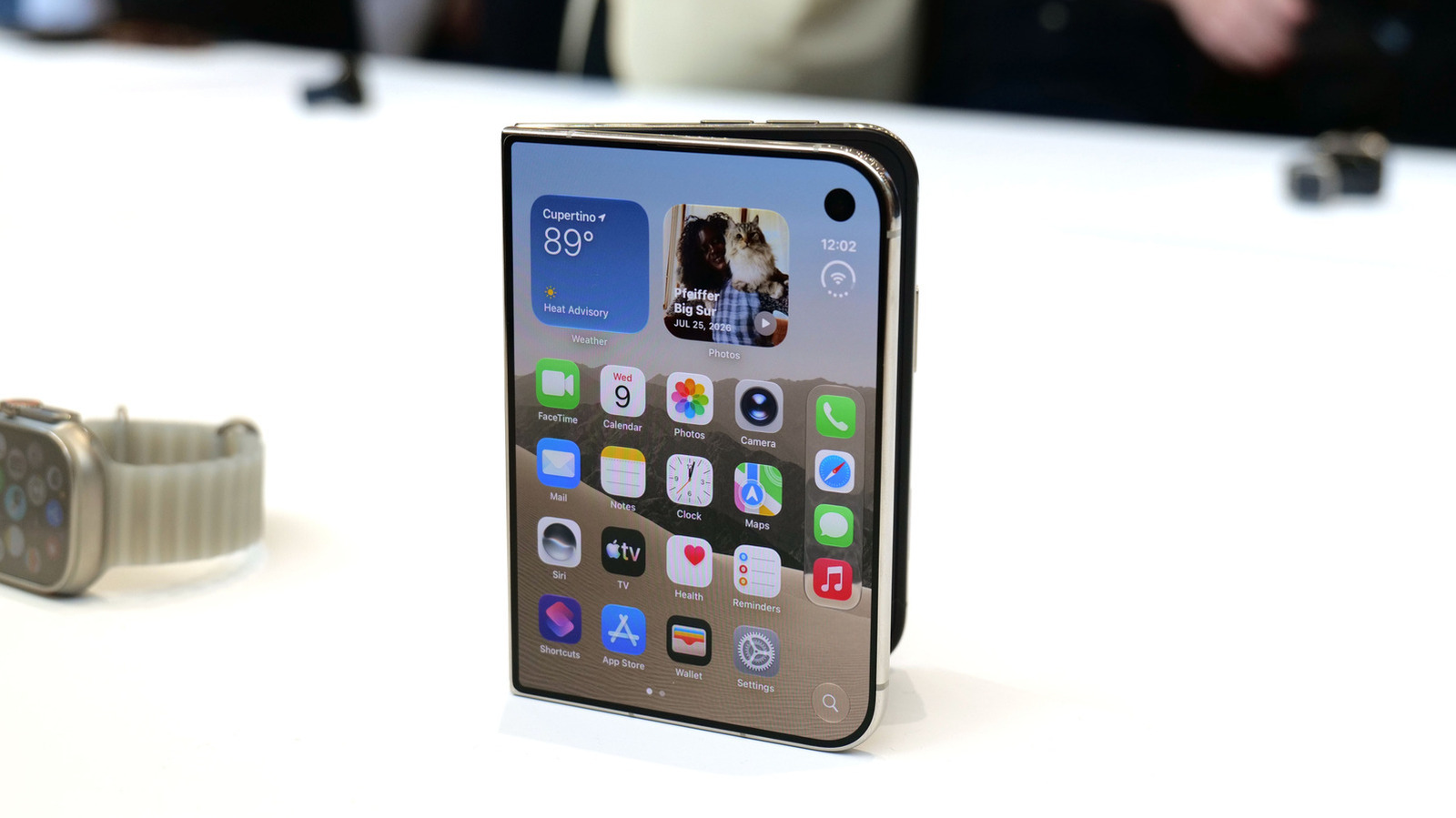
Apple's highly anticipated iPhone Duo, priced at $2,000, has gone on pre-order. While hailed as "Apple's most exciting device in a decade" for its innovative foldable design and immersive display, it comes with significant drawbacks like the absence of FaceID and a premium camera.
Tesla Unveils Thruster-Equipped Roadster, 2028 Production Targeted
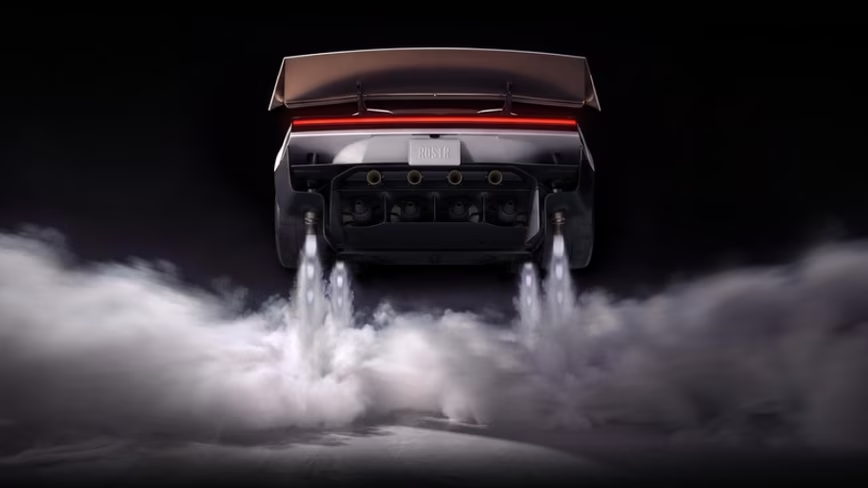
Tesla has unveiled its second-generation Roadster, featuring cold-gas thrusters co-developed with SpaceX, enabling it to jump and flip. The electric sports car demonstrated 0-60mph in an astonishing 0.81 seconds, with production targeted for 2028. This highly anticipated reveal also serves as a key recruitment tool for Tesla's ambitious AI and robotics initiatives.
KDE Plasma 6.8: A Future-Focused 30th Anniversary Update
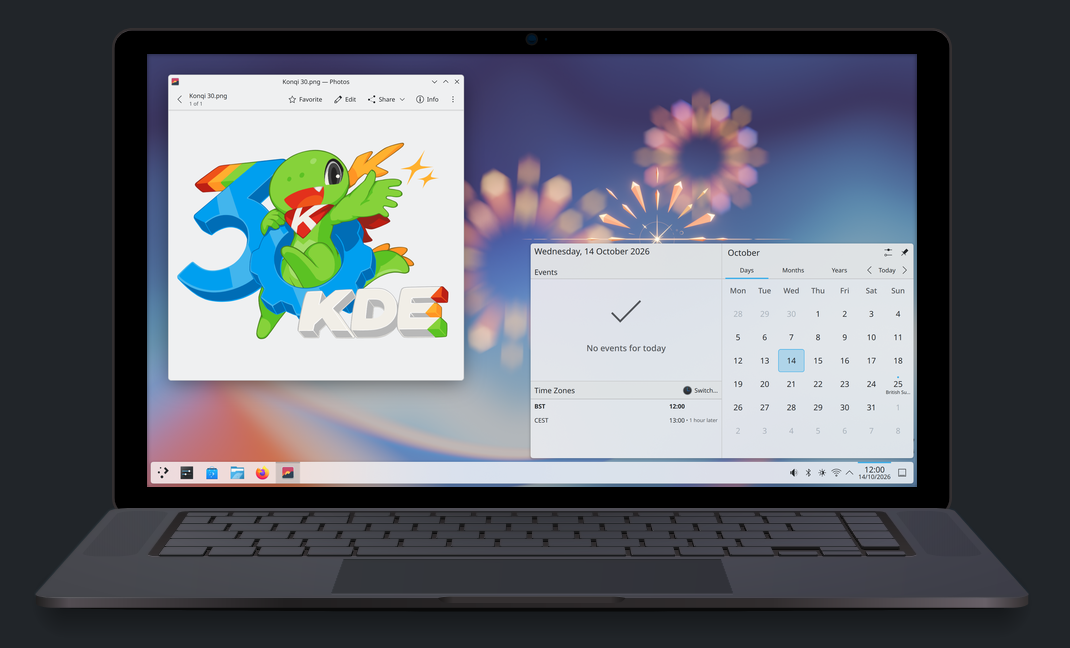
Quick Verdict KDE Plasma 6.8, arriving as the "30th Anniversary Edition," is a pivotal release that decisively pushes the desktop environment into the future. With a definitive farewell to native X11 sessions and a