
Black Ops Remaster Boom: Devs Demand Their Share of Legacy Profits
Classic CoD Remasters Make Bank, But Devs Who Built Them See Zero Remember when Call of Duty: Black Ops and Black Ops 2 hit PlayStation 5 earlier this year? For many of us, it was a sudden, glorious blast from the past.
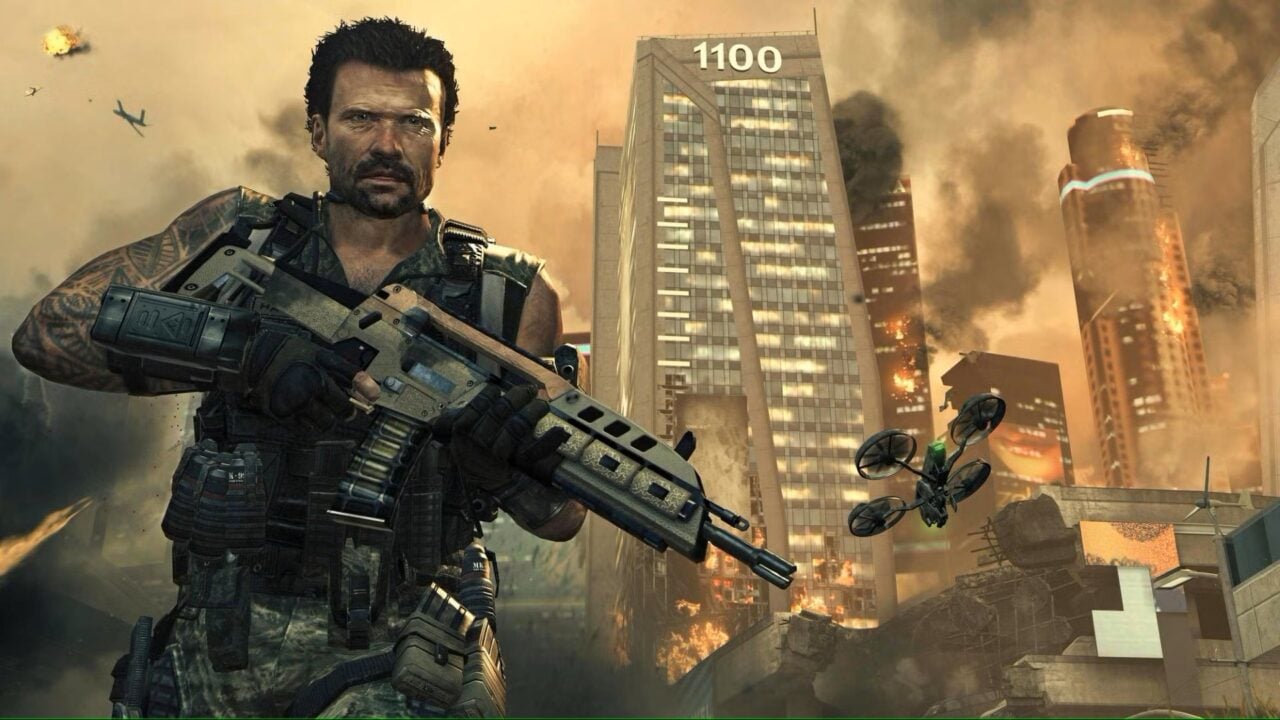
Classic CoD Remasters Make Bank, But Devs Who Built Them See Zero
Remember when Call of Duty: Black Ops and Black Ops 2 hit PlayStation 5 earlier this year? For many of us, it was a sudden, glorious blast from the past. These weren't flashy, ground-up remakes, mind you – just basic digital ports for PS4 and PS5, priced at a cool $40 each, and surprisingly, without any of the original paid DLC. On paper, it sounded like a tough sell, a clear attempt to capitalize on nostalgia. Yet, something incredible happened: these re-releases absolutely exploded. They quickly soared to become some of the most played games of 2026, on track to be top sellers, proving once again the enduring power and appeal of those classic, fast-paced CoD experiences.
But while players were reliving their glory days on Nuketown and Hijacked, and Activision was undoubtedly counting mountains of cash, a poignant reaction came from one of the very people who poured their heart and soul into creating those iconic maps and moments. Gavin Goslin, a veteran level designer and artist who spent 15 years at Treyarch, the studio behind the original Black Ops games, shared his "bittersweet" feelings on LinkedIn, sparking a vital conversation about developer compensation in an industry increasingly reliant on its back catalog.
The Unexpected Resurgence of a Classic
The re-release of Black Ops and Black Ops 2 was, frankly, a phenomenon. Players, perhaps tired of modern CoD's complexities or simply yearning for a bygone era of simpler, tighter gameplay, flocked to these ports. Despite their no-frills nature and a $40 price tag per game for just the base content, both titles almost immediately jumped into the Circana US Top 10 for weekly active users. It was a clear signal that the desire for high-quality, focused gaming experiences, without the constant push for microtransactions and battle passes that define many contemporary titles, is still incredibly strong. Activision and now Microsoft (as the parent company) are "printing money off of work completed over a decade ago," as Goslin rightly pointed out.
A Dev's "Bittersweet" Reflection
For Gavin Goslin, witnessing this massive success was a mixed bag of emotions. He dedicated countless hours, often through brutal crunch periods, alongside a team of talented developers to meticulously craft Black Ops 1 and Black Ops 2. Seeing his work not only endure but thrive, dominating charts years later, is understandably a source of pride. "Seeing our blood, sweat, and tears still dominating the charts in 2026 is amazing," he wrote. However, that pride is tinged with frustration and a profound sense of injustice. Goslin expressed the difficulty of watching "the suits rake in giant financial windfalls from our old code while the actual creators don’t see a dime of it."
The Residuals Gap: Where Gaming Falls Short
Goslin's core grievance highlights a systemic issue within the video game industry: the near-total absence of residuals. Unlike Hollywood, where actors, writers, and crew members often receive ongoing payments when their work is re-aired, streamed, or re-released, game developers typically do not. They are paid for their initial work, often enduring grueling schedules and immense pressure, but once the game ships, their direct financial connection to its ongoing success often ends. This means that while executives at publishing companies can earn massive bonuses tied to the renewed profitability of classic titles, the individuals who coded the engines, designed the levels, created the art, and wrote the stories get nothing extra, even as their decade-old work generates millions.
A Call for Fairer Compensation: Legacy Rewards for Legacy Revenue
This situation, where the original creators are left out of the financial success of their re-released masterpieces, is something Goslin believes needs to change. He advocates strongly for a retroactive sharing of wealth, arguing that "legacy revenue should mean legacy rewards for the devs who survived the crunch to build them." It's a powerful and logical appeal. If a game continues to generate significant profit years down the line, especially with minimal additional investment for a simple port, a portion of that profit should, in fairness, find its way back to the people whose foundational work made that continued revenue possible.
This isn't just about a single developer's frustration; it's a spotlight on a larger ethical debate about intellectual property, worker's rights, and fair compensation in one of the most profitable entertainment industries on the planet. The resurgence of Black Ops isn't just a win for Activision's bottom line; it's a resounding testament to the incredible talent and hard work of its original developers. It's high time the industry found a way to properly acknowledge and reward that enduring value.
FAQ
Q: What exactly are the Black Ops remasters discussed here? A: Earlier in 2026, the original Call of Duty: Black Ops and Black Ops 2 were released as basic digital ports for PlayStation 4 and PlayStation 5. They cost $40 each and did not include any of their original paid downloadable content.
Q: Why did these re-releases become so popular despite being basic ports? A: The article suggests players were nostalgic for CoD's simpler, faster gameplay of the past, and appreciated the tight, high-quality experiences that stood out in today's gaming landscape, which can often feel starved for such focused design without the constant pressure of monetization.
Q: What does "residuals" mean in this context, and why is it an issue for game developers? A: Residuals refer to ongoing payments creators receive when their work (like a movie, TV show, or in this case, a game) continues to generate revenue after its initial release. In the game industry, unlike Hollywood, developers rarely receive these payments. This means when an old game like Black Ops is re-released and makes significant money, the original developers typically don't see any of that profit, even if they put in years of "blood, sweat, and tears" to create it.
Related articles

Final Fantasy Resonance: Conquering Siren, Your First True Test
Final Fantasy: Resonance's first major boss, Siren, can be a real headache with her Charm ability. This guide helps you prepare with key items and elemental strategies to conquer her and gain a powerful new summon.

Enterprise Software Upgrades: A Costly Trap for IT Budgets
A recent survey reveals enterprises are sinking nearly a third of their software budget into unwanted upgrades, migrations, and licensing changes that IT leaders themselves believe will degrade performance and reliability. This review unpacks the "Software Tax" and its staggering implications.

FFXIV's Keybound Brawler: Already Ruffling Feathers Before Release
Final Fantasy XIV's upcoming Keybound Brawler typing minigame, part of an FFVII crossover, is already drawing player ire. Concerns stem from its mandatory keyboard requirement for console players and the gender-locked nature of its highly anticipated Barret and Tifa costume rewards.
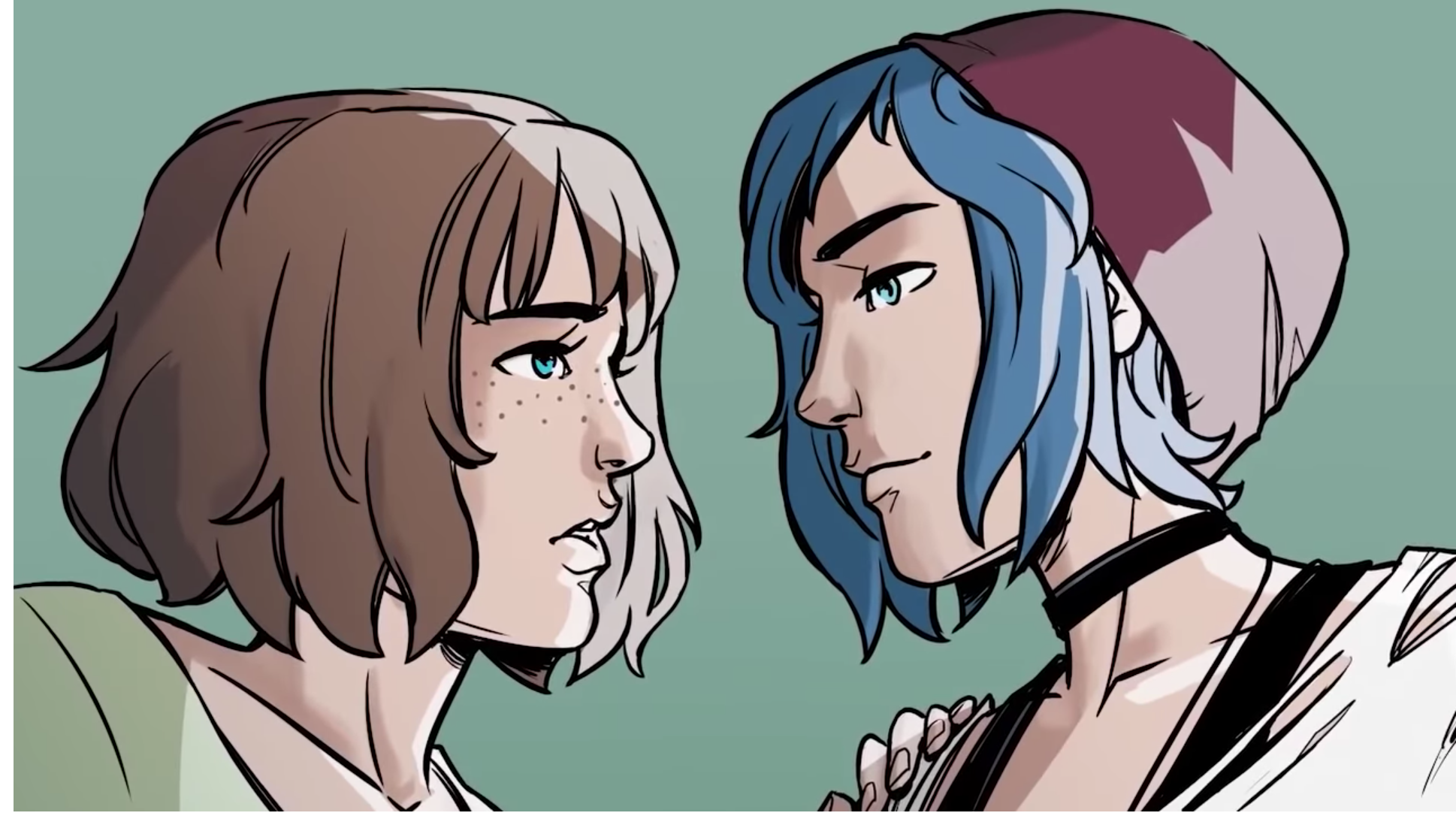
Life Is Strange Creator's High Praise for Amazon TV Show: A Hella
Michel Koch, co-creator of the original Life is Strange game, has given his strong approval for the upcoming Amazon Prime TV adaptation after visiting the set. He praised the cast, including Tatum Grace Hopkins (Max) and Maisy Stella (Chloe), calling the experience a career highlight. Despite Don't Nod's lack of official involvement, the set visit signals respect for the game's origins, building fan anticipation for the series.

Anthropic Pitches AI Safety Bill: Blocking Models at 50+ Deaths
Anthropic has pitched a draft AI safety bill to Congress that would allow blocking an AI model's release if it poses a "catastrophic risk" – defined as potentially causing over 50 deaths or $1 billion in damages through specific threats. The controversial proposal mandates that federal agencies seek judicial approval to halt a model's distribution, limiting their independent authority. This move comes amid ongoing debates over AI regulation and concerns about agentic hacking.
Xbox Game Pass Poised for Massive Overhaul: Farewell, All-You-Can-Eat
Well, gamers, if you thought Xbox Game Pass had settled into its groove, think again. Reports are swirling that Microsoft is preparing for a significant shake-up of its flagship subscription service, moving away from