
Ars Technica Article: Medieval Comet Mystery - An Engaging Historical
Verdict: A Captivating Look into Medieval Science and Legend Ars Technica's piece, "Did a medieval flying monk spot Halley’s comet, twice? It’s complicated," delivers a fascinating exploration of a niche historical
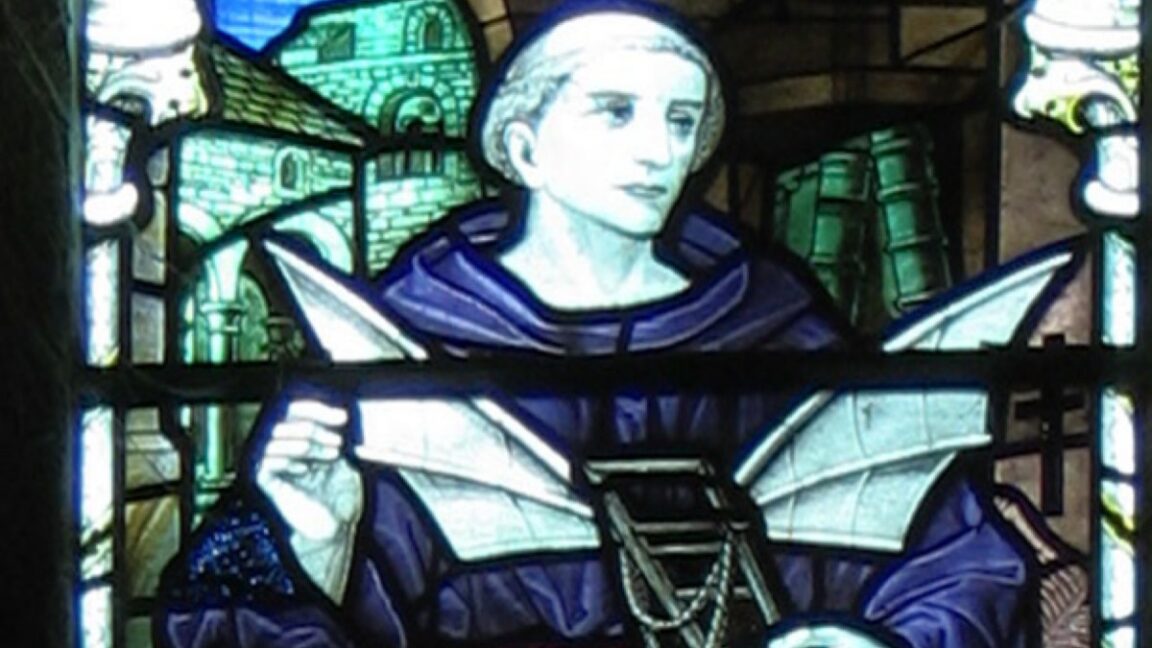
Verdict: A Captivating Look into Medieval Science and Legend
Ars Technica's piece, "Did a medieval flying monk spot Halley’s comet, twice? It’s complicated," delivers a fascinating exploration of a niche historical enigma. Penned by Senior Writer Jennifer Ouellette, the article expertly navigates the intriguing tale of Eilmer of Malmesbury, a Benedictine monk credited with an early, albeit painful, attempt at flight and a puzzling observation of Halley's Comet. While not a conventional 'product,' this article serves as a prime example of quality science journalism, offering a well-researched and engaging read for anyone interested in the intersections of history, astronomy, and legend. It’s a compelling narrative that effectively presents historical debate without bogging the reader down in excessive academic jargon.
Core Subject Matter: Unpacking Eilmer's Legacy
At its heart, the article delves into two significant claims attributed to Eilmer of Malmesbury: his daring flight and his possible repeated sighting of Halley's Comet. The narrative begins by setting the scene: an 11th-century monk leaping from a 150-foot abbey tower with rudimentary wings, managing a 600-foot glide before a crash that broke his legs. This remarkable story is attributed to the 12th-century historian William of Malmesbury. The article then introduces Eilmer's reported sighting of Halley's Comet in 1066, accompanied by the intriguing quote, “It is long since I saw you.”
This quote forms the crux of the historical debate, prompting two main interpretations:
- Early Halley's Sighting: The traditional view suggests Eilmer also observed Halley's Comet in 989 as a young boy, implying a sophisticated understanding of its periodicity centuries before Edmund Halley. This places his birth around 984, making him over 80 in 1066, and his flight between 1000 and 1010.
- A Different Comet: A more recent interpretation, proposed by James Aitcheson of the University of Leicester, argues Eilmer likely saw a different comet in 1018. This alternative theory suggests Eilmer may have merely assumed the 1018 comet was the same as the 1066 Halley's Comet. Under this scenario, Eilmer would have been born later, in the early 1010s, making him over 50 in 1066 – still consistent with William of Malmesbury's description of him being "advanced in years." This perspective also challenges the notion that Eilmer understood the comet's periodic nature.
Ouellette effectively lays out these differing academic stances, highlighting Aitcheson's point that early medieval sky-watchers may not have been able to differentiate between comets, and that historical records don't explicitly portray Eilmer as an amateur astronomer. A later birth date for Eilmer also opens the possibility that William of Malmesbury met Eilmer in person, directly receiving the account of his aviation exploits.
Design & User Experience
The article itself, as presented on Ars Technica, offers a clean and navigable user experience. The initial cookie consent pop-up is a standard but sometimes intrusive part of web browsing today, though it offers clear options for managing preferences. Once past this, the page design is uncluttered, allowing the story text to take center stage.
Jennifer Ouellette's writing style is a significant strength, balancing academic detail with accessible language. The narrative flows smoothly, engaging the reader from the legendary opening of Eilmer's flight to the nuanced historical debate about his comet sightings. The inclusion of a stained-glass window image of Eilmer at Malmesbury Abbey adds a visual anchor to the historical account, enhancing reader immersion. The article's length is appropriate for the complexity of the topic, providing sufficient detail without overstaying its welcome. Internal links to Wikipedia for Eilmer and William of Malmesbury, and to the academic paper by Aitcheson, provide valuable context and avenues for deeper exploration, indicating thorough research and a commitment to source transparency.
Pros
- Engaging Storytelling: The article transforms a complex historical debate into a captivating narrative, making it accessible to a broad audience.
- Clear Presentation of Argument: It clearly outlines the two primary interpretations of Eilmer’s comet sighting, along with the evidence and reasoning behind each.
- Credible Source and Author: Ars Technica is a respected platform for science and technology journalism, and Jennifer Ouellette's expertise in connecting science with culture shines through.
- Historical Context: Provides just enough background on medieval England and the nature of historical record-keeping to contextualize the debate.
- Visual Aid: The image of Eilmer's stained-glass window adds an authentic historical touch.
- Well-Cited: References to the original historian (William of Malmesbury) and the contemporary scholar (James Aitcheson) lend credibility.
Cons
- Initial Friction: The extensive cookie consent management platform, while necessary for privacy compliance, adds an initial barrier before accessing the content.
- Limited Resolution: As the title suggests, the article concludes that the matter is "complicated," which, while honest, leaves the reader with an open question. This isn't a flaw in reporting but highlights the inherent ambiguity of historical interpretation.
Reading Recommendation
For anyone with an interest in medieval history, early aviation, astronomy, or simply a well-told story of scientific and historical mystery, this Ars Technica article is a highly recommended read. It serves as an excellent example of how science journalism can make academic discussions both informative and entertaining. It's particularly appealing to those who appreciate nuanced historical interpretation rather than definitive answers. You won't find a final verdict on Eilmer's comet observations, but you will gain a deeper understanding of why the question remains debated, and the fascinating lives of figures from centuries past. If you value insightful reporting that bridges the gap between scholarly research and general readership, this piece is well worth your time.
FAQ
Q: What is the main historical debate presented in the article?
A: The main debate revolves around whether Eilmer of Malmesbury saw Halley's Comet twice (in 989 and 1066), implying he understood its periodicity, or if his earlier sighting was of a different comet in 1018, which he merely assumed to be the same as Halley's Comet in 1066.
Q: Who is the primary source for Eilmer's story?
A: The primary historical source for Eilmer's story, including his flight and comet observations, is the 12th-century historian William of Malmesbury.
Q: Does the article conclude with a definitive answer to whether Eilmer saw Halley's Comet twice?
A: No, the article concludes that the matter is "complicated." It presents both the traditional interpretation and a more recent academic argument, explaining the reasoning and evidence for each, but does not offer a definitive resolution to the historical question.
Related articles
Android 17 QPR2 Beta 7.1: The Performance Relief You've Been Waiting
Android 17 QPR2 Beta 7.1: Finally Fixing the QPR1 Performance Woes Verdict: Android 17 QPR2 Beta 7.1 is a crucial and highly anticipated software update for Google Pixel users, specifically targeting and resolving the

DJI Solo Video Setups: Smart Choices for Lone Creators
This review delves into DJI's recommended solo video setups, highlighting the Osmo Pocket 3 Creator Combo as a top pick for its integrated camera, gimbal, and mic. It also covers stabilizers like the Osmo Mobile 8 and RS 4, and the DJI Mic Mini series for enhanced audio, providing honest pros, cons, and clear buying advice.
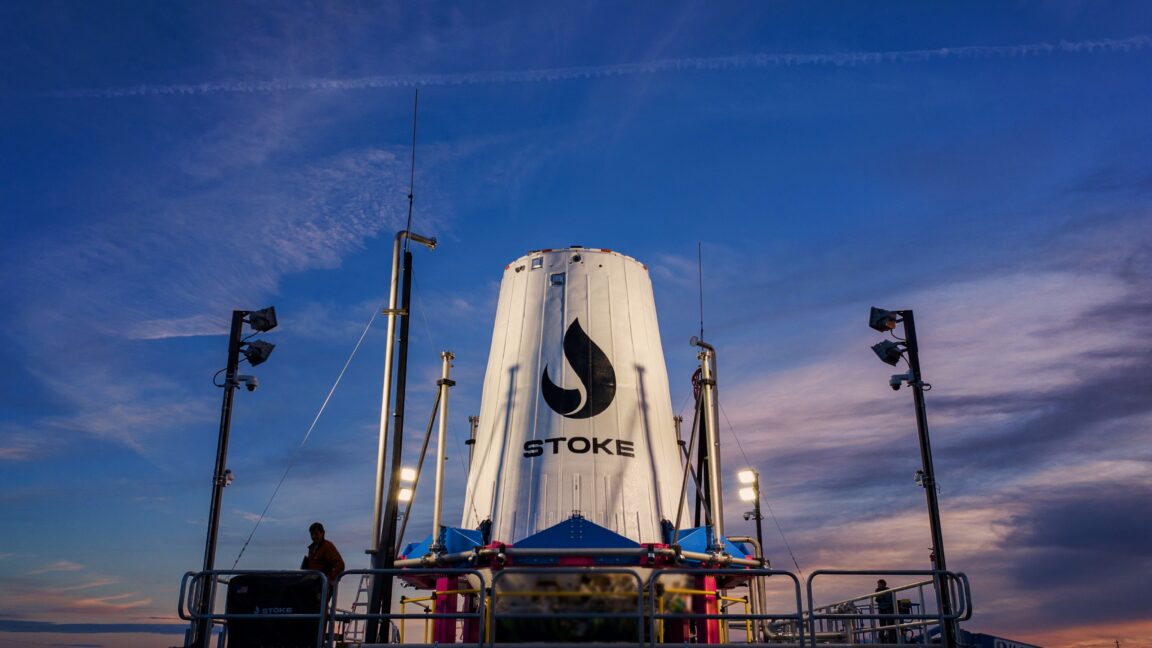
Ars Technica's Rocket Report: Your Essential Space Industry Briefing
Quick Verdict Ars Technica's Rocket Report, presented by veteran space reporter Stephen Clark, offers an invaluable and meticulously organized weekly (or similar frequency, implied by "Edition 9.15") digest of the most
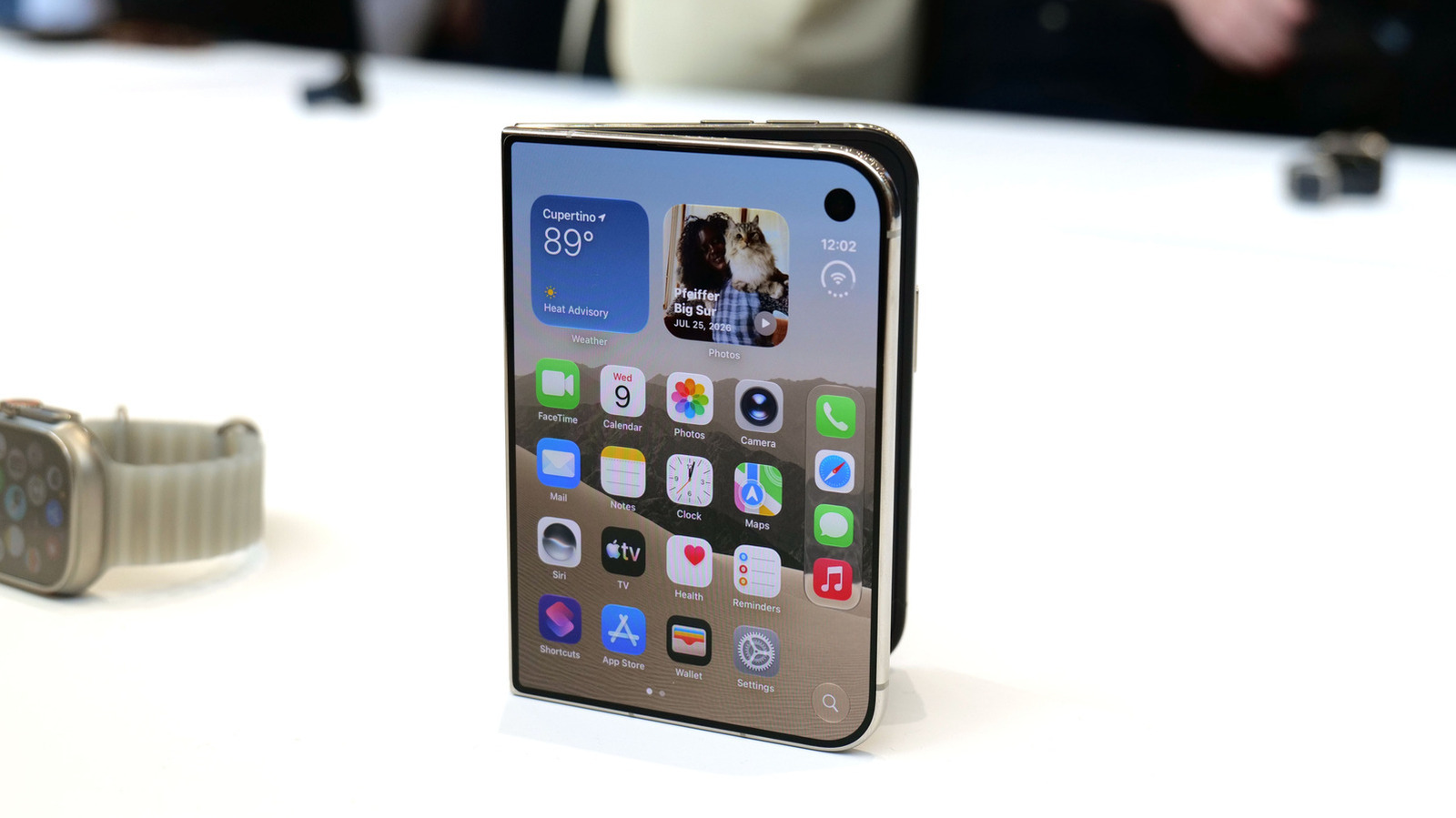
Apple iPhone Duo: A Daring Debut with Notable Compromises
Apple's highly anticipated iPhone Duo, priced at $2,000, has gone on pre-order. While hailed as "Apple's most exciting device in a decade" for its innovative foldable design and immersive display, it comes with significant drawbacks like the absence of FaceID and a premium camera.
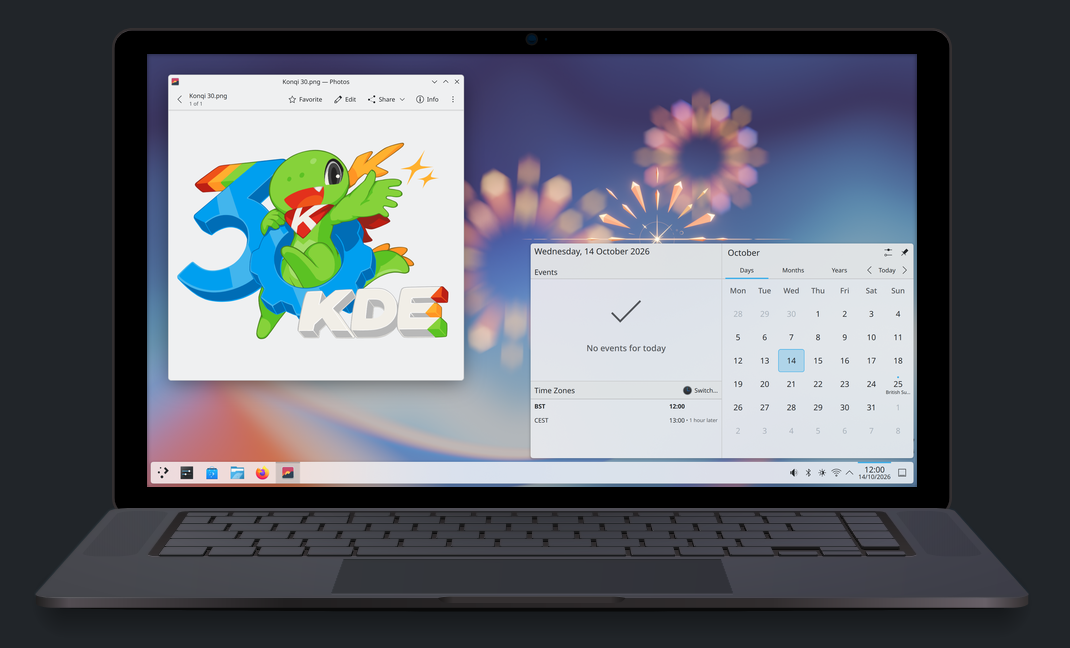
KDE Plasma 6.8: A Future-Focused 30th Anniversary Update
Quick Verdict KDE Plasma 6.8, arriving as the "30th Anniversary Edition," is a pivotal release that decisively pushes the desktop environment into the future. With a definitive farewell to native X11 sessions and a
Galaxy Watch One UI 9 Beta: Promising Progress, But Patience Needed
Galaxy Watch 8, Watch Ultra, and Watch 7 are receiving a new One UI 9 Watch beta build with bug fixes and a security patch. Active development signals progress, but a stable release date remains elusive.