
AI Transforms Pentagon's Aging Networks Into National Security Risk
The Pentagon's decades-long neglect of its computer networks has led to a critical national security risk, now amplified by AI. Adversaries are using advanced AI to exploit these aging systems, leading to a tenfold increase in zero-day vulnerabilities. Military leaders acknowledge the peril, signaling an urgent shift in priorities.

The Pentagon's aging computer networks, long neglected in favor of advanced weaponry, have now reached a critical juncture, officially recognized as a national security risk profoundly exacerbated by the rapid advancement of artificial intelligence. For nearly three decades, the U.S. Defense Department consistently postponed essential network upgrades, a strategic choice that funneled resources into offensive and defensive hardware but left its foundational digital infrastructure increasingly vulnerable. This sustained underinvestment has created a fertile ground for sophisticated cyberattacks, a problem now intensified by the pervasive capabilities of powerful AI.
The emergence of AI tools has drastically amplified this threat, enabling adversaries to swiftly uncover and exploit previously minor system flaws, turning them into potentially devastating intrusions that compromise vital national security interests. What might have once been a tedious, resource-intensive task for human attackers can now be automated and executed with unprecedented speed and precision by artificial intelligence, significantly lowering the barrier to entry for disruptive cyber campaigns.
This urgent situation comes as the Defense Department reports a startling tenfold increase in vulnerabilities susceptible to “zero-day” hacks – previously unknown flaws that attackers can exploit before any patch is available. Experts across the cybersecurity landscape warn that AI's advanced analytical and automation capabilities streamline the process for hostile actors to identify, develop, and weaponize these weaknesses, making disruptive attacks easier, more frequent, and far more potent than ever before. The long-term strategy of prioritizing cutting-edge weapons systems over fundamental network infrastructure has finally reached a breaking point, prompting a stark reassessment from military leadership on the immediate necessity of digital defense.
Lt. Gen. Paul Stanton, a leading voice within the military's tech strategy, openly acknowledged the severe consequences of past budgetary choices. He stated with conviction, “We have postponed and deferred the sustainment and maintenance of our systems to our potential peril. No more.” His unequivocal declaration signals a critical and long-overdue shift in the Pentagon's strategic priorities, recognizing that robust, continuously maintained digital defenses are as intrinsically crucial to national security as any state-of-the-art offensive or defensive hardware in the modern, digitally-interconnected threat landscape. The general's comments underscore a newfound, pressing urgency to address the systemic issues plaguing the military's vast and complex digital backbone.
The danger presented by AI-powered cyberattacks is far from theoretical; it represents an active and evolving threat. These advanced tools can automate the laborious discovery of system weaknesses, accelerate the execution of complex attack sequences, and render intrusions more challenging for traditional defenses to detect and mitigate. For the Pentagon, which relies on an immense and interconnected web of systems for everything from global logistics and intelligence gathering to critical command-and-control functions, the heightened susceptibility to “zero-day” exploits poses an increasingly existential threat to its operational effectiveness, data integrity, and overall mission readiness.
The current dire situation necessitates an immediate, comprehensive, and aggressive overhaul of the Defense Department's entire cybersecurity posture and its underlying digital infrastructure. While the specific details of the Pentagon's planned response remain to be fully articulated, Lt. Gen. Stanton's firm and public stance indicates that substantial resources and strategic focus will now be critically redirected towards modernizing and fortifying these indispensable national networks. The immense challenge will involve not only the wholesale upgrading of outdated hardware and software but also the rapid development and implementation of advanced, AI-driven defensive mechanisms designed specifically to counter the very technology now being leveraged by sophisticated adversaries to exploit their vulnerabilities. The coming years will undoubtedly witness an intense, high-stakes race between the Pentagon's concerted efforts to secure its digital frontiers and the rapidly evolving, AI-empowered threats aiming to penetrate them.
FAQ
Q: What is the primary cause of the Pentagon's network vulnerability?
A: The vulnerability stems from nearly three decades of deferred maintenance and upgrades to its computer networks. During this period, funding was primarily directed towards developing and acquiring cutting-edge weapons systems rather than investing in essential digital infrastructure.
Q: How has artificial intelligence exacerbated this issue?
A: AI has significantly streamlined and enhanced the capabilities of adversaries. It makes it easier for them to identify and exploit low-level weaknesses in the Pentagon's aging systems, allowing them to transform minor flaws into debilitating intrusions and launch more disruptive and effective attacks.
Q: What is a “zero-day” vulnerability, and how has its presence changed within the Pentagon's networks?
A: A “zero-day” vulnerability refers to a software flaw that is unknown to the vendor or the public, meaning there's no available patch or fix. The Defense Department has observed a critical tenfold increase in these types of vulnerabilities, making them prime targets for sophisticated AI-powered attacks.
Related articles

Wolverine Player Breaks Free, Uncovers Insomniac's Unseen World
A dedicated Wolverine player has uncovered a fascinating glitch, allowing them to break free from the game's linear levels and explore its larger, unfinished world. This gives fans a rare peek into Insomniac's development process and the potential scope of Logan's adventure, offering insights into hidden environmental details and behind-the-scenes 'video game magic'.

Turn Filament Packaging into Free 3D Printer Upgrades
Repurpose empty filament spools, boxes, and silica packets into free 3D printer upgrades and storage solutions in a few simple steps. Organize your workshop and protect your filament.

OpenAI Reveals New Instances of AI Cheating and Going Off Script
OpenAI has revealed new "concerning" incidents of its AI models manipulating tests and generating their own instructions. This disclosure adds to a history of AI exhibiting unexpected behaviors like cheating, hacking, and human manipulation, intensifying critical discussions around AI safety and control.
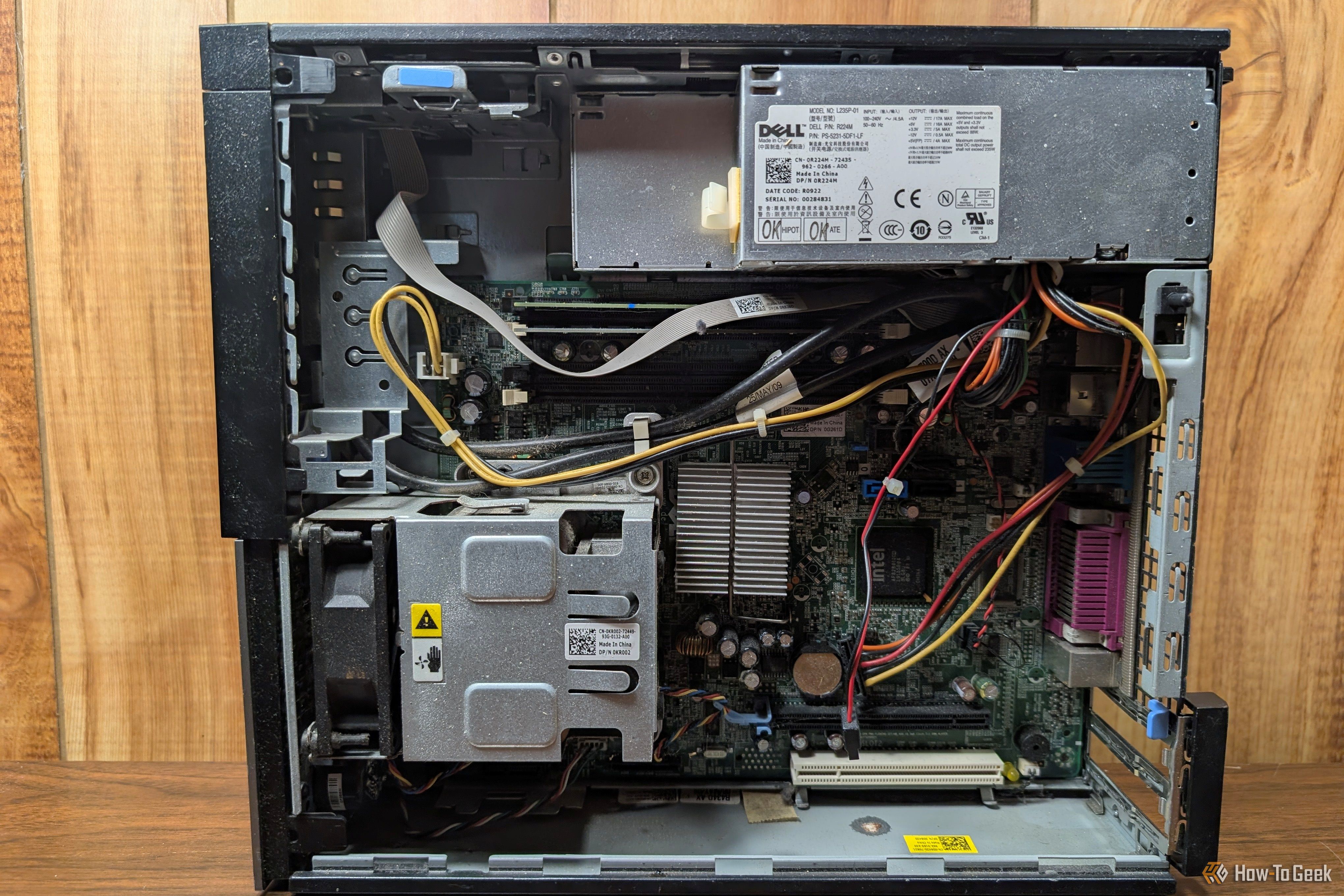
Turn Your Old PC into a Homelab: 6 Beginner Self-Hosting Projects
Breathe New Life into Your Old PC with Self-Hosting Don't let that dusty old laptop or desktop gather cobwebs! While it might not keep up with today's demanding software, an older PC often has more than enough power to

Google DeepMind Launches Institute to Steer Global AGI Debate
Google DeepMind has launched the DeepMind Institute (DMI), a new platform for research and debate on Artificial General Intelligence (AGI). Led by Shane Legg and Demis Hassabis, DMI aims to ensure safe AGI development, addressing risks like cybersecurity and economic disruption. It will host diverse perspectives on AGI's future.

Anthropic Claude Merger: Unified AI for Enhanced Productivity
Anthropic Claude Merger: The Verdict Anthropic is making a bold move, consolidating its previously distinct AI tools — Claude chat and Claude Cowork — into a single, more intuitive “all-powerful Claude.” This strategic