
Achieve Unbreakable 3D Prints: Understanding the New Computational
Learn how a new computational model will revolutionize FFF 3D printing by solving weak interlayer bonding, leading to significantly stronger, more reliable parts with automated optimization.
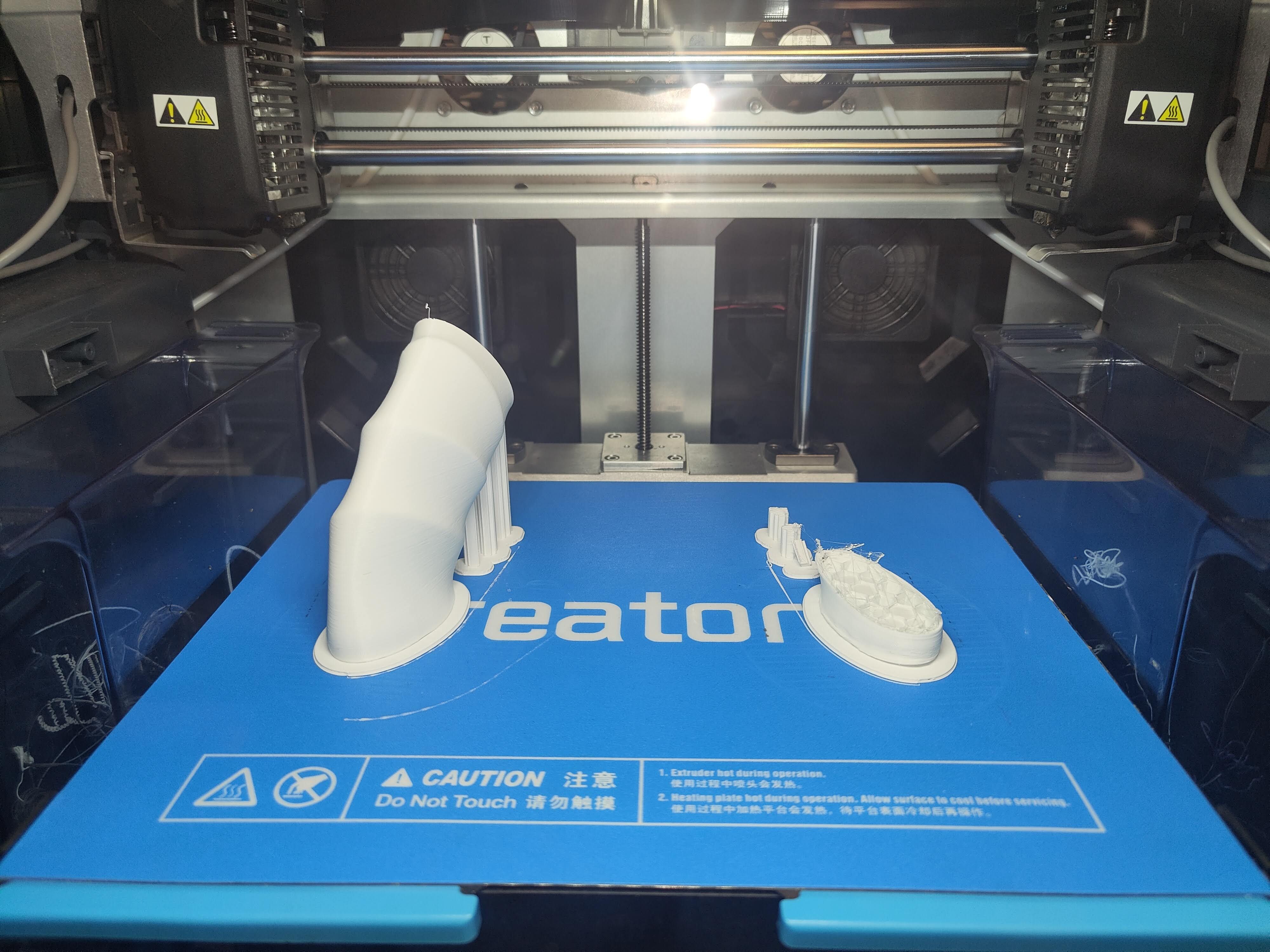
Revolutionize Your 3D Printing: Master Stronger Layer Bonds
Every 3D printing enthusiast, from hobbyist to professional engineer, faces a common challenge: the inherent weakness at the junctions where layers meet. These interlayer bonds are often the first point of failure, leading to frustrating cracks and splits in otherwise perfect prints. But what if you could eliminate this structural vulnerability?
Engineers have developed a groundbreaking computational model that directly addresses this problem. This guide will help you understand this innovative solution, detailing how it works, what makes it so effective, and how it's set to transform the world of Fused Filament Fabrication (FFF) 3D printing. By the end, you'll grasp the principles behind achieving significantly stronger, more reliable 3D prints, saving you valuable time and material previously lost to trial and error.
Prerequisites
To get the most out of this guide, a basic understanding of FFF 3D printing principles is helpful. Familiarity with common slicer settings, such as extrusion temperature and print speed, will also enhance your comprehension of the model's impact.
Your Step-by-Step Guide to Understanding Enhanced 3D Print Bonding
Step 1: Identify the Root Cause: Weak Interlayer Bonding
In standard FFF 3D printing, objects are constructed by depositing successive thin layers of melted plastic. While this layer-by-layer approach offers incredible design flexibility, it creates distinct interfaces between each layer. These interfaces are structurally weaker than the solid plastic within a single layer. When a printed part is subjected to stress, these layer boundaries are typically where cracks originate or where the part ultimately separates. This fundamental weakness has historically limited the reliability and application of 3D-printed components, particularly for functional or load-bearing parts.
Step 2: Discover the Computational Model's Innovative Solution
A team of researchers, including Berkcan Kapusuzoglu, Matthew Sato, Sankaran Mahadevan, and Paul Witherell, has introduced a new computational model aimed at solving this critical bonding issue. Their work, supported by extensive computational studies and validated with real-world desktop-printer experiments, focuses on predicting the optimal conditions necessary to enhance the bond between layers. The model provides a scientific basis for ensuring the melted plastic from one layer effectively mixes and fuses with the next, creating a much stronger connection.
Step 3: Understand the Model's Key Predictive Factors
The core of this computational model lies in its ability to analyze and predict critical printing parameters. It takes into account several key factors that influence how well layers bond: the cooling rate of the freshly printed plastic, the ambient temperature of the printing environment, and the speed at which the printer's nozzle moves. By meticulously crunching these numbers, the model can determine precise recommendations for print speed and extrusion temperatures across different sections of a print. This tailored approach ensures that each layer adheres to its predecessor with maximum possible strength, moving beyond generic settings to intelligent, localized optimization.
Step 4: Envision Seamless Integration with Slicing Software
One of the most exciting aspects of this research is its potential for widespread adoption. The mathematical algorithms behind this model can be directly incorporated into Computer-Aided Manufacturing (CAM) slicing programs. Imagine a future where your slicer software automatically adjusts print speeds and extrusion temperatures for specific areas of your design, based on the part's unique local geometry. This automation would eliminate much of the guesswork and manual adjustment currently required to achieve strong prints, making reliable 3D printing accessible to a broader audience, from hobbyists seeking perfect prototypes to students conducting precise experiments.
Step 5: Anticipate Dynamic Real-Time Industrial Control
For advanced and industrial FFF systems, the model offers even more sophisticated possibilities. These high-end machines could combine the predictive algorithms with real-time feedback from infrared thermal sensors. This setup would allow print settings to be dynamically adjusted during the printing process. If a sensor detects an area cooling too quickly or not fusing optimally, the system could instantly compensate by altering speed or temperature. This level of dynamic control is particularly crucial for printing engineering-grade polymers like ABS, polycarbonate, and nylon, ensuring consistent structural integrity for end-use manufacturing components where reliability is paramount.
Step 6: Prepare for the Future of Structurally Sound 3D Printing
While widespread integration of this comprehensive computational modeling into mainstream slicers is still ongoing, the research provides a robust foundation. Some commercial FFF systems are already beginning to implement basic thermal monitoring, and open-source projects are exploring limited thermal adjustment plugins. This new model signifies a major leap towards more predictable and structurally sound 3D printing at all hardware levels. By understanding these principles now, you'll be well-prepared to leverage these advancements as they become more broadly available, leading to stronger, production-ready parts and less wasted material.
Troubleshooting Current Layer Adhesion Issues
While the new model promises automated solutions, current 3D printing still benefits from careful attention to settings. If you're encountering layer separation today, consider these traditional troubleshooting steps:
- Optimize Print Temperature: Ensure your extrusion temperature is within the recommended range for your filament, potentially increasing it slightly to promote better flow and adhesion.
- Adjust Print Speed: Printing too fast can prevent layers from properly fusing. Try reducing your print speed, especially for the initial layers and complex geometries.
- Control Cooling: While cooling is essential, excessive cooling can prevent layers from bonding. Ensure fan speeds are appropriate, especially for the initial layers where adhesion is critical.
- Maintain a Warm Environment: For materials prone to warping (like ABS or Nylon), using an enclosure can help maintain a more stable ambient temperature, which aids interlayer bonding.
- Ensure Proper Bed Adhesion: Good first-layer adhesion is fundamental. Level your print bed carefully and use appropriate adhesives or surface treatments.
Best Practices for Future-Ready 3D Printing
- Stay Informed: Keep an eye on updates from your slicer software developers and 3D printer manufacturers regarding new features or plugins that incorporate advanced thermal management or computational modeling.
- Experiment with Materials: Understand the specific thermal properties and bonding characteristics of different filaments you use. This knowledge will make you more adept at identifying optimal settings, even before automated systems are fully integrated.
- Test and Validate: Even with advanced models, always validate your print settings and structural integrity through small test prints or stress tests, especially for critical components.
FAQ
Q: Is this computational model something I can download and use with my current 3D printer today?
A: While the research is a significant breakthrough, widespread integration of this comprehensive computational model into mainstream slicer software for all printers is still in progress. Some advanced commercial systems may employ similar underlying principles, but a universally available, plug-and-play solution based directly on this model is not yet available for most users.
Q: How will this new model save me time and material?
A: By precisely predicting the optimal print temperatures and speeds for strong interlayer bonding, the model significantly reduces the need for manual trial-and-error. This means fewer failed prints due to layer separation, less wasted filament, and quicker iteration from design to reliable final product. You'll get dependable results right away.
Q: Can this model be applied to all types of 3D printing materials?
A: The principles of optimizing interlayer bonding are broadly applicable to FFF 3D printing plastics. The source content specifically highlights its utility with engineering-grade polymers such as ABS, polycarbonate, and nylon, ensuring consistent structural integrity for these demanding materials.
Next Steps
As this technology continues to evolve, monitor news from leading 3D printing software and hardware companies. Look for announcements about new slicer features that offer dynamic temperature or speed control based on print geometry or real-time sensor data. Engaging with online 3D printing communities can also keep you updated on early adoptions or open-source developments related to enhanced layer bonding. The future of stronger, more reliable 3D prints is just around the corner, and understanding these advancements now positions you to be at the forefront.
Related articles
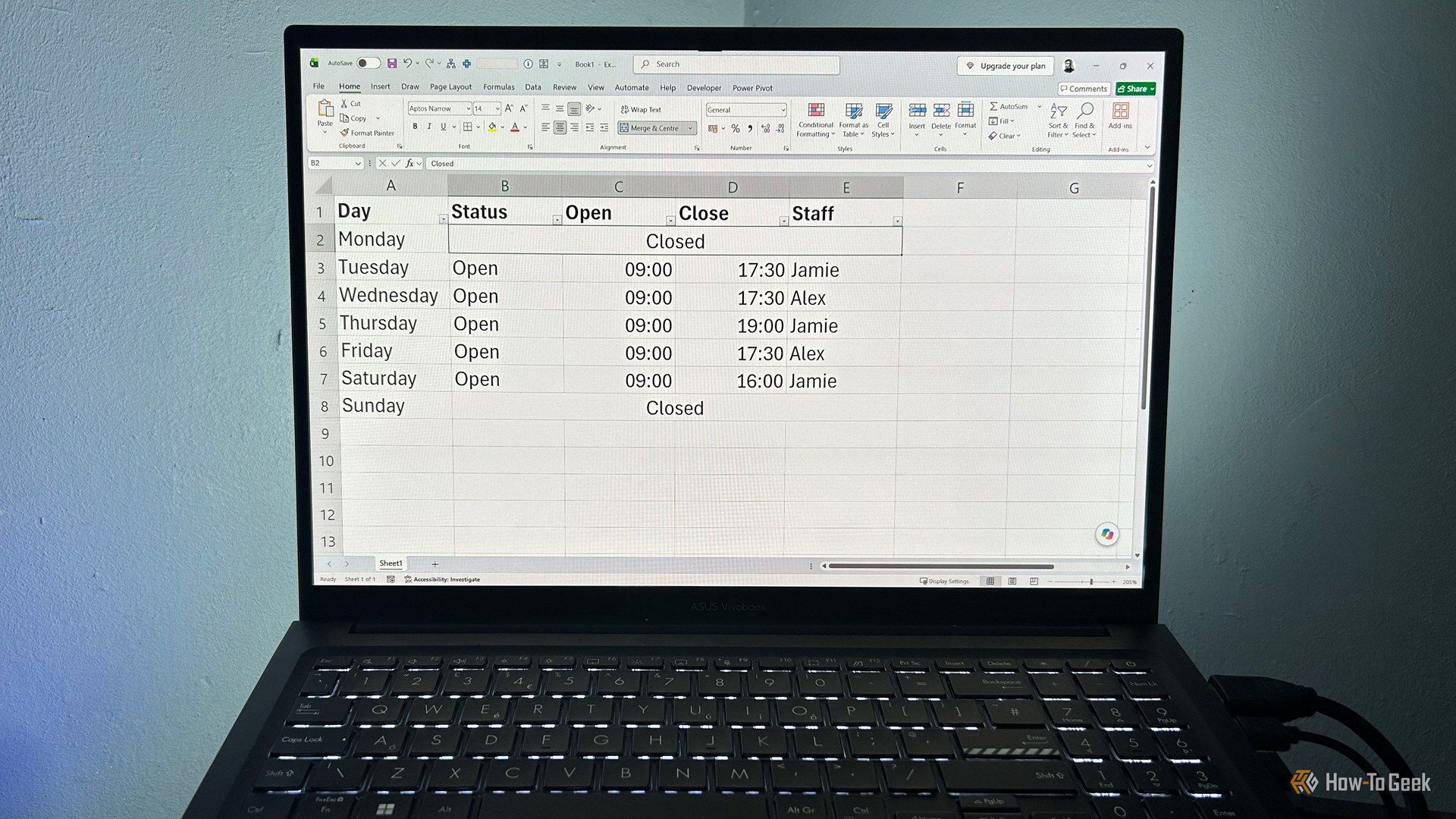
Ditch Merge & Center: The Better Way to Align Text in Excel
Learn to use Excel's "Center Across Selection" to align text across cells without merging, avoiding common data manipulation issues. This guide provides steps to utilize this newly accessible feature and add it to your Quick Access Toolbar.

Stop Android Auto Battery Drain: Essential Features to Disable and
Android Auto offers unparalleled convenience, bringing your phone's most useful features directly to your car's display. From navigation and calls to messages and music, it keeps you connected without distracting you

Turn Your Android Phone into a Powerful Desktop Replacement
Learn how to transform your Android phone into a full-fledged desktop computer using external displays and accessories, providing a cost-effective and integrated alternative to new Googlebooks.

howto: Four Ways the Fitbit Edge Is Better Than the Charge 6, and Two
Learn the key differences between the Fitbit Edge and Charge 6, including four advantages of the Edge and two areas where it falls short, to help you choose the best fitness tracker for your needs.

How to Connect Your Googlebook to a Printer - Print Documents with
Learn to quickly connect your Googlebook to a printer via Wi-Fi, USB, or Bluetooth and print documents in minutes. This guide covers direct printing, app-specific connections, troubleshooting, and even printing screenshots as a workaround.

How to Debloat Windows 11 for a Faster, Cleaner PC
Learn to reclaim your Windows 11 PC's performance by removing bloatware, disabling ads, and optimizing startup processes in five easy steps.