
3D TVs: An Honest Look at a Faded Home Theater Fad
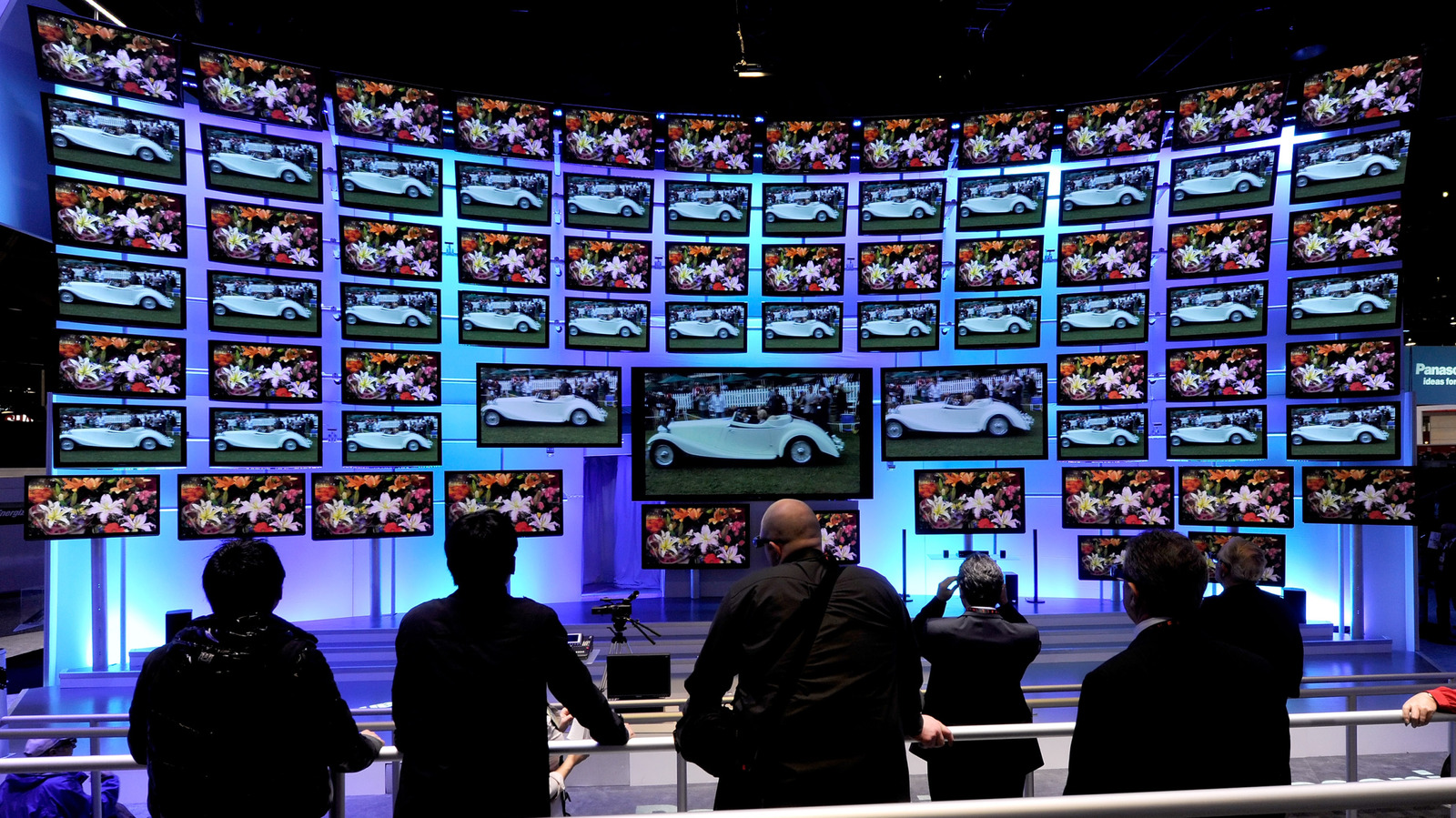
Verdict: A Bold Vision, Undermined by Practicality and Poor Execution Remember 3D TVs? For a brief, dazzling moment in the early 2010s, they were poised to be the next big thing in home entertainment, driven by the
Verdict: A Bold Vision, Undermined by Practicality and Poor Execution
Remember 3D TVs? For a brief, dazzling moment in the early 2010s, they were poised to be the next big thing in home entertainment, driven by the cinematic success of films like Avatar. But just as quickly as they appeared, they vanished, leaving behind a legacy of inconvenience, audience fatigue, and a glaring lack of quality content. Ultimately, 3D TVs failed because they asked too much of consumers for too little tangible benefit, especially when compared to the simultaneous rise of truly revolutionary technologies like 4K HDR.
The Allure and Swift Decline of 3D at Home
The idea of bringing the immersive, stereoscopic experience of a 3D movie theater into your living room was compelling. Major TV manufacturers enthusiastically incorporated 3D capabilities into most of their sets between 2010 and 2015. However, the dream quickly collided with reality. By 2015, as the industry pivoted towards the more universally appealing advantages of 4K and High Dynamic Range (HDR), 3D support had largely disappeared from new televisions.
User Experience: More Hassle Than Harmony
One of the primary nails in the coffin for 3D TVs was the sheer inconvenience. Owning a 3D TV wasn't enough; it was just the first step in a series of annoying hurdles:
- The Glasses: Crucial for the 3D effect, these were an immediate barrier. Passive glasses, while cheaper ($10-$20), effectively halved the resolution of a 1080p image. Active shutter glasses offered full resolution but were pricier (upwards of $50), bulkier, and required constant charging. Forget spontaneous watch parties unless everyone brought their own or you invested a small fortune in multiple pairs.
- Content Scarcity and Cost: Finding 3D content was a quest. You needed a 3D-compatible Blu-ray player and specific 3D Blu-ray discs, which often cost a premium and were not always readily available. Broadcast 3D content from networks like the BBC and ESPN was minimal and short-lived, with both pulling the plug on the format by 2013 due to lack of viewer interest. As the BBC's head of 3D noted, "Watching 3D is quite a hassly experience in the home."
- Viewing Limitations: The immersive effect was highly dependent on screen size and viewing distance. A 42-inch or even 50-inch screen often wasn't large enough from a typical sofa distance to create a truly enveloping 3D experience.
- Physical Discomfort: A significant portion of users (50% in one study) reported discomfort during long viewing sessions, a common issue with stereoscopic displays.
According to a Precision Reports study, only about 25% of 3D TV owners actually used the feature during its peak, and less than 10% continued using it after three years. The main reasons cited for abandonment were lack of content (65%), viewing discomfort (50%), and high equipment costs (42%).
Hollywood's Misstep: Quantity Over Quality
The initial box office success of natively shot 3D films like Avatar spurred Hollywood to greenlight a torrent of 3D releases. However, studios quickly prioritized profit over genuine artistic application. Many films, such as Alice in Wonderland and Clash of the Titans, were poorly converted from 2D, resulting in muddy visuals and a complete lack of genuine depth. This led to widespread audience disappointment.
Filmmaker Jeffrey Katzenberg lamented in 2011 that Hollywood had "disappointed our audience multiple times," fostering "genuine distrust" where there had been excitement. By 2012, 3D ticket sales for major releases began to drop significantly as audiences pushed back against higher prices for a sub-par experience.
Only a select few films, primarily those natively shot in 3D by visionary directors like James Cameron (Avatar), Alfonso Cuaron (Gravity), Martin Scorsese (Hugo), Ang Lee (Life of Pi), and Ridley Scott (The Martian), truly showcased the technology's potential. Computer-generated films like How to Train Your Dragon and Up also leveraged native 3D effectively. This small library of truly impressive titles further limited the appeal of 3D TVs for home users.
Today, while 3D films still see theatrical releases (largely thanks to Avatar sequels), the focus has shifted, with much of the cinematic buzz now centered on large-scale 2D formats like IMAX, championed by directors such as Christopher Nolan.
The Rise of Superior Alternatives
The simultaneous emergence of 4K and HDR televisions proved to be the ultimate undoing of 3D TVs. 4K offered a universally appreciated boost in sharpness and detail, while HDR brought stunning brightness and color accuracy. Crucially, these technologies delivered immediate, noticeable benefits without any of the drawbacks associated with 3D:
- No Special Equipment: No glasses, no charging, no expensive peripherals.
- Abundant Content: Streaming services like Netflix quickly embraced 4K, providing a wealth of readily accessible content.
- Backward Compatibility: Newer 4K TVs enhanced the look of existing SD and HD content through superior upscaling.
Convenience, quality, and a clear benefit without added hassle—these were the hallmarks of 4K's success, highlighting 3D's fatal flaws.
Where 3D Lives On (For a Price)
For those determined to experience 3D content at home today, options are limited and often expensive:
- Legacy Systems: Keeping an old 3D TV and Blu-ray player is the most straightforward (though dated) approach.
- Modern Projectors: Many contemporary projectors, including some BenQ models, still support 3D playback. High-end options like the XGIMI Titan Noir Max (which we reviewed favorably at 8.5/10) offer excellent image quality but come with a hefty $6,000 price tag, still requiring active shutter glasses.
- Virtual Reality: VR headsets offer a compelling 3D viewing experience. Apple's Vision Pro ($3,690) delivers spectacular 3D movies through its TV and Disney+ apps. Meta Quest headsets also support 3D video files and apps like Bigscreen VR, providing a more accessible entry point to private 3D viewing.
- Smart Glasses: Devices like Xreal's One Pro can also play 3D video files.
While Precision Reports optimistically predicts a 15% growth for the 3D TV category by 2036, driven by glasses-free technologies, current glasses-free prototypes often lack multi-viewer support and general impressiveness. True, multi-viewer glasses-free 3D or holographic TVs remain a distant dream.
Pros and Cons of the 3D TV Era
Pros:
- Genuine Immersion (When Done Right): Natively shot 3D films directed by talented filmmakers offered a truly unique and engaging visual experience.
- A Glimpse into the Future: Demonstrated the potential for stereoscopic entertainment.
Cons:
- Inconvenience: Required special glasses (often expensive, bulky, and needing charging), specific players, and media.
- High Cost: Premium pricing for TVs, glasses, and content.
- Resolution Compromises: Passive 3D halved resolution.
- Discomfort: Many users experienced eye strain or headaches.
- Lack of Quality Content: Abundance of poorly converted 2D-to-3D films diluted the experience.
- Limited Viewing Experience: Dependent on TV size, viewing distance, and audience size.
- Rapid Obsolescence: Quickly overshadowed by more practical and impactful technologies.
Buying Recommendation
Unless you are a dedicated niche enthusiast who already owns a library of 3D Blu-rays and is willing to invest significantly in a modern 3D-capable projector or a high-end VR headset, actively pursuing 3D TV technology today is not recommended. The drawbacks far outweigh the benefits for the vast majority of consumers. The market has moved on to higher resolution, better contrast, and more convenient viewing experiences that deliver immediate and tangible improvements.
FAQ
Q: Why did 3D TVs fail when 3D movies were popular?
A: While 3D movies initially saw success in theaters (especially those natively shot), the home 3D experience suffered from numerous practical issues: expensive and inconvenient glasses, limited content, reduced resolution with some technologies, and physical discomfort for many viewers. Hollywood also hurt its own cause by releasing many low-quality, poorly converted 2D-to-3D films, leading to audience fatigue and distrust.
Q: Can I still watch 3D content at home today?
A: Yes, but it requires specific equipment. You would need an older 3D-capable TV and Blu-ray player, or a modern projector that supports 3D along with active shutter glasses. Alternatively, VR headsets like Apple Vision Pro or Meta Quest offer a highly immersive (and often expensive) way to watch 3D movies, as they inherently support stereoscopic vision.
Related articles
Android 17 QPR2 Beta 7.1: The Performance Relief You've Been Waiting
Android 17 QPR2 Beta 7.1: Finally Fixing the QPR1 Performance Woes Verdict: Android 17 QPR2 Beta 7.1 is a crucial and highly anticipated software update for Google Pixel users, specifically targeting and resolving the

DJI Solo Video Setups: Smart Choices for Lone Creators
This review delves into DJI's recommended solo video setups, highlighting the Osmo Pocket 3 Creator Combo as a top pick for its integrated camera, gimbal, and mic. It also covers stabilizers like the Osmo Mobile 8 and RS 4, and the DJI Mic Mini series for enhanced audio, providing honest pros, cons, and clear buying advice.

Ars Technica's Rocket Report: Your Essential Space Industry Briefing
Quick Verdict Ars Technica's Rocket Report, presented by veteran space reporter Stephen Clark, offers an invaluable and meticulously organized weekly (or similar frequency, implied by "Edition 9.15") digest of the most

Apple iPhone Duo: A Daring Debut with Notable Compromises
Apple's highly anticipated iPhone Duo, priced at $2,000, has gone on pre-order. While hailed as "Apple's most exciting device in a decade" for its innovative foldable design and immersive display, it comes with significant drawbacks like the absence of FaceID and a premium camera.
KDE Plasma 6.8: A Future-Focused 30th Anniversary Update
Quick Verdict KDE Plasma 6.8, arriving as the "30th Anniversary Edition," is a pivotal release that decisively pushes the desktop environment into the future. With a definitive farewell to native X11 sessions and a
Galaxy Watch One UI 9 Beta: Promising Progress, But Patience Needed
Galaxy Watch 8, Watch Ultra, and Watch 7 are receiving a new One UI 9 Watch beta build with bug fixes and a security patch. Active development signals progress, but a stable release date remains elusive.