
2026 Phone Review: My Buying Advice is Changing This Year
As an experienced tech reviewer, I've had my hands on every major phone released in 2026 so far, and I have to be honest: my buying advice is fundamentally different this year. While the allure of the latest and

As an experienced tech reviewer, I've had my hands on every major phone released in 2026 so far, and I have to be honest: my buying advice is fundamentally different this year. While the allure of the latest and greatest is always strong, 2026 is shaping up to be a challenging year for smartphone consumers. Underwhelming upgrades and significant price hikes, largely driven by external market forces, mean that for many, the smarter purchase might not be a brand-new device.
Quick Verdict: A 'Skip Year' for Most Smartphones
If you're in the market for a new smartphone in 2026, my immediate recommendation for most people is to seriously consider a top-tier phone from 2025, or exercise extreme caution when evaluating this year's mid-range and budget options. Barring a few exceptions, innovation has stagnated, prices have climbed, and the value proposition for many new models has diminished drastically. It's truly a 'skip' year for the savvy consumer.
The Underwhelming Reality of 2026: Why Prices are Up, and Upgrades are Down
The root cause of this market shift isn't a lack of effort from manufacturers, but rather a significant external pressure: a global shortage of memory chips. Reports from IDC and Counterpoint Research highlight that DRAM and NAND chips, essential components for PCs, smartphones, and data centers, are in short supply. As businesses funnel more resources into AI data centers, fewer memory chips are available for consumer products, leading to a surge in prices.
IDC analysts note that memory can constitute 15-20% of the total bill of materials (BOM) for a mid-range phone, and 10-15% for a high-end flagship. With RAM prices reportedly tripling compared to last year, manufacturers are in a bind. They're forced to either significantly raise prices, cut specifications, or a combination of both. This dilemma is particularly harsh on cheaper phones, which operate on already thin margins, making price hikes inevitable to maintain profitability.
This translates directly to the user experience. Instead of exciting new features, we're seeing largely unchanged specifications or minor improvements accompanied by higher price tags. The design and build quality might be familiar, but the core performance and feature set often fail to justify the increased cost, leaving many users feeling short-changed.
Examining This Year's Lineup: Notable Examples
We've observed these trends across various brands:
- Google Pixel: The Pixel 10a, for instance, launched at $500, now sits at $450 on Amazon. However, it features an outdated Tensor G4 chipset from 2024 and older cameras. Crucially, the 2025 Pixel 10, which offers more RAM (12GB vs 8GB), a dedicated telephoto camera, and PixelSnap magnetic wireless charging, can be found for as low as $550 with discounts. The value proposition for the older, more capable model is clear.
- Samsung Galaxy: The Galaxy A57 is now $550, a $50 increase over the Galaxy A56's launch price of $500, despite being largely unchanged. Even at the flagship level, the Galaxy S26 series offers only modest upgrades over its S25 predecessor, with no major camera or battery changes. This makes the 2025 Galaxy S25 series highly recommended due to comparable performance, especially when considering potential discounts.
- Motorola G-Series: On the budget end, Motorola G-series phones have seen price increases of up to $100 on the official website. While Amazon might still carry some at older prices, any hike in the budget segment is acutely felt, making older models a superior choice for those watching their wallets.
Your Best Alternatives Already Exist (and for Less Money)
Given the lack of meaningful innovation and the price increases, 2025 models often present a far superior value proposition. Here's a breakdown:
| Category | 2026 Option (Example) | 2025 Alternative (Example) | Key Differences & Value |
|---|---|---|---|
| Pixel 10a (Mid-range) | Pixel 10 (Flagship) | Pixel 10a: $450 (down from $500), Tensor G4 (2024), 8GB RAM, older cameras. | |
| Pixel 10: As low as $550 (pending discounts), 12GB RAM, dedicated telephoto, PixelSnap magnetic wireless charging. Significantly better value for slightly more. | |||
| Samsung | Galaxy A57 (Mid-range) | Galaxy S25 Series (Flagship) | Galaxy A57: $550 (up $50 from A56), largely unchanged. |
| Galaxy S25 Series: Similar specs to S26 series, modest upgrades in S26 (no major camera/battery changes). The S25 series remains highly recommended due to comparable performance and likely discounted prices. | |||
| Motorola | G-series (Budget) | 2025 G-series (Budget) | 2026 G-series: Up to $100 more expensive. |
| 2025 G-series: Available at older, lower prices. Price hikes in budget segment sting significantly, making 2025 models a clear win for budget-conscious buyers. |
The Apple Anomaly: Maintaining Momentum
Interestingly, Apple's trajectory in 2026 appears to be an exception. Following the successful debut of the MacBook Neo, the iPhone 17 series has managed to maintain its value proposition. By holding the line on pricing relative to the iPhone 16 while introducing notable upgrades like a flexible 18MP selfie camera, a faster processor, and 120Hz displays on base models, Apple has significantly raised the bar for what consumers can expect at a given price point. Even the $600 iPhone 17e, while a tougher sell purely on value, offers year-over-year upgrades that outpace midrange offerings from Samsung and Google, making it a viable option this year.
Buying Recommendation: Shop Smarter, Not Harder
Given the current market conditions, my buying recommendation is clear:
- For most Android users seeking value: Prioritize 2025 flagship or upper-mid-range models. They offer comparable, if not superior, performance and features to their 2026 counterparts, often at significantly lower, discounted prices. Look for the Pixel 10 or Galaxy S25 series.
- For budget-conscious buyers: Absolutely avoid the new 2026 budget offerings from brands like Motorola or Samsung's A-series. The price hikes sting too much for too little in return. Seek out 2025 models or even refurbished options of slightly older, more premium devices.
- For Apple users or those wanting the absolute latest: The iPhone 17 series is a strong contender. Apple has bucked the trend by offering meaningful upgrades without a corresponding price increase, making it one of the few truly compelling new phone releases of the year.
The Bottom Line
2026 is shaping up to be a 'skip' year for many consumers. With persistent supply constraints driving prices up and innovation plateaus diminishing returns across much of the Android market, older models currently offer far superior value. While we can hope for a market correction in the future, the era of 'more for less' is becoming increasingly rare. This stagnation is, unfortunately, the new normal, making it all the more important for consumers to shop smarter, not harder.
FAQ
Q: Is it worth upgrading my phone in 2026?
A: For most Android users, it's advisable to hold off or consider a 2025 model due to minimal upgrades and higher prices in 2026. Apple users, however, might find the iPhone 17 series a worthwhile upgrade given its maintained pricing and significant feature improvements.
Q: Why are 2026 phones more expensive and less impressive?
A: A global shortage of memory chips (DRAM and NAND), primarily driven by increased demand from AI data centers, has significantly raised manufacturing costs for smartphones. This forces manufacturers to either increase prices, reduce specifications, or both, leading to less innovation for the money compared to previous years.
Q: Which 2025 phones should I consider?
A: For Google, the 2025 Pixel 10 offers significantly more features, RAM, and a dedicated telephoto camera for only a slight price increase over the 2026 Pixel 10a. For Samsung, the Galaxy S25 series remains highly recommended as it provides comparable performance to the 2026 S26 series, often available at discounted prices. For budget options, look for 2025 Motorola G-series models at their original lower prices.
Related articles
Fitbit Edge: Hold Your Horses on Day One
The Google Fitbit Edge has arrived with an MSRP of $179.99, sparking considerable interest in the wearables market. Positioned as a device that balances the utility of a basic fitness band with some advanced features,
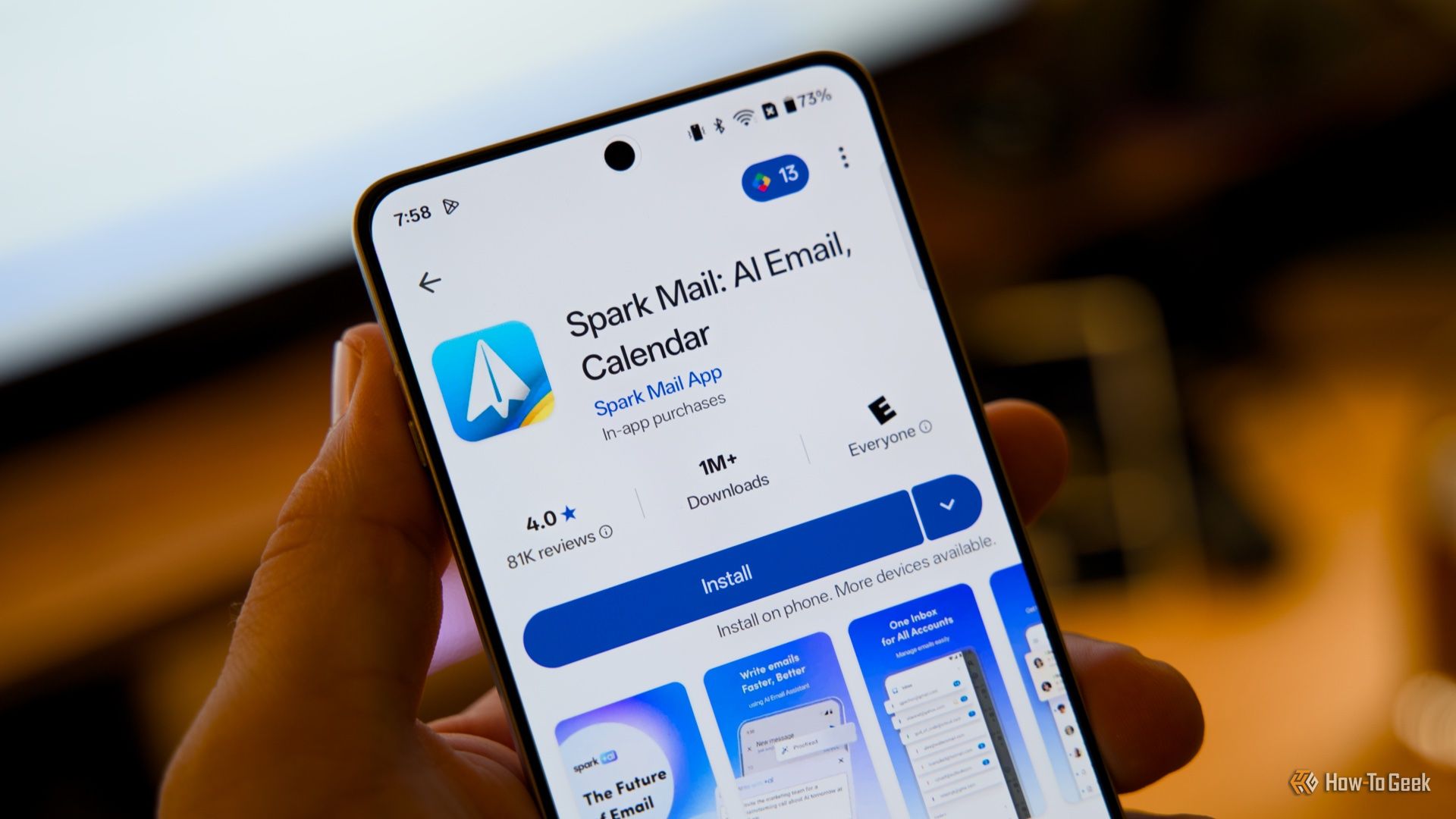
How to Find Specific Google Play In-App Prices
Learn to find specific in-app purchase prices for Android apps by checking the Apple App Store, developer websites, and user reviews before downloading.

Premier League Soccer Streaming: Global Access, Regional Maze
Quick Verdict Streaming Premier League soccer from anywhere is a viable option for international fans, but it's a fractured landscape. In the US, Peacock and NBC Sports Network are your go-to. UK viewers rely on Sky
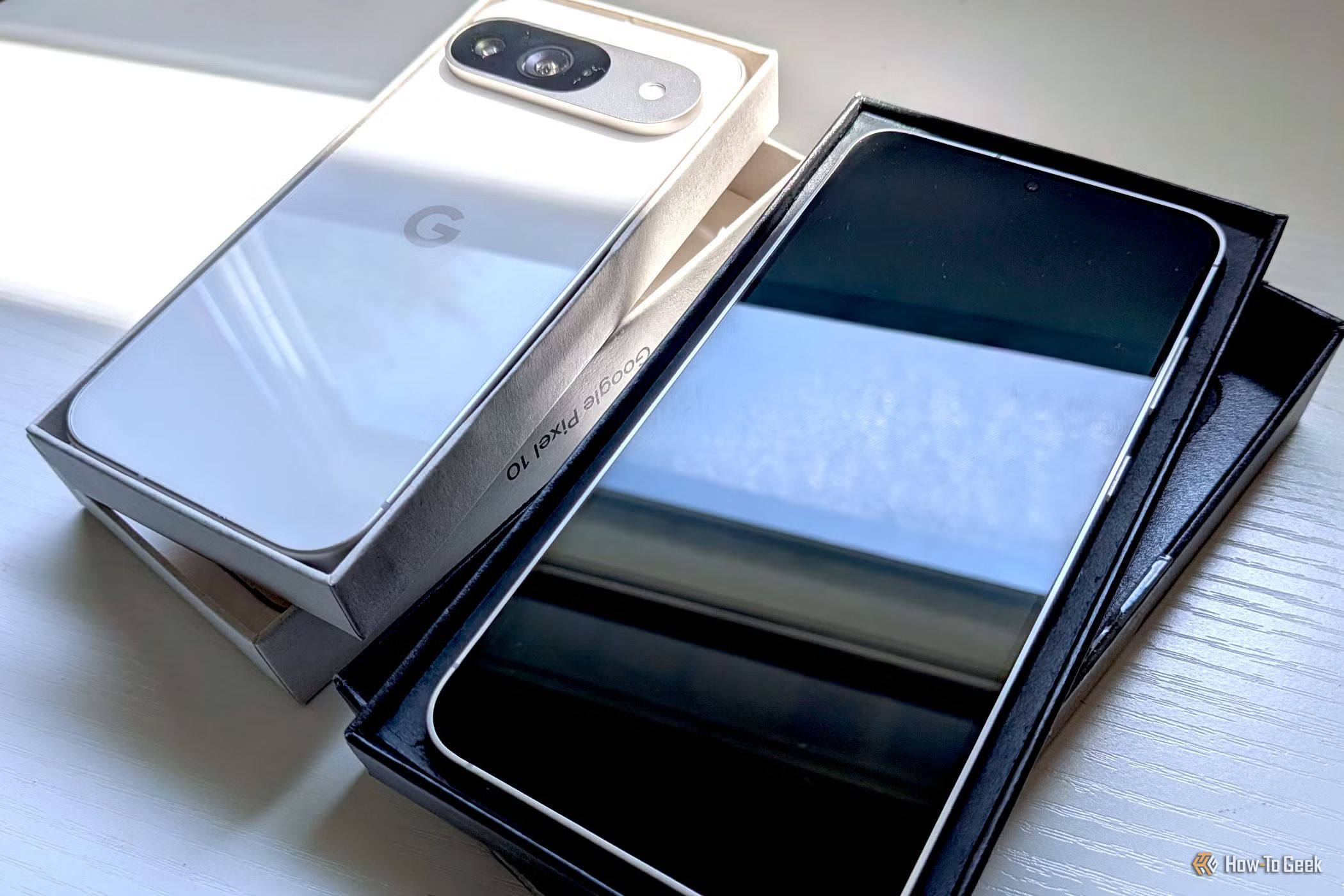
Navigating Pixel vs. Galaxy: Understanding Exclusive Features Before
When considering a switch between Google Pixel and Samsung Galaxy phones, it's easy to assume that all Android flagships offer similar core features. However, as many users discover after making the leap, this isn't

Amazon's AI Wearable, Booking's Seattle Gambit, and LinkedIn's
Seattle, WA – October 17, 2026 – Major tech developments are making headlines today as Amazon introduces its new Bee AI wearable devices, Booking Holdings plants a substantial AI travel venture in rival Expedia’s

Plug-in Solar Legalization: A Bright Step for Home Energy
The legalization of plug-in solar in 10 US states signals a major shift towards accessible home energy. This review covers the systems, legal status, savings potential, and crucial considerations for consumers.